Address
304 North Cardinal St.
Dorchester Center, MA 02124
Work Hours
Monday to Friday: 7AM - 7PM
Weekend: 10AM - 5PM
Address
304 North Cardinal St.
Dorchester Center, MA 02124
Work Hours
Monday to Friday: 7AM - 7PM
Weekend: 10AM - 5PM


 ByPulivk
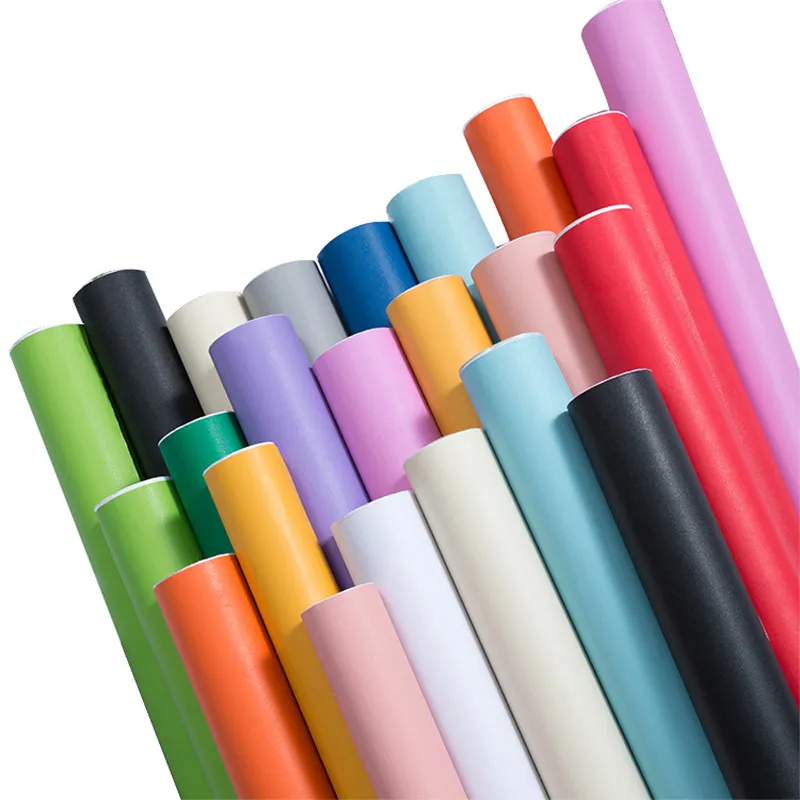
When renovating interiors or upgrading furniture surfaces, finding a material that balances low price solid emboss pvc film with long-term performance can feel challenging. Solid embossed PVC film solves this by delivering a textured, durable finish at a fraction of the cost of traditional materials. Its embossed surface resists scratches and wear, making it ideal for high-traffic areas in homes, offices, and commercial spaces. Unlike flat vinyl alternatives, the embossed structure hides minor surface imperfections and adds tactile depth that mimics natural materials like leather or stone.
Manufacturers continuously refine the calendering process to enhance consistency and strength. The result is a decorative film that maintains color stability and resists peeling even under humidity and temperature changes. For buyers seeking both affordability and reliability, this film type bridges the gap between budget constraints and aesthetic demands.
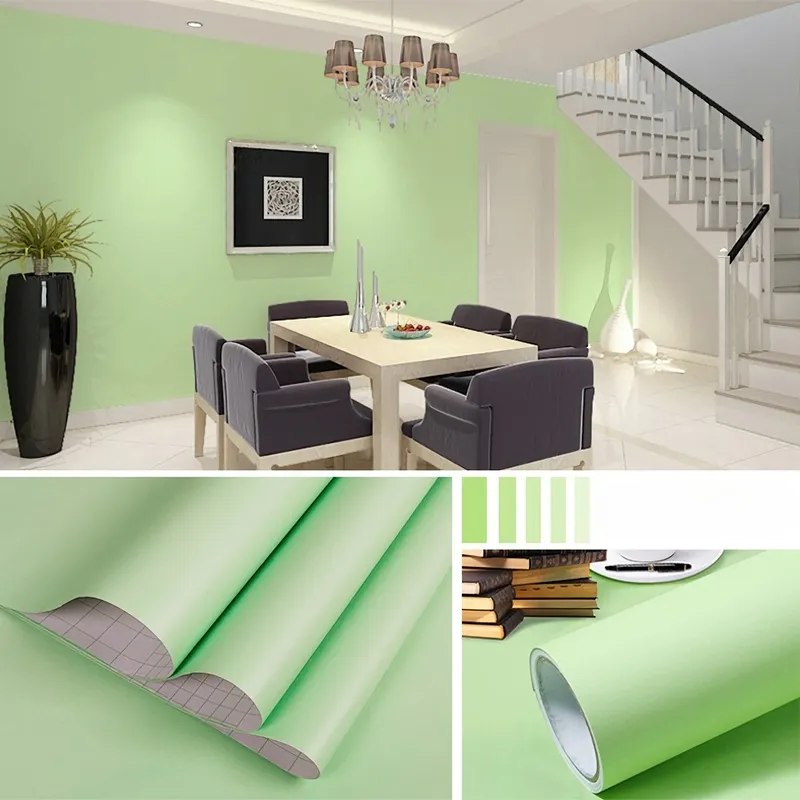
Not all decorative films perform equally under stress. Solid color wallpaper and embossed films share some visual traits, but the embossed variant adds mechanical resilience that flat films cannot match. The raised patterns distribute impact forces more effectively, reducing the likelihood of punctures and abrasions. This makes the film suitable for cabinet doors, wall panels, and furniture edges that endure frequent contact.
Below is a comparison of typical performance indicators for embossed versus non-embossed PVC decorative films.
| Property | Embossed PVC Film | Flat PVC Film |
|---|---|---|
| Scratch Resistance | High | Moderate |
| Surface Imperfection Hiding | Excellent | Low |
| Dimensional Stability | Good | Varies |
| Cost Efficiency | Excellent | Good |
Embossing goes beyond aesthetics. Different patterns serve distinct purposes depending on the intended application. A low price solid emboss pvc film with a leather grain pattern, for instance, improves grip and reduces visible fingerprints on furniture surfaces. A linen or fabric texture enhances light diffusion, softening the look of large wall panels without adding weight.
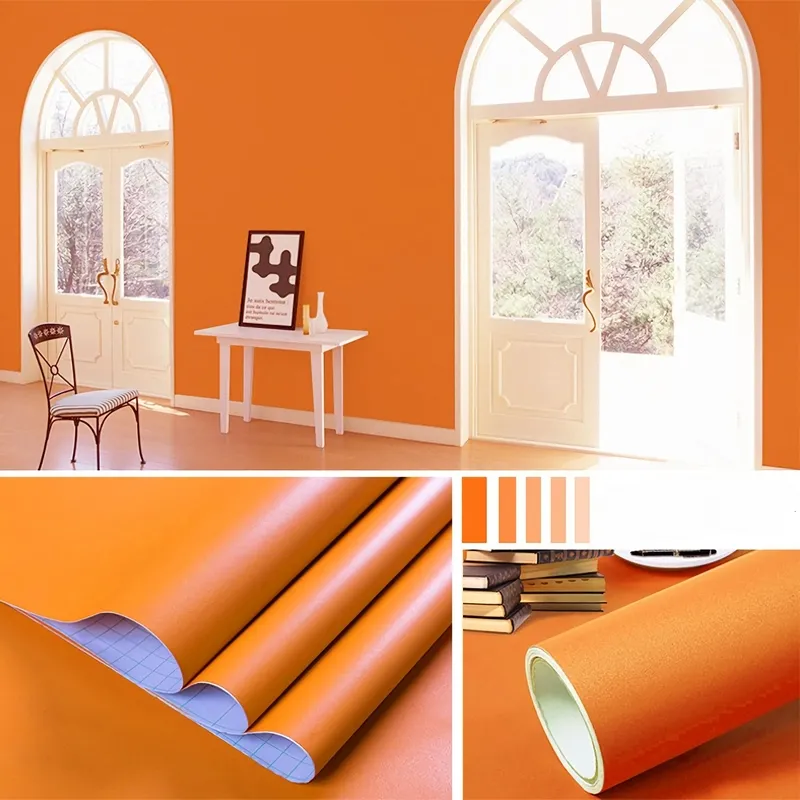
The versatility of solid embossed PVC film extends across multiple industries. Furniture manufacturers use it to laminate MDF and particleboard panels, achieving a high-end look without the expense of natural veneers. Interior designers specify it for accent walls, wardrobe surfaces, and ceiling tiles where consistent color and texture are critical. Floor film alternatives with embossed surfaces also gain traction in temporary exhibition spaces and rental properties due to easy installation and removal.
Another growing application lies in retail and hospitality environments. Embossed films on counter fronts, shelving units, and partition panels withstand daily cleaning routines without delaminating. The film’s chemical resistance, when properly formulated, allows the use of standard cleaning agents without surface degradation. This reliability reduces maintenance costs over the product’s lifespan.
Proper application determines how well the film performs over time. Cold lamination with suitable adhesives works for small-scale DIY projects, but vacuum lamination using heat and pressure provides the strongest bond for commercial production. The embossed texture remains intact during the process because the film’s formulation accommodates stretching without pattern distortion. For flat substrates, a roller press ensures uniform adhesion and eliminates air pockets that could lead to bubbling.
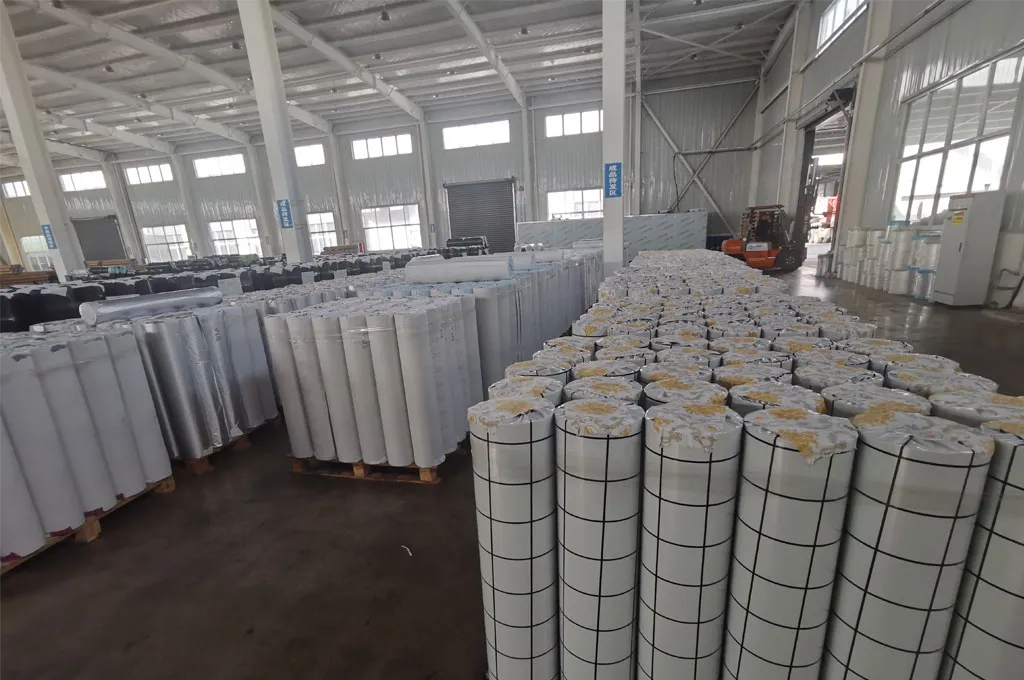
Achieving a low price point without sacrificing quality requires vertical integration in manufacturing. When a factory controls calendering, printing, and slitting in-house, it eliminates intermediary markups and reduces lead times. This efficiency directly benefits buyers who need bulk orders of solid embossed PVC film for ongoing production runs. The ability to source raw materials at volume further stabilizes pricing, shielding customers from market fluctuations.
Customization options also affect cost. Standard emboss patterns and colors carry lower minimum order quantities, while custom colors and custom textures may require additional setup. However, the per-unit cost decreases significantly as order volume increases, making the film an economical choice for large-scale projects.
| Cost Factor | Impact on Final Price |
|---|---|
| Raw material procurement | High – direct sourcing reduces base cost |
| Production efficiency | High – automated lines minimize labor |
| Customization complexity | Moderate – standard patterns cost less |
| Order volume | Significant – economy of scale applies |
Modern embossed PVC films increasingly meet stringent environmental standards. Formulations free of lead and phthalates comply with RoHS and REACH requirements, making the film safe for indoor use and human contact. Manufacturers committed to sustainability also implement closed-loop water systems and solvent recovery processes, reducing the environmental footprint of production. For buyers in regulated markets, requesting relevant compliance documentation ensures the chosen film meets local import and usage regulations.
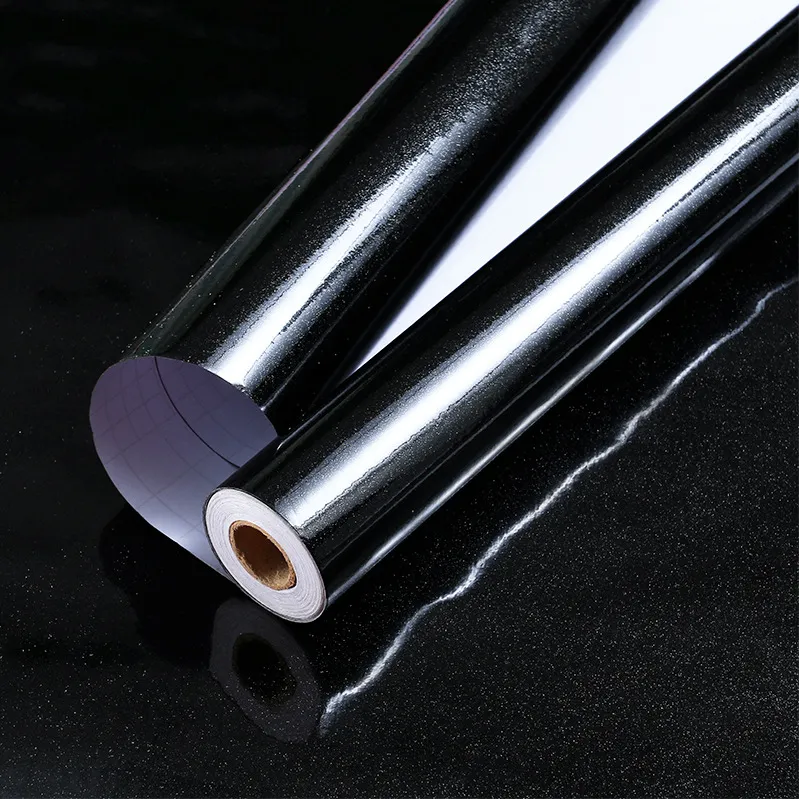
Film thickness directly influences durability and ease of application. Thinner films, around 0.08 mm to 0.12 mm, suit lightweight decorative overlays, while thicker options up to 0.35 mm provide enhanced impact resistance for flooring and heavy-use furniture. Width availability up to 1500 mm reduces seam lines on large panels, creating a more seamless visual result. When evaluating specifications, consider the substrate material and the expected stress the film will endure.
Reputable manufacturers implement multiple inspection checkpoints throughout production. Optical systems scan for surface defects, while thickness gauges verify uniform gauge across the roll. Tensile and elongation testing according to ASTM PVC Film Standard methods confirms mechanical integrity. These quality assurance steps prevent batch-to-batch variation, which is critical for projects requiring color consistency across multiple installation phases.
Henan Pulivk New Materials Co., Ltd. operates integrated calendering, printing, and slitting lines under one roof, controlling every stage from raw material processing to final packaging. This full-chain capability reduces production bottlenecks and ensures timely delivery for both standard and custom orders.
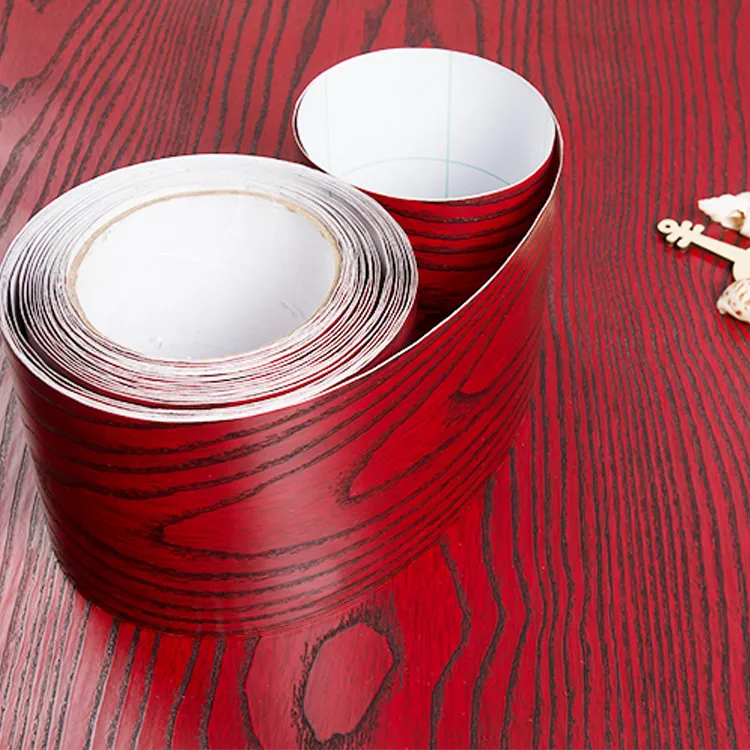
When measured against natural wood veneers, laminates, or painted surfaces, solid embossed PVC film offers distinct advantages. Veneers require sealing and ongoing maintenance, while paint chips and fades over time. PVC film, by contrast, retains its color and texture for years with minimal upkeep. The embossed surface also provides better slip resistance than glossy laminates, a practical benefit for flooring and stair treads.
From a budget perspective, the low price solid emboss pvc film option frees up project funds for other design elements without compromising the final look. This value proposition resonates strongly with contractors, furniture makers, and renovation specialists who manage tight schedules and cost constraints.
Caring for embossed PVC surfaces is straightforward. A soft damp cloth with mild detergent removes most stains and dust. Avoid abrasive pads and strong solvents, as these can dull the embossed pattern over time. For commercial settings, periodic inspection of edges and seams helps catch any lifting early, preventing moisture ingress that could weaken the adhesive bond. With proper care, the film maintains its appearance and functionality well beyond its warranty period.
Key takeaway: A carefully selected solid color wallpaper or embossed film product, sourced from an integrated manufacturer, delivers substantial savings while meeting the durability demands of modern interior applications.