Address
304 North Cardinal St.
Dorchester Center, MA 02124
Work Hours
Monday to Friday: 7AM - 7PM
Weekend: 10AM - 5PM
Address
304 North Cardinal St.
Dorchester Center, MA 02124
Work Hours
Monday to Friday: 7AM - 7PM
Weekend: 10AM - 5PM



 ByPulivk
Whether you are a manufacturer, distributor, or end-user working with PVC film products, understanding the PVC film MSDS (Material Safety Data Sheet) is essential for workplace safety and regulatory compliance. An MSDS provides detailed information about the chemical composition, potential hazards, safe handling procedures, and emergency response measures associated with a specific material. For PVC film, which is widely used in industries ranging from furniture manufacturing to construction and packaging, having access to accurate safety data ensures that all stakeholders can handle the material responsibly.
This comprehensive guide covers the critical aspects of PVC film safety documentation, including hazard identification, proper handling techniques, storage requirements, and global compliance standards. By understanding these elements, businesses can protect their workers, meet legal obligations, and maintain high safety standards throughout their operations.
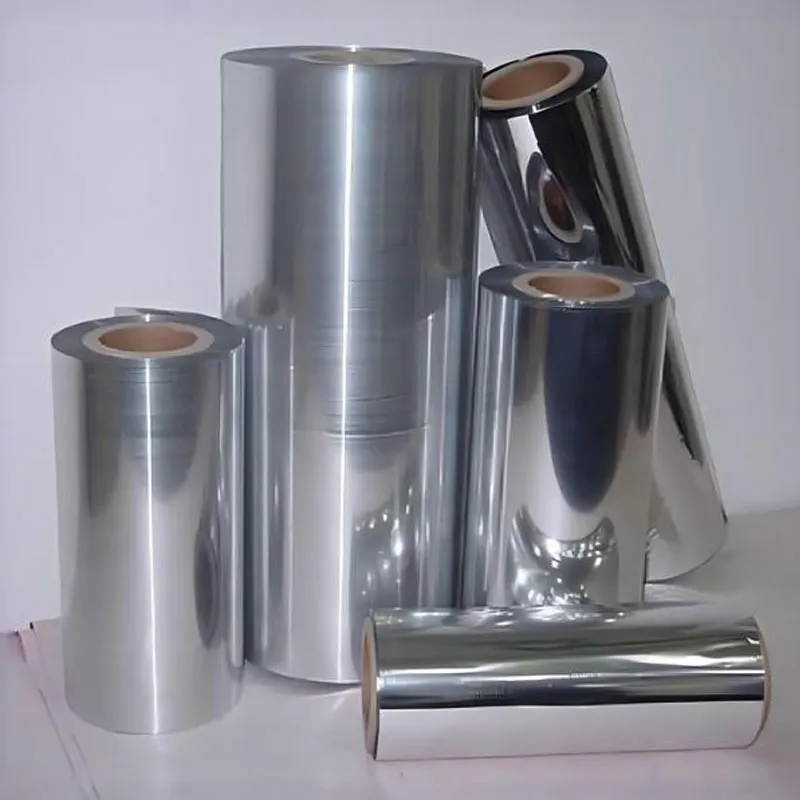
PVC (polyvinyl chloride) film is a thermoplastic material produced through the polymerization of vinyl chloride monomer. The base polymer is combined with various additives including plasticizers, stabilizers, pigments, and processing aids to achieve specific performance characteristics. Understanding the chemical makeup is the first step in assessing potential hazards.
The primary components found in PVC film products typically include:
While PVC film in its finished form is generally considered stable and low-risk, certain hazards may arise during processing, cutting, or when the material is exposed to extreme heat. It is important to consult the ASTM PVC Film Standard for detailed material specifications and testing methodologies.
Although PVC film is designed for safe use in numerous applications, understanding the potential risks is a fundamental part of MSDS documentation. The following table summarizes the primary hazard categories:
| Hazard Category | Description | Risk Level (Normal Use) |
|---|---|---|
| Thermal Decomposition | When heated above 200°C, PVC may release hydrogen chloride gas and other irritants | Low – only relevant during high-temperature processing or fire conditions |
| Inhalation of Dust/Fumes | Cutting or grinding operations may generate fine particles; overheating produces fumes | Low to Moderate – proper ventilation and PPE recommended |
| Skin Contact | Prolonged contact with certain additives or degraded material may cause mild irritation | Very Low – standard hygiene practices are sufficient |
| Fire Hazard | PVC is inherently flame-retardant due to its chlorine content but will burn under sustained flame | Low – self-extinguishing properties reduce fire spread |
| Environmental Impact | Improper disposal may lead to long-term environmental persistence | Moderate – recycling programs are recommended |
It is worth noting that modern PVC decorative films are manufactured under strict quality controls, and many products now use phthalate-free plasticizers to meet evolving regulatory requirements. For specific testing on plastic film tensile properties, refer to the Plastic Film Tensile Testing standard.
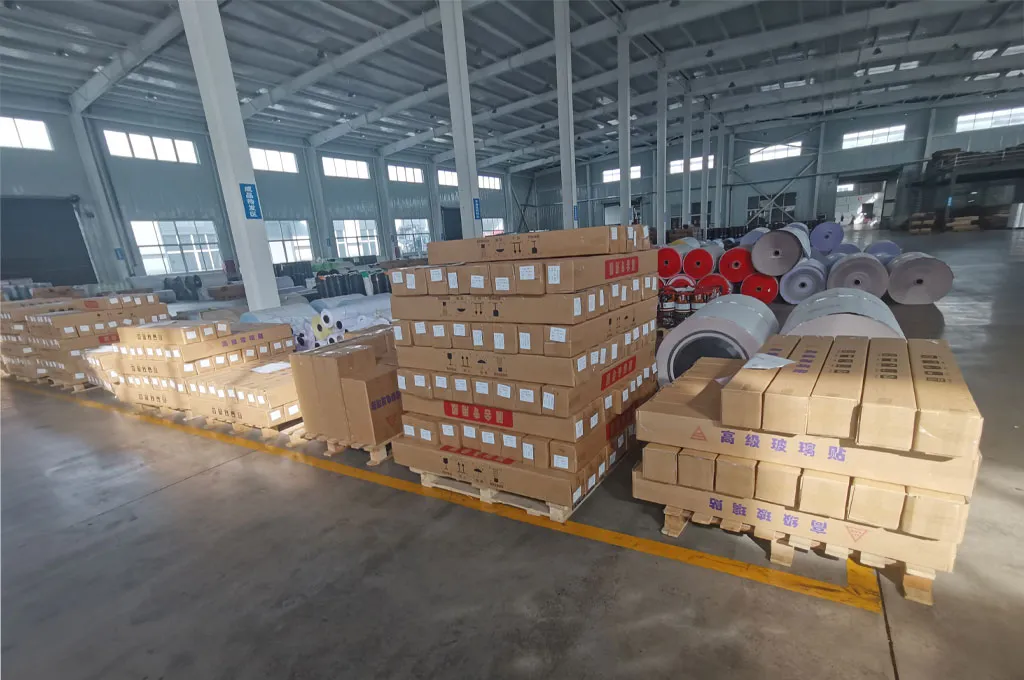
Proper handling of PVC film minimizes potential risks and ensures a safe working environment. The following guidelines should be incorporated into standard operating procedures for any facility working with these materials.
During calendering, lamination, and other thermal processes, additional precautions should be observed:
For detailed guidance on plastic film classification and testing, the Plastic Film Classification standard provides a comprehensive framework.
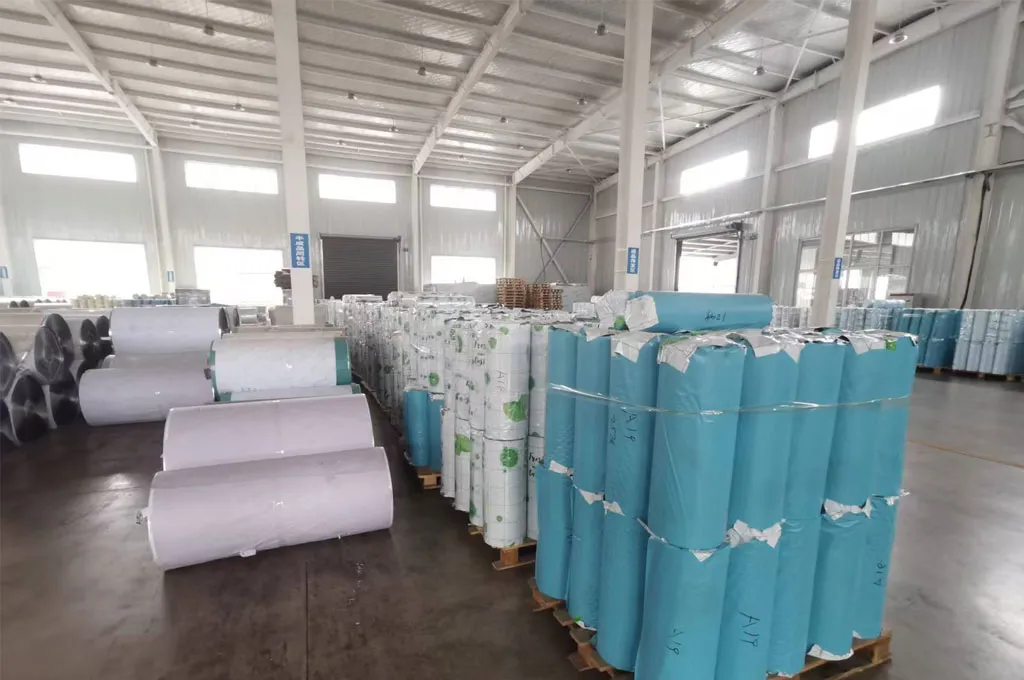
Correct storage conditions preserve both the quality of PVC film and the safety of the workplace. Improper storage can lead to material degradation, increased fire risk, or workplace accidents.
| Storage Parameter | Recommended Condition | Notes |
|---|---|---|
| Temperature | 15°C – 30°C (59°F – 86°F) | Avoid extreme temperatures that may affect film flexibility |
| Humidity | 40% – 60% Relative Humidity | Excessive moisture can cause blocking or surface defects |
| Light Exposure | Store away from direct sunlight and UV sources | UV exposure may cause yellowing over extended periods |
| Stacking | Store rolls horizontally on proper racks; avoid excessive stacking height | Prevents deformation and reduces fall hazards |
| Fire Protection | Keep away from ignition sources; maintain clear access to fire extinguishers | Although PVC is flame-retardant, surrounding materials may not be |
When transporting PVC marble film and other decorative films, ensure that rolls are properly secured to prevent shifting during transit. Use protective wrapping to shield the material from dust, moisture, and physical damage.
Implementing appropriate exposure controls is a key requirement of any PVC film MSDS compliance program. The hierarchy of controls should be applied, starting with engineering solutions before relying on administrative measures or personal protective equipment.
Refer to the ISO Film Tensile Testing standard for additional guidance on material characterization and quality assurance protocols.
Compliance with regional and international regulations is critical for businesses that manufacture, distribute, or use PVC film products. Different markets have varying requirements regarding chemical substances, environmental impact, and workplace safety.
| Regulation | Region | Key Requirements |
|---|---|---|
| REACH | European Union | Registration, evaluation, and authorization of chemicals; restrictions on certain phthalates |
| RoHS | European Union | Restriction of hazardous substances including lead, mercury, and certain flame retardants |
| OSHA Hazard Communication | United States | Requires MSDS/SDS availability, proper labeling, and employee training |
| TSCA | United States | Toxic Substances Control Act; EPA oversight of chemical substances including vinyl chloride |
| GB Standards | China | National standards for plastic film products including safety and environmental requirements |
Henan Pulivk New Materials Co., Ltd. ensures that all PVC film products comply with applicable international standards, including REACH and RoHS requirements for export markets. The company’s commitment to quality and safety is reflected in its comprehensive approach to material selection and manufacturing processes. For the latest updates on PVC-related chemical restrictions, consult the EU PVC Chemical Restrictions registry.

While PVC film is generally safe under normal handling conditions, it is important to have established first aid procedures in case of unexpected incidents. The following measures should be included in any facility’s emergency response plan.
For comprehensive testing on plastic film impact resistance and tear properties, the Plastic Film Impact Resistance standard provides valuable reference data.
Responsible environmental management is an increasingly important aspect of PVC film compliance. While PVC is a durable material with a long service life, end-of-life considerations should be addressed in the MSDS documentation.
Recommended disposal practices include:
The PVC Circular Economy initiatives provide a framework for improving the sustainability profile of PVC products throughout their lifecycle.
In its finished form, PVC film is not classified as hazardous under most regulatory frameworks. The material is stable, non-reactive, and safe for its intended applications. However, during high-temperature processing or in fire conditions, decomposition products may pose risks that should be addressed in the MSDS.
Yes. Occupational health and safety regulations in most countries require that an MSDS or SDS (Safety Data Sheet) be available for all chemical substances and mixtures used in the workplace. While finished PVC film is an article rather than a chemical mixture, having an MSDS demonstrates due diligence and supports worker safety programs.
A complete PVC film MSDS should include the following 16 sections as per the Globally Harmonized System (GHS):
PVC film offers several inherent safety advantages including natural flame retardancy due to its chlorine content. Unlike polyolefin films, PVC will self-extinguish when the ignition source is removed. This property makes it a preferred choice for applications where fire safety is a concern, such as in building materials and electrical insulation. For technical comparisons, the ISO Film Tear Resistance standard provides standardized testing protocols.
Manufacturers and suppliers are required to provide MSDS documentation upon request. When sourcing 3D silk texture film or any specialized PVC product, always request the current safety data sheet from your supplier and verify that it complies with the regulatory requirements of your region.