Address
304 North Cardinal St.
Dorchester Center, MA 02124
Work Hours
Monday to Friday: 7AM - 7PM
Weekend: 10AM - 5PM
Address
304 North Cardinal St.
Dorchester Center, MA 02124
Work Hours
Monday to Friday: 7AM - 7PM
Weekend: 10AM - 5PM


 ByPulivk
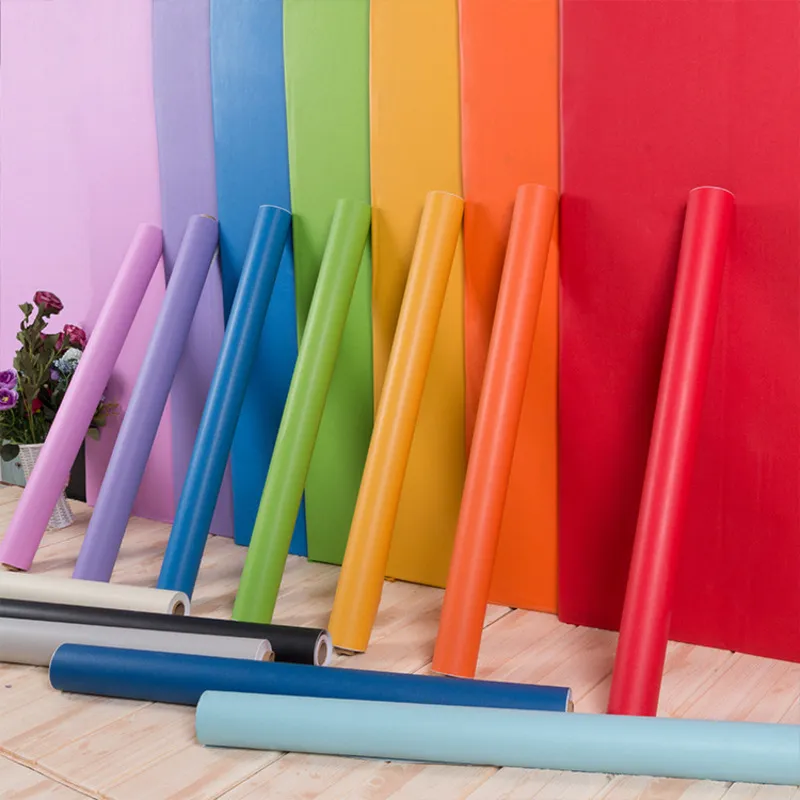
The term multifunction PVC film has become synonymous with modern material versatility. Engineered through advanced calendering and coating technologies, these films offer a unique combination of durability, flexibility, and aesthetic customization that traditional materials struggle to match. From interior decoration to industrial packaging, the concept of a single substrate serving dramatically different roles is redefining efficiency in manufacturing.
Unlike standard plastic sheeting, a true multifunction PVC film is designed to adapt. It can be formulated to resist UV rays outdoors, inhibit bacterial growth in medical settings, or mimic high-end wood and marble textures for furniture surfaces. This adaptability is driven by strict adherence to international benchmarks, including ASTM PVC Film Standard specifications, ensuring that strength and safety are never compromised for style.
What sets today’s generation apart is the integration of surface performance with visual depth. Manufacturers now combine embossing techniques with Plastic Film Gloss Testing standards to produce finishes ranging from super-matte soft-touch to high-gloss reflective surfaces. This allows a single film type to transition seamlessly between a cozy bedroom wardrobe and a sleek commercial lobby wall panel.

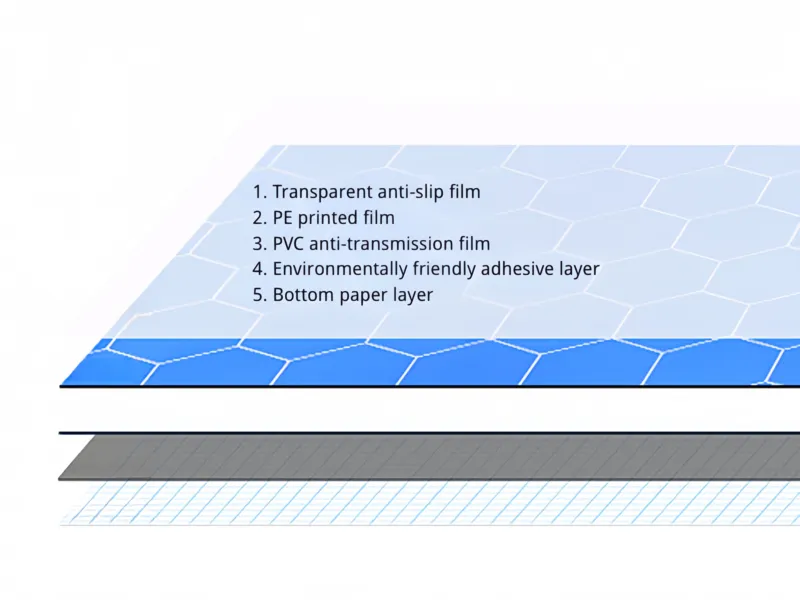
Understanding the breadth of multifunction PVC film begins with categorizing its primary protective and decorative roles. These categories highlight how variations in formula and texture alter the end-use case drastically.
The shift toward multifunction PVC film is primarily an economic and performance-driven decision. The material’s low processing temperature and thermoforming capability mean reduced energy consumption compared to rigid thermoplastics. Furthermore, the ability to add antimicrobial agents directly into the polymer matrix makes it indispensable for modern healthcare infrastructure, eliminating the need for secondary coating processes.
Key Fact: Formulated correctly, these films exhibit dimensional stability that aligns with PVC Film Dimensional Stability parameters, preventing warping even under sustained thermal stress.
Choosing the correct film requires a close look at the technical data. The table below summarizes the critical properties that define a premium multifunction PVC film, ensuring it meets the demands of specific applications like digital printing or deep-draw lamination.
| Property | Typical Value | Significance |
|---|---|---|
| Thickness | 0.05 mm – 0.50 mm | Determines the Plastic Film Thickness Testing standard for durability |
| Gloss Level | 5% (Matte) to 95% (High-Gloss) | Verified industrial finishing aesthetics |
| Width Capacity | Up to 1500 mm | Minimizes seam lines in large-format panel application |
| Cold Crack Resistance | -10°C to -25°C | Essential for outdoor and refrigerated storage uses |
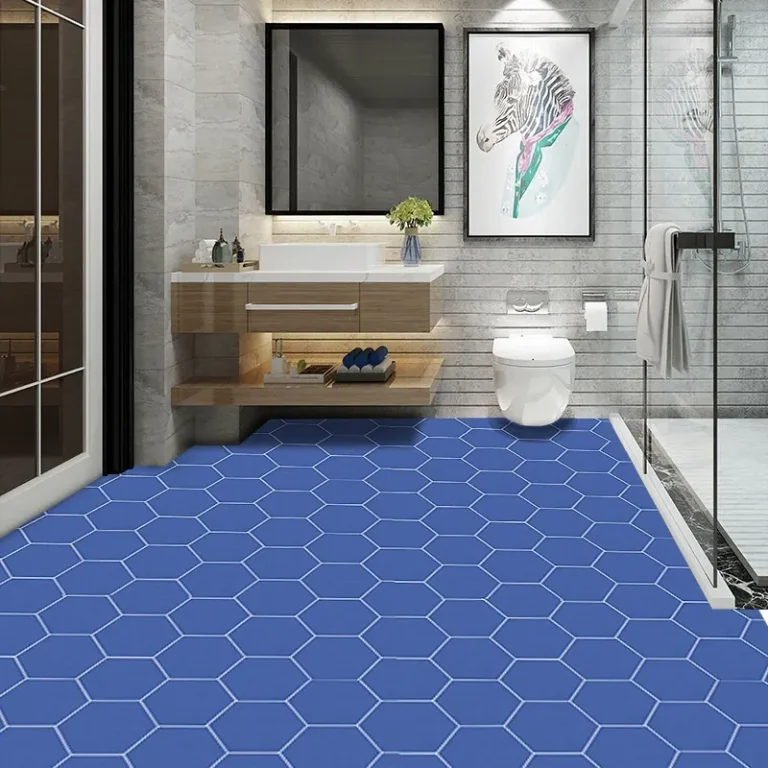
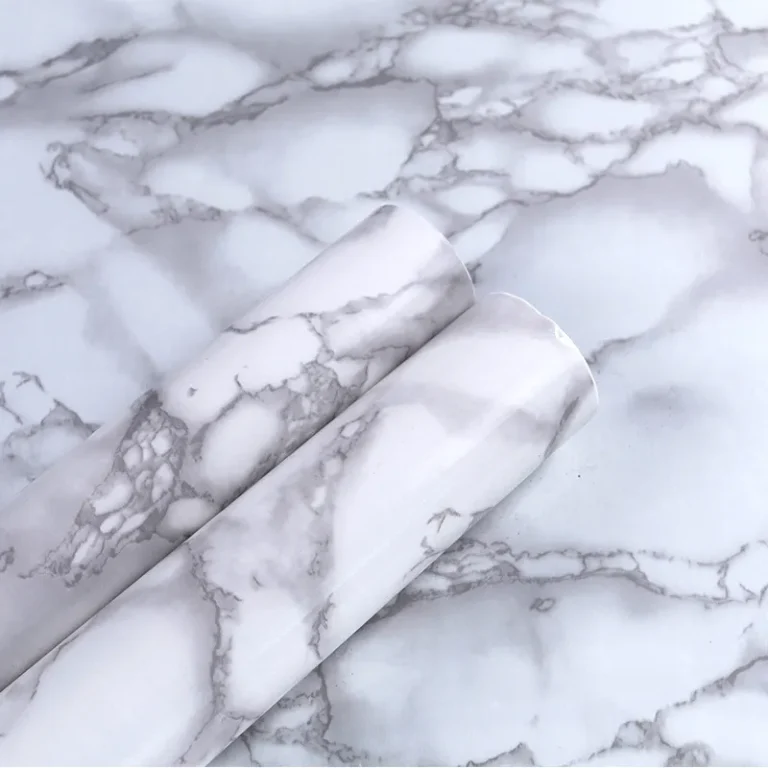
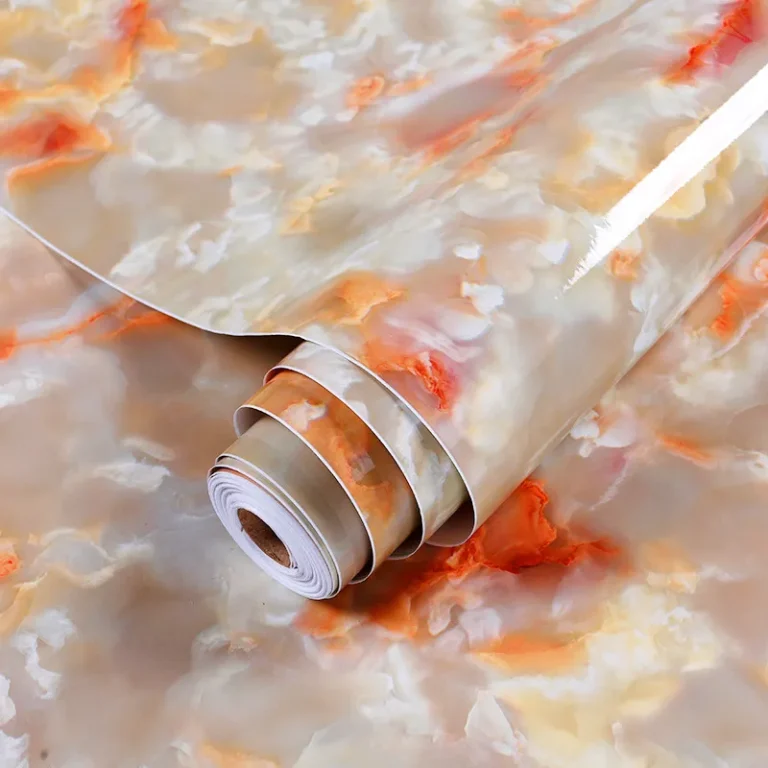
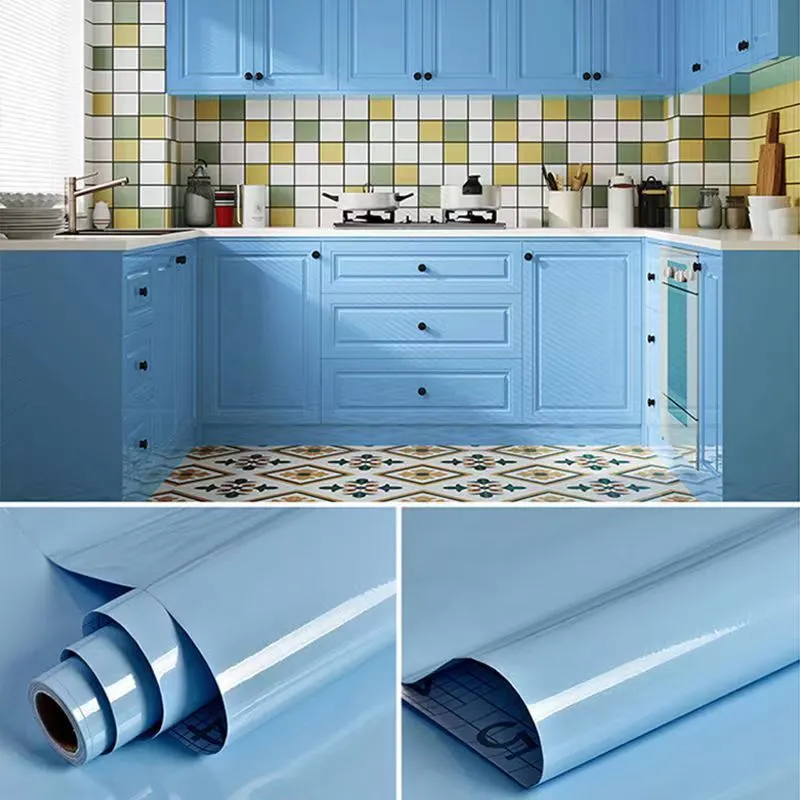
In interior design, the visual limitations of natural materials often create cost barriers. Multifunction PVC film bridges that gap. Whether it’s a floor film needing extreme wear resistance or a wood grain film accenting a wardrobe, the application is seamless. The embossed textures are so precise that they confuse even trained eyes, yet they resist stains and scratches far better than their natural counterparts.
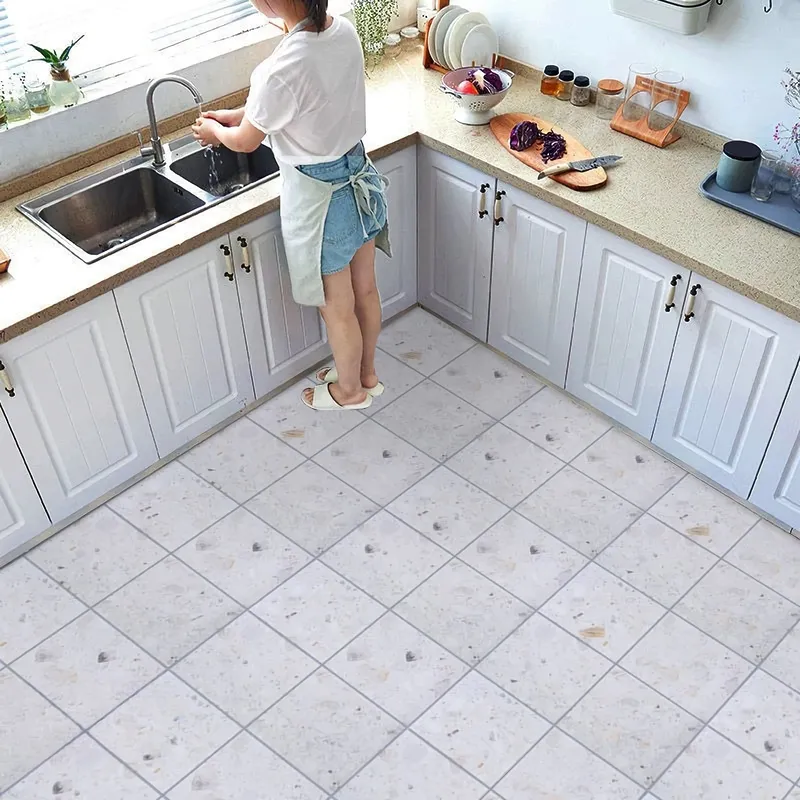
Kitchens and bathrooms present a distinct challenge due to constant humidity. Standard paints degrade, but PVC films act as a complete water barrier. Films designed for these environments often incorporate anti-fungal agents. The smooth, non-porous surface also simplifies cleaning—a crucial benefit for families and commercial kitchens alike.
Behind every durable sheet lies precise engineering. The calendering process subjects the polymer to intense heat and pressure, creating a uniform thickness essential for consistent performance. Suppliers like Henan Pulivk New Materials Co., Ltd. operate comprehensive in-house production lines that handle everything from raw material blending to final slit packaging. This closed-loop control is vital for maintaining the strict tolerances required in calendered film products, ensuring that every roll delivers identical optical clarity and mechanical strength.
The true value of a multifunction PVC film is revealed in its journey across industries. It is not a one-solution product but a customizable foundation.
In the electronics sector, anti-static variants protect sensitive microchips from discharge. In packaging, high-cling films secure goods without adhesives. Even the automotive industry relies on paint-protection films with exceptional Plastic Film Tear Resistance to guard against rock chips. This cross-industry utility underscores the “multifunctional” label, proving its worth far beyond simple lamination tasks.
Modern formulations are increasingly aligned with circular economy principles. By replacing heavy, resource-intensive materials, lightweight PVC films reduce transportation emissions. Furthermore, their durability translates to fewer replacements. Instead of tearing out old cabinets every few years, a fresh application of multifunction PVC film can restore a surface instantly, keeping bulky waste out of landfills and adhering to the goals of the PVC Circular Economy framework.
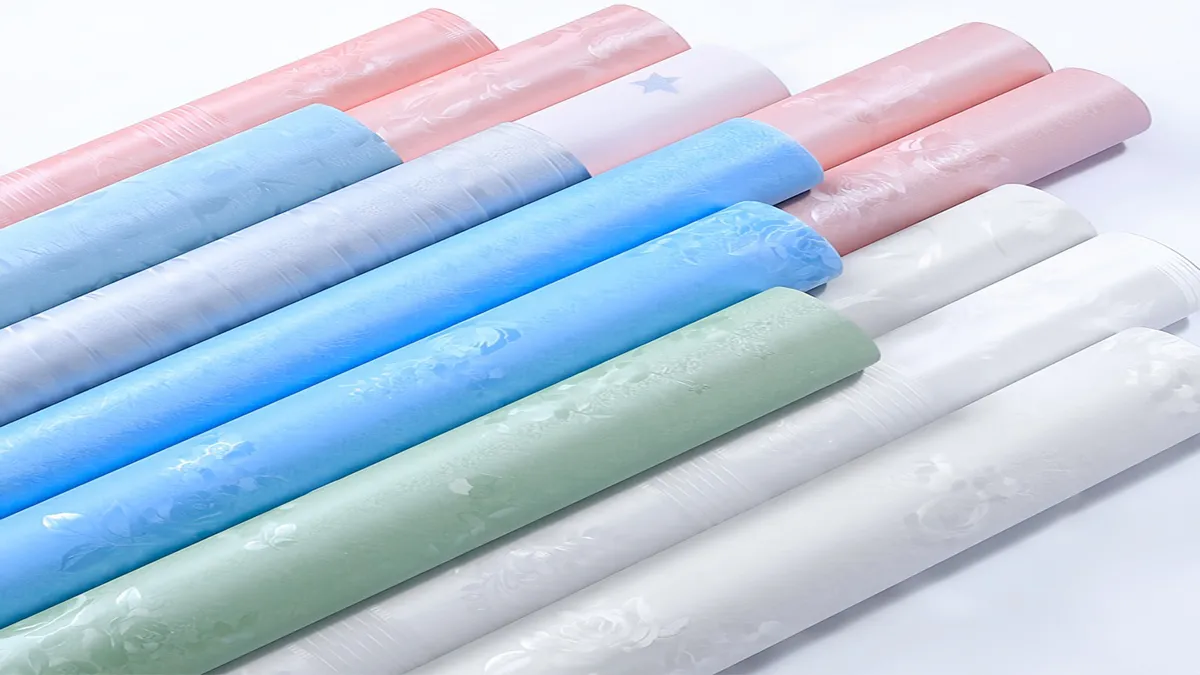
Proper adhesion is crucial for unlocking the full potential of these films. Surfaces must be clean and dry to facilitate a bond that meets Plastic Film Friction Testing expectations for laminate tops. Once applied, maintenance is straightforward: a soft cloth and neutral detergent are all that is needed. Avoid abrasive cleaners that could compromise the embossed texture, and the film will retain its structural and visual integrity for over a decade in interior settings.