Address
304 North Cardinal St.
Dorchester Center, MA 02124
Work Hours
Monday to Friday: 7AM - 7PM
Weekend: 10AM - 5PM
Address
304 North Cardinal St.
Dorchester Center, MA 02124
Work Hours
Monday to Friday: 7AM - 7PM
Weekend: 10AM - 5PM


 ByPulivk
In the world of surface decoration and material processing, the efficiency of your lamination line directly impacts product quality and profitability. Whether you are in furniture manufacturing, interior design, or construction, understanding the machinery behind the process is crucial. A high-performance máy dán film pvc (PVC film laminating machine) ensures a flawless finish on panels, profiles, and boards, transforming raw substrates into high-value aesthetic surfaces. This guide explores the features, benefits, and selection criteria for modern laminating technology, drawing on industry best practices and real-world manufacturing expertise.
At its core, a máy dán film pvc is a specialized piece of industrial equipment designed to bond calendered film or decorative PVC sheets onto flat or contoured substrates like MDF, plywood, and particleboard. Using a combination of precise temperature control, uniform pressure, and speed-adjusted roller systems, these machines melt adhesive layers—either pre-applied hotmelt glues on the film or liquid adhesives applied to the board—to create a permanent, durable bond. Modern models are essential for producing everything from wood grain film furniture surfaces to sleek, modern high-gloss wardrobes.
When evaluating a máy dán film pvc for your production line, the technical specifications determine the final output quality. A robust machine should integrate precision engineering with user-friendly controls. Below are the critical features to look for:
| Feature | Description | Benefit |
|---|---|---|
| Temperature & Speed Control | Digital PID controllers regulating heating rollers and conveyor belts in real-time. | Prevents film burning or de-lamination, ensuring a perfect gloss consistency. |
| Pneumatic Pressure Rollers | Silicone-coated rollers that distribute uniform pressure across the panel width. | Eliminates air bubbles and ensures edge-to-edge adhesion without peeling. |
| Unwinding & Rewinding System | Magnetic powder clutches or servo-controlled tension systems. | Automatic tension adjustments to prevent wrinkles and process thin decorative foils smoothly. |
| Substrate Cleaning Brush | Anti-static brushes and dust blowers at the feeding inlet. | Removes debris to prevent surface bumps and ensures a mirror-like finish. |
Investing in the right máy dán film pvc elevates your production capabilities beyond manual post-forming or basic wrapping. Here is how a dedicated machine adds value to your business:
Selecting the correct máy dán film pvc requires matching the equipment to your specific production volume and material specifications. Do not simply default to the cheapest option; rather, analyze your future growth trajectory.
First, define the substrate dimensions you typically process. If you specialize in wardrobe doors, you need a working width of at least 1250mm to 1500mm. Second, consider the film type. High-quality calendered PVC films often require more precise tension controls than cheaper extruded films to maintain dimensional stability. Finally, evaluate the adhesive technology. Some machines are optimized for EVA hotmelt glues, while others handle PUR adhesives for edge-banding and 3D membrane pressing. For businesses looking to diversify into new textures, it is wise to partner with manufacturers that also supply the raw materials, ensuring perfect compatibility between the film and the machinery.
A versatile machine is a gateway to multiple market segments. The table below highlights typical applications that rely on accurate lamination pressure and heat distribution:
| Application Sector | Film Material Used | Key Requirement |
|---|---|---|
| Furniture Panels | Wood grain, Solid color, High gloss | High scratch resistance & consistency |
| Interior Walls | Stone grain, 3D relief, Textile finishes | UV resistance & depth texture retention |
| Flooring Tiles | Wear-layer films, Anti-slip finishes | Extreme durability & elastic recovery |
| Skirting & Profiles | Flexible wrapping films | Shape memory & crack-proof bending |
Even the most advanced máy dán film pvc cannot compensate for poor-quality raw materials. The consistency of the film thickness, the clarity of the emboss, and the environmental stability of the plasticizers are critical. For instance, films that meet strict ASTM PVC Film Standard criteria ensure that your machine runs without jamming or tearing.
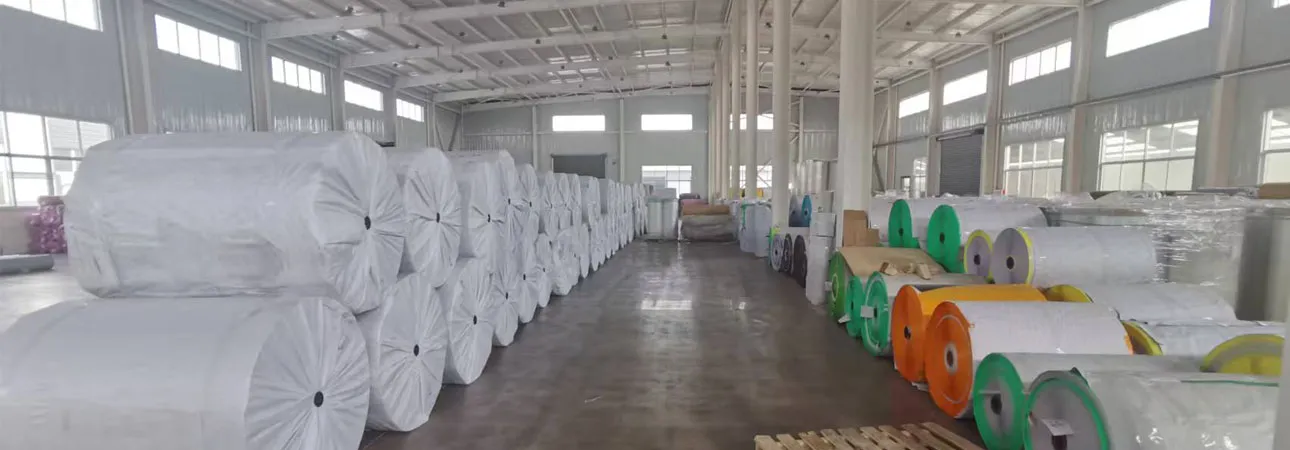
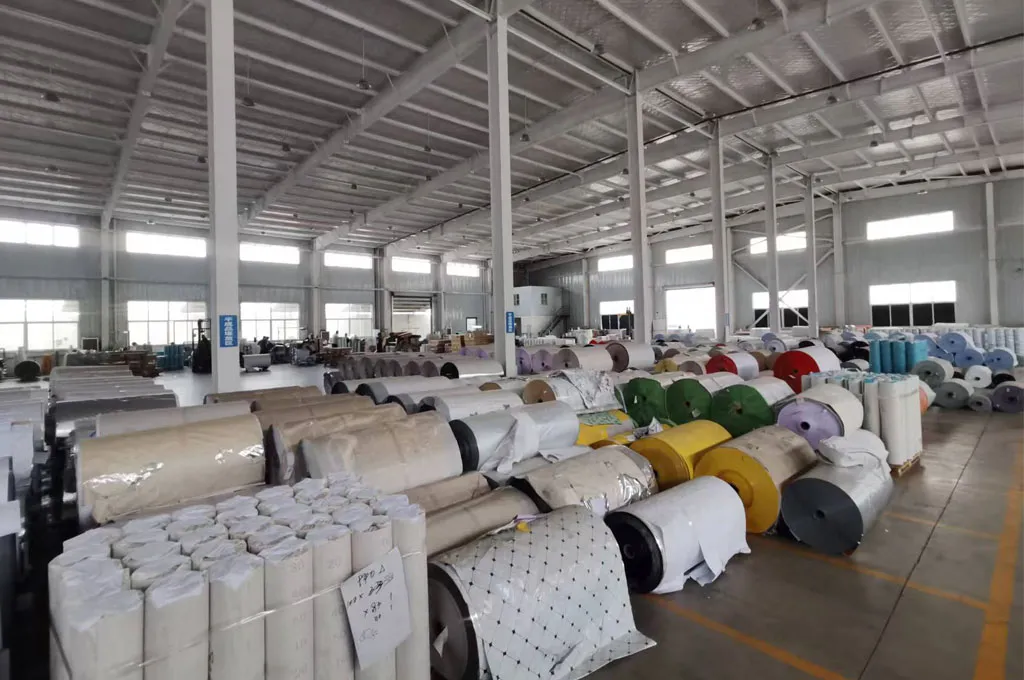
This is where a vertically integrated supplier becomes a strategic advantage. Henan Pulivk New Materials Co., Ltd. not only masters the production of decorative films—from transparent to super matte finishes—but also deeply understands the laminating process. Our factory is equipped with advanced calendering, printing, and split-packaging lines, ensuring that every roll of film fed into your machine guarantees stable quality, consistent tension release, and faster lead times right from the source.
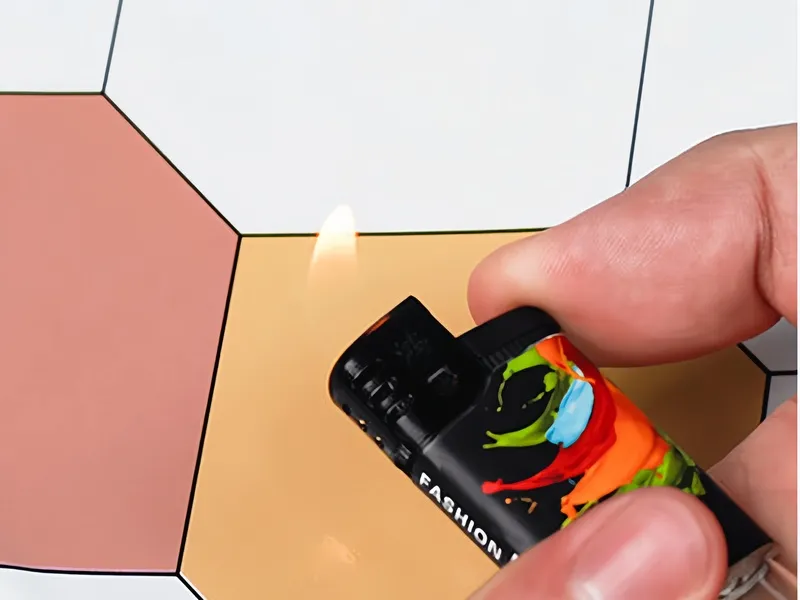
To maximize the lifespan of your máy dán film pvc and ensure consistent output, maintain a regular cleaning schedule for the silicone rollers and heating elements. Accumulated adhesives and plasticizer residues can cause defects and heat transfer inefficiencies. Furthermore, always store your decorative films in a cool, dry environment to prevent blocking—a phenomenon tested under ISO 11502 standards—which can disrupt the unwinding process and cause wrinkles during lamination.
Ultimately, the combination of a high-torque drive system and automatic edge alignment sensors reduces manual intervention and scrap rates. When integrated with inline pre-heating zones, the machine can process complex profiles without pre-treatment, opening doors to customized interior design projects and large-scale construction contracts.