Address
304 North Cardinal St.
Dorchester Center, MA 02124
Work Hours
Monday to Friday: 7AM - 7PM
Weekend: 10AM - 5PM
Address
304 North Cardinal St.
Dorchester Center, MA 02124
Work Hours
Monday to Friday: 7AM - 7PM
Weekend: 10AM - 5PM



 ByPulivk
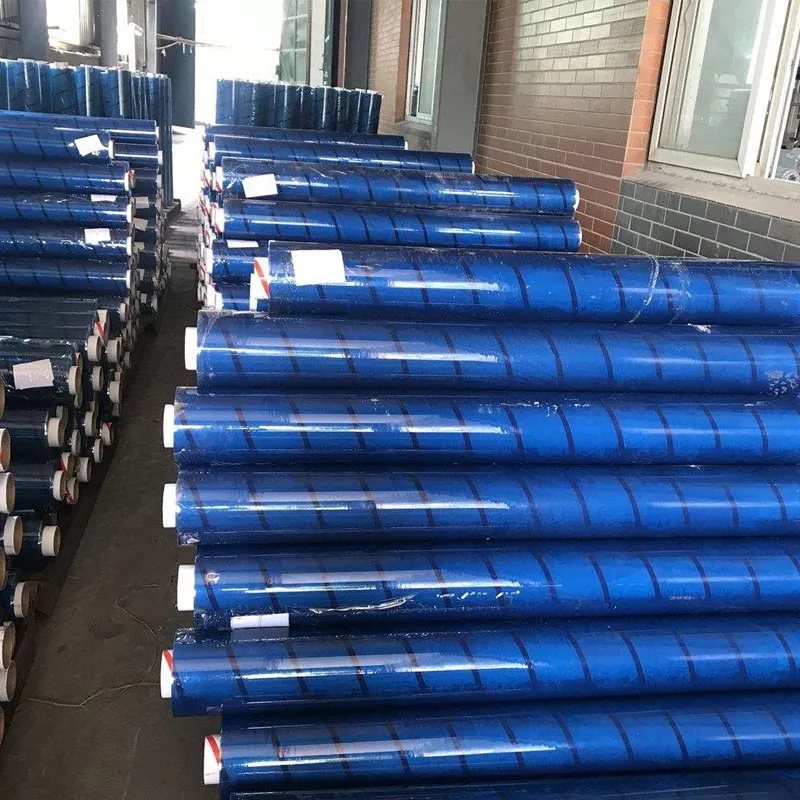
When searching for a versatile material that offers protection and decoration without leaving sticky residues, non adhesive pvc film is an exceptional solution. Unlike traditional stickers or tapes, this material relies on static cling or requires a separate adhesive application, making it incredibly user-friendly. It is widely used across industries, from surface protection during manufacturing to temporary decorative overlays in homes. Understanding its properties can help you choose the right type for your specific project.
At its core, non adhesive pvc film is a thermoplastic polymer sheet manufactured without a pre-applied glue layer. This distinguishes it from standard calendered film varieties that come with permanent or removable backing. The film can be formulated to be rigid or flexible, transparent or colored, and textured or smooth. It serves as a critical component in industries that require a temporary barrier that can be removed cleanly without chemical solvents. Manufacturers often produce these films through calendering or casting processes, ensuring precise thickness and consistent surface quality. For those interested in raw material sourcing, we recommend reviewing our floor film solutions, which utilize similar base compounds with high durability.
The versatility of non adhesive pvc film allows it to be used in environments ranging from construction sites to cleanrooms. It excels in scenarios where the surface needs to be shielded from dust, scratches, or paint overspray but requires effortless removal later. Here are the most common applications:
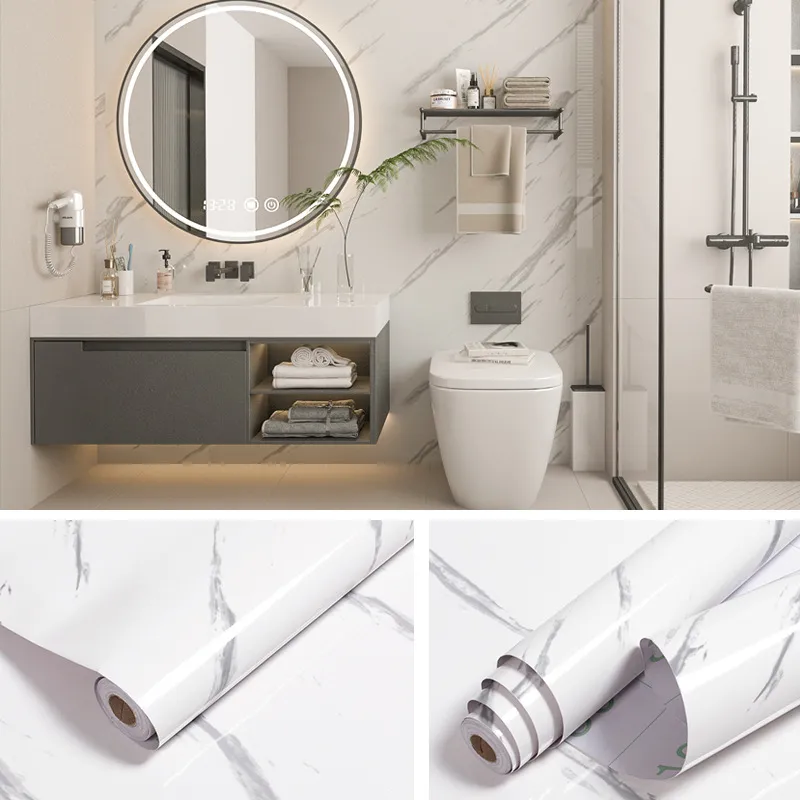
Switching to a non adhesive pvc film offers distinct operational and aesthetic advantages. The absence of a glue layer eliminates the off-gassing smell often associated with stickers, contributing to better indoor air quality. Compliance with standards like the EU PVC Chemical Restrictions ensures the material is safe for enclosed spaces. Below is a breakdown of the primary benefits:
Not all films are created equal. When sourcing non adhesive pvc film, you must look beyond the price and examine the physical properties. A premium product will maintain its shape without curling at the edges and will not shrink significantly under heat. Reliable manufacturers, such as Henan Pulivk New Materials Co., Ltd., conduct rigorous testing aligned with international standards. Refer to the table below for critical parameters to verify:
| Property | Relevant Standard | Ideal Outcome |
|---|---|---|
| Tensile Strength | ISO Film Tensile Testing | High elongation without tearing |
| Thickness Consistency | Plastic Film Thickness Testing | ±5% tolerance across the roll |
| Thermal Stability | PVC Film Dimensional Stability | Minimal shrinkage under 80°C |
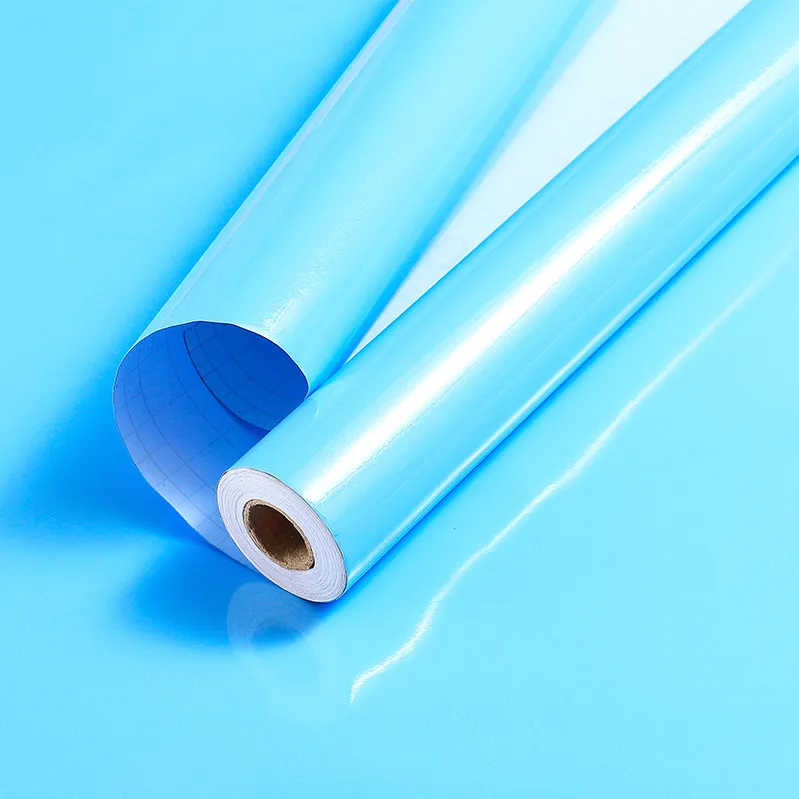
Working with a non adhesive pvc film is significantly easier than dealing with glued products, but achieving a bubble-free finish still requires proper technique. The surface preparation is crucial; the target area must be completely free of oil and dust. Use a spray bottle with a mild soapy water solution to temporarily float the film into position, which prevents premature sticking. Here is a quick guide:
When procuring non adhesive pvc film, the supply chain flexibility is just as important as the product itself. You might need a specific embossing depth, color matching to a brand palette, or a unique width for PVC skirting film applications. Always request physical samples before committing to a bulk order. Check the minimum order quantity (MOQ) and lead times, especially if you require custom color matching. Also, verify that the film meets relevant regulatory requirements, such as the PVC Plasticizers and Phthalates restrictions if used near food. Reputable suppliers will provide full transparency on material formulations and can tailor products to specific needs, whether it’s a soft-touch matte finish or a high-gloss transparent layer.
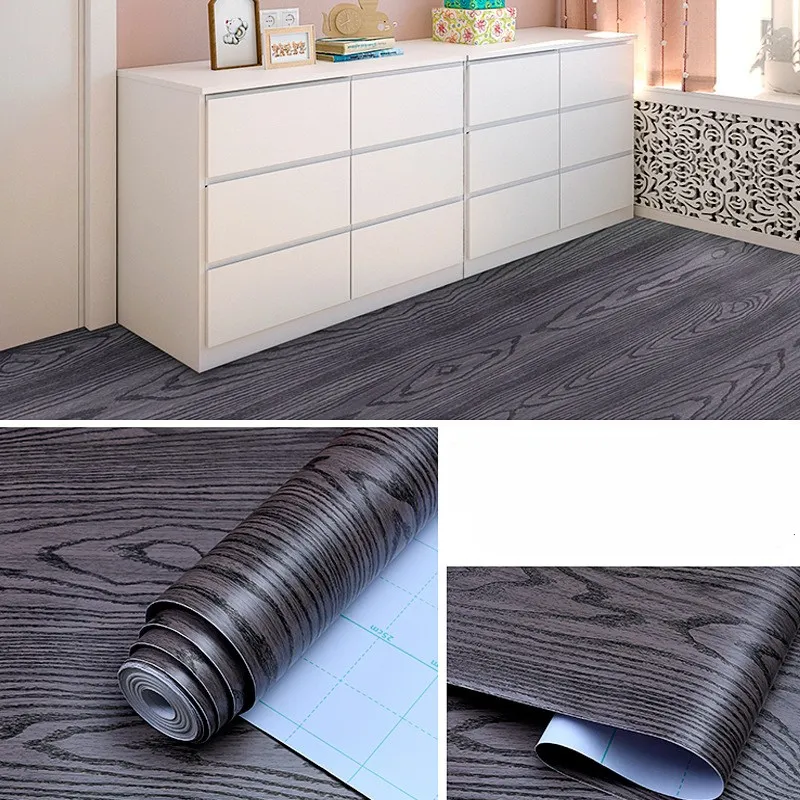
Ensuring your supplier adheres to rigorous testing protocols is non-negotiable. Whether you are buying for electronic protection or interior lamination, the physical durability of the film determines its usability. Standards like Plastic Film Impact Resistance and ISO Film Tear Resistance certify that the material can withstand mechanical stress during application and daily use. A film with excellent blocking resistance will also unroll smoothly without layers sticking together, a common frustration in high-humidity environments.
The modern market demands that non adhesive pvc film products align with green building standards. The fact that these films are reusable inherently reduces plastic waste. Furthermore, advancements in polymer science now allow for phthalate-free plasticizers, making the films safer for homes with children and pets. The industry’s shift toward the PVC Lifecycle management means that off-cuts and end-of-life films are increasingly being recycled back into new products, reducing the carbon footprint of your project.
While self-adhesive films offer instant grab, they often fail in high-temperature environments where the glue can ooze or dry out. Non adhesive pvc film maintains its integrity regardless of temperature fluctuations because there is no chemical adhesive to degrade. It is the superior choice for window graphics exposed to direct sunlight or for protecting sensitive equipment during shipping. The initial application might be slightly more involved, but the long-term benefits of residue-free removal and reusability make it the clear winner for premium projects.