Address
304 North Cardinal St.
Dorchester Center, MA 02124
Work Hours
Monday to Friday: 7AM - 7PM
Weekend: 10AM - 5PM
Address
304 North Cardinal St.
Dorchester Center, MA 02124
Work Hours
Monday to Friday: 7AM - 7PM
Weekend: 10AM - 5PM


 ByPulivk
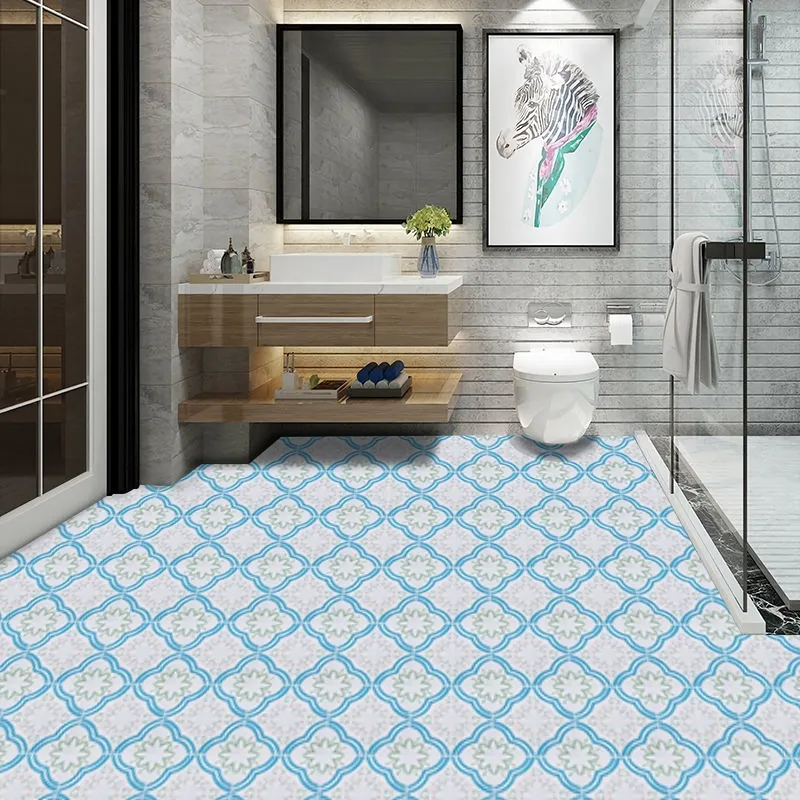
PVC casting film is a high-performance plastic film produced through a solvent-based or plastisol casting process, where liquid PVC resin is spread onto a carrier web or casting drum and then heated to form a solid, flexible sheet. Unlike PVC calendered film, which is mechanically rolled under heat and pressure, casting film offers superior clarity, excellent gauge uniformity, and ultra-smooth surface finish. This makes it the preferred choice for demanding applications across industries ranging from medical devices to automotive interiors.
The global demand for high-quality pvc casting film continues to grow as manufacturers seek materials that combine durability, versatility, and aesthetic appeal. Whether you are sourcing for furniture lamination, wall decoration, or industrial protective layers, understanding the types and selection criteria is essential for making informed procurement decisions.
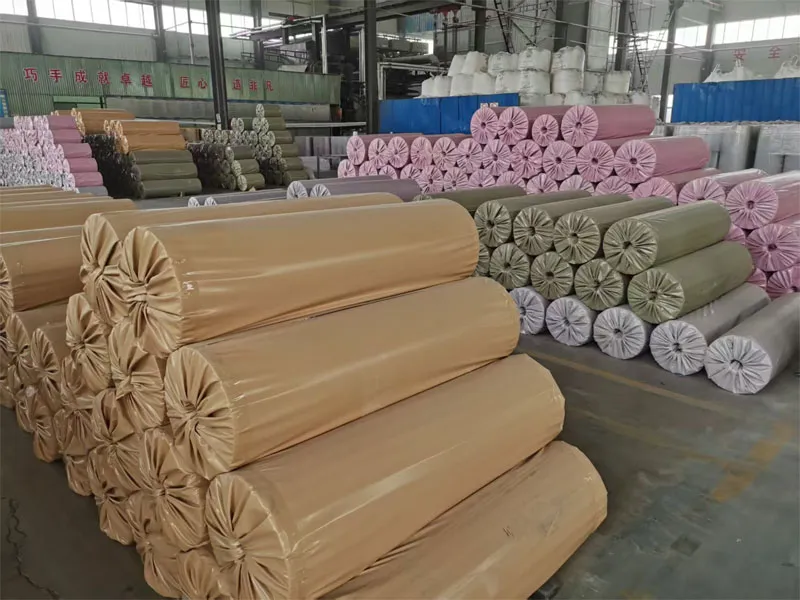
Different manufacturing requirements call for specific formulations and surface characteristics. Below is a breakdown of the most common types of pvc casting film available in the market today.
| Film Type | Key Characteristics | Typical Applications |
|---|---|---|
| Clear Transparent Film | High optical clarity, low haze, excellent light transmission | Medical packaging, protective overlays, window laminates |
| Frosted & Matte Film | Reduced glare, soft-touch feel, fingerprint resistance | Furniture surfaces, electronic device skins, interior décor |
| Embossed Texture Film | 3D surface patterns, leather or fabric grain replication | Automotive dashboards, wall panels, wardrobe film |
| Pearlescent & Metallic Film | Shimmering visual effect, light-reflective surface | Luxury packaging, promotional displays, cosmetic branding |
| Anti-Static & ESD Film | Static dissipation, dust repellence, safe for electronics | Cleanroom environments, electronics manufacturing, server rooms |
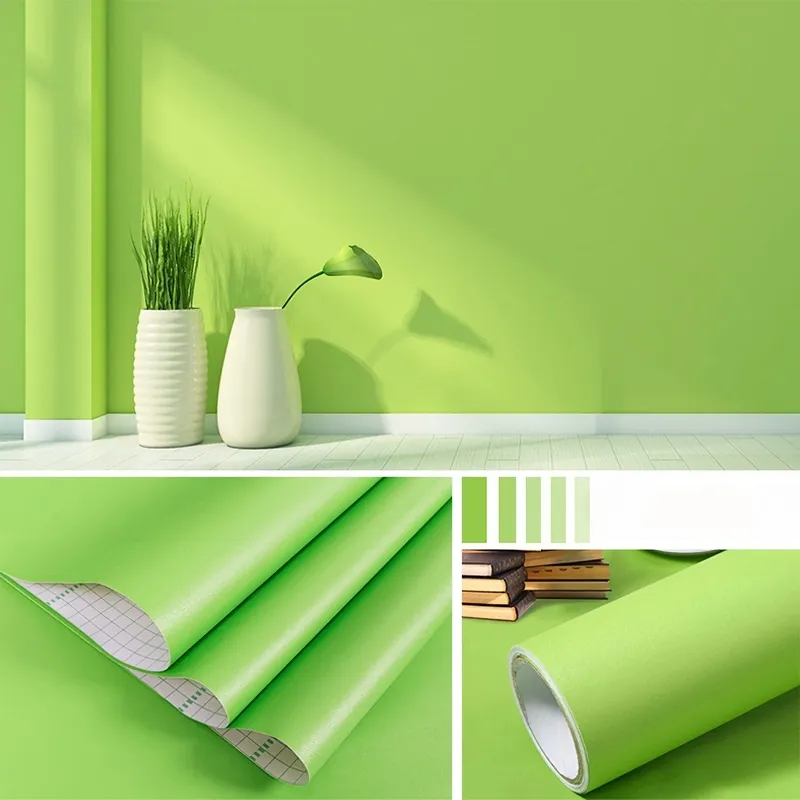
| Self-Adhesive Casting Film | Pressure-sensitive backing, easy peel-and-stick installation | DIY home renovation, floor film applications, wall stickers |
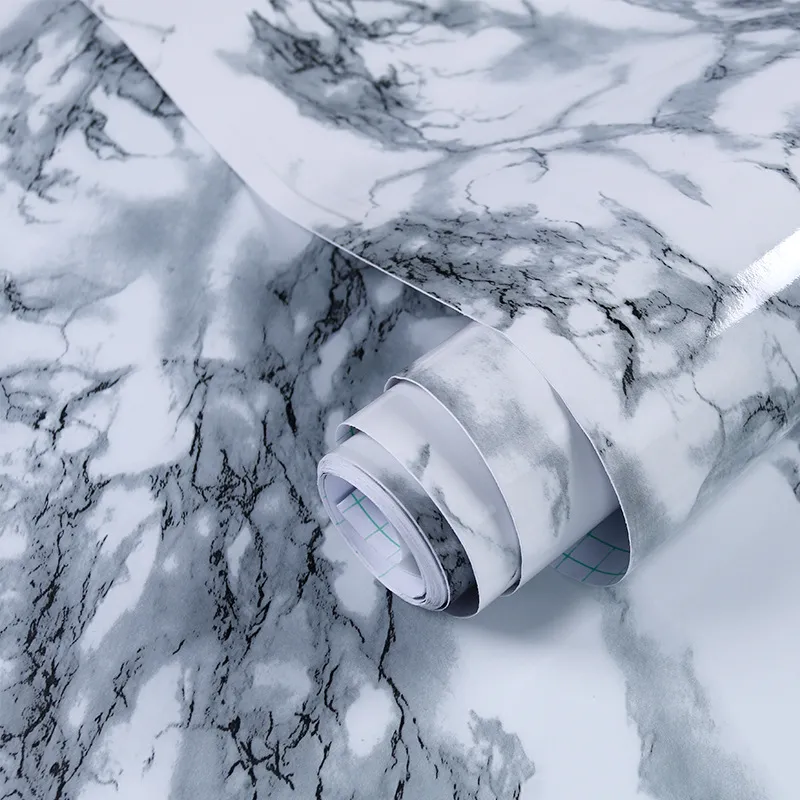
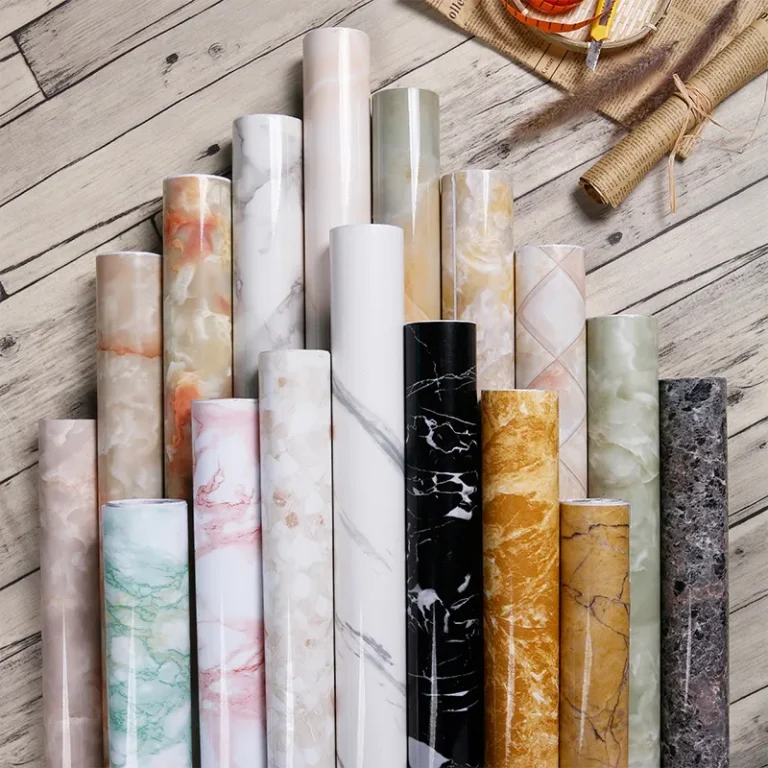
The versatility of pvc casting film enables its use in an extensive array of sectors. Its ability to replicate natural materials like marble film or wood grain film at a fraction of the cost makes it indispensable in modern manufacturing.
Decorative casting films are widely used for surface lamination on MDF, particleboard, and plywood. They provide realistic wood grain, fabric, and stone textures for tables, cabinets, doors, and shelving units, offering both aesthetic appeal and surface protection.
In the construction sector, PVC casting films serve as wall coverings, ceiling panels, partition films, and decorative laminates. Their moisture resistance and durability make them suitable for both residential and commercial interiors.
Premium embossed casting films are used on dashboards, door panels, and seat backs. They deliver a leather-like appearance with enhanced scratch resistance and UV stability, meeting stringent automotive industry standards.
High-clarity and antibacterial formulations are employed in medical device packaging, cleanroom curtains, and protective barriers. These films meet regulatory requirements for hygiene and chemical resistance.
Anti-static casting films protect sensitive electronic components during manufacturing and transport. Brushed metal and glossy finishes are also applied to appliance panels for a premium look.
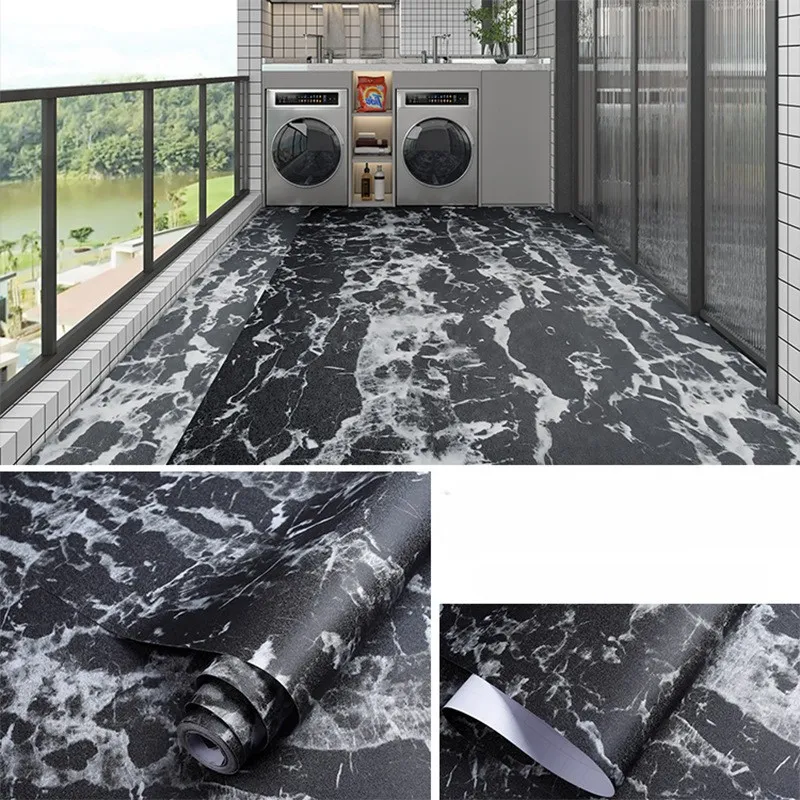
When compared to alternative materials like PET, PP, or laminated papers, pvc casting film delivers a unique combination of performance advantages that justify its widespread adoption.
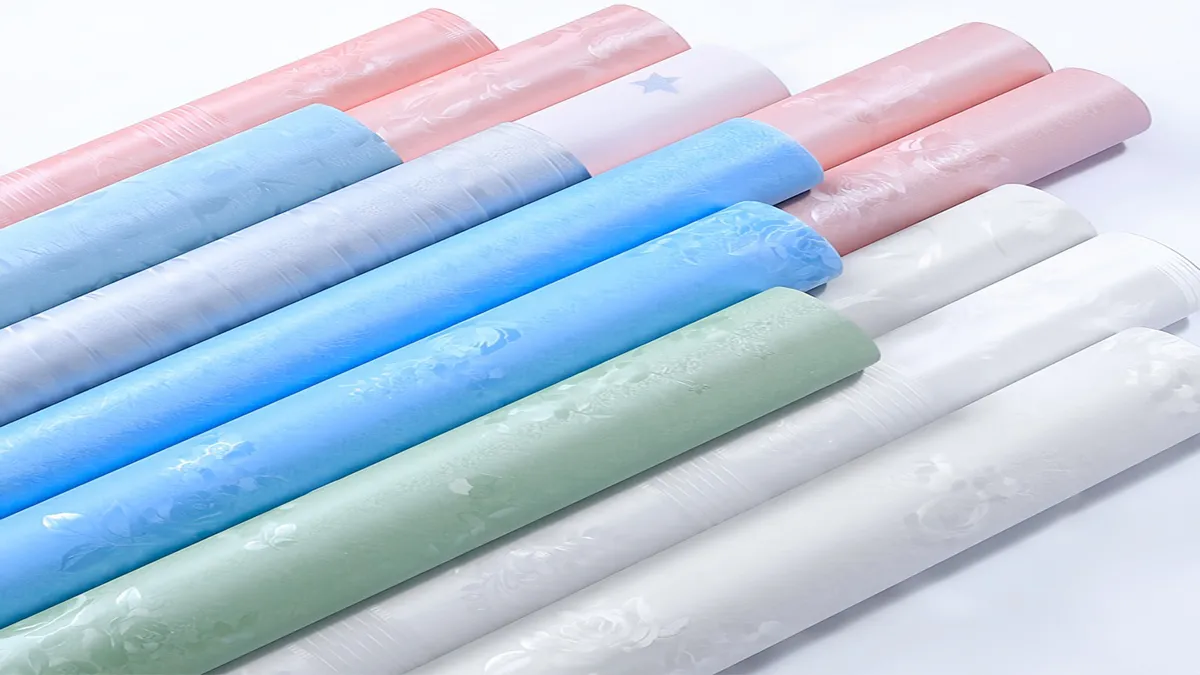
Selecting the optimal pvc casting film for your project requires careful evaluation of several critical factors. A methodical approach ensures compatibility, performance, and long-term satisfaction.
Identify where and how the film will be used. Indoor furniture applications prioritize aesthetics and scratch resistance, while outdoor signage demands UV stabilization and weather durability. Medical settings require antibacterial properties and chemical resistance. Matching the film grade to the environment prevents premature failure.
Different substrates such as MDF, plywood, glass, metal, or plastic require specific adhesive systems and surface energy characteristics. Verify that the film bonds reliably to your target substrate under your processing conditions, whether using cold lamination or thermal pressing methods.
Film thickness directly affects durability, handling, and cost. Typical casting films range from 0.03 mm to 0.50 mm. Thicker films offer better wear resistance but may be more challenging to apply on intricate profiles. Ensure the roll width matches your laminating equipment to minimize waste.
Determine the desired gloss level, texture, and tactile feel. High-gloss films create a reflective, premium appearance, while matte and frosted finishes hide fingerprints and scratches better. Embossed textures add depth and realism but may require specific lamination parameters.
For products destined for international markets, confirm that the film meets relevant standards such as RoHS, REACH, and phthalate-free requirements. Medical and food-contact applications have additional regulatory frameworks that must be satisfied.
Before committing to bulk orders, always obtain samples for physical testing. Evaluate adhesion strength, color accuracy, texture fidelity, and processability under your actual production conditions. This step significantly reduces procurement risk.
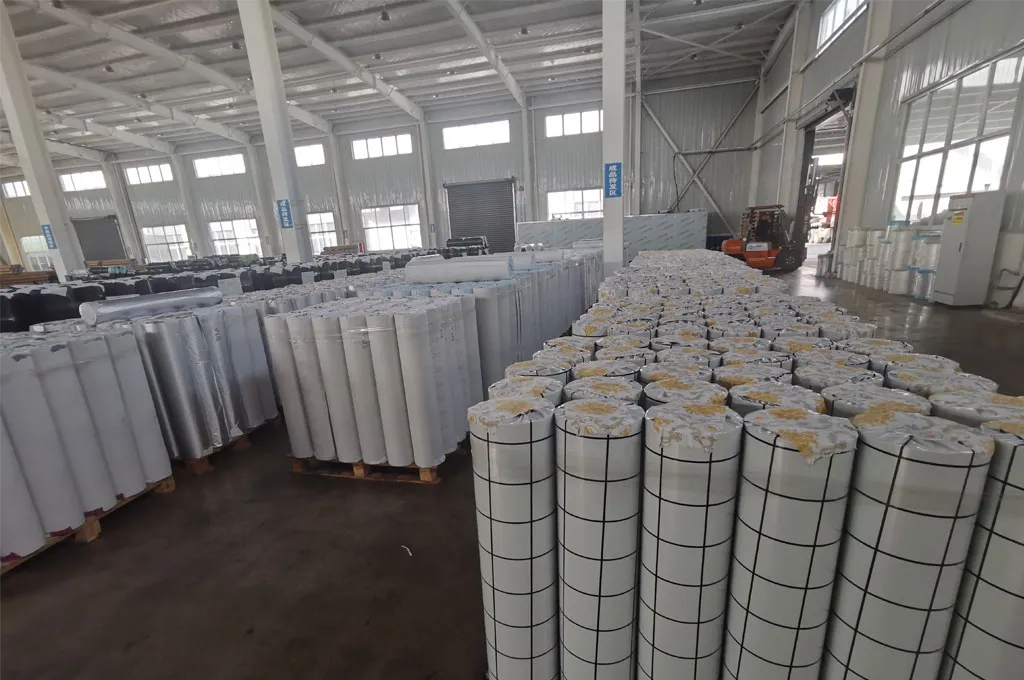
Reliable suppliers adhere to internationally recognized testing protocols to validate film performance. Key standards include those developed by ASTM and ISO for mechanical, optical, and thermal properties. The table below summarizes several important test methods relevant to pvc casting film evaluation.
| Standard | Test Focus | Relevance |
|---|---|---|
| ASTM D882 | Tensile properties of thin plastic sheeting | Measures strength and elongation |
| ASTM D1003 | Haze and luminous transmittance | Critical for transparent film quality |
| ASTM D1004 | Tear resistance of plastic film | Indicates durability during handling |
| ASTM D2457 | Specular gloss of plastic films | Quantifies surface appearance |
| ISO 527-3 | Tensile properties of films and sheets | International mechanical testing |
| ISO 4593 | Thickness measurement of plastic film | Ensures gauge consistency |
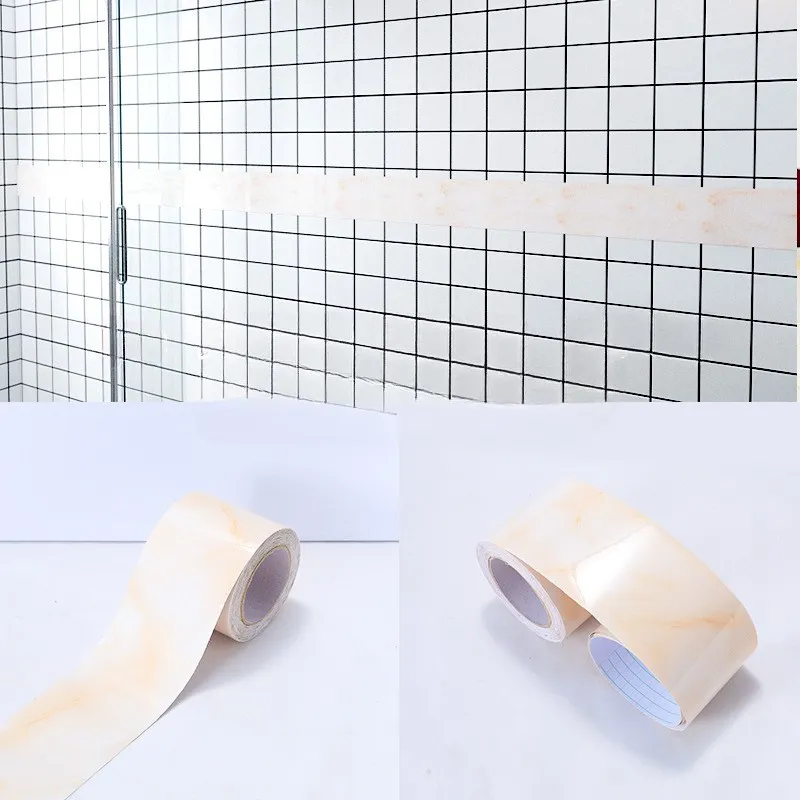
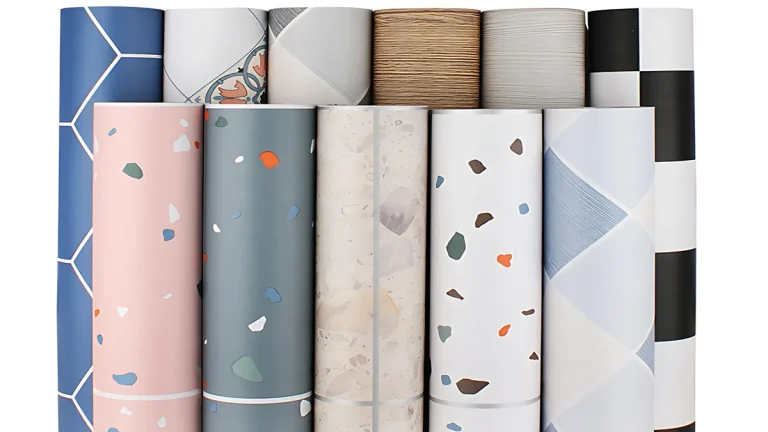
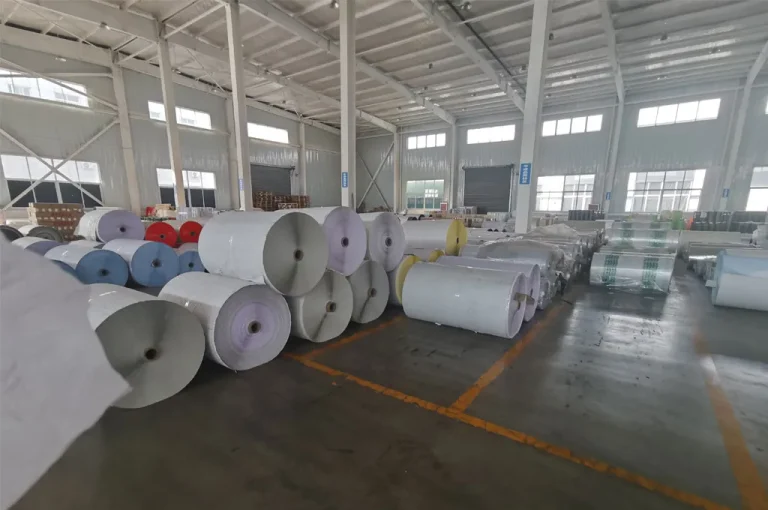
Partnering with an experienced producer ensures consistent quality, flexible customization, and dependable delivery. Henan Pulivk New Materials Co., Ltd. operates fully integrated calendering, printing, and split-packaging production lines, enabling complete in-house quality control from raw material processing to finished packaging. With years of export experience serving markets across Southeast Asia, the Middle East, and Europe, the company offers a comprehensive range of decorative films including wood grain, marble, glossy, matte, and embossed textures tailored to furniture, construction, and industrial applications.
When selecting a pvc casting film supplier, evaluate their production capacity, quality certifications, customization capabilities, and after-sales technical support. A factory-direct partnership often yields better pricing, faster lead times, and more responsive communication compared to trading intermediaries.
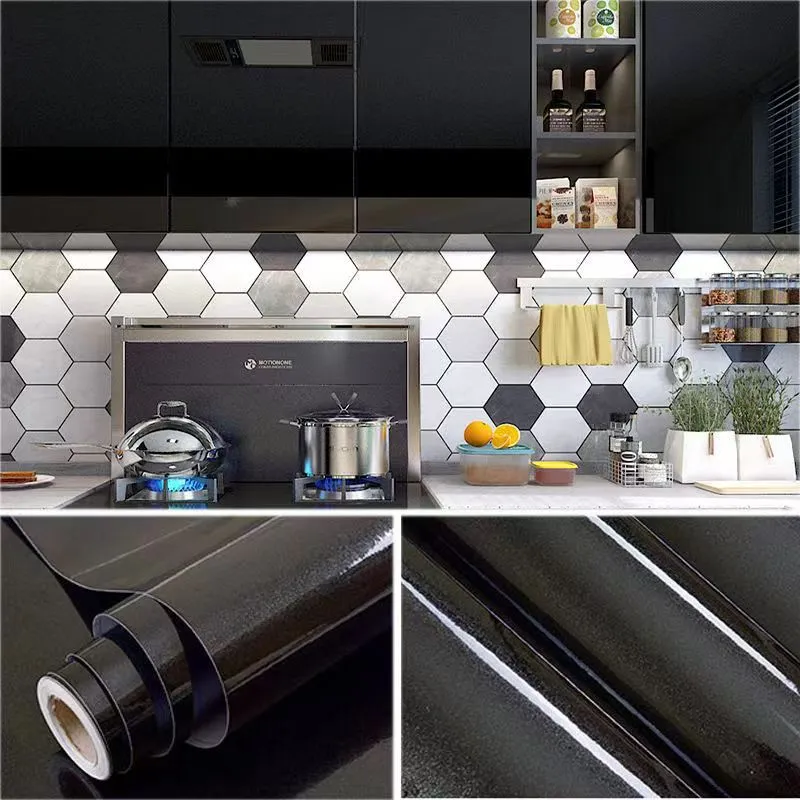
Casting film is produced by spreading liquid PVC onto a carrier and heating it, resulting in lower internal stress, better clarity, and more uniform thickness. Calendered film is mechanically processed through heated rollers, which is more cost-effective for high-volume production but may have slightly less optical quality. Both have their place depending on application requirements.
Yes, when properly formulated with UV inhibitors and stabilizers, PVC casting film can withstand outdoor exposure. However, specific outdoor-grade formulations should be specified to ensure resistance against yellowing, embrittlement, and gloss degradation over time.
For flat panel furniture surfaces, thicknesses between 0.10 mm and 0.25 mm are commonly used. Thicker films in the 0.30 mm to 0.50 mm range may be preferred for high-wear surfaces or deep embossing patterns that require additional material depth.
Store rolls in a cool, dry environment away from direct sunlight and heat sources. Maintain original packaging until use, and keep rolls horizontally supported to prevent deformation. Ideal storage temperature is between 15°C and 30°C with moderate humidity levels.
Absolutely. Many manufacturers now offer lead-free, phthalate-free, and low-VOC formulations that comply with RoHS, REACH, and other international environmental standards. Specify your sustainability requirements during the inquiry stage to receive compliant product recommendations.