Address
304 North Cardinal St.
Dorchester Center, MA 02124
Work Hours
Monday to Friday: 7AM - 7PM
Weekend: 10AM - 5PM
Address
304 North Cardinal St.
Dorchester Center, MA 02124
Work Hours
Monday to Friday: 7AM - 7PM
Weekend: 10AM - 5PM


 ByPulivk
From modern home renovations to high-traffic commercial design, PVC decorative film material has emerged as a go-to surface solution. This engineered thermoplastic film replicates the aesthetics of wood, stone, and metal while offering unmatched durability and moisture resistance. Whether you are a furniture manufacturer, interior designer, or a DIY homeowner, understanding the full scope of this material is key to maximizing project value.
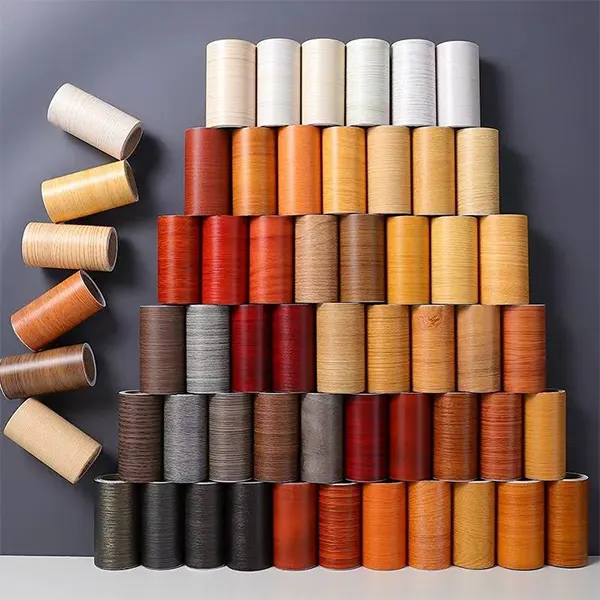
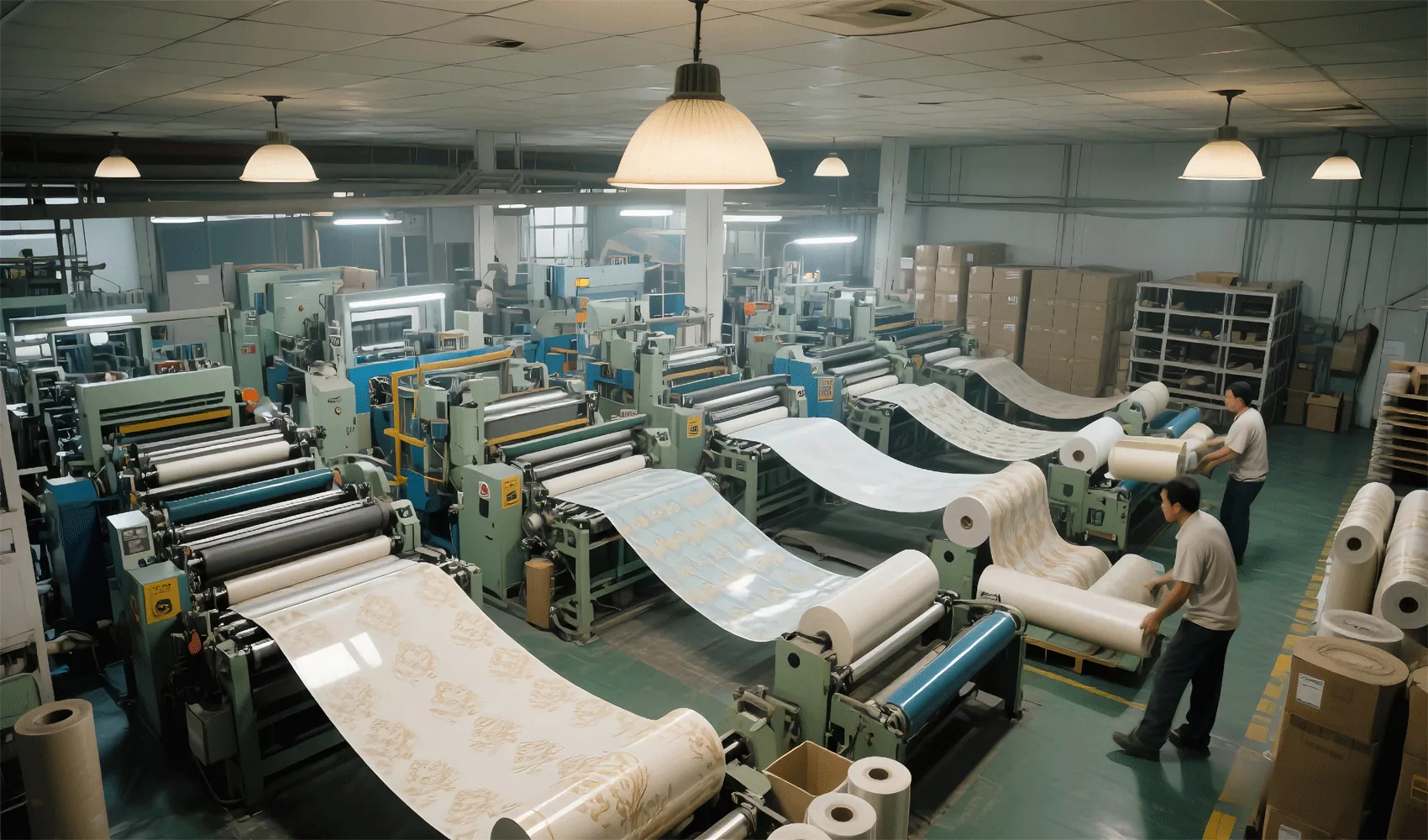
The core of modern surfacing lies in polyvinyl chloride technology. A PVC decorative film material is a multi-layer thermoplastic sheet manufactured primarily through calendering or casting processes. Pigments, plasticizers, and UV stabilizers are blended into the resin to achieve specific colors, textures, and performance characteristics. Unlike traditional laminates or veneers, these films are thin—typically ranging from 0.03 mm to 0.50 mm—yet exceptionally resistant to scratches and chemicals. The production relies heavily on precise gauge control, often validated by Plastic Film Thickness Testing methods to ensure uniformity.
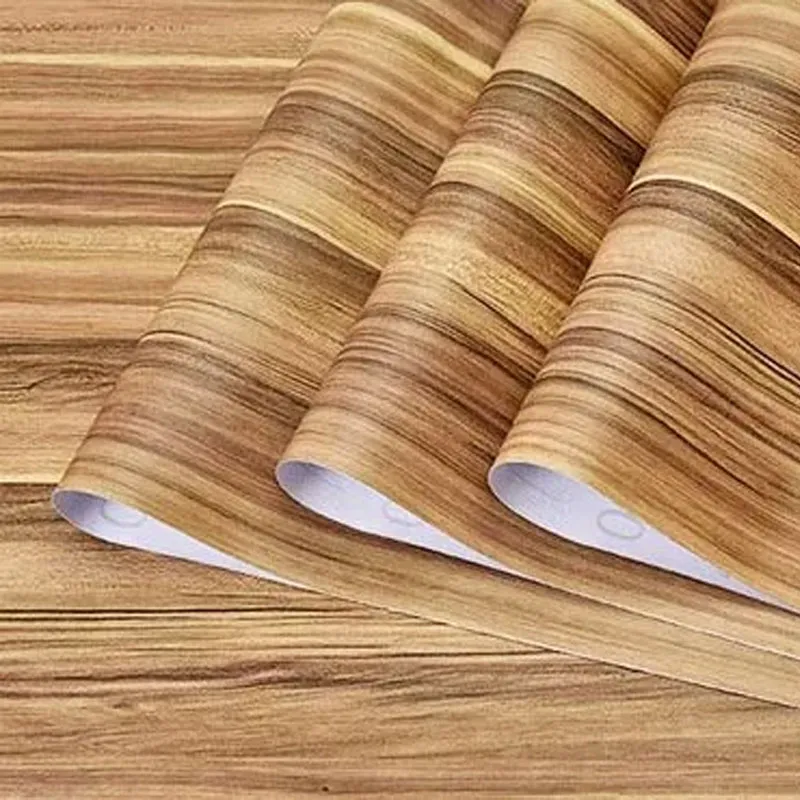
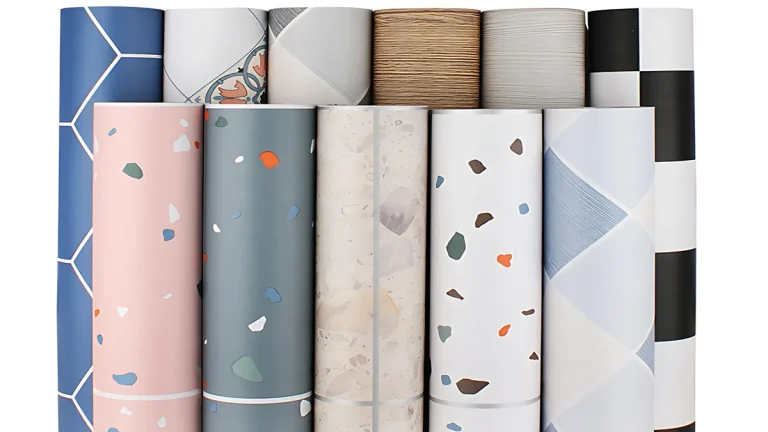
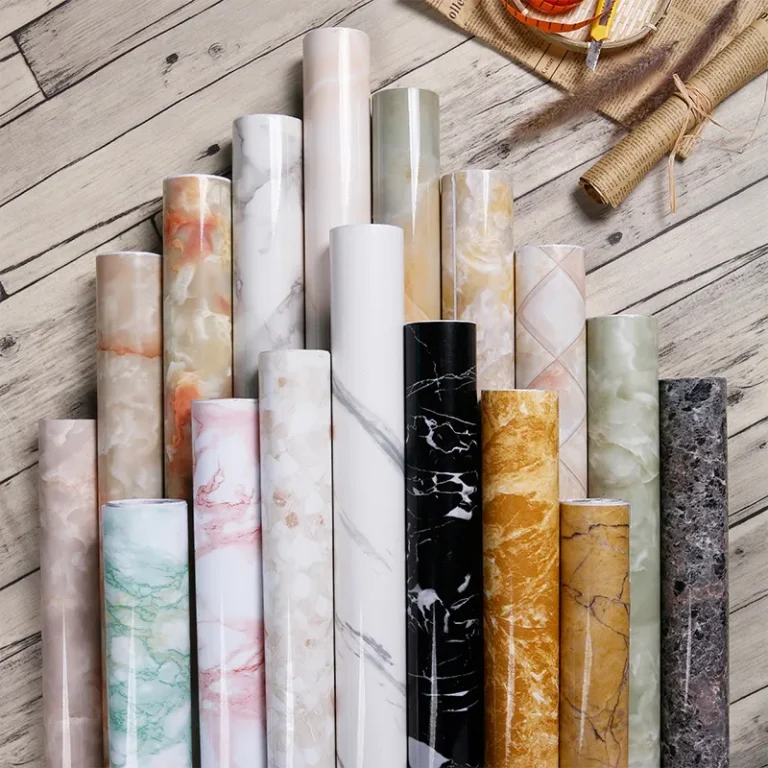
Not all PVC films perform the same way. Selecting the right PVC decorative film material requires matching the substrate and the application environment. The market generally categorizes these films by surface finish, texture, and functional additives.
| Type | Visual Effect | Typical Application |
|---|---|---|
| Wood Grain Film | Realistic oak, walnut, teak textures | Furniture, doors, interior panels |
| Glossy Wardrobe Film | High-shine, piano-lacquer finish | Wardrobes, kitchen cabinets, displays |
| Marble Film | Statuario, Carrara, and Calacatta patterns | Walls, columns, bathroom vanities |
| Solid Color Film | Matte or semi-gloss uniform color | Appliance panels, partition systems |
| 3D Silk Texture Film | Embossed fabric-like depth and sheen | Luxury decor panels, headboards |
| Brushed Metal Film | Stainless steel, copper, or aluminum look | Elevator interiors, electronic housings |
Why are factories and homeowners moving away from traditional materials? The advantages of PVC decorative film material are rooted in both engineering and economics.
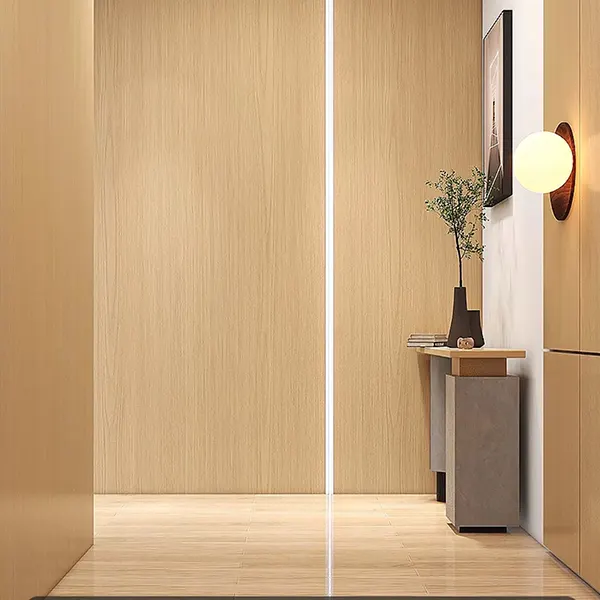
The film delivers the visual warmth of real wood or the opulence of natural stone at a fraction of the price. With Wood Grain Film, you achieve consistent grain patterns impossible to find in natural timber, eliminating waste from knots or sapwood.
These films resist moisture ingress, making them superior for humid environments like kitchens and bathrooms. They will not warp or delaminate when properly applied. Manufacturers often test materials against standards for PVC Film Dimensional Stability to guarantee long-term flatness on MDF and particleboard substrates.
Thin-gauge calendered material allows for high yield per roll. Vacuum lamination and wrapping are straightforward high-speed processes. The material conforms to complex profile shapes, reducing labor compared to manual painting or veneer layup.
Modern production lines utilize lead-free and phthalate-free formulations. The industry’s commitment to reducing environmental impact is reflected in comprehensive PVC Life Cycle Assessment data, which tracks energy recovery and recycling potential.
The penetration of PVC decorative film material spans residential, commercial, and industrial sectors. It has become indispensable in modern interior fit-outs.
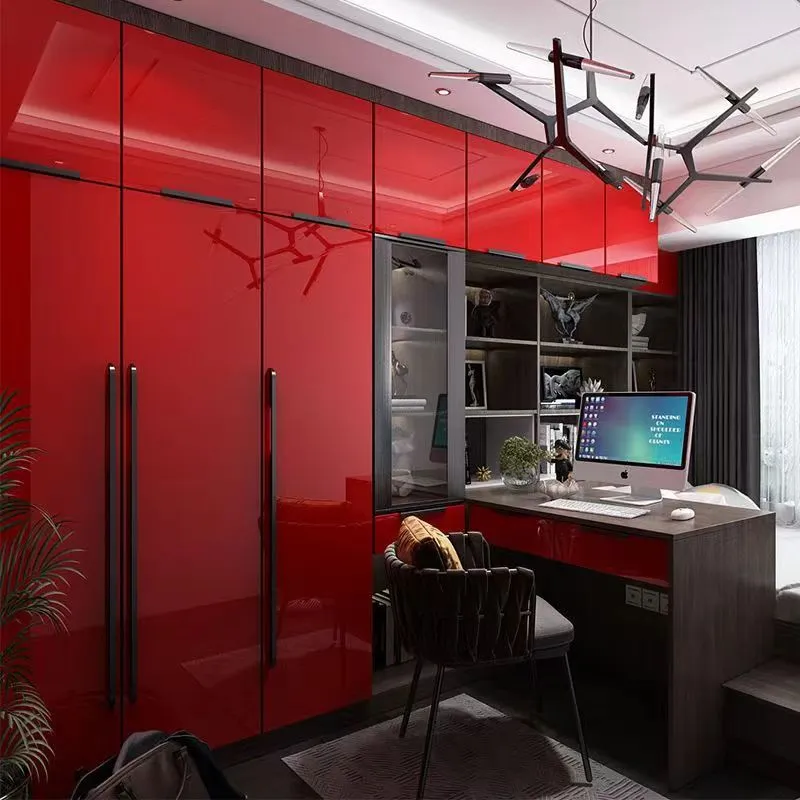
When searching for reliable PVC decorative film material, procurement managers should look beyond price per square meter. A strategic buying approach evaluates technical specs, supplier capability, and compliance.
Request technical data sheets that cite tensile strength parameters. The Plastic Film Tensile Testing standard ASTM D882 is a critical benchmark for evaluating elongation and break resistance. Confirm thickness tolerance with gauge measurements to avoid weak spots.
High-end PVC decorative film material uses rotogravure or digital printing with precise embossing synchronization. The texture should align perfectly with the printed wood knot or stone vein, a process known as registered emboss.
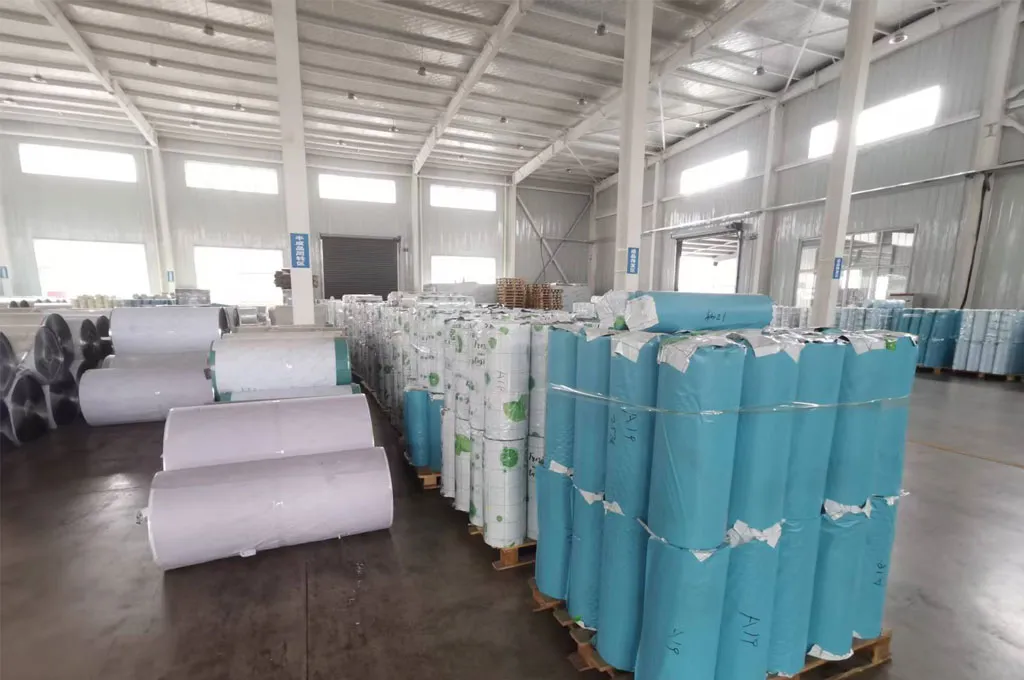
A qualified factory should offer comprehensive in-house calendering, printing, and slitting. For example, Henan Pulivk New Materials Co., Ltd. handles the full chain from raw material mixing to final split packaging, providing stable lead times and source-level cost control for international buyers.
Ensure the supplier can provide REACH and RoHS certificates for heavy metals and phthalates. Products intended for interior spaces must be tested for VOC emissions to maintain indoor air quality.
| Feature | PVC Film | Natural Wood Veneer | High-Pressure Laminate |
|---|---|---|---|
| Cost | Low to medium | Medium to high | Medium |
| Moisture Resistance | Excellent | Poor (warping risk) | Good |
| Design Consistency | Uniform, engineered | Natural variation | Printed patterns |
| Processability | High flexibility, wrapping | Requires careful sanding | Rigid, flat applications |
| Edge Finish | Seamless wrapping | Visible seams | Requires edge banding |
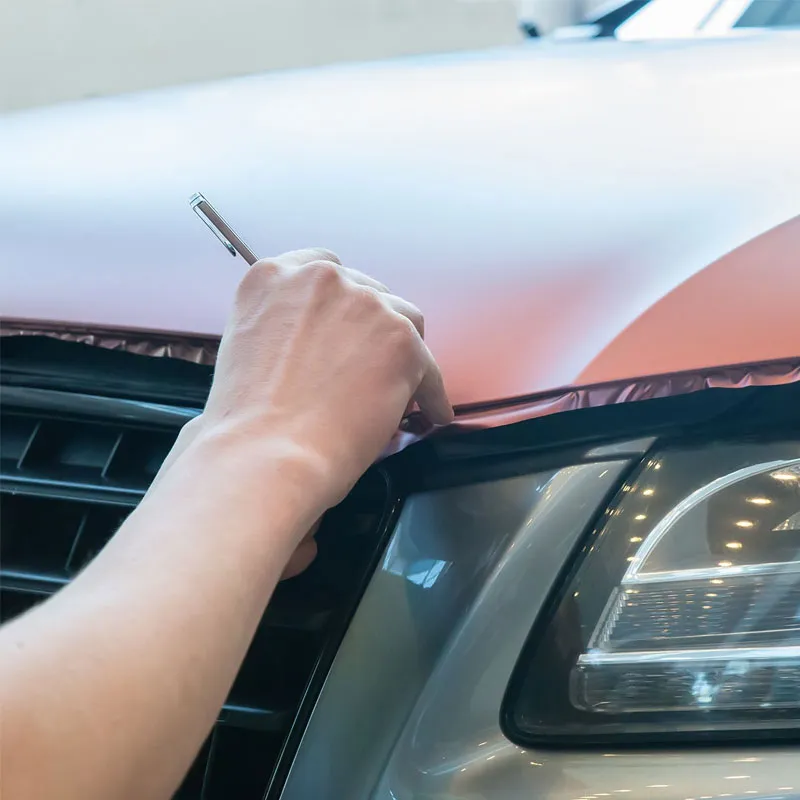
Proper handling of PVC decorative film material ensures bubble-free adhesion and a flawless appearance.
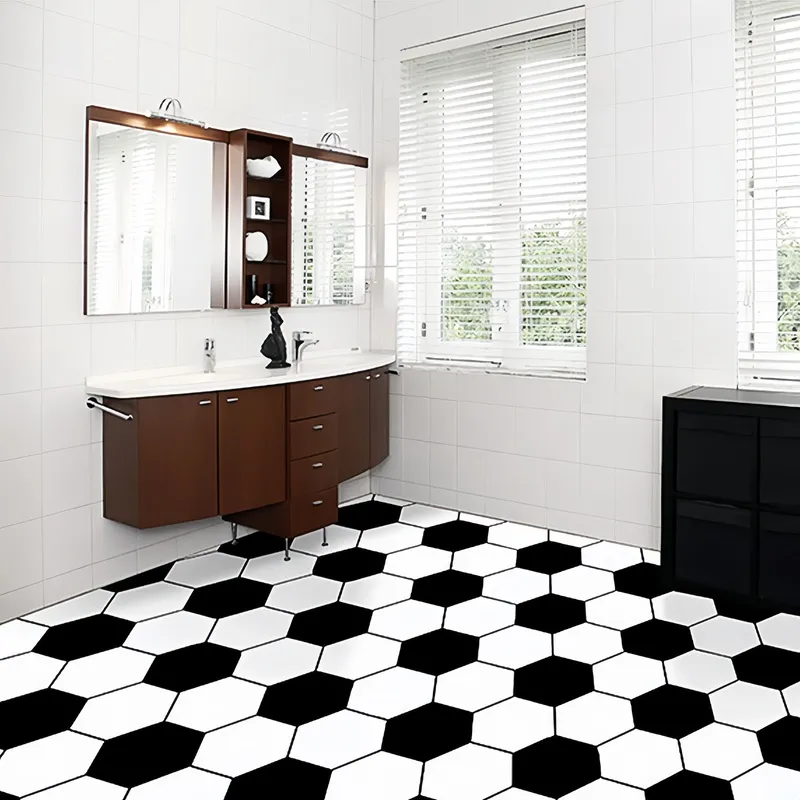
Replicating premium surfaces is not just about visuals; it is about engineering integrity. Leading manufacturers benchmark their PVC decorative film material against international classification systems. The Plastic Film Classification standard helps define cell parameters and intended use groups. These specifications help commercial project managers ensure they are specifying a product that meets fire resistance and durability requirements for public spaces. Procuring directly from a factory that utilizes such quality checkpoints guarantees that every roll matches your sample. With applications growing in modular construction and retail fit-outs, the demand for certified, high-definition films will continue to rise.
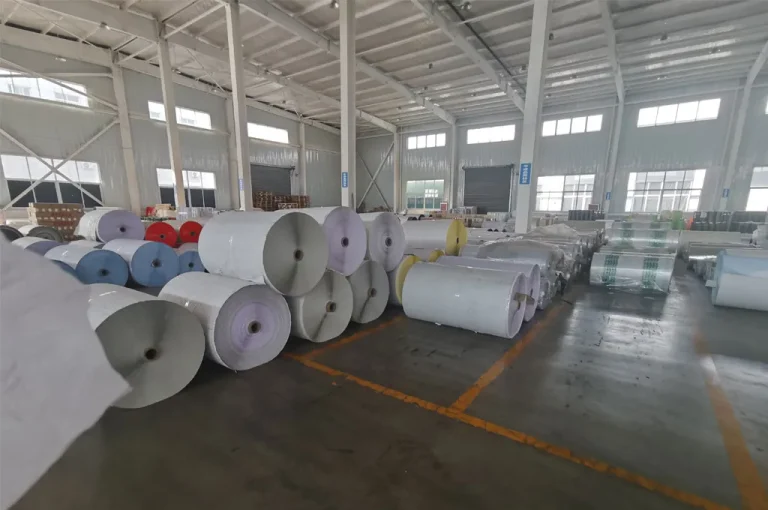
To protect the face layer during transit, films are wound on rigid cores and wrapped in protective PE film or kraft paper. Each roll is labeled with lot numbers for full traceability. Palletized shipping minimizes movement and edge damage during container transport.
Whether you need a specific Pantone match, a proprietary leather texture, or private-label packaging, a full-service PVC factory can accommodate small-batch development. Digital proofing shortens the lead time from concept to mass production significantly.