Address
304 North Cardinal St.
Dorchester Center, MA 02124
Work Hours
Monday to Friday: 7AM - 7PM
Weekend: 10AM - 5PM
Address
304 North Cardinal St.
Dorchester Center, MA 02124
Work Hours
Monday to Friday: 7AM - 7PM
Weekend: 10AM - 5PM


 ByPulivk
76 micron PVC film represents a versatile and widely used material in the flexible plastics industry. Sitting at the intersection of durability and workability, this specific gauge is thick enough to provide structural integrity yet thin enough to remain cost-effective and easy to handle. Whether you are sourcing for lamination, decorative surfaces, or protective applications, understanding the properties of 76 micron PVC film is essential for making an informed procurement decision. Below, we explore its key uses, benefits, and a practical buying guide.
Microns measure the thickness of plastic films; one micron equals one-thousandth of a millimeter. At 76 microns (approximately 0.076 mm), this film offers a balance of flexibility and tensile strength that lighter gauges often lack. It typically meets rigorous standards such as those outlined in ASTM PVC Film Standard for nonrigid vinyl chloride sheeting. This thickness is commonly found in both calendered and laminated formats, making it adaptable to high-speed converting processes.
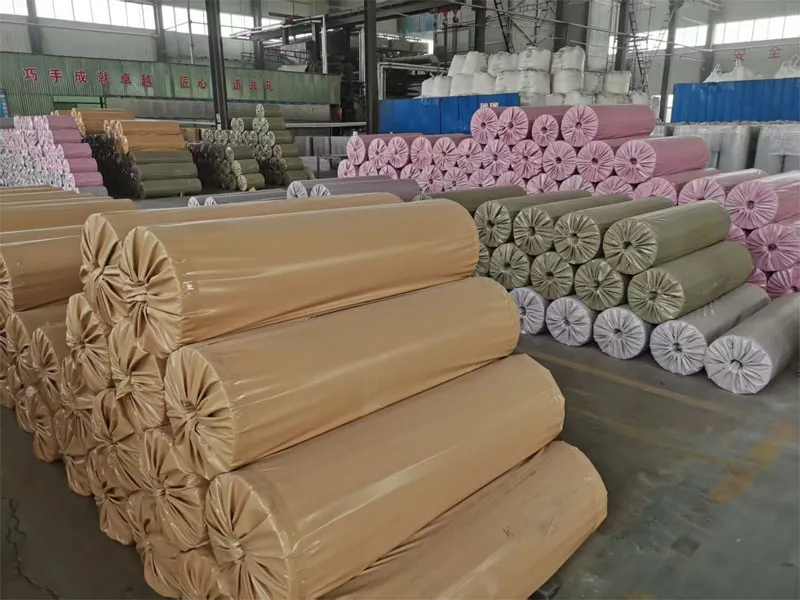
The utility of 76 micron PVC film spans multiple industries. Its dimensional stability, as verified by PVC Film Dimensional Stability testing, makes it reliable for precision applications.
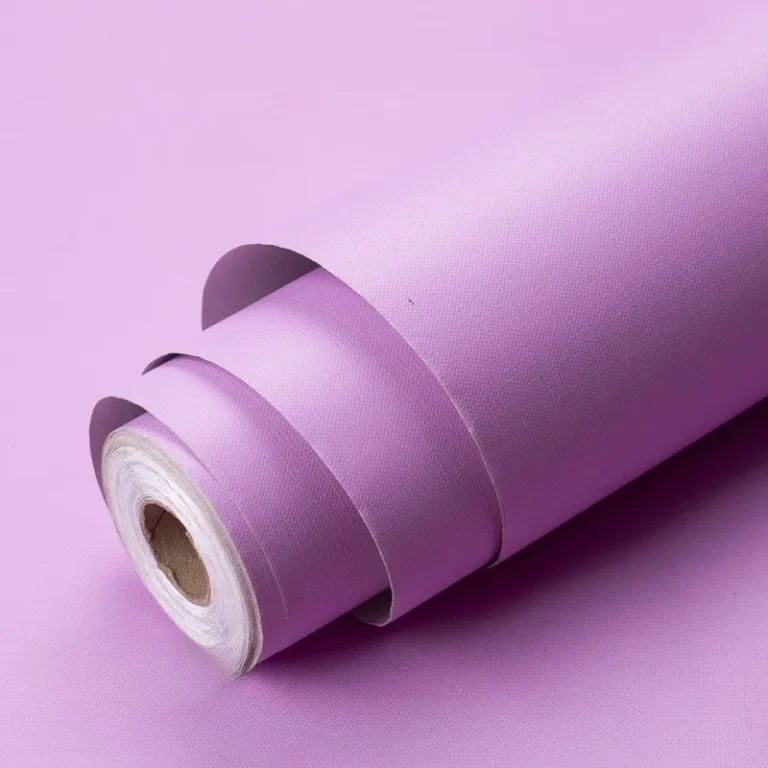
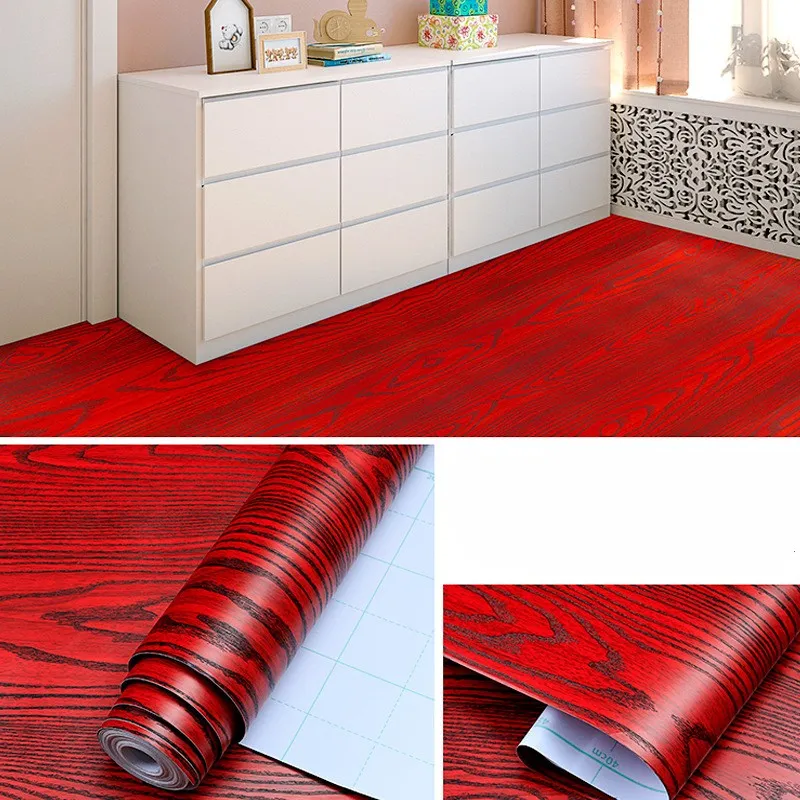
One of the primary markets is furniture and interior design. Wood grain film and solid color variants at 76 microns are used to laminate MDF panels, cabinet doors, and shelving. The film provides a realistic aesthetic without the cost of solid wood or stone. Decorative films for wall panels often leverage this gauge because it conforms well to edges during vacuum pressing.
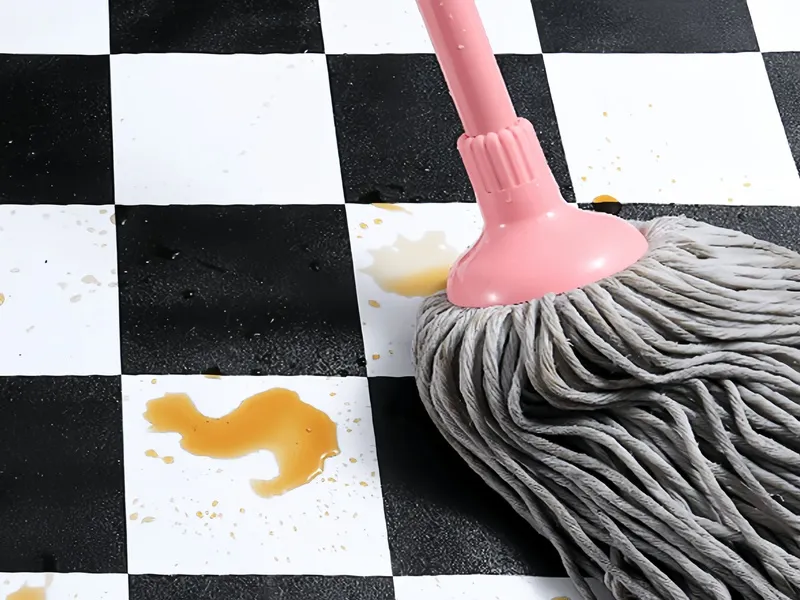
In the flooring sector, 76 micron layers are integral to wear layers on luxury vinyl tiles and planks. This thickness provides scuff resistance while maintaining clarity for printed designs. Additionally, floor films and temporary protective sheets during construction rely on this gauge to prevent damage without leaving residue.
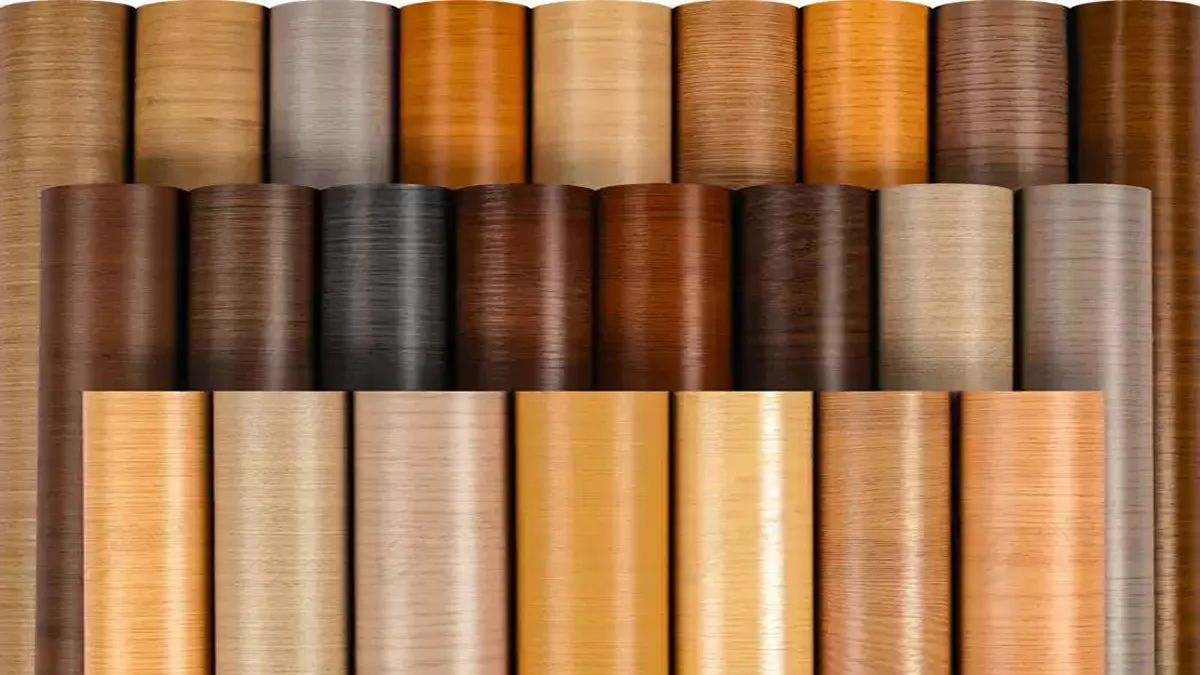
Signage and advertising industries use 76 micron PVC as a base for printable films. Its surface energy is optimized for solvent, eco-solvent, and UV inks. The coefficient of friction, measured per Plastic Film Friction Testing standards, ensures smooth feeding through wide-format printers without buckling.
Compared to 50 or 60 micron films, the 76 micron option provides significantly higher tear propagation resistance. Standards such as Plastic Film Tear Testing help quantify this property, ensuring the film withstands mechanical stress during application and end-use.
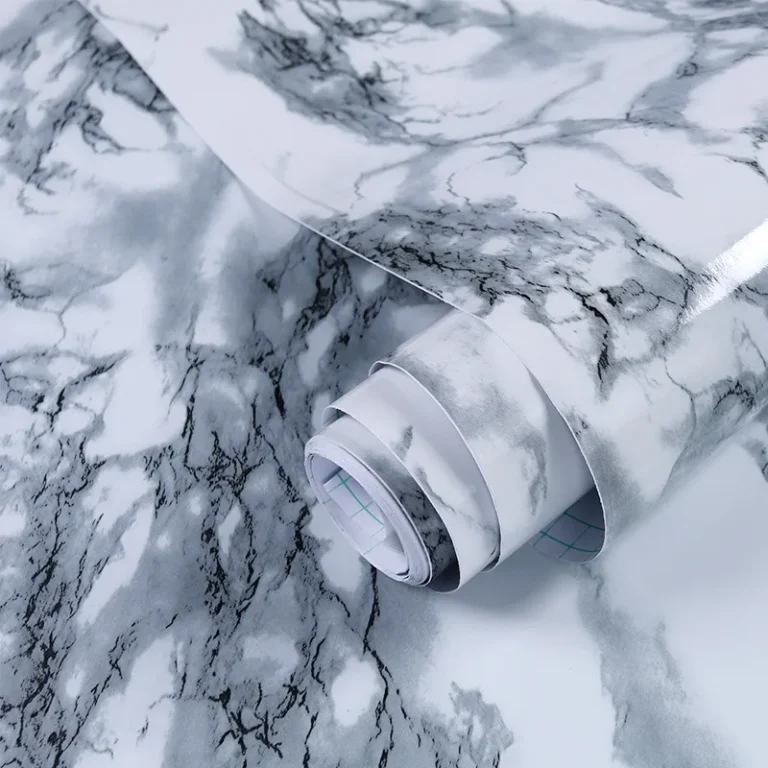
This gauge accepts high-definition printing and deep embossing. From 3D silk texture film finishes to high-gloss marble patterns, the surface can be engineered to mimic natural materials with remarkable fidelity.
76 micron PVC film softens at controlled temperatures, allowing it to be draped over complex shapes. It exhibits minimal thermal shrinkage when processed correctly, a characteristic evaluated through Plastic Film Thermal Shrinkage testing. This makes it ideal for 3D lamination on routed MDF panels.
When evaluating 76 micron PVC film, the following parameters are critical. These align with common industry test methods and quality benchmarks.
| Property | Typical Value | Relevant Standard |
|---|---|---|
| Thickness | 76 µm (±5%) | ISO 4593 |
| Tensile Strength (MD/TD) | ≥ 20 MPa | ISO 527-3 |
| Elongation at Break | ≥ 150% | ASTM D882 |
| Gloss Level (60°) | 5–90 GU | ASTM D2457 |
| Width Availability | Up to 1500 mm | – |
Sourcing the right film requires attention to detail and clear communication with the manufacturer. Here is a structured approach to purchasing 76 micron PVC film.
Reputable manufacturers provide test reports aligned with ASTM Plastics Standards and ISO benchmarks. Ask for certificates of analysis that demonstrate consistency in thickness, tensile properties, and color matching. Compliance with EU REACH or RoHS may also be necessary depending on your market.
While price per square meter is important, consider yield, waste reduction, and processing speed. A 76 micron film with consistent roll tension and minimal blocking—resistance measured by Plastic Film Blocking Resistance testing—reduces machine downtime and material loss during conversion.
Henan Pulivk New Materials Co., Ltd. specializes in full in-house production of calendered and decorative PVC films. The factory offers OEM services, enabling you to customize color, embossing depth, corona treatment levels, and slit widths. Their integrated calendering, printing, and split-packaging lines ensure rapid lead times while maintaining strict quality control from raw material to finished roll.
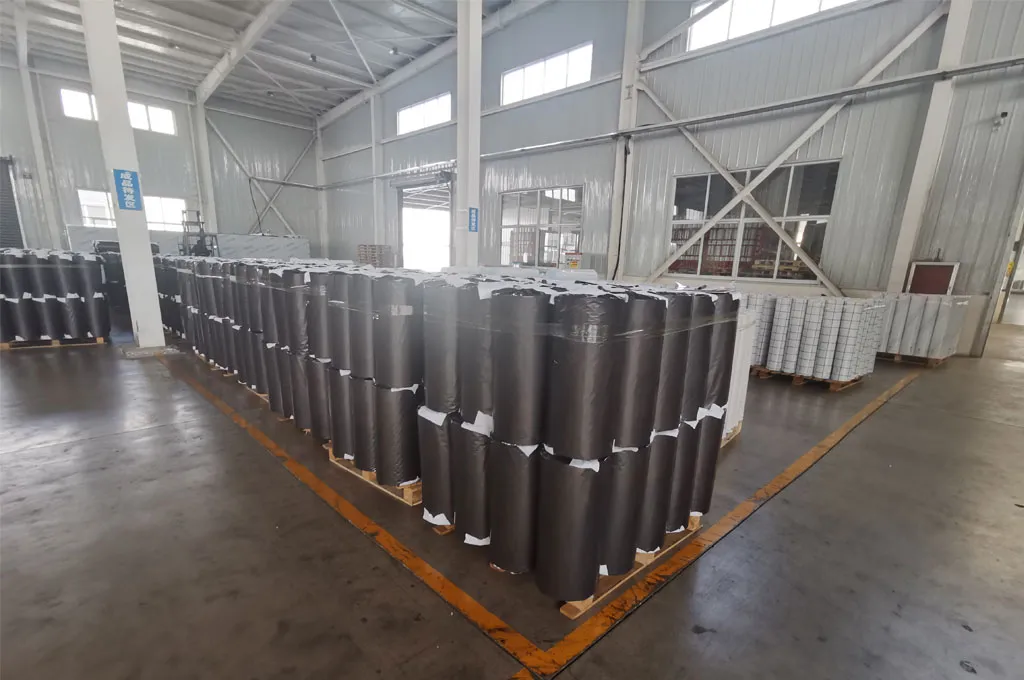
Proper storage preserves the integrity of 76 micron PVC film. Keep rolls in their original packaging until use, stored upright on clean, dry surfaces. Ideal ambient conditions are 15–25°C with relative humidity below 60%. Avoid direct sunlight and proximity to radiators. Acclimatize the film for 24 hours before processing if it has been exposed to cold temperatures during transit.
The PVC industry is making strides in circularity. Many modern 76 micron films are formulated with calcium-zinc stabilizers as alternatives to lead, aligning with initiatives like the VinylPlus 2030 Commitment. When sourcing, inquire about recyclability pathways and the availability of films with post-industrial recycled content. Full PVC Life Cycle Assessment data helps in making environmentally conscious procurement decisions.
Understanding the capabilities and limitations of 76 micron PVC film ensures successful outcomes across decorative, protective, and industrial applications. By focusing on technical specifications, supplier qualifications, and proper handling, you can secure a material that performs consistently and delivers lasting value.