Address
304 North Cardinal St.
Dorchester Center, MA 02124
Work Hours
Monday to Friday: 7AM - 7PM
Weekend: 10AM - 5PM
Address
304 North Cardinal St.
Dorchester Center, MA 02124
Work Hours
Monday to Friday: 7AM - 7PM
Weekend: 10AM - 5PM


 ByPulivk
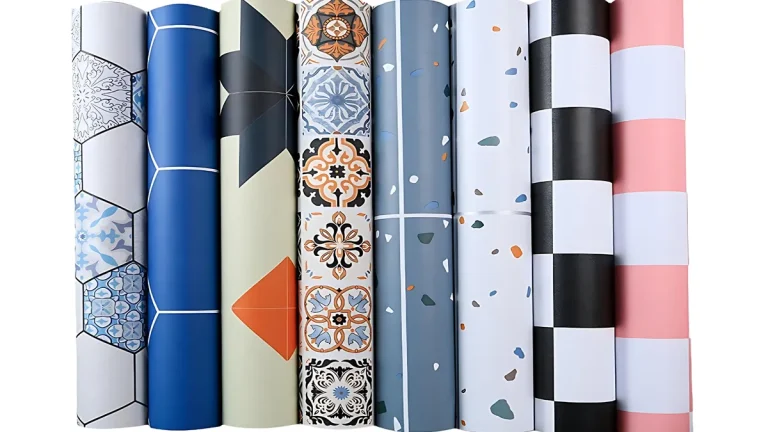
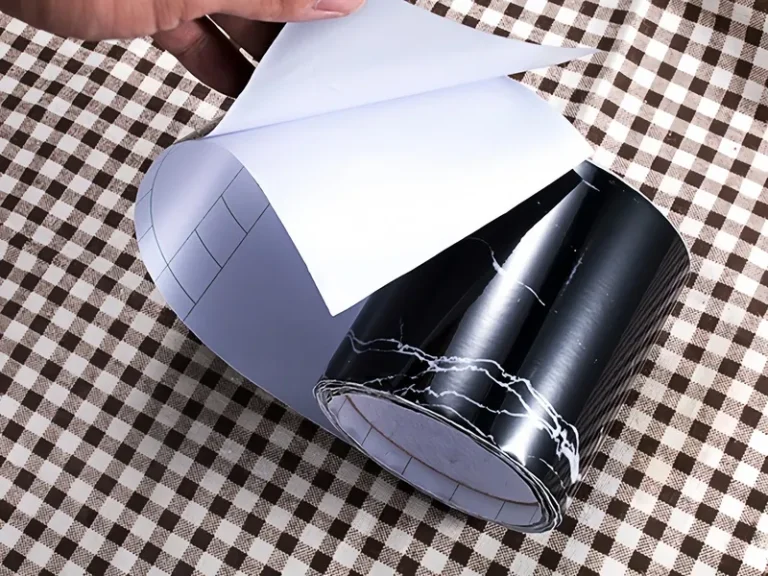
Adhesive PVC plastic film is a versatile, self-adhesive vinyl material designed for surface decoration, protection, and functional enhancement. It consists of a polyvinyl chloride (PVC) base layer combined with a pressure-sensitive adhesive backing, protected by a release liner. This construction allows for easy peel-and-stick application on various substrates including wood, metal, glass, MDF, and existing furniture surfaces. The film offers an extensive range of finishes — from wood grain film textures to high-gloss solid colors — making it a popular choice across residential, commercial, and industrial settings. Its growing adoption in interior design and renovation projects is largely due to its cost-effectiveness, ease of installation, and remarkable aesthetic flexibility compared to traditional materials like paint, laminate, or real wood veneer.
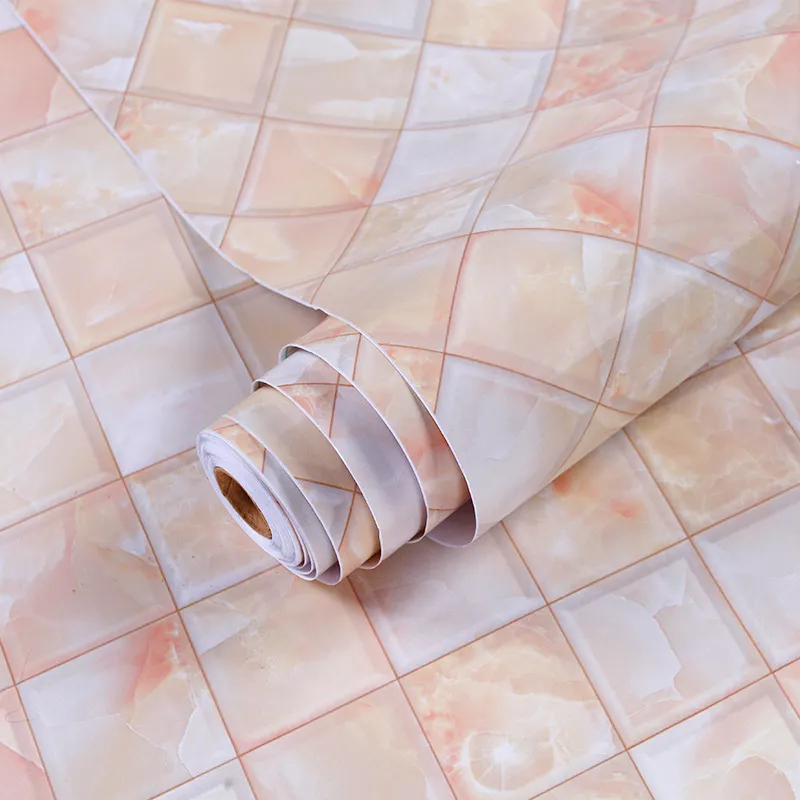
The application range of adhesive PVC plastic film spans far beyond simple wall decals. Its durability and design versatility have positioned it as a go-to solution in multiple industries. Understanding where and how this material is used can help buyers identify the right product grade for their specific needs.
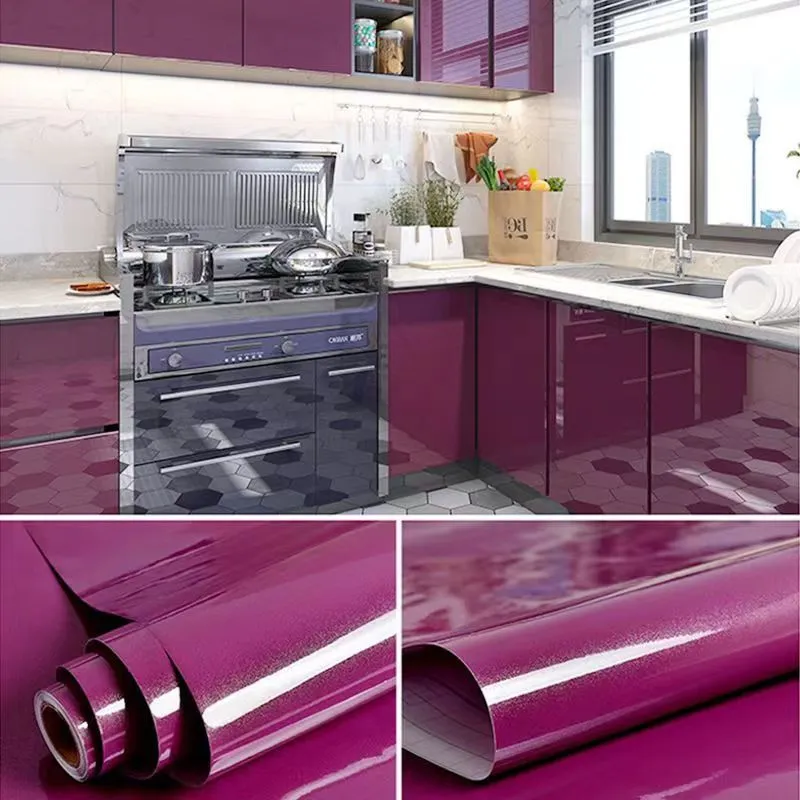
One of the most common uses is refreshing old or worn furniture. Instead of replacing kitchen cabinets, wardrobes, desks, or tabletops, users can apply decorative adhesive film to achieve a brand-new look. Glossy wardrobe film and matte textures are particularly popular for bedroom and kitchen cabinetry, offering scratch-resistant surfaces that withstand daily use.
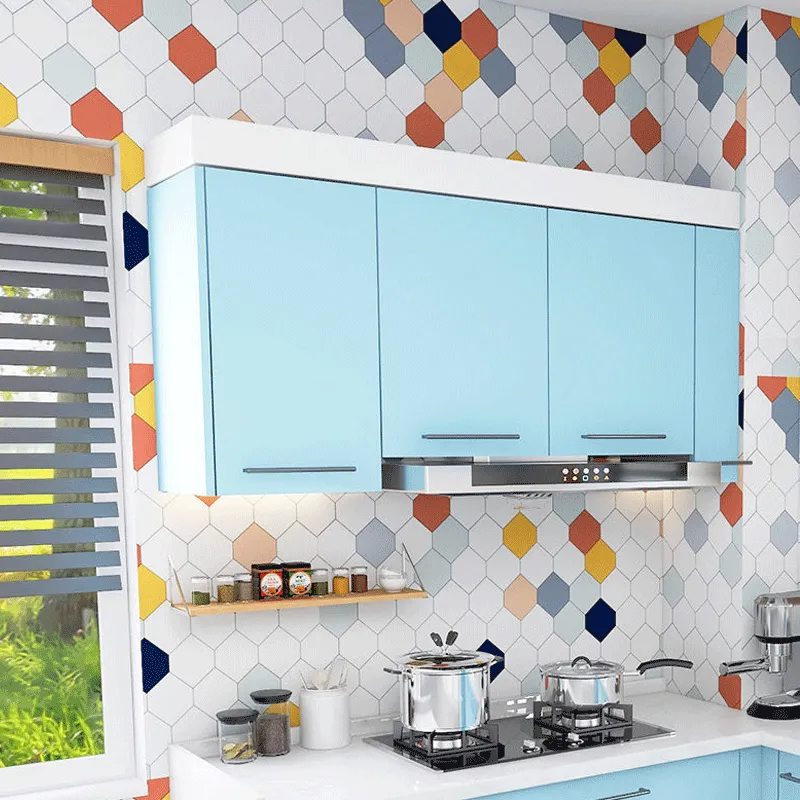
Self-adhesive PVC films are increasingly specified for accent walls, ceiling panels, and full-room transformations. Designs like marble film and 3D silk texture film provide luxurious aesthetics without the structural load or installation complexity of natural stone. They are lightweight, moisture-resistant, and can be cleaned easily, making them suitable for living rooms, bedrooms, and even commercial lobbies.
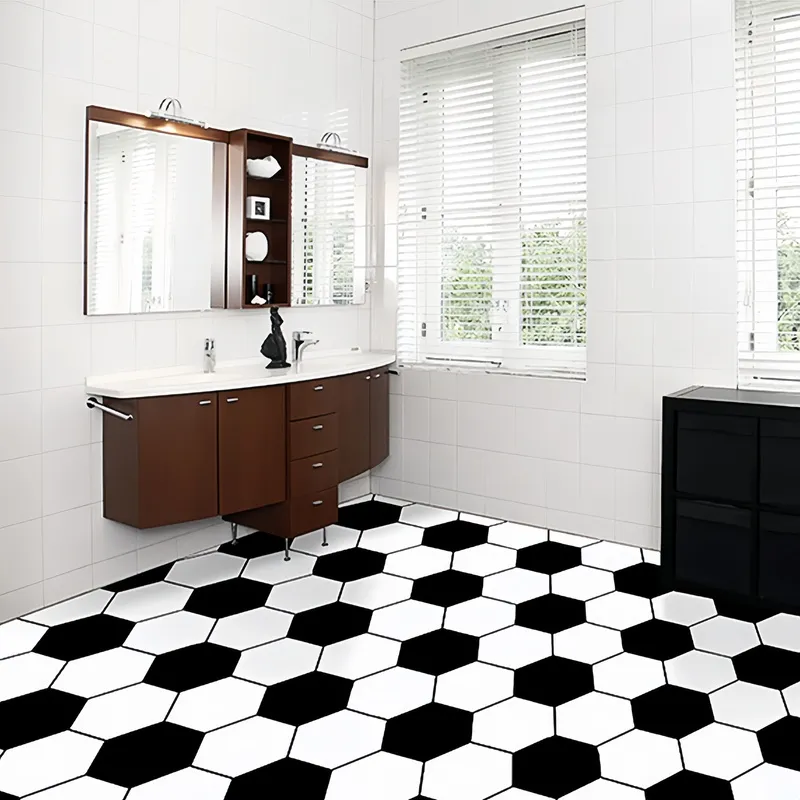
Specialized floor film products offer both aesthetic enhancement and surface protection. These thicker, wear-resistant films are designed to handle foot traffic, furniture weight, and occasional impacts. Kitchen floor stickers and bathroom floor stickers are popular choices for quick, affordable flooring updates in rental properties and budget-conscious renovations.
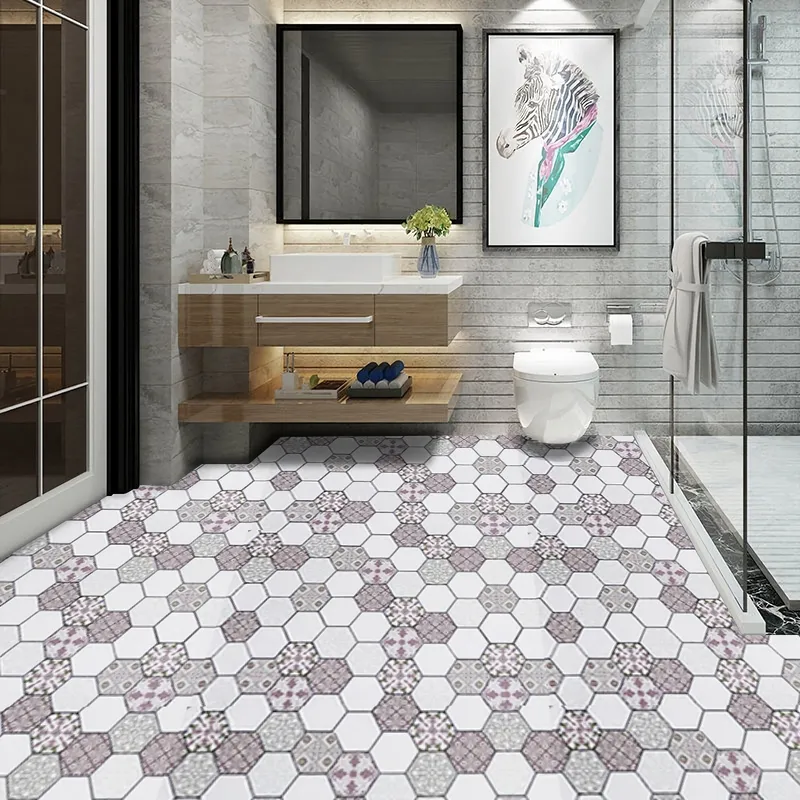
Moisture-prone environments benefit significantly from waterproof adhesive PVC films. Kitchen anti-oil film and oil-proof aluminum foil PVC films protect backsplashes, countertops, and cabinet interiors from grease, steam, and food stains. In bathrooms, waterproof films prevent mold growth and peeling, offering a hygienic surface solution that is easy to wipe down and maintain.
Retail displays, exhibition booths, point-of-sale counters, and shelving units often utilize adhesive PVC films to achieve branded aesthetics or seasonal refreshes. The film can be applied directly to MDF or plywood fixtures, reducing the need for expensive custom fabrication. Additionally, anti-static PVC films are used in electronic display areas and cleanroom environments where static control is critical.
In automotive interiors, self-adhesive films are used to wrap dashboards, door panels, and trim pieces. Calendered film with carbon fiber, brushed metal, or wood grain patterns allows for cost-effective customization. These films must meet higher durability standards for UV resistance and temperature cycling, aligning with benchmarks outlined in the ASTM PVC Film Standard.
Why are professionals and DIY users alike switching to this material? The advantages of adhesive PVC plastic film extend across cost, performance, and user experience, making it a compelling alternative to conventional surface materials.
Compared to replacing furniture, retiling floors, or repainting walls, applying adhesive film requires a fraction of the material and labor cost. There is no need for specialized tools, professional installers, or extended downtime. This affordability does not compromise visual quality, as modern printing technologies can replicate high-end materials like natural wood, stone, and metal with remarkable fidelity.
The self-adhesive backing eliminates the need for separate glues, mixing adhesives, or curing time. Users simply measure, cut, peel the release liner, and apply the film to a clean, dry surface. Air-release channels in some premium films help minimize bubbles, and repositionable adhesives allow for adjustments during application. This ease of use makes it a favorite for DIY renovation projects.
From solid color wallpaper finishes to intricate 3D embossed textures, the design possibilities are virtually limitless. Manufacturers can produce custom colors, patterns, and gloss levels based on client specifications. Pulivk, for example, offers over 2,000 decorative film designs and supports OEM/ODM services for tailored color matching, surface textures, and branding requirements.
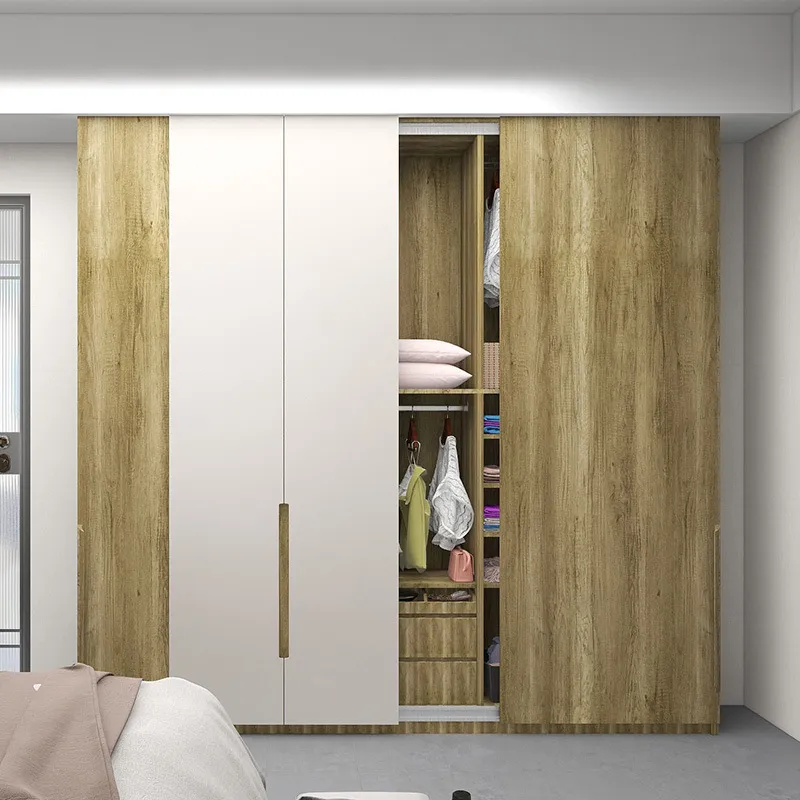
High-quality adhesive PVC films are formulated to resist scratches, moisture, and UV-induced yellowing. Select products comply with international standards such as Plastic Film Tear Resistance testing methods, ensuring they can withstand everyday wear. This protective layer extends the lifespan of underlying substrates, particularly in high-traffic areas like hallways, kitchens, and retail floors.
Unlike porous materials such as unfinished wood or natural stone, PVC film surfaces are non-absorbent. Routine cleaning requires only a soft cloth and mild detergent. Strong chemicals, abrasive scrubbers, and steel wool should be avoided, but for most households, a simple wipe-down restores the surface to its original appearance. This hygiene factor is especially valued in medical and cleanroom environments where antibacterial PVC films are specified.
Modern manufacturing processes now produce lead-free and phthalate-free formulations, with some products achieving RoHS and REACH compliance. The PVC Circular Economy initiatives are further improving sustainability through recycling programs and reduced production waste. Buyers seeking eco-conscious options should inquire about environmental certifications and recycled content availability from suppliers.
Not all adhesive PVC films are created equal. The following table summarizes the major product categories and their typical applications, helping you identify the right type for your project.
| Film Type | Key Features | Common Applications |
|---|---|---|
| Calendered Film | Cost-effective, wide width, moderate thickness tolerance | General decoration, short-term promotions, packaging |
| Wood Grain Film | Realistic wood textures, scratch-resistant surface | Furniture, doors, interior panels, flooring |
| Marble & Stone Film | Authentic stone patterns, glossy or matte finish | Walls, countertops, bathroom surfaces, columns |
| 3D Embossed Film | Textured surface, tactile depth, high visual impact | Accent walls, luxury furniture, display panels |
| Floor Film | High wear resistance, anti-slip options, thicker gauge | Residential flooring, commercial spaces, staircases |
| Anti-Oil & Kitchen Film | Heat resistance, oil repellency, easy-clean surface | Kitchen backsplashes, countertops, cabinet interiors |
| Anti-Static Film | Static dissipation, dust repellent, cleanroom grade | Electronics manufacturing, medical facilities, labs |
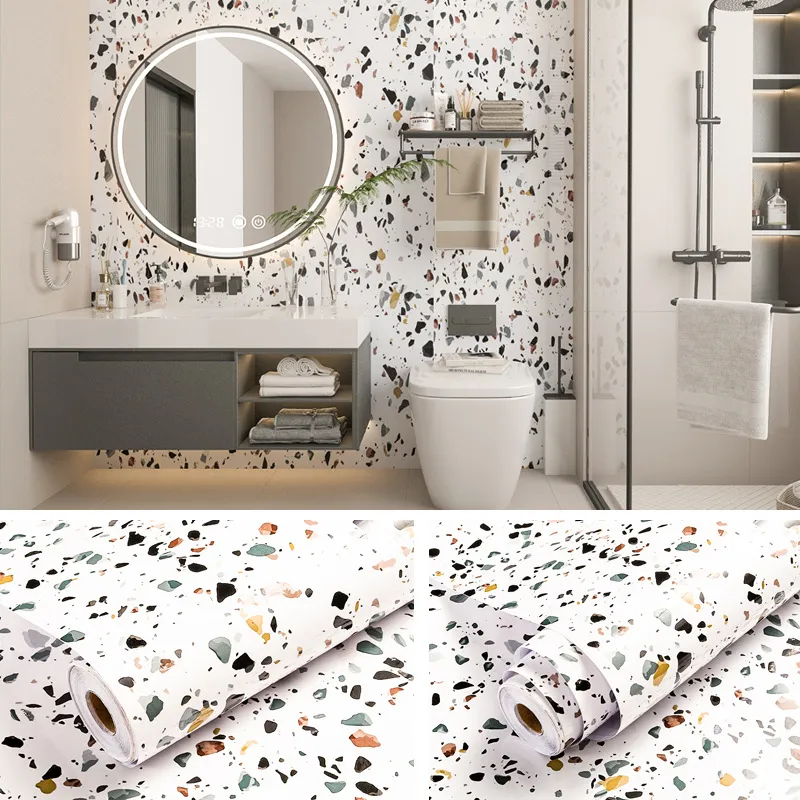
Selecting the optimal product requires evaluating several factors beyond just color and pattern. The following buying guide addresses the critical technical and practical considerations that ensure satisfactory long-term results.
Not all surfaces accept adhesive equally well. Smooth, non-porous substrates such as glass, lacquered MDF, metal, and glossy laminates provide the best adhesion. Rough, textured, or dusty surfaces may require sanding, priming, or cleaning before application. Porous materials like raw wood or unsealed plaster can absorb adhesive over time, potentially reducing bond strength. Always test a small sample area before full installation.
Thickness directly impacts durability and handling. Films range from approximately 0.03 mm to 0.50 mm. Thinner films (0.03–0.08 mm) are more flexible and suitable for curved surfaces and short-term decorative use. Thicker films (0.10–0.50 mm) provide better impact and abrasion resistance, making them appropriate for floors, high-traffic areas, and commercial furniture. The Plastic Film Thickness Testing standards ensure consistency across production batches.
Different adhesives suit different conditions. Permanent acrylic adhesives offer strong initial tack and long-term holding power, ideal for vertical surfaces and long-term installations. Removable or repositionable adhesives allow for easier adjustments and clean removal without residue, preferred for temporary displays or rented spaces. For outdoor or high-temperature applications, inquire about UV-resistant and heat-stable adhesive formulations.
Depending on the application, specific certifications may be required. Indoor residential products should ideally be phthalate-free and low-VOC. Medical and food-contact applications demand stricter compliance, such as PVC Plasticizers and Phthalates regulations under FDA guidelines. European buyers often request REACH and RoHS documentation, which corresponds to EU PVC Chemical Restrictions frameworks. Always request certification documents from suppliers when compliance is mandatory.
Precision in color and texture matching is essential for brand consistency and aesthetic cohesion. Professional suppliers offer color matching based on Pantone charts, RAL codes, or physical samples. Surface finishes range from super matte to high gloss, with intermediate options like satin, soft-touch, and brushed textures available. Custom embossing rollers can replicate specific wood grain, leather, or fabric textures for OEM projects.
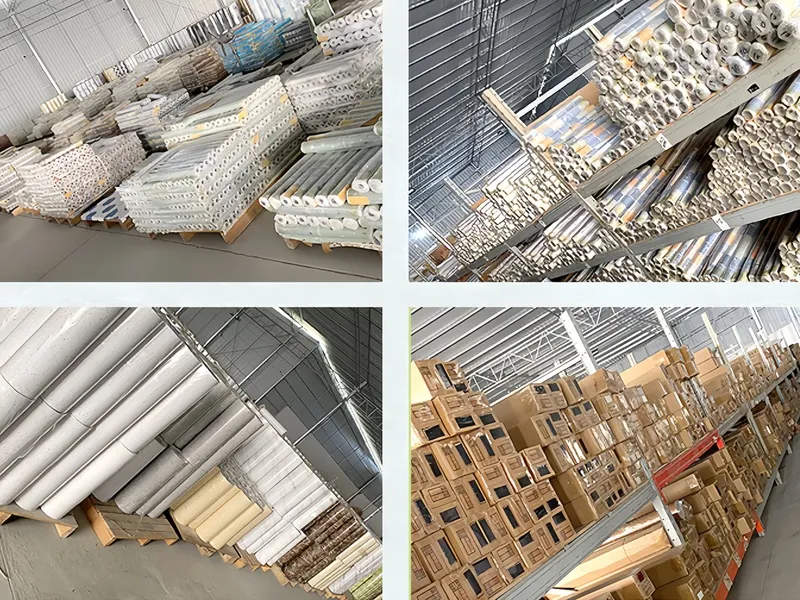
Standard roll widths are typically up to 1500 mm, which accommodates most furniture panels and full-height wall applications. For smaller projects or intricate shapes, split-packaging services cut full rolls into smaller, fixed-length rolls based on buyer specifications. Each roll is individually wrapped, labeled, and packed in cartons or on pallets to ensure safe shipping and easy handling at the destination.
Proper installation techniques significantly impact the final appearance and longevity of adhesive PVC plastic film. Following these guidelines will help achieve a smooth, bubble-free finish.
Yes, but only products specifically formulated with UV inhibitors and weather-resistant adhesives should be used for outdoor applications. Standard indoor films may yellow, embrittle, or lose adhesion when exposed to direct sunlight and temperature fluctuations. Consult Plastic Film Thermal Shrinkage data from manufacturers to verify outdoor suitability.
Gently heat the film with a hair dryer or heat gun to soften the adhesive. Peel slowly at a shallow angle. Any residual adhesive can be cleaned with a mild solvent like isopropyl alcohol or citrus-based adhesive remover. Test the solvent on an inconspicuous area first to ensure it does not damage the underlying surface finish.
For indoor applications, high-quality films can last 5–10 years under normal conditions. Floor films may require replacement sooner in high-traffic areas. Outdoor films have shorter life expectancies, typically 2–5 years, depending on exposure intensity and film formulation. Proper surface preparation and installation significantly influence longevity.
Select products that are certified phthalate-free and low-VOC. Request documentation confirming compliance with relevant safety standards. Many European and North American manufacturers offer nursery-grade films specifically designed for children’s furniture and play areas. Always ensure proper ventilation during and immediately after installation.
Generally, painting over PVC film is not recommended. The smooth, non-porous surface may not allow paint to adhere properly without extensive sanding and priming. If a color change is desired, removing the existing film and applying new film is usually more effective and provides a better finish.
Sourcing adhesive PVC plastic film from an experienced manufacturer ensures consistent quality, competitive pricing, and access to technical expertise. Henan Pulivk New Materials Co., Ltd. operates integrated calendering, printing, and split-packaging production lines, enabling full in-house control from raw material processing to finished packaging. This vertical integration reduces costs at the source and ensures faster, more reliable lead times for bulk orders, OEM services, and custom film development.
Key attributes to evaluate when selecting a supplier include production capacity, quality control protocols, customization capabilities, and export experience. Reliable suppliers will have multiple QC checkpoints, optical inspection systems, and thickness gauges integrated into automated production lines. They should also provide technical guidance on material selection, application methods, and lamination conditions for different substrates. For more information, explore the complete product catalog or review the detailed FAQ section covering technical and commercial inquiries.