Address
304 North Cardinal St.
Dorchester Center, MA 02124
Work Hours
Monday to Friday: 7AM - 7PM
Weekend: 10AM - 5PM
Address
304 North Cardinal St.
Dorchester Center, MA 02124
Work Hours
Monday to Friday: 7AM - 7PM
Weekend: 10AM - 5PM


 ByPulivk
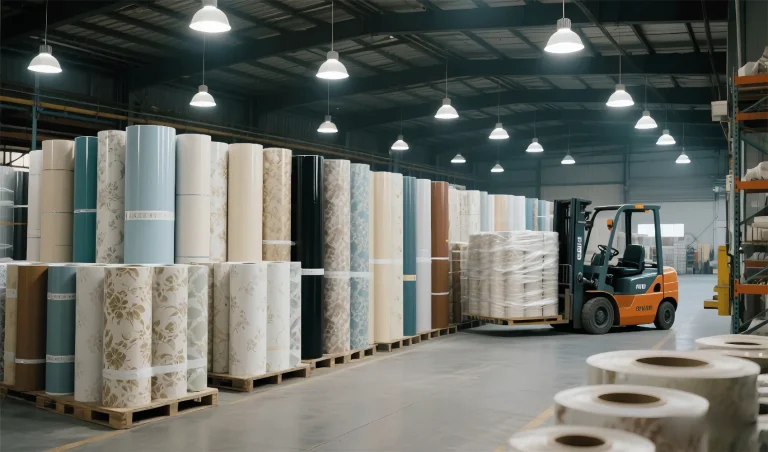
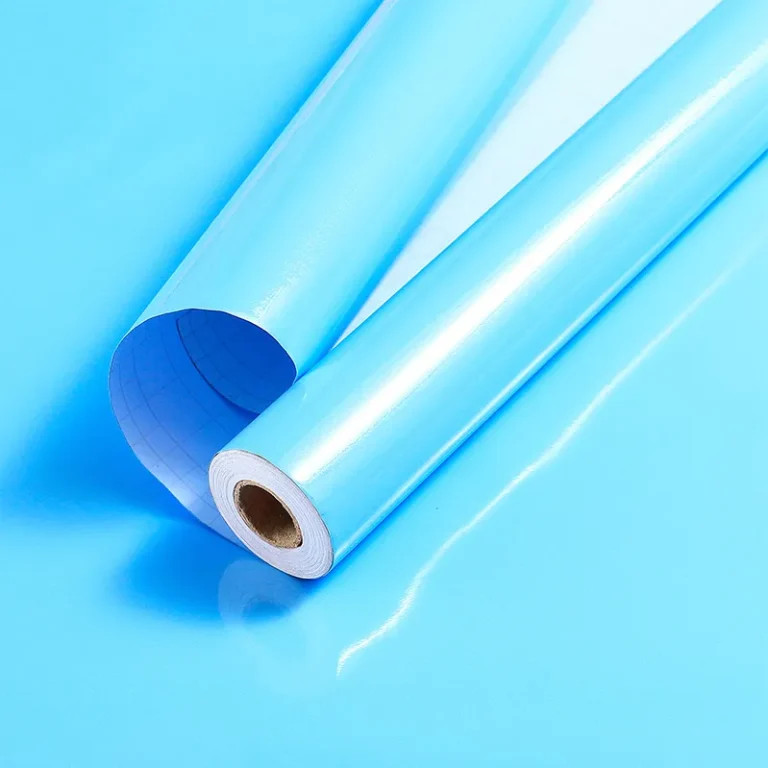
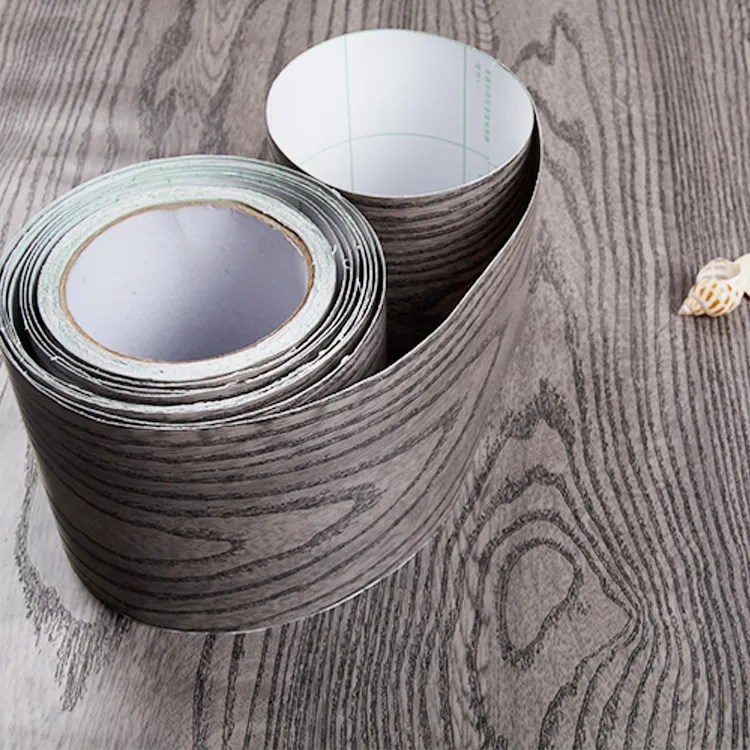
AEP PVC film refers to a specialized category of polyvinyl chloride film engineered for advanced performance across industrial and decorative sectors. Unlike standard PVC sheeting, AEP-grade films are manufactured with enhanced formulations that deliver superior mechanical strength, consistent surface quality, and reliable dimensional stability. These films are produced through precision calendering or extrusion processes, allowing tight control over thickness, gloss, and texture. The “AEP” designation often signals compliance with elevated engineering specifications, making these films suitable for applications where standard materials fall short. From wood grain film used in furniture to high-durability industrial laminates, AEP PVC film bridges the gap between cost efficiency and high performance.
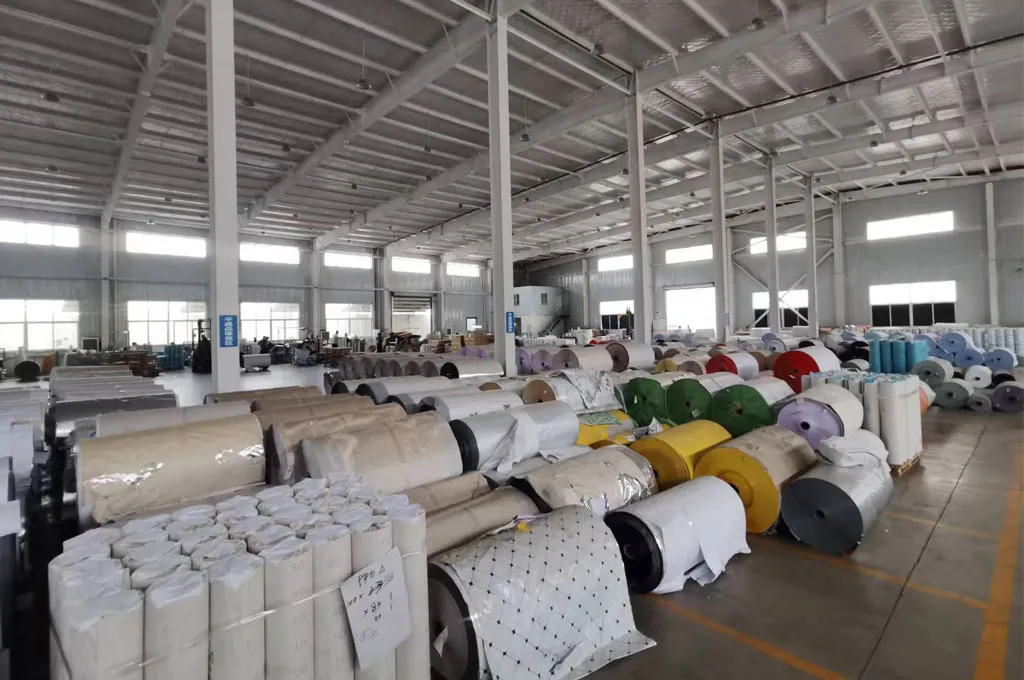
Understanding the technical attributes of AEP PVC film helps buyers identify the right material for their projects. These films are designed to meet rigorous demands in both manufacturing and end-use environments. Below are the defining characteristics that set AEP-grade films apart from conventional alternatives.
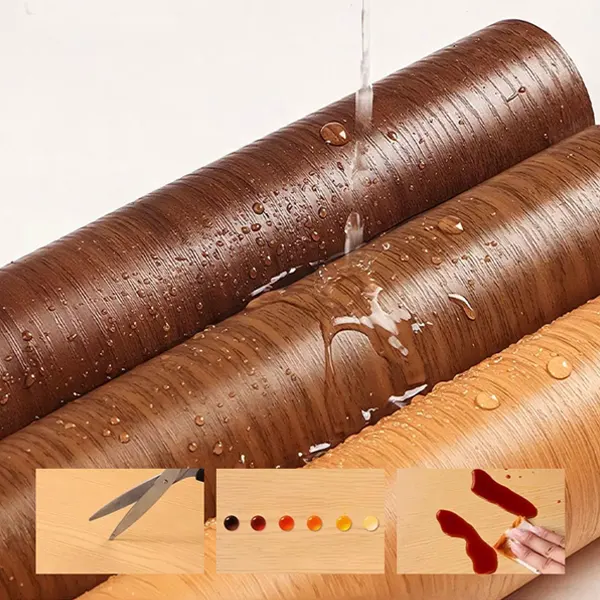
The versatility of AEP PVC film makes it a preferred material in diverse sectors. Its adaptability to lamination, thermoforming, and adhesive backing opens up a wide range of uses. The following table summarizes key application areas and compatible product types.
| Industry | Application | Recommended Product |
|---|---|---|
| Furniture Manufacturing | Cabinet surfaces, door skins, table tops | Marble Film |
| Building & Construction | Wall panels, partitions, ceiling materials | Solid Color Wallpaper |
| Electronics & Appliances | Panel overlays, insulation films | Calendered Film |
| Advertising & Exhibitions | Lightbox graphics, display backdrops | Transparent Calendered Film |
Beyond these segments, AEP PVC film also serves the medical, packaging, and automotive industries where calendered film solutions are in high demand. The ability to customize thickness, color, and surface texture allows manufacturers to tailor the film precisely to end-use requirements.
AEP PVC film bonds effectively to MDF, particleboard, plywood, glass, metal, and rigid plastics. The two primary application methods are cold lamination using environmentally friendly adhesives and hot lamination via vacuum membrane presses. Selecting the correct adhesive and process parameters ensures optimal adhesion and long-term durability. For users seeking professional guidance on PVC film selection, consulting with experienced manufacturers can streamline the decision-making process.
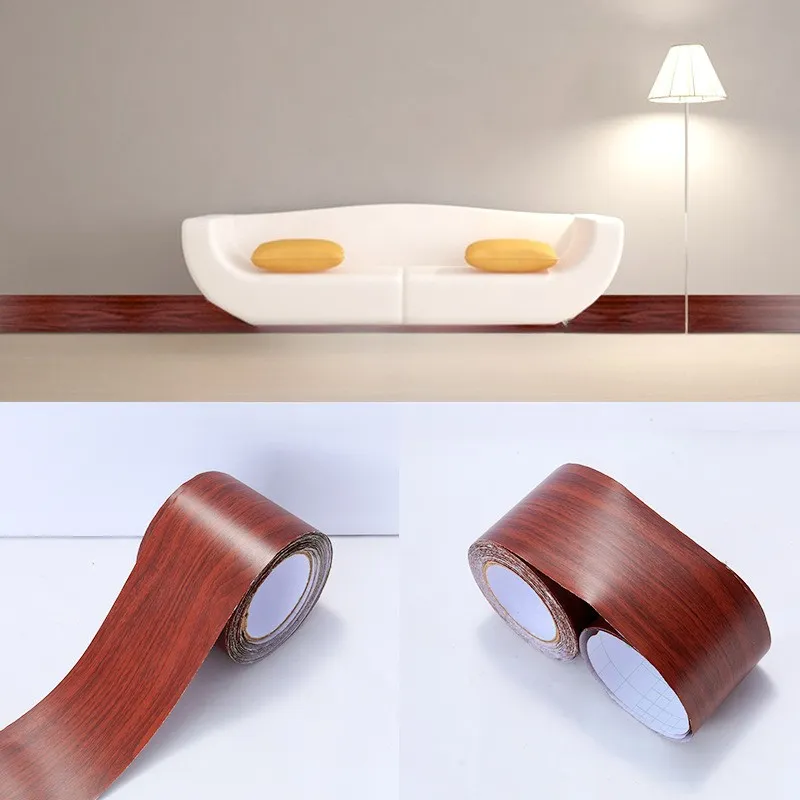
Why do engineers and procurement managers specify AEP-grade films for their projects? The advantages extend beyond basic material properties into operational and economic territory. Here are the core benefits:
AEP PVC film delivers premium aesthetics and durability at a fraction of the cost of natural materials like wood veneer, stone, or metal laminates. Manufacturers achieve high-end looks while maintaining tight production budgets. The consistent roll-to-roll quality also reduces material waste during cutting and lamination, lowering overall consumption.
Modern AEP PVC film formulations can be produced lead-free and phthalate-free, aligning with RoHS and REACH requirements. This compliance is critical for exporters supplying European and North American markets. Additionally, some formulations are designed for recyclability, supporting circular economy initiatives. For reference, the PVC Circular Economy framework outlines how the industry is advancing recycling and waste reduction.
Whether installed in high-humidity bathrooms, grease-exposed kitchens, or UV-lit retail spaces, AEP PVC film maintains its appearance and structural integrity. The inclusion of UV inhibitors, antimicrobial additives, and anti-fog agents can be customized to meet specific performance needs. Kitchen anti-oil film is a prime example of application-specific engineering within the AEP category.
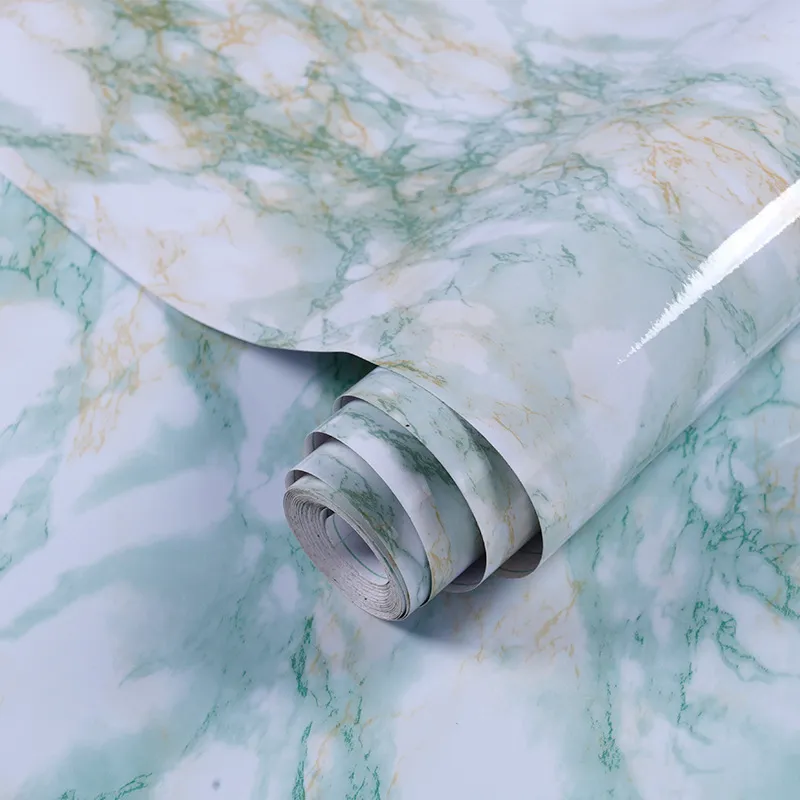
Choosing the correct AEP PVC film involves evaluating technical specifications, supplier capabilities, and project requirements. Use the checklist below to streamline your procurement process.
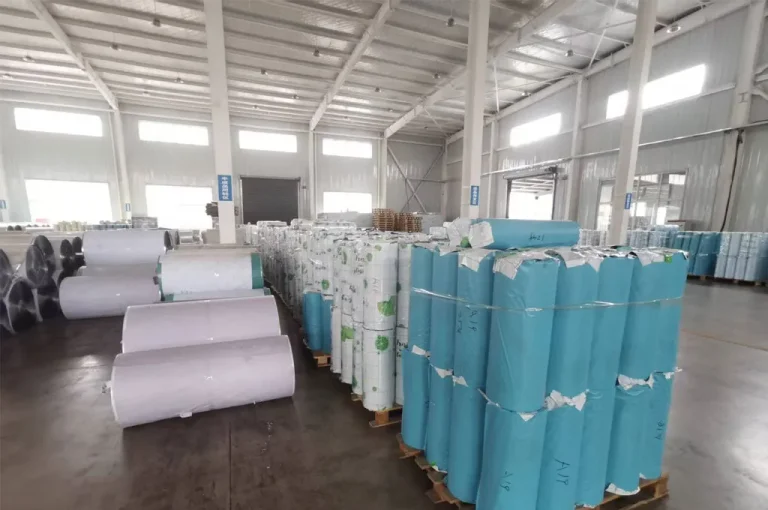
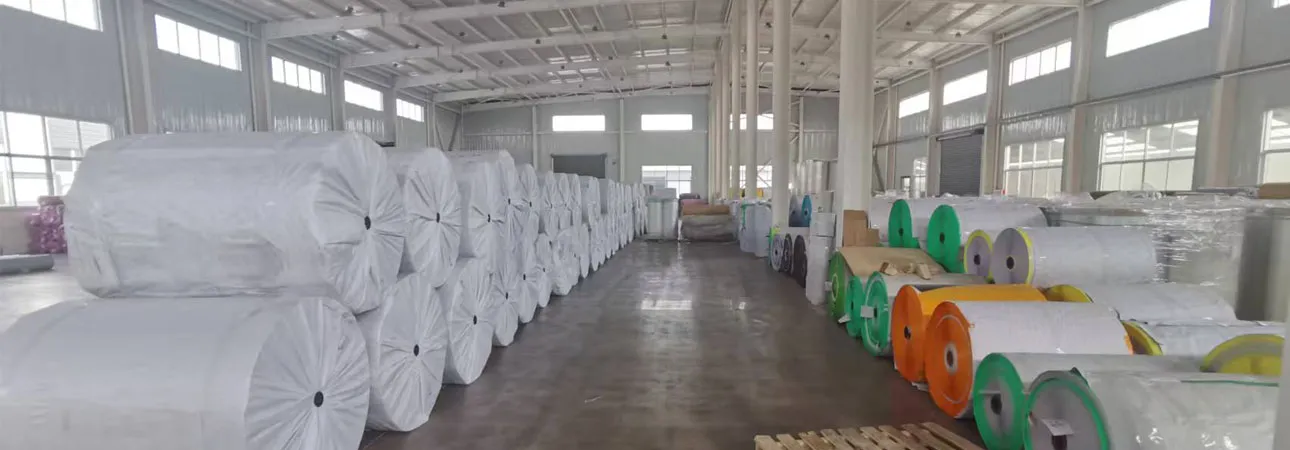
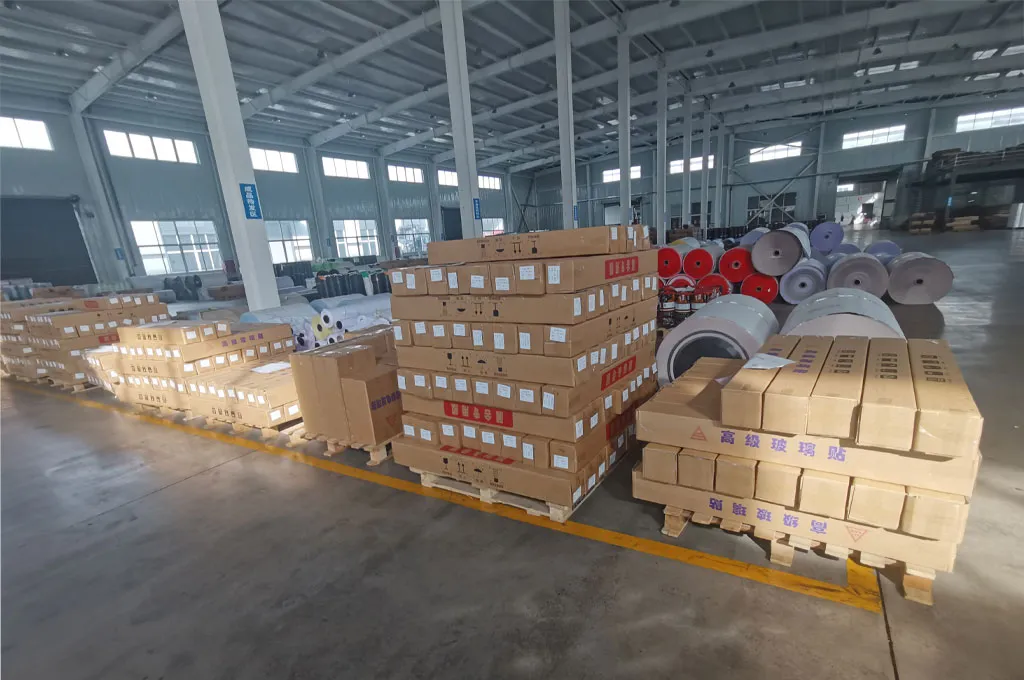
When sourcing AEP PVC film, prioritize manufacturers with in-house calendering lines, printing capabilities, and splitting and packaging equipment. Full-chain production control translates into more consistent quality, faster lead times, and the ability to provide comprehensive PVC film catalogs with technical data. For example, Henan Pulivk New Materials Co., Ltd. operates integrated production facilities that handle everything from raw material processing to finished packaging, ensuring end-to-end quality oversight.
Reputable suppliers should be able to provide test data aligned with international standards. Key testing protocols include ASTM PVC Film Standard D1593 for nonrigid vinyl chloride sheeting, ISO Film Tensile Testing ISO 527-3 for tensile properties of films, and PVC Recycling Progress reports related to sustainability metrics. Requesting third-party lab results or batch-level QC reports adds an extra layer of confidence.
The AEP PVC film category encompasses several distinct product lines, each optimized for different use cases. Understanding the differences helps in making an informed selection.
| Film Type | Key Characteristics | Typical Applications |
|---|---|---|
| Calendered Transparent Film | High clarity, uniform gauge, excellent printability | Packaging, lightbox graphics, protective overlays |
| Embossed Decorative Film | Deep texture replication, matte to high-gloss range | Furniture surfaces, wall panels, door skins |
| Wood Grain and Stone Pattern Film | Realistic print quality, scratch-resistant topcoat | Cabinets, wardrobes, interior decoration |
| Floor and Skirting Film | High wear layer, waterproof, slip-resistant options | Residential and commercial flooring, bathroom floors |
| Anti-Oil and Heat-Resistant Film | Grease repellency, thermal stability up to specified temperatures | Kitchen backsplashes, countertop protection, appliance wraps |
Each film type can be further customized with adhesive backing, release liners, and specific splitting dimensions. For projects requiring non-standard colors or textures, OEM services are widely available from established manufacturers who can match Pantone references or physical samples with high accuracy.
Proper installation is essential to maximize the lifespan and appearance of AEP PVC film. Before lamination, substrates should be clean, dry, and free of dust or oil residues. Environmental conditions during application, including temperature and humidity, should fall within the adhesive manufacturer’s recommended range. Post-installation, cleaning with a soft damp cloth and mild neutral detergent preserves the film surface without risk of scratching or chemical damage. Avoid abrasive pads, steel wool, strong acids, and alkaline cleaners.
The PVC film industry is continuously evolving toward more sustainable and higher-performance materials. Developments in bio-based plasticizers, improved recycling streams, and low-VOC formulations are shaping the next generation of AEP PVC films. The VinylPlus 2030 Commitment outlines targets for circularity and reduced environmental impact across the entire PVC value chain. Buyers who stay informed on these trends can future-proof their procurement strategies while meeting increasingly strict regulatory requirements in global markets.
For standard furniture surfaces like cabinet doors and table tops, a thickness between 0.12 mm and 0.20 mm is commonly used. Thicker films up to 0.30 mm may be preferred for high-traffic or commercial furniture applications where additional durability is needed.
Yes. Many AEP PVC films are designed with sufficient flexibility for wrapping around moderate curves and radius edges. For complex 3D shapes, thermoformable grades are available that soften under controlled heat and conform to detailed profiles before cooling and setting.
Request documentation from your supplier that includes third-party lab test reports for restricted substances. Certifications such as RoHS, REACH SVHC, and phthalate-free statements are standard for reputable manufacturers exporting to regulated markets.
Lead times vary based on order complexity and volume. Standard color matching and embossing for existing designs may add 7-15 days to standard production time. Completely new custom formulations can require 20-30 days or more, including sample approval stages.