Address
304 North Cardinal St.
Dorchester Center, MA 02124
Work Hours
Monday to Friday: 7AM - 7PM
Weekend: 10AM - 5PM
Address
304 North Cardinal St.
Dorchester Center, MA 02124
Work Hours
Monday to Friday: 7AM - 7PM
Weekend: 10AM - 5PM


 ByPulivk
Anti-glare (AG) and anti-reflective (AR) films are common solutions for improving screen readability and visual comfort. This guide explains the technical differences, real-world applications, pros and cons, and buying/installation tips so you can choose the right film for displays, signage, and devices.
Anti-Glare (AG) film is a surface treatment or laminate that scatters incoming light to reduce sharp reflections and diffuse bright spots. AG films are often textured or matte, and they reduce glare by disrupting specular reflection.
Anti-Reflective (AR) film uses multi-layer optical coatings that minimize the amount of light reflected back to the viewer, improving contrast and color fidelity. AR treatments aim to reduce reflection intensity rather than scatter light.
Mechanism: AG films scatter light (matte finish); AR films use interference coatings to cancel reflections (clear finish).
Appearance: AG looks slightly diffused or frosted; AR looks crystal clear with deeper blacks and richer colors when working properly.
Touch & cleaning: AG hides fingerprints better and is generally easier to maintain in high-touch environments; AR shows fingerprints more easily and may require anti-fingerprint topcoats.
| Feature | Anti-Glare (AG) | Anti-Reflective (AR) |
|---|---|---|
| Primary effect | Diffuse reflection, reduces hotspots | Reduce reflectance, improve contrast |
| Finish | Matte / textured | Clear / glossy |
| Best for | Bright environments, anti-glare kiosks | High-end displays, cameras, optics |
| Durability | Generally robust and scratch-resistant | Can be delicate; requires protective topcoat |
AG films are widely used for public kiosks, industrial control panels, point-of-sale systems, and office monitors where strong overhead or side lighting creates distracting reflections.
AR films are preferred for premium tablets, camera viewfinders, museum displays, and broadcast monitors where accurate color, clarity, and maximum contrast matter most.
Choose AG if: you need to reduce distracting glare in bright, uncontrolled lighting or want a matte finish that hides smudges. AG is ideal for schools, retail, and industrial sites.
Choose AR if: you prioritize image clarity, contrast, and accurate color reproduction for photography, high-end displays, or lighting-controlled environments.
AG improves usability under harsh lighting but slightly reduces sharpness and vibrancy. AR maintains display fidelity but performs best in environments where fingerprints and micro-scratches are managed.
Always clean the surface thoroughly before applying any film. For touchscreen devices, choose films specifically rated for touch sensitivity. When installing AR films, avoid abrasive cleaners and consider films with an oleophobic top layer to fight fingerprints.
Reflectance percentage: lower numbers mean fewer reflections (AR aims for very low reflectance).
Surface finish: matte vs clear determines look and smudge tolerance.
Hardness / scratch rating: especially important for public-facing or handheld devices.
Touch compatibility: required for capacitive touchscreens.
| Environment | Bright / uncontrolled → AG • Controlled / studio → AR |
| Durability need | High traffic → choose scratch-resistant AG or protected AR |
| Visual priority | Clarity & contrast → AR |
Can AG and AR be combined? Some hybrid films attempt a balance, offering reduced reflectance with a faint matte finish. These are compromises and worth testing first.
Do films affect touchscreen responsiveness? High-quality films designed for touch maintain responsiveness. Always confirm touch compatibility for devices with multi-touch gestures.
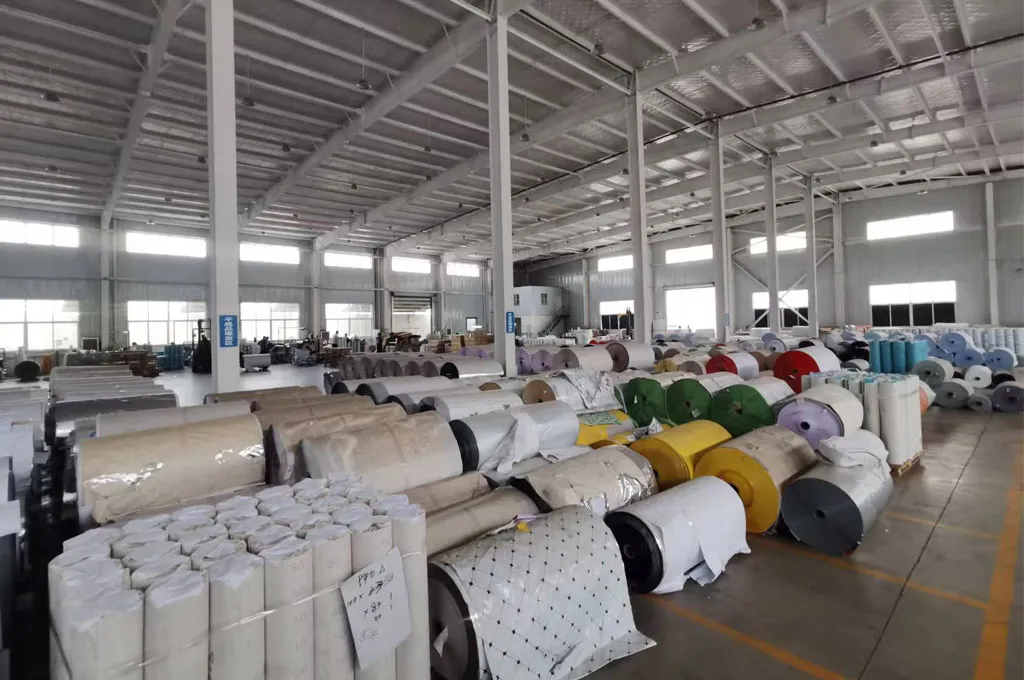
For volume orders, OEM flexibility, and stable production quality, consider manufacturers with full in-house production lines and strict QC. Pulivk provides calendering, printing, and split-packaging capabilities with flexible OEM options and global export experience.
Test a sample in the actual environment before final purchase. Check warranty terms for outdoor or high-touch installations, and prioritize films with protective coatings if maintenance is a concern.