Address
304 North Cardinal St.
Dorchester Center, MA 02124
Work Hours
Monday to Friday: 7AM - 7PM
Weekend: 10AM - 5PM
Address
304 North Cardinal St.
Dorchester Center, MA 02124
Work Hours
Monday to Friday: 7AM - 7PM
Weekend: 10AM - 5PM


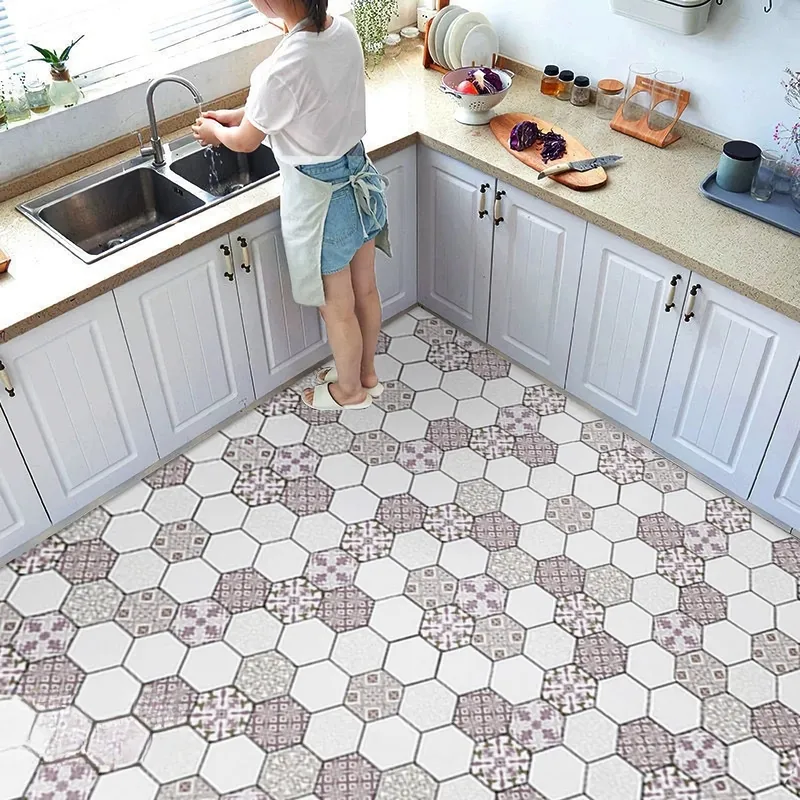
Air duct film, a specialized application of PVC (Polyvinyl Chloride) film, plays a crucial role in modern HVAC (Heating, Ventilation, and Air Conditioning) systems. It serves as a protective and functional layer within air ducts, ensuring clean air delivery, improving energy efficiency, and extending the lifespan of the ductwork. This guide delves into the types of air duct films, their diverse applications, and provides a comprehensive installation guide for professionals and DIY enthusiasts alike.
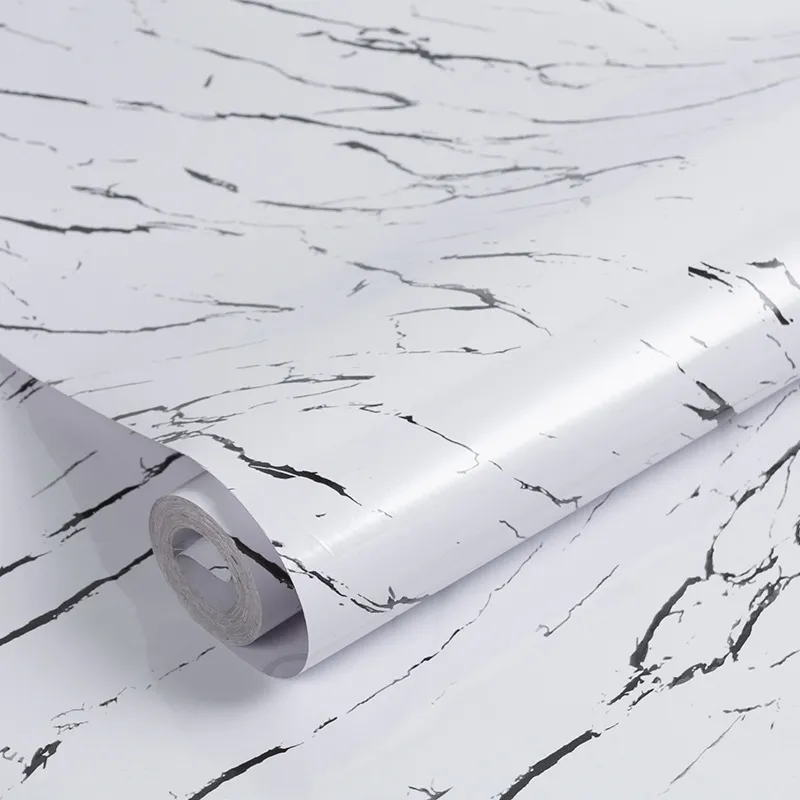
At its essence, air duct film is a thin, durable sheet material applied to the interior surfaces of air ducts. Its primary purpose is to create a smooth, sealed barrier. This barrier prevents dust, insulation fibers, and microbial growth from contaminating the airflow. Furthermore, it minimizes air leakage by sealing seams and joints, which directly translates to improved system efficiency and lower energy costs. For new constructions or renovations, using a high-quality film is a proactive step toward maintaining indoor air quality (IAQ).
Key Benefit: The smooth surface of a professionally installed air duct film reduces air friction (static pressure), allowing your HVAC system to operate more quietly and with less strain on the blower motor.
Air duct films are not one-size-fits-all. They are manufactured with different properties to suit specific needs and duct materials. The main categories include:
These are the most common types, designed for general use in residential and commercial sheet metal ducts. They are typically made from flexible PVC and have a moderate thickness to provide durability without adding excessive weight. Standard films are excellent for sealing and smoothing the interior of rectangular or round metal ducts.
This type features a PVC film layer bonded to a fabric or non-woven substrate. The backing provides extra strength, tear resistance, and improved adhesion on irregular surfaces. They are often used in flexible ducts or for lining older ductwork that may have minor imperfections. The fabric backing helps the film conform better to the duct’s shape.
Safety is paramount in building materials. Fire-retardant air duct films are specially formulated to resist ignition and slow flame spread. They are mandatory or highly recommended for use in commercial buildings, schools, hospitals, and multi-family residential units to comply with local building codes and safety standards like UL 723.
For environments where hygiene is critical—such as hospitals, laboratories, and food processing facilities—antimicrobial films are essential. These films are treated with additives that inhibit the growth of mold, mildew, and bacteria on the duct surface, contributing to a healthier indoor environment. Explore our range of specialized films, including options suitable for clean environments, on our Product page.
The use of air duct film extends far beyond simple duct sealing. Its applications are vital across various sectors:
In homes, film is used to line new ductwork during construction or to rehabilitate existing ducts. It seals leaks at joints and seams, which can account for significant energy loss. This not only lowers utility bills but also ensures consistent temperature and airflow to all rooms. A well-sealed system also reduces the amount of unconditioned air (and allergens) being pulled into the ducts from attics or crawl spaces.
Office buildings, schools, and retail spaces have complex, large-scale HVAC systems. Air duct film is crucial for maintaining efficiency in these large networks. Fire-retardant films are typically specified to meet strict safety codes. The smooth surface also makes these large ducts easier to clean and maintain, which is a requirement for many commercial properties.
In settings like hospitals, pharmaceutical labs, and semiconductor manufacturing, controlling particulate contamination is non-negotiable. Seamless, antimicrobial air duct film creates a non-porous, cleanable surface that prevents microbial harborage and supports the stringent air purity standards required in these environments.
Ducts that transport air containing moisture, mild chemical vapors, or particulates from industrial processes benefit from a protective film liner. The film acts as a corrosion-resistant barrier, protecting the metal duct from degradation and extending its operational life. For heavy-duty applications, exploring our robust Calendered Film options is advisable.
Proper installation is key to performance. Here is a professional guide for lining sheet metal ducts.
1. Gather Tools & Materials: You will need the air duct film, a high-quality spray adhesive (specifically designed for duct liners), a utility knife, measuring tape, a stiff brush or roller, and safety gear (gloves, mask, eye protection).
2. Duct Surface Preparation: This is the most critical step. The duct interior must be completely clean, dry, and free of dust, oil, rust, or old insulation. Use a vacuum and a damp cloth if necessary. Any debris will prevent proper adhesion.
3. Measure and Cut: Measure the duct panels accurately. Cut the film to size, allowing a slight overlap (about 1 inch) at seams and joints.
4. Apply Adhesive: Following the manufacturer’s instructions, apply a uniform coat of spray adhesive to the back of the film sheet or to the prepared duct surface. Ensure even coverage, especially around the edges.
5. Position and Secure: Carefully position the film into the duct. Start from one end and smoothly press it into place, working outwards to avoid air bubbles or wrinkles. Use a roller or stiff brush to firmly bond the film to the metal, applying pressure across the entire surface.
6. Seam Treatment: For panel seams, overlap the film from one panel onto the next. Press the overlap down firmly. For corners and joints, make relief cuts in the film to allow it to lay flat without puckering.
7. Curing Time: Allow the adhesive to fully cure as per the product datasheet before pressurizing the HVAC system. This usually takes 24-48 hours.
8. Inspection: After curing, visually inspect the liner for any loose edges, bubbles, or gaps. These should be repaired immediately with additional adhesive.
9. Ongoing Care: A properly installed air duct film requires minimal maintenance. During routine HVAC inspections, check for any signs of peeling or damage. The film’s surface can be gently vacuumed if needed.
Yes, absolutely. This process is called duct lining or rehabilitation. It is a cost-effective alternative to full duct replacement, provided the existing duct structure is sound and accessible. The interior must be thoroughly cleaned before the film is applied.
When installed correctly, it improves performance. The smooth surface reduces turbulent airflow and friction loss, potentially increasing airflow efficiency. The primary performance gain comes from sealing leaks, which can improve system efficiency by 20% or more.
High-quality PVC air duct film, installed under the right conditions, can last for 15-20 years or more. Its longevity depends on the film quality, adhesive used, environmental conditions (like excessive moisture or heat), and proper initial installation. For more insights into material durability, visit our Knowledge base.
Reputable manufacturers produce films that comply with strict indoor air quality and safety standards, such as low VOC (Volatile Organic Compound) emissions. Always request product data sheets and certifications (like GREENGUARD or UL) to ensure the film is safe for your specific application, especially in homes or schools.
While a handy homeowner can tackle small, accessible sections, a full HVAC system lining is best left to certified HVAC professionals. They have the expertise, proper tools, and knowledge of building codes to ensure the installation is effective, safe, and does not inadvertently restrict airflow or create future issues. For large-scale or commercial projects, professional installation is strongly recommended.