Address
304 North Cardinal St.
Dorchester Center, MA 02124
Work Hours
Monday to Friday: 7AM - 7PM
Weekend: 10AM - 5PM
Address
304 North Cardinal St.
Dorchester Center, MA 02124
Work Hours
Monday to Friday: 7AM - 7PM
Weekend: 10AM - 5PM



Artificial wood PVC film has become a go-to surface solution for furniture, doors, wall panels, and interior trims because it delivers a consistent wood look at scale—without the cost and variability of natural veneer. But buying the “right” film is not only about picking a wood grain. You also need to match type, finish, thickness, and supplier capability to your manufacturing process and end-use environment.
This purchasing guide walks you through practical selection rules, common pitfalls, and a supplier evaluation checklist—so you can specify an artificial wood PVC film that laminates cleanly, looks premium, and performs consistently across batches.
Quick outcome
In procurement, “artificial wood PVC film” usually refers to a decorative PVC film printed with wood grain, sometimes paired with embossed texture, protective top layers, or functional coatings. It is commonly used to upgrade the appearance of MDF, particleboard, plywood, WPC, aluminum panels, or composite boards.
The same-looking wood pattern can behave very differently in production depending on how it was made. A stable, well-calendered base and consistent printing reduce lamination rejects, color complaints, and edge cracking.
If you are comparing product categories, start with the base manufacturing method—many furniture-grade decorative films are based on calendered film for better thickness uniformity and process stability.
Panel lamination focuses on surface flatness and visual consistency across large areas (cabinet doors, wall panels). Profile wrapping (edges, frames, skirting) adds bending and stretching requirements, so the film must tolerate deformation without whitening, cracking, or pattern distortion.
✅ Selection rule
If your product includes sharp edges, deep grooves, or long wrap lengths, prioritize good elongation + stable emboss. For trims and baseboards, consider films designed for skirting and wrapping applications such as
PVC skirting film.
Realistic wood feel is driven by emboss depth, gloss control, and pattern-register (how well emboss aligns with printed grain). For higher-end furniture lines, textured options can lift perceived value without changing the substrate.
If your market favors tactile finishes (for example, modern wardrobes, hotel casegoods, or retail fixtures), textured films like
3D silk texture film
can offer a softer hand-feel and boutique look while still being production-friendly.
Self-adhesive film is convenient for renovation and quick installation, but it adds variables: adhesive tack, liner release, and long-term residue performance. For factory furniture lines, non-adhesive decorative films are often paired with controlled lamination adhesives to reduce field failures.
Finish is not just aesthetics—it impacts fingerprints, scratch visibility, and cleaning behavior:
★ Buyer tip: match finish to lighting
Retail showrooms and residential spaces with strong downlights can exaggerate gloss imperfections. If your product will be displayed under intense lighting, request larger samples and evaluate at multiple angles to avoid “orange peel” complaints after delivery.
Wood patterns often have warm/cool undertones. A small deviation can cause obvious mismatch between doors, drawers, and side panels. Your spec should define:
For film programs spanning multiple SKUs, ask suppliers whether they can provide batch traceability and keep a controlled master standard for reorders.
Thickness impacts opacity, “body” during wrapping, scratch resistance, and how well the film hides substrate defects. Too thin can telegraph MDF fiber or glue lines; too thick can reduce forming ability for complex profiles and may require process adjustments.
If your MDF edges are porous or your routing is aggressive, a slightly thicker film can reduce edge read-through and improve perceived quality. For sharp radii, confirm the minimum bending radius and test with your real profile tooling to prevent stress whitening.
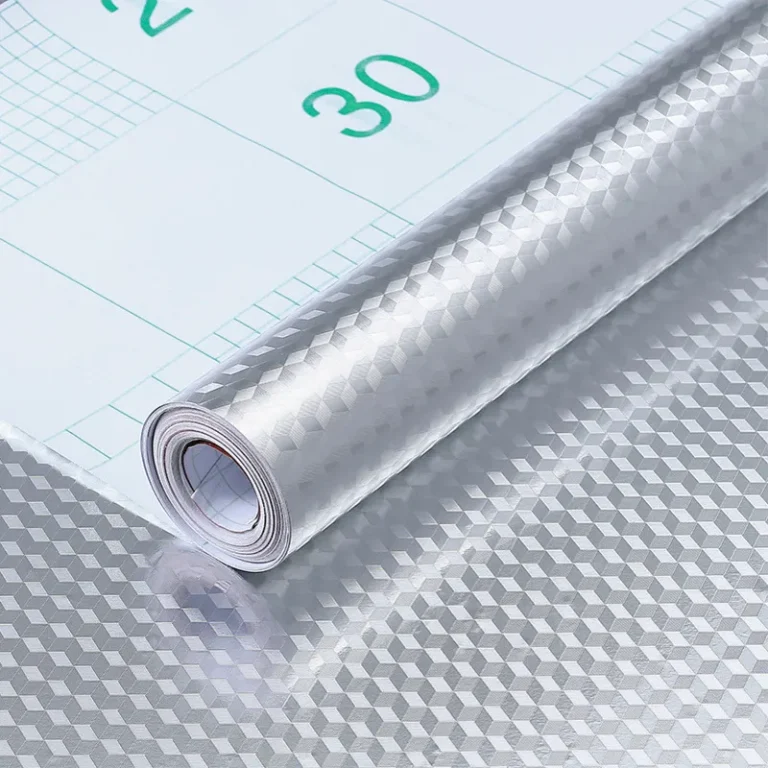
For kitchens, rentals, hospitality, and public spaces, films face frequent wiping and occasional chemical exposure. Align performance with the intended cleaning agents (mild detergents vs. alcohol-based cleaners). If the film is planned for kitchen cabinets, it’s smart to confirm anti-oil behavior; for specialized solutions, options like
kitchen anti-oil film
can be referenced as a benchmark for easier maintenance.
Bathrooms, coastal regions, and high-humidity climates increase the risk of edge lifting, bubbling, or adhesive failure (if using self-adhesive). Specify the service environment and require validation testing relevant to your market conditions—especially if the product will be installed near cooking zones or heaters.
Many buyers now require materials that align with indoor safety expectations. Confirm whether the film is free of heavy metals and restricted plasticizers and whether documentation is available for standards such as REACH, RoHS, ISO systems, and FDA (when applicable). If your projects involve healthcare or clean environments, ask about optional functional coatings and test reports.
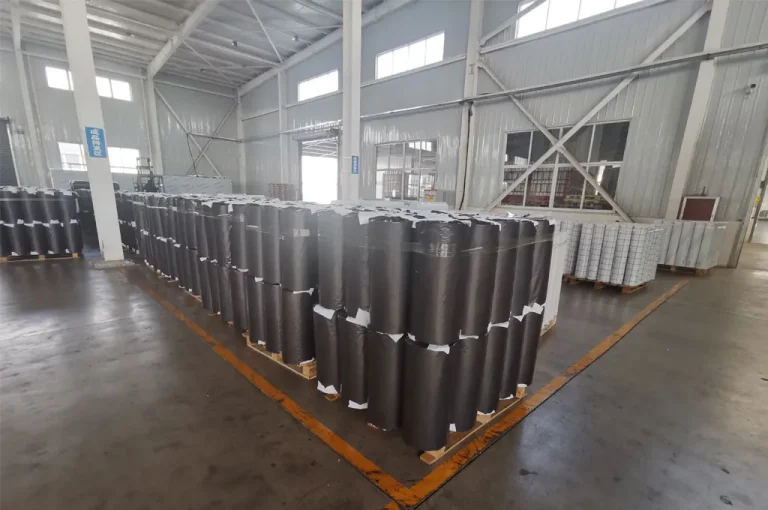
Decorative film consistency depends on stable base film, printing accuracy, and precise slitting/packing. Suppliers with integrated capability (calendering → printing → slitting/packing) can better control thickness variation, color drift, and delivery time because fewer steps are outsourced.
A4 samples are useful for color direction, but they cannot reveal production problems like edge cracking, adhesive compatibility, or gloss inconsistency across width. For final approval, request:
Film programs often fail due to procurement surprises: inconsistent lead times during peak seasons, sudden MOQ changes, or unannounced raw material substitutions that shift color. In your purchase agreement, include:
Focus on scratch resistance, stable matte/gloss, and low visual defects. If the line is fashion-forward, pair wood with accent solids—many brands use solid decorative surfaces as companions, similar to
solid color wallpaper
aesthetics for coordinated interiors.
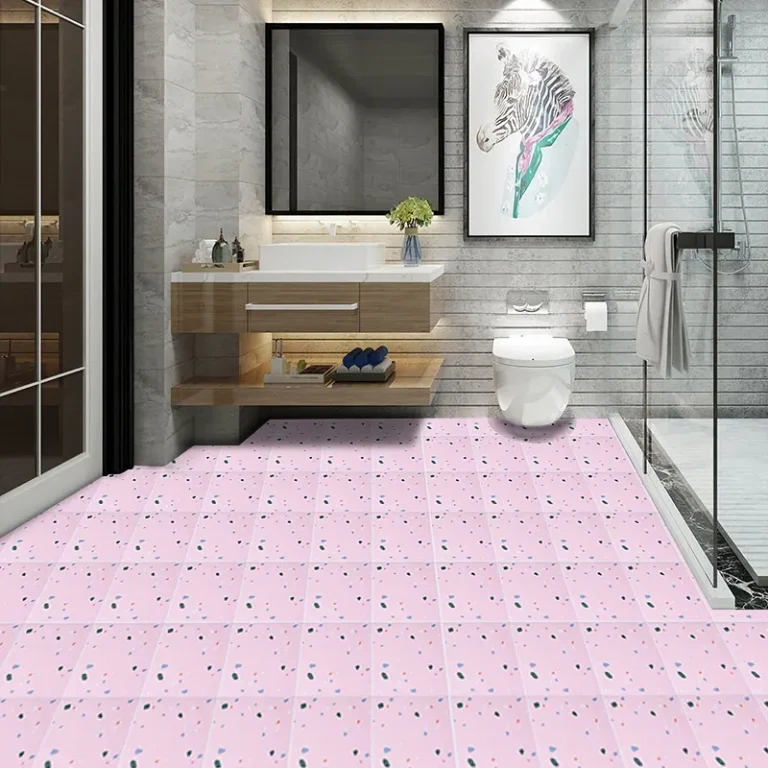
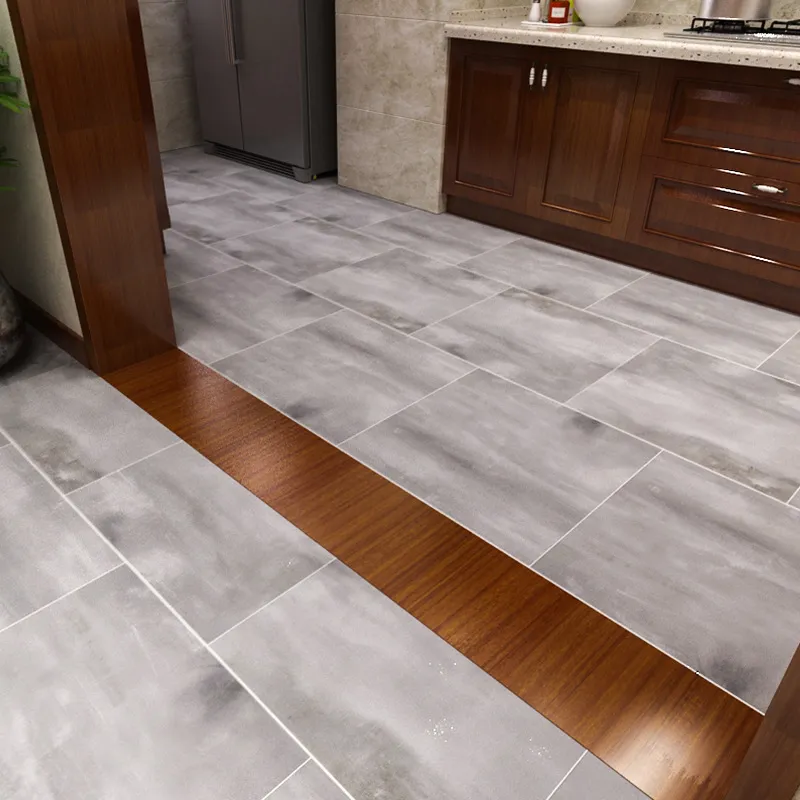
Prioritize wear resistance, cleaning resistance, and dimensional stability. For flooring-related decorative layers, reviewing options like
floor film
helps you benchmark thickness, surface durability, and application expectations.
A strong RFQ turns “looks good” into measurable targets. Include the following items so suppliers quote the same baseline:
⚑ Negotiation tip: Ask the supplier to confirm what will be treated as a “controlled change” (ink system, resin grade, emboss roller, topcoat). This single clause prevents many future color and performance disputes.
A reliable decorative film partner typically supports end-to-end production steps such as calendering, printing, and slitting/packing, allowing tighter control of thickness uniformity and delivery timelines. Look for suppliers that can handle multiple film categories (wood grain, matte/glossy, embossed, pearlescent, anti-static, self-adhesive, transparent) and still maintain consistent QC standards.
If you need OEM/ODM, validate whether the supplier can customize width, thickness, roll size, surface treatment, pattern, and packaging while keeping stable batch-to-batch output. Also confirm whether they can ship globally with export-ready protective packaging to reduce moisture and handling damage during transport.
Q1: What thickness should I choose for cabinet doors?
Many cabinet door programs start around 0.18–0.25 mm. If you have deeper routing or want better hiding power, consider thicker options—but always confirm formability on your real profiles.
Q2: Matte or glossy—which is easier to maintain?
Matte typically hides fingerprints and micro-scratches better. Glossy offers high visual impact but needs more careful handling to avoid visible swirl marks.
Q3: How do I prevent color mismatch between different shipments?
Approve a master standard, define color/gloss tolerances, and request batch traceability. For large projects, consider ordering enough quantity for one project lot to reduce inter-batch variation.
Q4: What should I test before placing a bulk order?
Run a roll trial on your actual line: adhesion, edge wrapping behavior, cross-width gloss/color consistency, and heat/humidity aging if the product will face moisture or temperature swings.
Q5: What makes a PVC film supplier “reliable” for long-term programs?
Consistent in-house production control, documented QC checks, stable lead times, compliance documentation, and clear change-control rules for raw materials, inks, emboss rollers, and coatings.