Address
304 North Cardinal St.
Dorchester Center, MA 02124
Work Hours
Monday to Friday: 7AM - 7PM
Weekend: 10AM - 5PM
Address
304 North Cardinal St.
Dorchester Center, MA 02124
Work Hours
Monday to Friday: 7AM - 7PM
Weekend: 10AM - 5PM


 ByPulivk
In the competitive landscape of modern packaging, selecting the right material is critical for product protection, visibility, and cost efficiency. Blister PVC film has emerged as a dominant force in the packaging sector, offering an unparalleled combination of transparency, formability, and durability. Whether you are packaging pharmaceuticals, consumer electronics, or food items, understanding the properties of blister pvc film can significantly enhance your packaging performance.
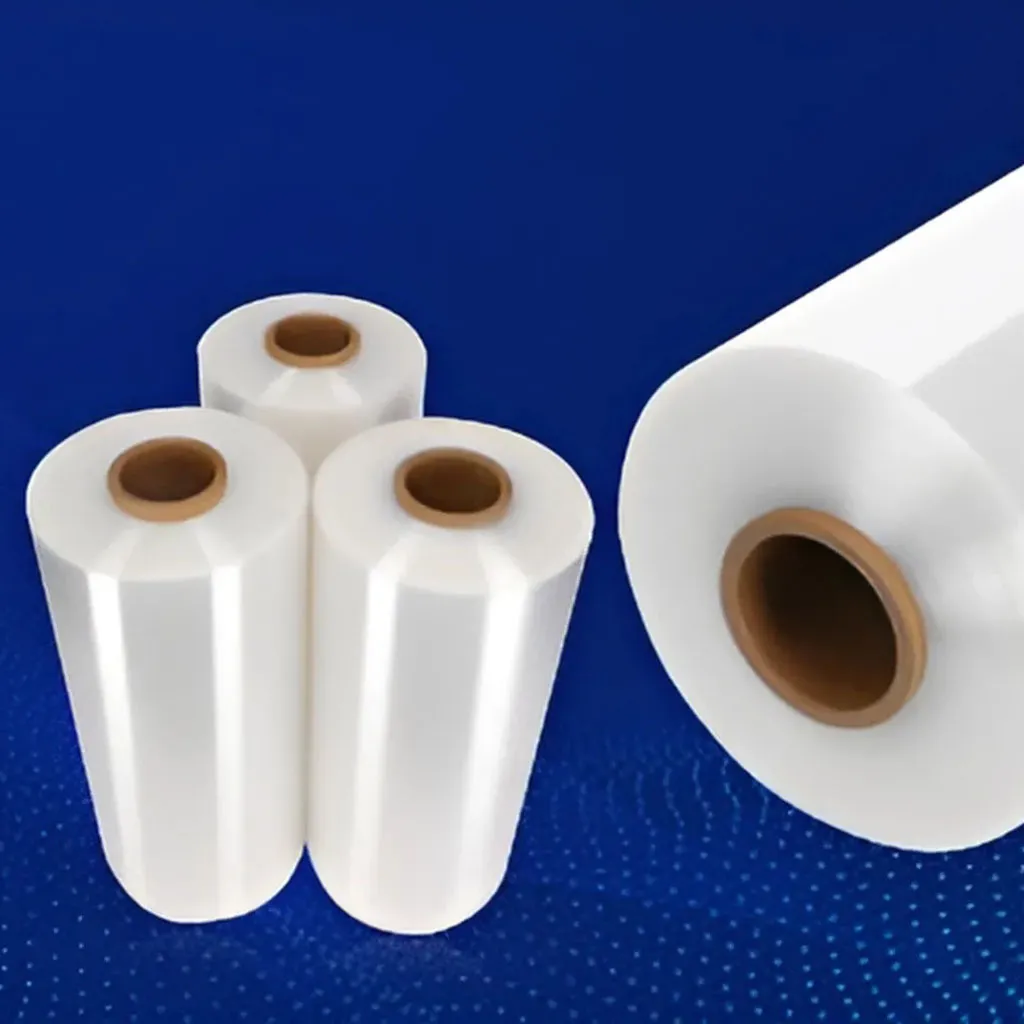
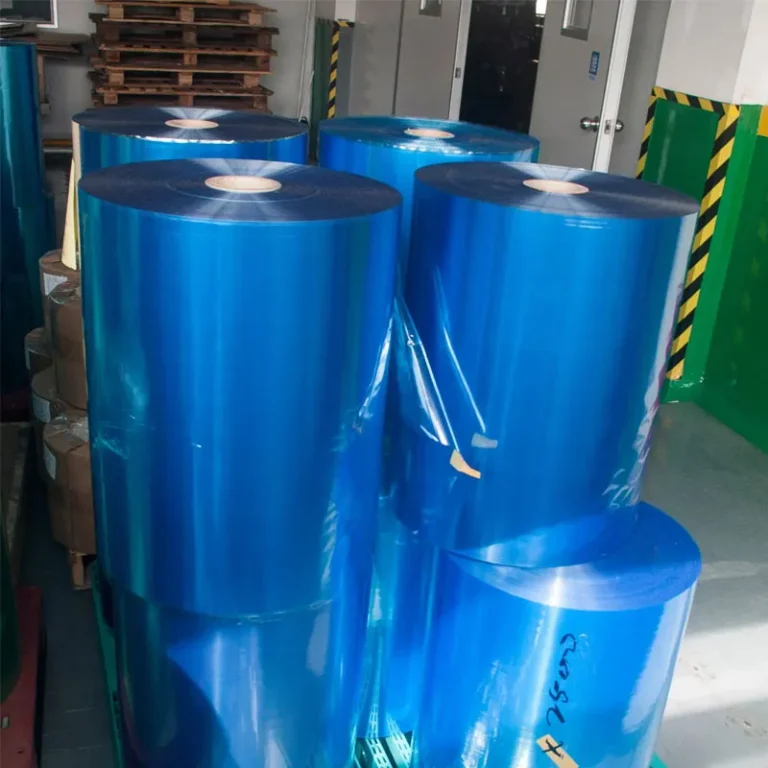
At its core, blister PVC film is a rigid thermoplastic material derived from polyvinyl chloride. It is specifically engineered for thermoforming applications where a heated sheet is molded into a specific blister cavity to hold a product securely in place. This type of packaging is ubiquitous across industries, valued for its ability to create a “bubble” or pocket that perfectly contours the item, providing a clear, tamper-evident, and secure display solution. We produce high-grade PVC calendered film that meets the rigorous demands of high-speed blister packaging lines.
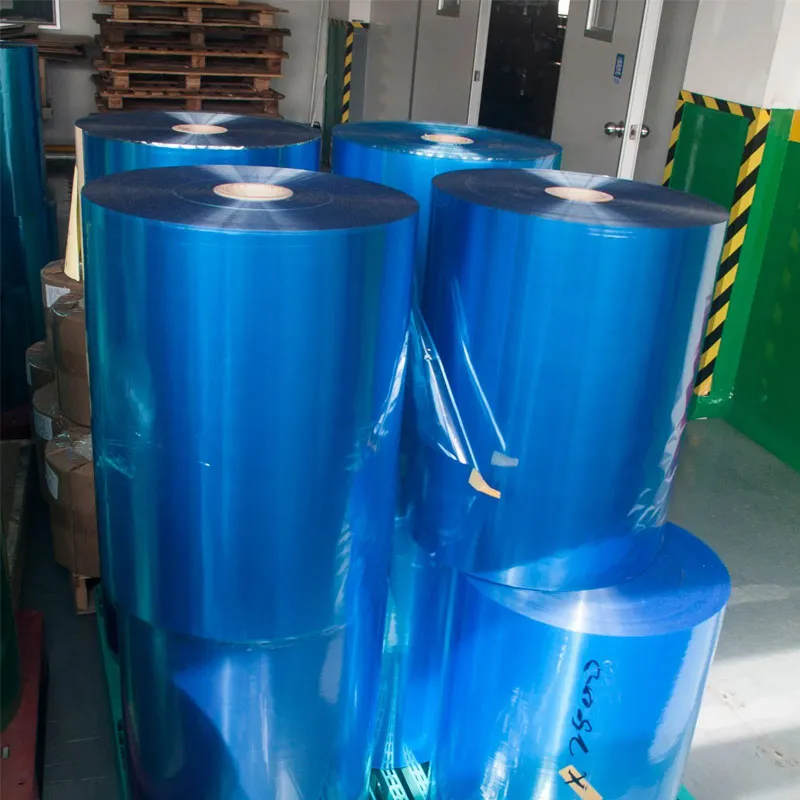
Why do packaging engineers and procurement managers consistently choose this material? The advantages extend far beyond simple plastic wrapping. The inherent properties of blister pvc film solve multiple logistical and marketing challenges simultaneously.
One of the primary selling points of blister packs is the aesthetic appeal. The high-gloss finish and crystal-clear transparency of the film allow consumers to fully view the product without opening the package. This visual appeal is crucial for retail shelf impact, making glossy PVC film a preferred choice for branding. Unlike some plastics that appear cloudy or yellowish, high-quality PVC maintains its optical purity to highlight the product’s details.
Engineers appreciate PVC for its wide processing window. It offers excellent hot melt strength, allowing the heated sheet to stretch into deep cavities without tearing or excessive thinning. This formability ensures that intricate shapes can be replicated accurately, providing a snug fit for complex items. Whether you need a shallow blister for a battery or a deep cavity for a toy, PVC film forming properties deliver consistent results on automated machines.
Compared to materials like PET or APET, PVC offers a significant cost advantage without sacrificing necessary performance metrics. It delivers a high strength-to-weight ratio, meaning you can use less material by weight to achieve the same protective result. Additionally, the global supply chain for PVC resin is mature and robust, ensuring that lead times remain stable for large-scale manufacturers.
The versatility of blister pvc film makes it a staple in diverse sectors. Here is a breakdown of its most common uses:
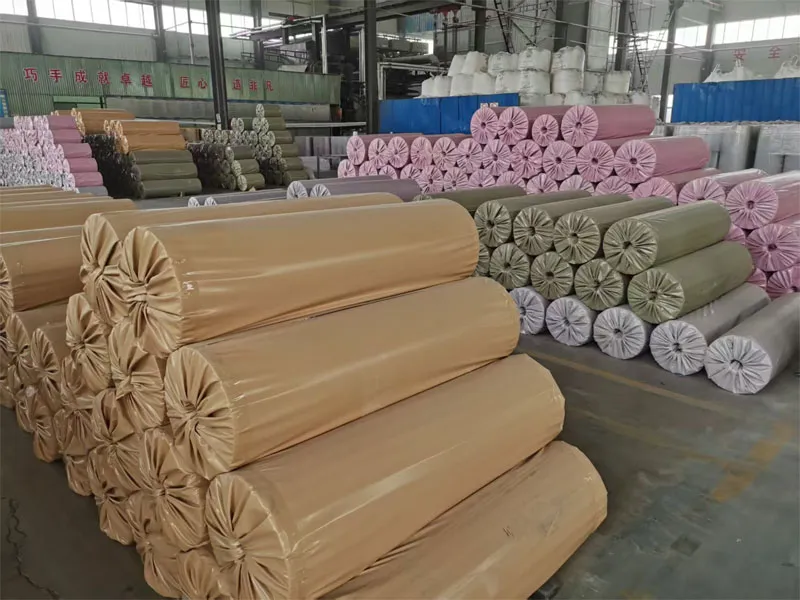
Not all PVC sheets are created equal. Selecting the perfect grade requires analyzing your production environment and the physical demands placed on the package. Below is a practical guide to the selection criteria:
The thickness directly impacts the barrier strength and the cost of your package. Choosing a film that is too thick wastes material, while one that is too thin can rupture. We recommend looking for suppliers who adhere to strict ASTM D6988 thickness testing standards to ensure uniform gauge distribution. Consistent thickness prevents weak spots that could compromise product safety during transit.
Depending on the application, you might need a film that is “glass clear” and hard, or one that is slightly softer with high impact resistance. Rigid PVC offers excellent clarity and barrier properties but can crack under high impact. Semi-rigid formulations incorporate impact modifiers to absorb energy, preventing breakage if the pack is dropped, which is assessed through plastic film impact resistance tests.
The surface of the film dictates how it feeds through packaging machinery. A film with a perfectly smooth finish minimizes dust attraction, but it can also stick or block during the feeding process. Often, a subtle embossed pattern is preferred on one side to allow air to escape between layers. Evaluating ISO 8295 coefficient of friction testing ensures smooth de-stacking on high-speed lines without jamming.
When sourcing blister pvc film, relying on internationally recognized quality benchmarks is non-negotiable. Here is a reference table aligned with industry testing protocols:
| Property | Testing Standard | Importance |
|---|---|---|
| Tensile Strength | ASTM D882 / ISO 527-3 | Determines how much pulling force the film can withstand without breaking. |
| Tear Resistance | ASTM D1004 / ISO 6383-1 | Crucial for preventing “notch propagation” from pressure points. |
| Thermal Stability | ASTM D1204 / ISO 11501 | Measures shrinkage to ensure the blister does not warp. |
| Optical Clarity | ASTM D1003 / ISO 13468 | Quantifies how much light passes through (Transmittance). |
If your packaging interacts with food or pharmaceuticals, regulatory compliance is paramount. Always verify that the supplier follows EU food contact regulations and relevant FDA standards. Premium films are formulated with non-toxic plasticizers and heavy-metal-free stabilizers, ensuring that the product inside remains uncontaminated and safe for human interaction.
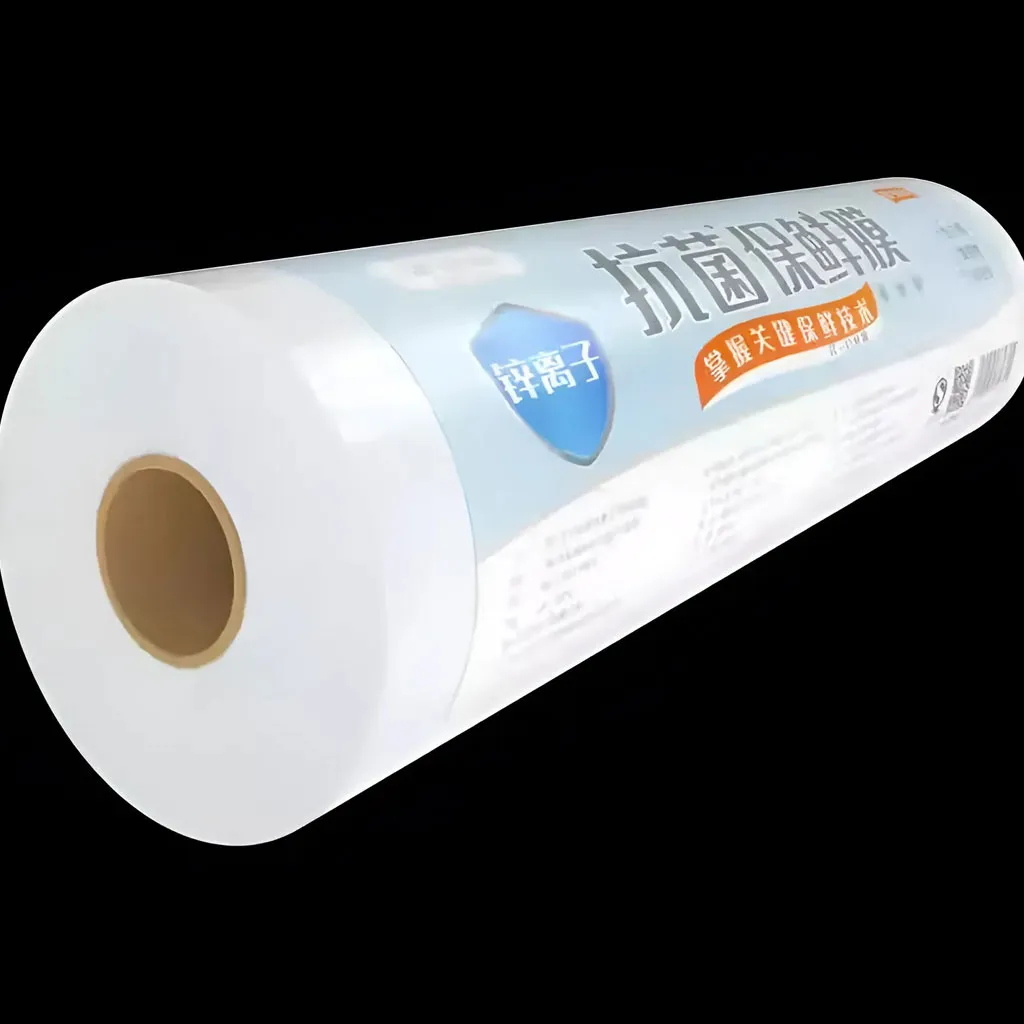
Modern manufacturing demands flexibility. The blister pvc film supply chain must support specific processing requirements, including anti-static properties for electronics packaging or UV inhibitors for light-sensitive products. The die-cutting and scoring characteristics of the film also matter; clean cuts on the backer card require a film that separates easily without creating “angel hair” strands that slow down automatic fill lines.
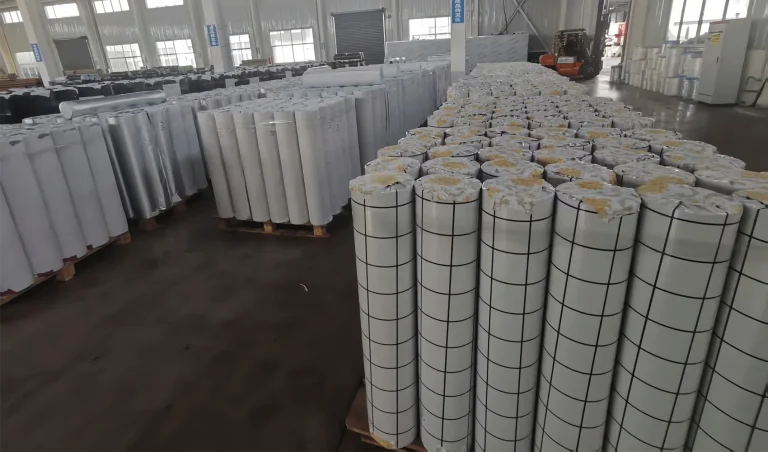
We at Pulivk understand these intricate needs. With advanced calendering lines that control every stage of production, we supply materials precisely calibrated for blister sealing, stretch wrapping, and cold form applications. Whether you need standard clear films or specialized roll stocks, our factory is structured to provide output with strict thickness tolerance and optimal thermoforming behavior without compromising on delivery timelines.
The conversation around plastic is evolving, and modern blister films are adapting with the circular economy. Modern formulations focus on down-gauging—achieving the same strength with less material—and improving recyclability. By choosing high-quality films with ASTM PVC film standards compliance, you ensure durability and alignment with sustainability goals through source reduction.
For more information on selecting the ideal substrate for your next project, visit our complete product catalog. We ensure your products stay secure, visible, and appealing throughout their shelf life.