Address
304 North Cardinal St.
Dorchester Center, MA 02124
Work Hours
Monday to Friday: 7AM - 7PM
Weekend: 10AM - 5PM
Address
304 North Cardinal St.
Dorchester Center, MA 02124
Work Hours
Monday to Friday: 7AM - 7PM
Weekend: 10AM - 5PM


Understanding BOPP film price helps buyers, specifiers, and procurement teams make smarter decisions when sourcing packaging, lamination, and decorative films. This guide breaks down the main cost drivers, typical price ranges, calculation tips, and practical ways to lower your per-unit expense without sacrificing performance.
Biaxially Oriented Polypropylene (BOPP) film is a versatile polymer film stretched in two directions for improved clarity, strength, and barrier properties. Price variation depends on material grade, thickness, coatings, printing, and post-processing such as corona treatment or metallization. Buyers searching for the right balance between cost and functionality must consider the intended application—printing & lamination, food packaging, or decorative surfaces.
Raw material (resin) price: The dominant component. Fluctuations in polypropylene feedstock and energy costs affect BOPP prices quickly.
Film thickness & density: Thicker films use more material and cost more per roll.
Surface treatment & coatings: Anti-fog, heat-seal coatings, or metallized layers add processing steps and cost.
Printing and finishing: Multi-color rotogravure or flexo printing increases unit cost, especially for short runs.
Roll size & packaging: Custom widths or split-packaging raise handling and cutting expenses.
| Type | Thickness (µm) | Common use | Price per kg (USD) | Approx. price per roll* |
|---|---|---|---|---|
| Clear BOPP (basic) | 12–23 | Labels, lamination | $1.10 – $1.80 | $20 – $70 (500–1000 m rolls) |
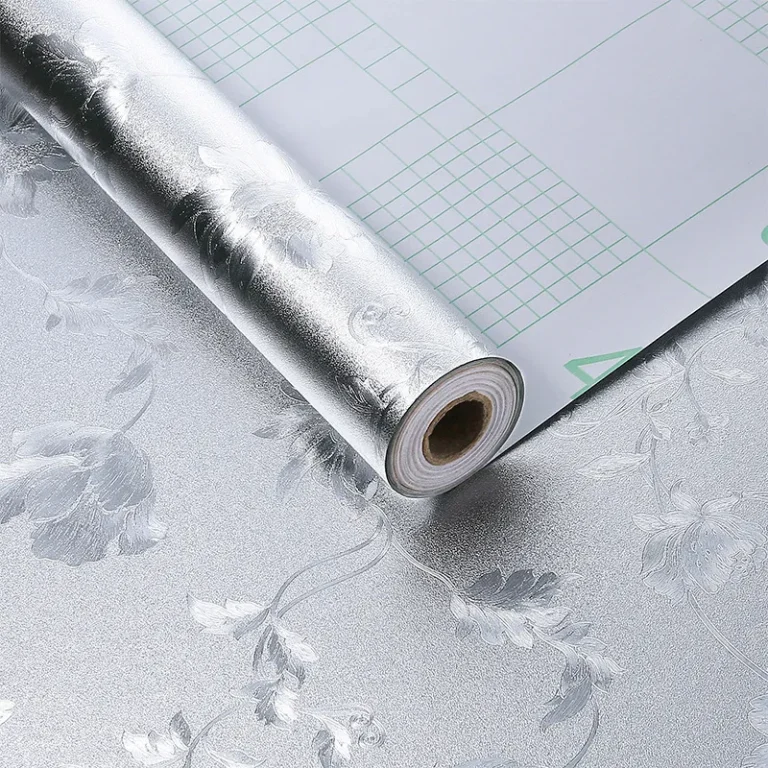
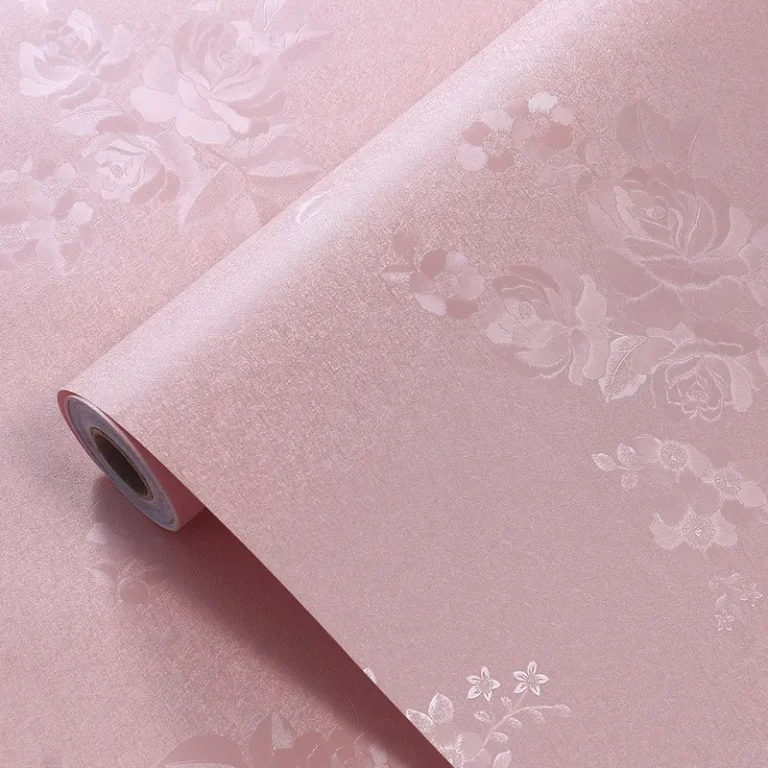
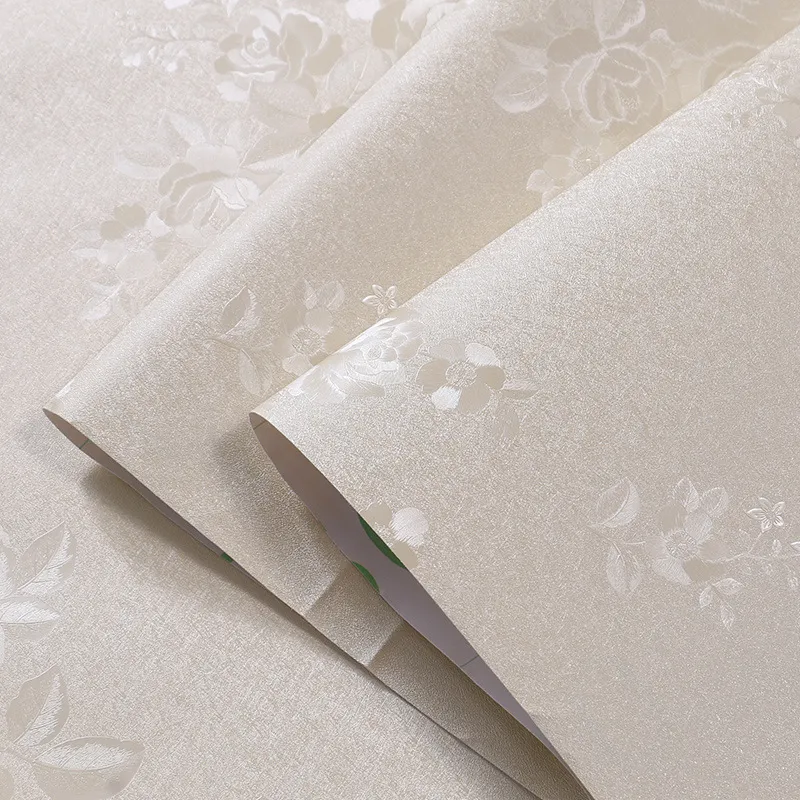
| Matte / Silk texture | 18–35 | Decorative, furniture wrap | $1.40 – $2.30 | $40 – $120 |
| Metallized / Heat-seal | 15–30 | Flexible packaging, pouches | $1.80 – $3.00 | $60 – $180 |
*Approximate roll prices depend on roll length, width, and local logistics. Use per-kg pricing to normalize quotes.
To estimate cost precisely, start with the price per kg. Then convert roll weight using thickness, width, and roll length:
Step 1: Calculate area (m²) = width (m) × length (m).
Step 2: Convert µm thickness to kg/m² using density (~0.9 g/cm³ for PP): weight (kg/m²) ≈ thickness (µm) × 0.0009.
Step 3: Multiply weight by price per kg to get cost per m², then multiply by area for roll cost.
If a 20 µm film costs $1.50/kg: weight = 20 × 0.0009 = 0.018 kg/m² → cost/m² = 0.018 × $1.50 = $0.027. A 1.2 m × 1000 m roll area = 1200 m² → roll cost material ≈ $32.40 (before printing, treatment, logistics).
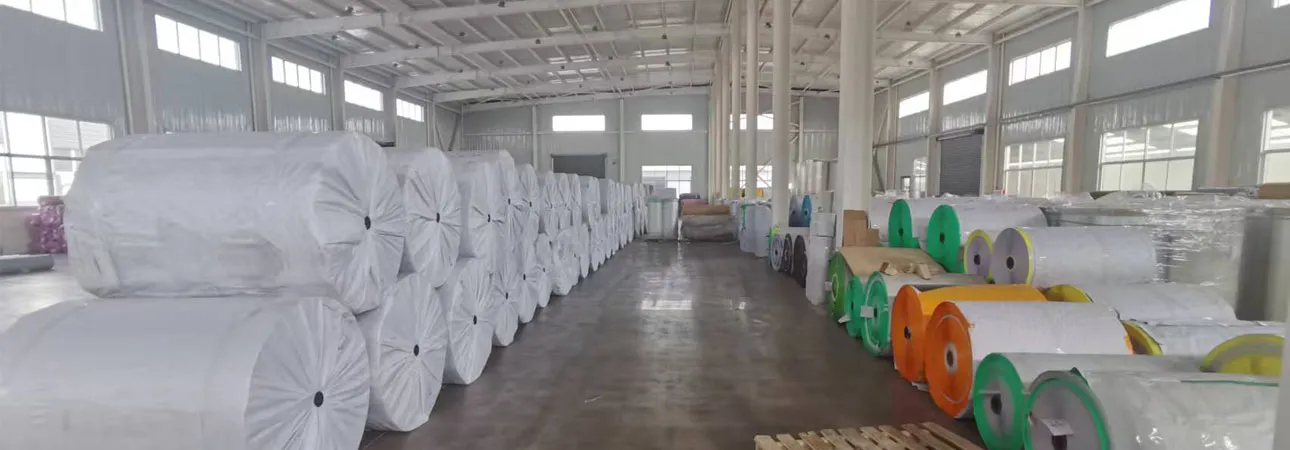
Ultra-low quotes often cut corners on raw material quality, thickness uniformity, or post-processing control. Check for: consistent gauge tolerance, adhesion after lamination, and documented QC steps. Paying a bit more for stable supply and reliable performance usually reduces waste and downstream costs.
Production lead times, split-packaging, and international shipping play a large role in final cost. Fast-track orders or small batch custom prints often incur premiums. Plan seasonal needs early to avoid rush fees.
Procurement teams for food packaging, label manufacturers, furniture and décor suppliers, and private-label brands benefit most from direct factory quotes because they can request OEM options, customized sizes, and split-packaging to control total landed cost.
Is price per kg the best comparison? Yes — it normalizes thickness and roll size differences and reveals true material costs.
Do printed films cost much more? Multi-color printing and special inks add significant cost; spot-color or simple prints are cheaper.
Can BOPP be recycled? BOPP is recyclable where facilities accept polypropylene films; recycled-content grades can also affect cost.
To obtain realistic pricing, share: target film type, thickness, roll width & length, printing specs, required surface treatment, and expected annual volume. For direct factory support and OEM options, contact Pulivk at https://pvcfilmtec.com/ for tailored quotes and sample evaluations.