Address
304 North Cardinal St.
Dorchester Center, MA 02124
Work Hours
Monday to Friday: 7AM - 7PM
Weekend: 10AM - 5PM
Address
304 North Cardinal St.
Dorchester Center, MA 02124
Work Hours
Monday to Friday: 7AM - 7PM
Weekend: 10AM - 5PM


Breather membranes are a critical component in modern building envelopes, designed to manage moisture, protect thermal insulation, and support long-term durability. This guide explains how these membranes work, their advantages, deployment scenarios, and practical tips for builders, architects, and homeowners.
Breather membranes are water-resistant, vapor-permeable sheets installed beneath external cladding or roofing. They allow moisture vapor to escape from the inside while preventing liquid water and wind-driven rain from penetrating the structure. This balance helps reduce condensation risk and preserves insulation performance.
• Moisture control: Permits vapor diffusion while blocking water ingress to minimize mould and rot.
• Improved insulation performance: Keeps insulation dry so it retains thermal efficiency.
• Air and wind resistance: Reduces drafts and heat loss in ventilated cavities.
• Durability and UV resistance: High-quality membranes withstand temporary UV exposure during construction.
• Lightweight and easy to install: Speeds up installation and reduces labour costs on site.
Different projects require different membrane types. Below is a quick reference table to help compare common options and their typical properties.
| Membrane Type | Permeability | Sd-value (approx.) | Typical Use |
|---|---|---|---|
| Breathable roofing underlay | High (g/m²/day)>2000 | 0.02–0.1 m | Pitched roofs, ventilated cavities |
| Waterproof but breathable wall wrap | Moderate (g/m²/day) 500–2000 | 0.05–0.3 m | External walls, rainscreen systems |
| Self-adhesive breather membrane | Varies by product | 0.02–0.2 m | Detail areas, laps, and overlaps for sealant-free attachment |
Breather membranes combine a microporous or monolithic film structure with hydrophobic additives so they repel liquid water but allow water vapor molecules to pass. The measure of breathability is often given as MVTR (g/m²/24h) or Sd-value; lower Sd-values indicate greater permeability.
Used beneath tiles, slates, or metal sheeting in pitched roofs to provide a secondary barrier and to protect insulation from rain or condensation during construction and service life.
Installed behind cladding systems to create a ventilated cavity, reduce wind-driven rain penetration, and allow trapped moisture within the wall to escape outward.
In some systems breather membranes are used in ground-floor build-ups to manage incidental moisture and protect insulation from damp transfer, particularly in timber-frame constructions.
1. Ensure correct orientation: breathable side must face the conditioned space as specified by the manufacturer.
2. Overlap vertical and horizontal laps according to product guidance—typically 100–150 mm—and tape overlaps with compatible adhesive tapes.
3. Seal around penetrations (pipes, chimneys, windows) using purpose-made flashing and tapes to maintain continuity.
4. Protect membranes from prolonged UV exposure; install cladding or roof covering as soon as practicable.
5. Ventilate cavities correctly—breather membranes perform best with designed ventilation paths.
• Using a non-breathable membrane where vapor needs to escape, which can trap condensation.
• Poorly sealed laps or unsupported penetrations causing water ingress or air leakage.
• Exceeding the manufacturer’s recommended UV exposure time during construction.
When installed and protected correctly, modern breather membranes can last the lifetime of the cladding or roof — typically several decades. Periodic inspections after major storms or building alterations help spot damage early.
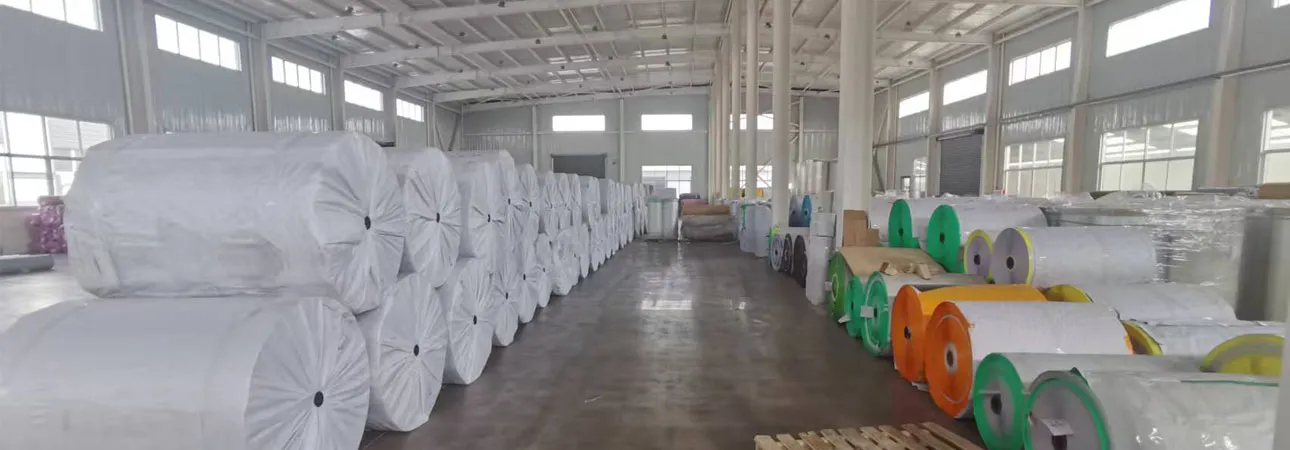
For reliable supply and OEM options, consider manufacturers with full in-house production and strict QC. Pulivk offers a range of calendered and specialized films suitable for building envelope applications; visit their site for product options and custom solutions.