Address
304 North Cardinal St.
Dorchester Center, MA 02124
Work Hours
Monday to Friday: 7AM - 7PM
Weekend: 10AM - 5PM
Address
304 North Cardinal St.
Dorchester Center, MA 02124
Work Hours
Monday to Friday: 7AM - 7PM
Weekend: 10AM - 5PM


 ByPulivk
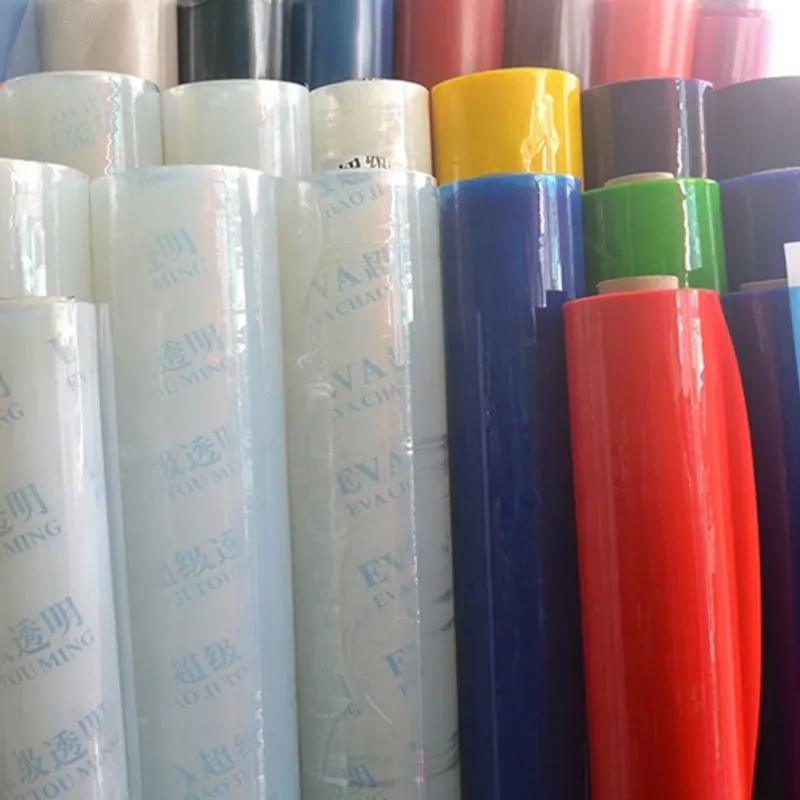
Can recycled PVC film be used? Short answer: yes — but with caveats. This guide explains where PVC regrind (recycled PVC film) works well, what performance to expect, processing tips, and how to choose a supplier so you get safe, cost-effective results.
PVC regrind is material recovered from post-industrial or post-consumer PVC film, ground into flakes or pellets and reintroduced into production. Regrind can come from trim scrap, defective rolls, edge trimming, and waste from lamination or printing. When processed correctly, regrind preserves many of PVC’s useful properties while reducing raw material cost and landfill waste.
Post-industrial scrap — controlled, cleaner material from manufacturing lines (highest-value regrind).
Post-consumer film — used packaging, protective films, and decals (more variable quality).
Off-spec or printed film — sometimes used after deinking or sorting.
Recycled PVC film is most reliable in non-critical, protective, decorative, or composite uses. Typical applications include:
Protective surface films for stone, metal, or furniture — where temporary protection and cost-savings are primary.
Floor and skirting films for construction sites or temporary coverings.
Composite and multi-layer products where regrind is blended into outer or inner layers to lower cost while virgin PVC or other layers maintain barrier properties.
Extruded profiles and non-food packaging where regulatory food-contact constraints do not apply.
Industrial goods such as cords, gaskets, or molded non-structural parts (after proper testing).
Regrind affects mechanical properties (tensile strength, elongation), color consistency, and potential contamination levels. Proper sorting and additive adjustments can mitigate many issues.
| Blend (%) | Expected Impact | Common Uses |
|---|---|---|
| 0–10% | Minimal mechanical change; color stable | High-quality films, printing substrates |
| 10–30% | Slight reduction in elongation; cost-effective | Protective films, flooring covers, laminated cores |
| 30–50% | Noticeable property shifts; needs stabilizers | Non-critical laminates, composite layers |
| 50%+ | Significant variability; careful QA required | Low-cost protective covers, some molded parts |
Using recycled PVC film successfully requires attention to contamination, additive balance, and processing setup:
Sorting & cleaning: Remove non-PVC contaminants (PET, PE, metals, paper). Washing and trimming are crucial.
Dechlorination concerns: Prolonged thermal stress can release HCl — add heat stabilizers and control processing temperatures.
Color & odor control: Printed or pigmented scrap may need deinking or be limited to darker/color-masked products.
Additives & compatibilizers: Reintroduce plasticizers, stabilizers, and impact modifiers to meet target specs.
Testing: Routine mechanical, thermal, and chemical testing (TGA, tensile, elongation, melt flow, VOCs) ensures consistent batches.
Dry blending with virgin resin before melting, using twin-screw extruders for better dispersion, and running small pilot batches to optimize temperatures and screw speed will reduce defects. If you use printed scrap, pre-strip inks or limit use to non-visible layers.
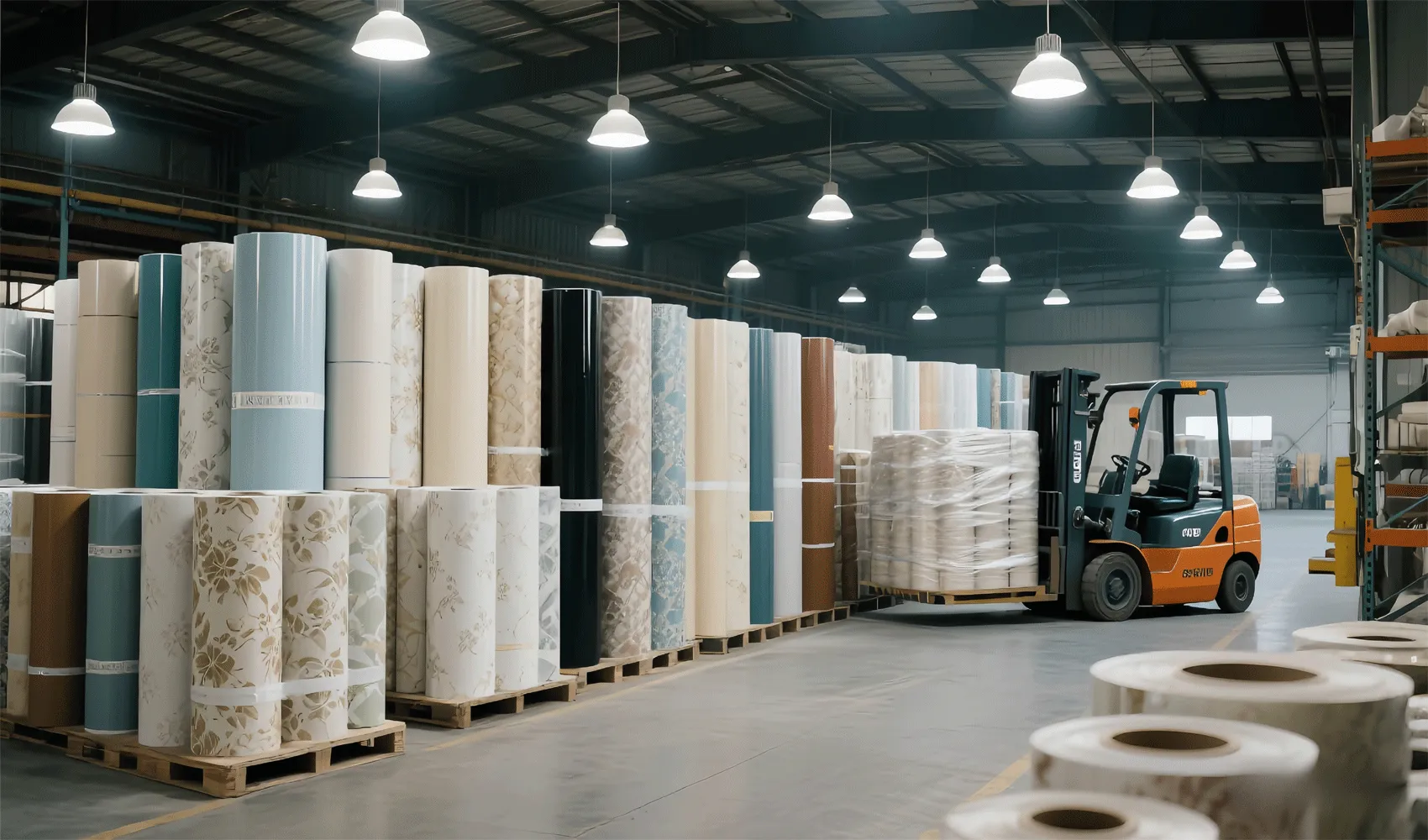
Advantages: cost reduction, lower environmental footprint, reduced raw-material demand, and opportunity for circular manufacturing.
Limitations: variable mechanical performance, color inconsistency, potential contamination, and regulatory constraints for food/medical contact applications.
Recycled PVC used in consumer or food-contact products must meet regional requirements. In Europe, REACH and food-contact regulations can restrict certain additives; in the U.S., FDA rules apply for food-contact materials. Always verify additive history and run migration/VOC tests if end-use is regulated.
Look for suppliers that provide:
Traceability and certificates for source material
Quality control data (particle size, ash content, melt flow)
Customized blends and technical support for processing
Experience in calendering and film conversion — this helps when matching recycled batches to finished film performance
For full in-house production capability and OEM support in PVC film, consider a supplier with calendering, printing, and split-packaging experience to control quality from raw material to finished roll. Pulivk operates an integrated production chain that helps customers manage cost and consistency.
Generally no, unless the regrind and additives are fully documented and tested to meet food-contact regulations in the target market.
Start at 10–20% blend in high-spec applications. For non-critical coverings or protective films, blends up to 30% are common with proper stabilizers and QA.
Yes — color consistency and surface energy can change. Use regrind in back layers or non-printed surfaces, or run ink adhesion tests if printed surfaces are required.
Recycled PVC film delivers material and environmental benefits when matched correctly to application requirements. Use controlled post-industrial regrind for best outcomes, employ robust QC and additive strategies, and partner with experienced manufacturers to integrate regrind smoothly into production.