Address
304 North Cardinal St.
Dorchester Center, MA 02124
Work Hours
Monday to Friday: 7AM - 7PM
Weekend: 10AM - 5PM
Address
304 North Cardinal St.
Dorchester Center, MA 02124
Work Hours
Monday to Friday: 7AM - 7PM
Weekend: 10AM - 5PM


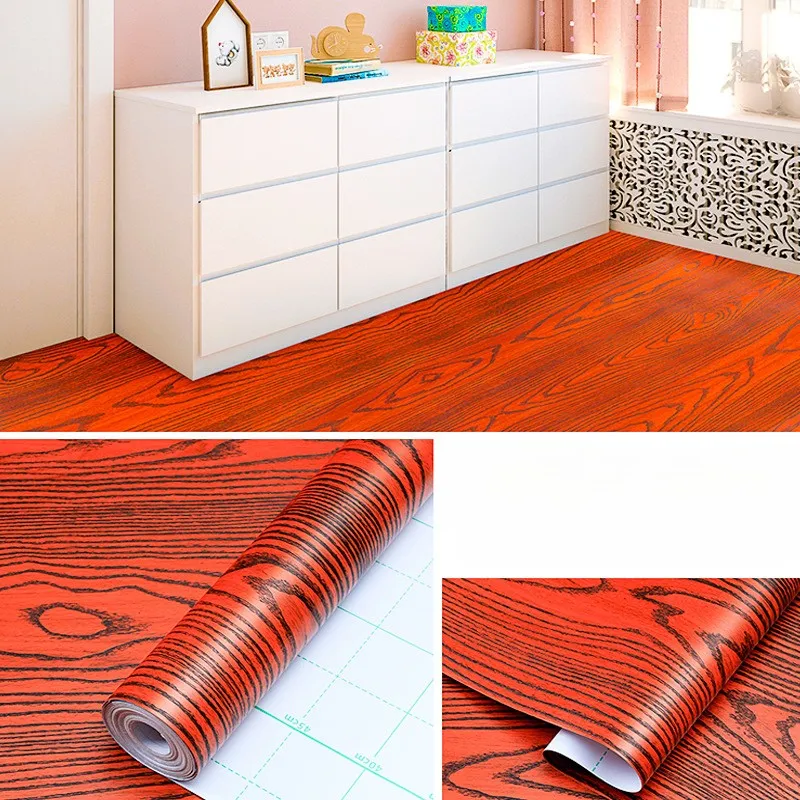
In the diverse world of industrial and decorative materials, finding a solution that combines durability, safety, and versatility can be a challenge. Clear Chemical Resistant PVC Film emerges as a standout choice, offering a unique blend of properties that make it indispensable across numerous sectors. This transparent polyvinyl chloride film is engineered to withstand exposure to harsh chemicals while maintaining its clarity and structural integrity, providing a protective and aesthetic layer for countless applications.
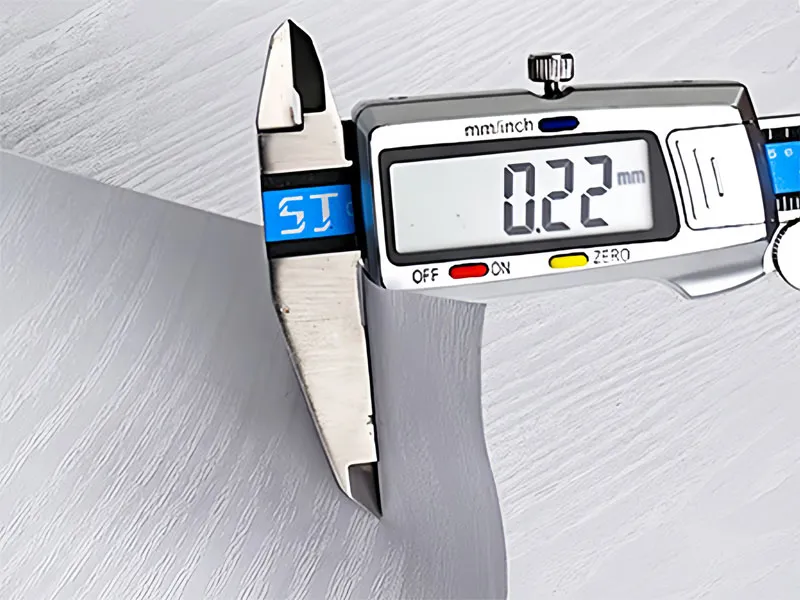
The effectiveness of this specialized film lies in its core material properties, which are enhanced through precise manufacturing processes like calendering.
This is the defining characteristic. The film is formulated to resist degradation from a wide range of acids, alkalis, oils, solvents, and cleaning agents. This prevents swelling, discoloration, or weakening, ensuring long-term performance in aggressive environments.
→ Key Benefit: It acts as a reliable barrier, protecting underlying surfaces from corrosive spills and splashes, which is crucial in laboratories, industrial kitchens, and manufacturing facilities.
Unlike many protective materials that are opaque, this film offers excellent optical clarity. It allows for clear visibility of labels, instruments, or surfaces beneath it, which is vital for control panels, machine windows, and display cases.
The film possesses high tensile strength and tear resistance, providing a tough, protective layer that can endure physical abrasion and impact without easily puncturing or ripping.
It remains flexible across a range of temperatures, allowing it to conform smoothly to curved or irregular surfaces without cracking or peeling, ensuring complete coverage and adhesion.
The unique properties of Clear Chemical Resistant PVC Film unlock a vast array of applications across different industries.
In settings where hygiene and contamination control are paramount, this film is used to protect walls, doors, and furniture in clinics, hospitals, and cleanrooms. Its smooth surface is non-porous and easy to disinfect repeatedly.
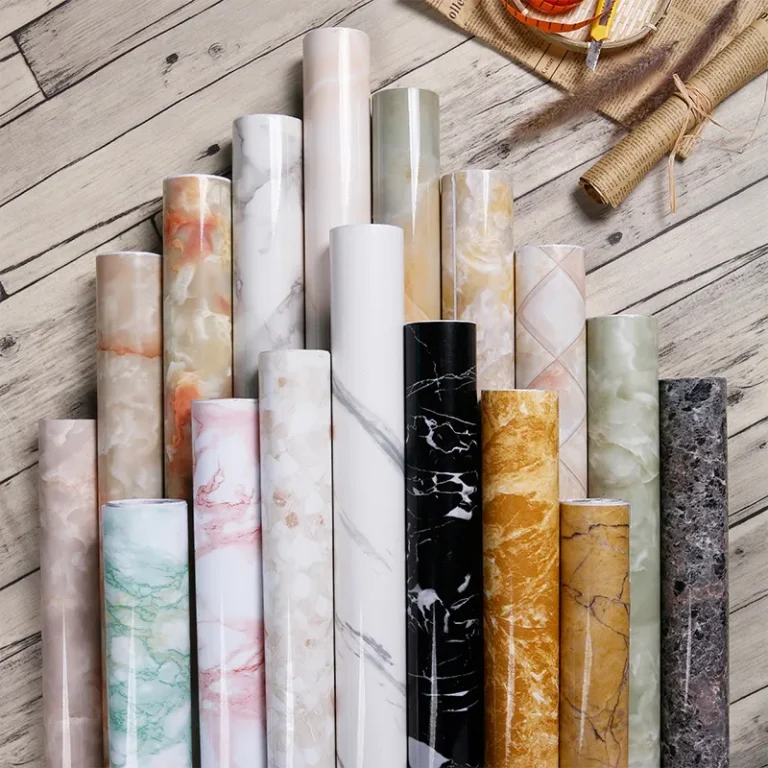
Resistant to food acids, oils, and aggressive cleaners, it is ideal for protecting wall surfaces behind cooking stations, shelf liners, and menu boards. Its clarity is also useful for covering nutritional information or safety instructions. For areas requiring specific aesthetics, such as backsplashes, a marble film might be chosen for decorative purposes, while the clear chemical-resistant variant handles the protection.
Used to protect countertops, display cases, and signage in retail environments, especially those selling chemicals, cosmetics, or food, where products may cause stains or damage.
While clear chemical-resistant film handles wall and surface protection, other specialized films address different needs. For instance, floor film is engineered for high-traffic areas, offering slip resistance and durability underfoot. Similarly, for creating luxurious finishes on furniture and fixtures, a glossy wardrobe film provides a high-shine, protective surface that is also easy to clean.
By shielding expensive equipment, furniture, and architectural surfaces from chemical and physical wear, the film significantly reduces repair, refinishing, and replacement costs.
It creates a seamless, non-absorbent barrier that is easy to sanitize, helping facilities meet strict health and safety regulations, particularly in food and medical environments.
Applying the film is a far more economical solution than replacing an entire surface or using specialized, chemically-resistant building materials for initial construction.
→ Ease of Cleaning: Spills and stains wipe away effortlessly from the non-stick surface with standard cleaners, minimizing downtime and labor for maintenance staff. When the film itself becomes worn, it can be peeled off and replaced without damaging the substrate, offering a renewable surface.
Its clarity ensures that the original appearance of a surface—be it a wood grain, a painted wall, or a stainless-steel finish—remains visible and unaffected, maintaining the designed aesthetic while adding a layer of protection.
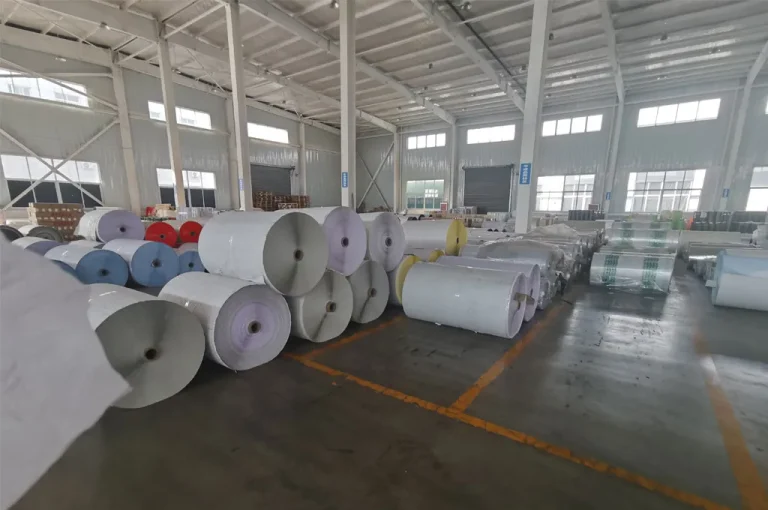
Not all PVC films are created equal. Sourcing from a manufacturer with integrated control over the production process ensures consistency, quality, and performance. Companies like Pulivk Film, with expertise in PVC film production, bring distinct advantages:
From raw material compounding to calendering and final slitting, in-house control guarantees that every roll of chemical-resistant film meets stringent specifications for thickness, clarity, and resistance.
Beyond standard rolls, suppliers can offer films in custom thicknesses, widths, and with specific adhesion properties (e.g., permanent or removable adhesive backing) to fit precise project requirements.
Reputable manufacturers ensure their films comply with relevant international safety and environmental standards (such as REACH, RoHS), providing peace of mind for global projects and sensitive applications.
Standard clear PVC film offers basic protection against dust and moisture. Chemical-resistant film is specially formulated with additives that provide a much higher level of resistance to a broad spectrum of aggressive chemicals, oils, and solvents, making it suitable for industrial and laboratory use.
It adheres best to smooth, non-porous surfaces like glass, metal, painted wood, and laminates. Surface preparation (cleaning and drying) is crucial for optimal adhesion. It is not recommended for porous or uneven surfaces without a specific primer or substrate.
This depends on the specific formulation. It is essential to request films that are certified as food-safe or compliant with regulations like FDA CFR 21 if the application involves direct or indirect food contact. Reputable suppliers can provide the necessary documentation.
The resistance is a material property and lasts the lifetime of the film. However, prolonged exposure to extreme concentrations of certain chemicals or physical abrasion can eventually degrade the surface. The film is designed as a replaceable protective layer.
Yes, one of its advantages is that it can be digitally printed or screen-printed with labels, instructions, or graphics. The print is then protected under the clear, resistant layer, making it ideal for durable instructional labels on equipment or chemical containers.