Address
304 North Cardinal St.
Dorchester Center, MA 02124
Work Hours
Monday to Friday: 7AM - 7PM
Weekend: 10AM - 5PM
Address
304 North Cardinal St.
Dorchester Center, MA 02124
Work Hours
Monday to Friday: 7AM - 7PM
Weekend: 10AM - 5PM


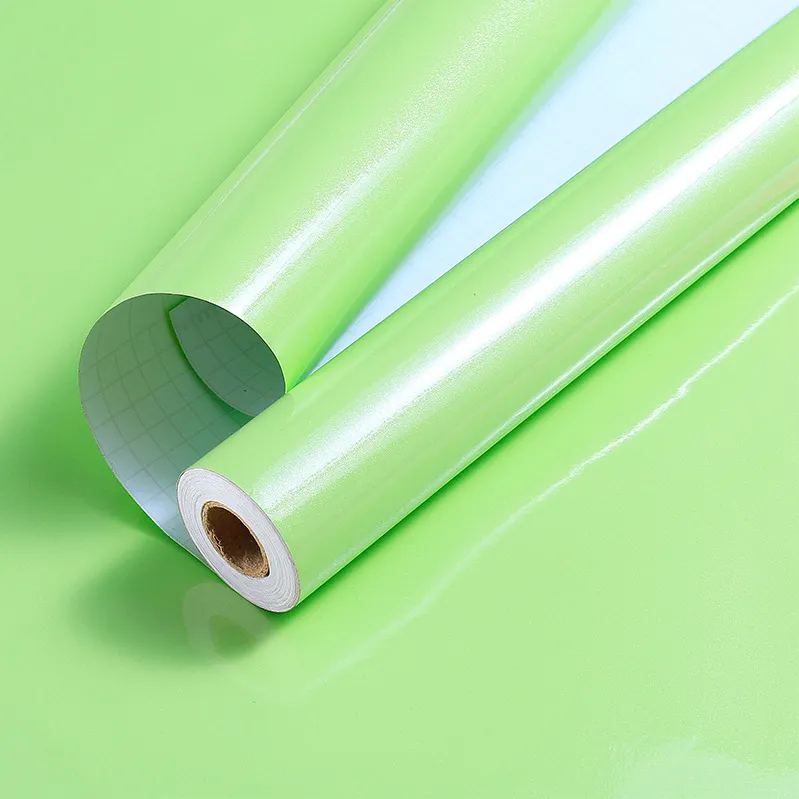
Air duct film, a specialized subset of PVC films, is an essential component in modern HVAC (Heating, Ventilation, and Air Conditioning) systems. These films are designed to line, seal, and protect air ducts, ensuring efficient airflow, preventing contamination, and improving indoor air quality. This comprehensive guide explores the various types of air duct films, their wide-ranging applications, and provides practical installation tips for both professionals and DIY enthusiasts.
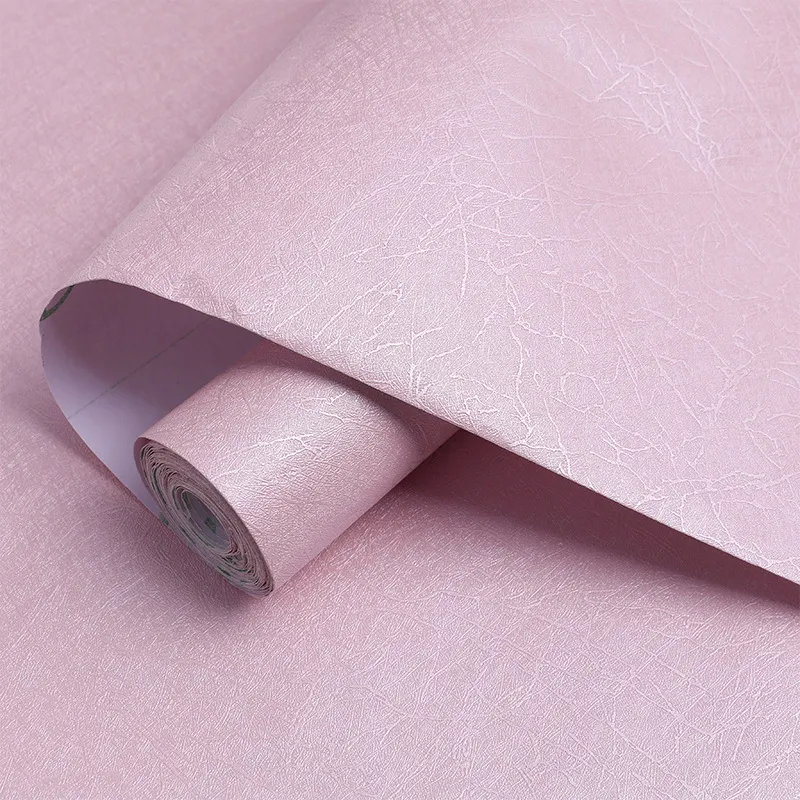
At its core, air duct film is a durable, flexible sheet material, often based on polyvinyl chloride (PVC) or other polymers, engineered for use within air handling systems. Its primary functions are to create an airtight seal, act as a vapor barrier, and prevent dust, mold, or insulation fibers from entering the airstream. High-quality films, like those produced by specialists in the field, are crucial for maintaining system efficiency and a healthy indoor environment.
The choice of film depends heavily on the duct type, location, and specific performance requirements. Here’s a breakdown of the most common varieties:
These are the most common type, used to wrap fiberglass duct board or line sheet metal ducts. Their main job is to prevent moisture from condensing on the cooler duct surface and soaking into the insulation, which can lead to mold growth and reduced R-value. They are typically reinforced with scrim or fabric for added durability.
Used inside flexible ducts (the wire-helix, insulated tubes), this film provides a smooth interior surface that minimizes air friction and turbulence. A smooth surface, as found in high-quality calendered films, is critical for maintaining optimal airflow and reducing energy loss.
These are specialized, often self-adhesive films or tapes used to seal joints, seams, and connections in ductwork. They create a permanent, airtight bond that is superior to traditional duct tape, which can dry out and fail over time.
This film serves as the outer protective layer on insulated ducts, particularly those located in unconditioned spaces like attics or crawl spaces. It protects the insulation from physical damage, UV radiation (for outdoor sections), and pests.
The use of air duct film extends across residential, commercial, and industrial settings. Its role is often invisible but fundamentally important to system performance.
In homes, air duct film is used to seal and insulate ductwork running through attics, basements, and between walls. Proper sealing with quality film can prevent up to 30% of air loss, directly lowering energy bills and improving comfort by ensuring conditioned air reaches its intended destination. It also plays a vital role in preventing musty odors caused by mold growth in damp insulation.
Offices, schools, and hospitals rely on complex, large-scale HVAC systems. Here, air duct film is critical for maintaining indoor air quality (IAQ) by containing insulation fibers and preventing cross-contamination between different building zones. Fire-retardant films are mandatory in these applications. The film also helps systems comply with energy efficiency standards like LEED.
In factories, laboratories, or cleanrooms, specialized duct films with anti-static or chemical-resistant properties may be used. They help control particulate matter, fumes, and ensure the integrity of sensitive processes. For instance, a film with a smooth, non-porous surface is easier to clean and less likely to harbor contaminants.
Beyond pure HVAC, the technology behind durable, decorative films finds parallels in other construction areas. For example, the protective and aesthetic principles are similar to those used in PVC skirting film for walls or vinyl kitchen flooring, where sealing, durability, and hygiene are paramount.
Correct installation is as important as selecting the right film. Poor installation can negate all the benefits of a high-quality product.
1. Surface Cleaning: Ensure the duct surface (whether metal, fiberglass board, or old insulation) is completely clean, dry, and free of dust, oil, or loose debris. Any contamination will prevent proper adhesion.
2. Material Inspection: Unroll and inspect the film for any defects, tears, or manufacturing flaws before starting.
3. Tool Gathering: Have the right tools ready: sharp utility knives or scissors, a roller or stiff brush for smoothing, appropriate adhesive or mastic, and a notched trowel if using paste.
For Vapor Barriers on Duct Board:
Cut the film to size with a generous overlap (typically 2-3 inches). Apply adhesive to the duct board flange. Press the film onto the adhesive, starting from one edge and smoothing it outwards to eliminate wrinkles and air pockets. Use a roller to ensure a firm bond. Seal all seams and overlaps with approved pressure-sensitive tape or mastic.
Sealing Joints and Seams:
For permanent sealing, mastic is preferred over standard duct tape. Apply mastic with a brush or trowel over the seam, then embed a fiberglass mesh tape into it. Apply a second coat of mastic over the tape, feathering the edges. This creates a flexible, long-lasting seal that won’t degrade.
Once installed, visually inspect all seams and joints for gaps, wrinkles, or poor adhesion. For critical systems, a duct blaster test can quantify the airtightness of the entire system, verifying the effectiveness of the sealing work done with the film.
Given its functional importance, sourcing air duct film from a reliable manufacturer is key. A reputable supplier like Pulivk Film offers distinct advantages:
Exploring a supplier’s broader product range, such as their decorative films, can also provide insights into their material technology and quality standards, which translate directly to their technical films like those for ducts.
No. Ordinary plastic sheeting (e.g., painter’s plastic) lacks the necessary durability, tear strength, and often the proper fire rating. It can degrade, tear easily, and may not meet building code requirements. Always use film specifically designed and labeled for HVAC/air duct applications.
A high-quality air duct film, installed correctly in a protected environment (like inside a wall or ceiling), should last the lifetime of the duct system—typically 20-30 years or more. Exposure to UV light, physical damage, or extreme temperatures can shorten its lifespan.
Sealing accessible ducts in a basement or attic can be a manageable DIY project for a handy homeowner, focusing on seams and joints with mastic. However, wrapping new duct board or lining entire systems is best left to HVAC professionals. They have the expertise, tools, and knowledge of local codes to ensure it’s done correctly and safely.
An air barrier stops the movement of air. A vapor barrier slows the diffusion of water vapor. A high-performance air duct film is designed to function as both. It creates an airtight seal (air barrier) and has a very low perm rating to restrict moisture vapor diffusion (vapor barrier).
Yes. Manufacturers are increasingly offering films with reduced volatile organic compound (VOC) emissions and those made with recycled content. Look for products with certifications like Greenguard Gold, which indicates low chemical emissions, contributing to better indoor air quality. Always check the manufacturer’s specifications and data sheets for this information.