Address
304 North Cardinal St.
Dorchester Center, MA 02124
Work Hours
Monday to Friday: 7AM - 7PM
Weekend: 10AM - 5PM
Address
304 North Cardinal St.
Dorchester Center, MA 02124
Work Hours
Monday to Friday: 7AM - 7PM
Weekend: 10AM - 5PM



Blue light blocking films have become a popular add-on for screens and windows, marketed to reduce eye strain, improve sleep, and protect the retina from high-energy visible (HEV) light. But how much of that marketing is science-backed? This article breaks down what blue light is, how blocking films work, what studies show, and practical guidance on whether a film is right for you.
Blue light is part of the visible spectrum (roughly 400–500 nm). Shorter wavelengths in that band (near 400–450 nm) carry more energy and are sometimes called high-energy visible (HEV) light. Everyday sources include sunlight, LED lighting, phones, tablets, and computer monitors. Concerns fall into two general categories: (1) short-term symptoms like digital eye strain, and (2) long-term retinal effects from cumulative exposure. Current evidence supports clear links to the first; evidence for the second remains limited and context-dependent.
| Range | Typical sources | Common concerns |
|---|---|---|
| 400–450 nm (HEV) | Sunlight, white LEDs, screens | Glare, sleep disruption, theoretical photochemical risk |
| 450–500 nm | Displays, ambient LEDs | Reduced contrast, possible eye fatigue |
Blue light blocking films are thin layers applied to screens or windows that selectively filter short-wavelength light. They work by absorbing or reflecting a portion of the blue spectrum, often reporting a percentage (e.g., 30%–90%) of blue light reduction. Many films also add anti-glare or anti-reflective coatings to reduce surface reflections, which can improve perceived contrast and comfort.
Clinical studies and laboratory research show mixed but informative results:
Benefits observed: reduced symptoms of digital eye strain (less tearing, reduced dryness, fewer headaches), improved visual comfort during long screen sessions, and in some cases better evening sleep quality when blue light is reduced in the hours before bedtime.
Limitations and caveats: laboratory models demonstrate retinal photochemical damage at very high intensities of blue light, but those conditions often exceed typical screen exposure. Long-term population-level evidence that normal device use causes retinal disease is weak. In short: films can help comfort and circadian effects, but claims about preventing macular degeneration in everyday scenarios are overstated.
Not everyone needs a blue light filter, but certain groups commonly see measurable benefits:
• People who spend many uninterrupted hours on screens (office workers, students, coders).
• Night-shift workers or evening device users who want better sleep onset.
• Individuals with light sensitivity or chronic headaches linked to screen glare.
• Older adults who experience increased glare or reduced contrast sensitivity.
| Option | Primary advantage | Key limitation |
|---|---|---|
| Physical film (screen/window) | Always active, anti-glare options | Varied optical clarity; choose high-quality film |
| Software filters (night mode) | Easy, adjustable by time | Only affects device, not ambient lighting |
| Blue-light blocking lenses | Wearable across devices; lens quality matters | May introduce color shift or tint |
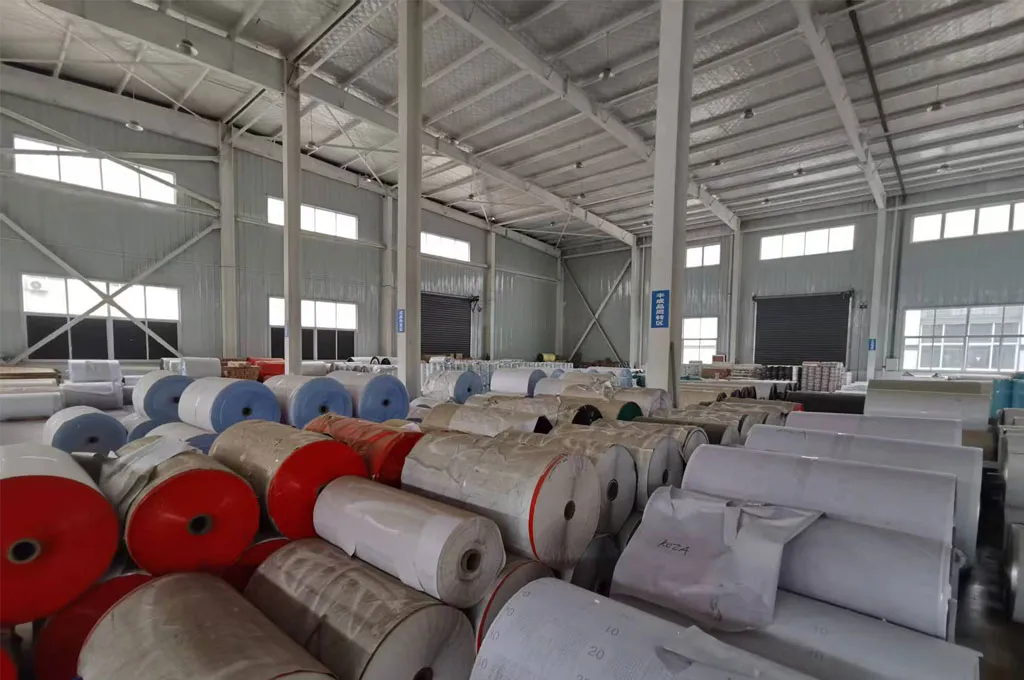
When selecting a film, look for: verified blue light reduction specs (ideally third-party tested), high optical clarity and low color distortion, anti-glare or anti-reflective coatings, scratch resistance, and good warranty/return policy. If you need custom sizes or OEM options for multiple devices or large windows, consider manufacturers that support tailored orders and stable production—Pulivk offers in-house calendering and printing lines for customized PVC film solutions.
Beyond installing a blue light filter, follow these evidence-based habits: use the 20-20-20 rule (every 20 minutes look 20 feet away for 20 seconds), reduce screen brightness to match ambient light, position monitors to minimize glare, use warm lighting in the evening, and consider screen breaks or task rotations during long computer sessions.
Bottom line: Blue light blocking film is effective at reducing certain wavelengths, which can ease digital eye strain and help with evening sleep timing for some users. It is not a universal cure-all for long-term retinal disease; choose high-quality products and combine them with healthy screen habits for the best results.