Address
304 North Cardinal St.
Dorchester Center, MA 02124
Work Hours
Monday to Friday: 7AM - 7PM
Weekend: 10AM - 5PM
Address
304 North Cardinal St.
Dorchester Center, MA 02124
Work Hours
Monday to Friday: 7AM - 7PM
Weekend: 10AM - 5PM


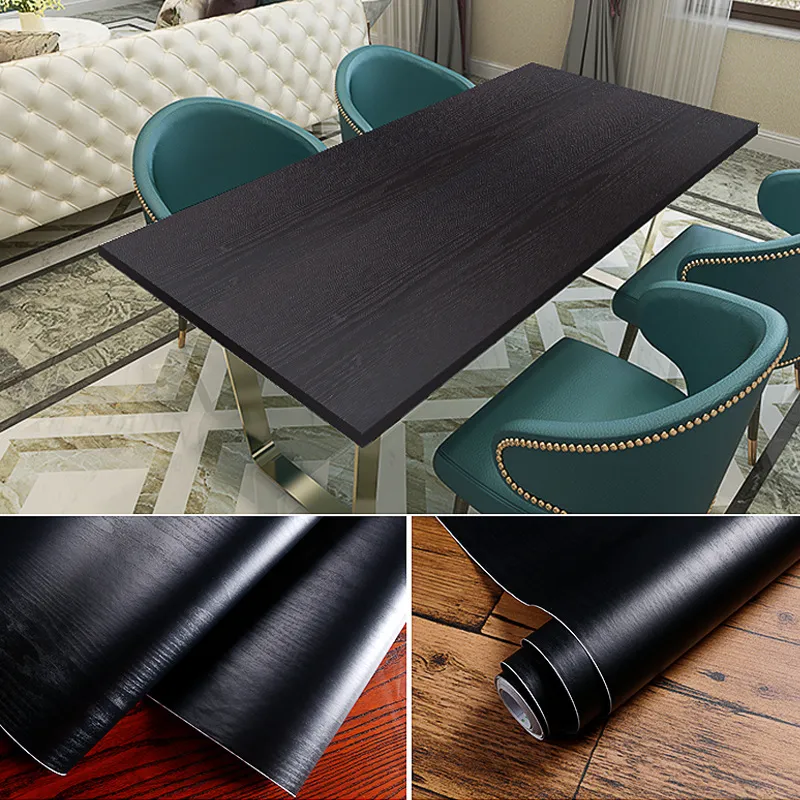
PVC self-adhesive film is a popular, cost-effective way to refresh surfaces, protect furniture, or add decorative finishes. One of the most common questions homeowners, installers, and designers ask is: does PVC self-adhesive film leave residue when removed? The short answer: it depends. This guide explains why residue occurs, how to reduce the risk, and safe, effective removal techniques for different surfaces.
Several factors influence residue risk:
Understanding adhesive categories helps you select the right film for a project and predict removal behavior.
| Adhesive Type | Residue Risk | Typical Use |
|---|---|---|
| Permanent | High | Long-term protection, heavy wear areas |
| Removable / Low-tack | Low to Moderate | Temporary decorating, rentals |
| Ultra-removable / Repositionable | Very Low | Delicate surfaces, frequent updates |
| Static cling (no adhesive) | None | Short-term, smooth glass or tiles |
Here’s a quick run-down:
If residue does remain, follow these progressive methods starting from the least aggressive:
Carefully peel the film back at a low angle. For light residue, dampen a cloth with warm soapy water and rub gently until the residue softens and lifts.
Use a hairdryer or heat gun (low setting) to warm the adhesive — this softens it and makes removal easier. Keep the heat source moving to avoid damaging the substrate.
Try isopropyl alcohol or a citrus-based cleaner on a hidden area first. Apply a small amount, wait a minute, and wipe with a soft cloth. Repeat until residue is gone. Note: Avoid acetone on some plastics and painted surfaces — test first.
Products like Goo Gone or specialized adhesive removers work well on stubborn residue. Follow the product instructions and always test an inconspicuous spot first.
Careful scraping with a plastic scraper or nylon pad can remove remaining adhesive. Avoid metal scrapers on delicate surfaces to prevent scratches.
| Situation | Recommended Action |
|---|---|
| Fresh application (<6 months), removable adhesive | Peel slowly; clean with soapy water. |
| Long-term (>1 year) or exposed to heat | Heat first, use solvent if needed; test paint adhesion. |
| Delicate painted surface | Use ultra-removable film or hire a pro; test patch. |
Always test cleaners and removers on a hidden area. Use gloves when handling solvents and ensure adequate ventilation. When decorating rented spaces, choose films labeled “removable” to reduce the chance of residue and damage at move-out.
If residue is widespread, bonded to sensitive finishes, or removal risks damaging expensive surfaces, contact a restoration or professional installer for safe removal.
If you want films designed for easy removal with predictable performance, consider manufacturers with in-house production control and QC—Pulivk (https://pvcfilmtec.com/) is one example of a supplier that offers a range of adhesive options and OEM customization.
PVC self-adhesive film can leave residue in some situations, but choosing the right adhesive type, preparing the surface, and using gentle removal techniques greatly reduces the risk. For delicate or high-value surfaces, opt for ultra-removable films and always test first.