Address
304 North Cardinal St.
Dorchester Center, MA 02124
Work Hours
Monday to Friday: 7AM - 7PM
Weekend: 10AM - 5PM
Address
304 North Cardinal St.
Dorchester Center, MA 02124
Work Hours
Monday to Friday: 7AM - 7PM
Weekend: 10AM - 5PM


Soundproof window film is marketed as an affordable add-on to reduce outside noise entering through windows. Homeowners, renters, and office managers often ask: does it really work? This guide explains how window film affects sound, realistic expectations for noise reduction, installation tips, and comparisons with other soundproofing options so you can choose the right solution for your space.
Acoustic window films are typically thin polymer layers applied to the glass surface. They work by adding mass and changing the vibration characteristics of the glass. A heavier or damping layer can reduce resonant vibrations and slightly lower transmitted airborne sound. Important: film alone cannot match the performance of upgraded windows or professional acoustic glazing, but it can help reduce specific noise types like high-frequency glass rattle and some traffic sounds.
Sound travels through solid materials differently than through air. Adding film increases surface mass and damping, shifting the glass’ natural frequency and reducing vibrations. The result is most noticeable for sharp, transparent noises and glass resonance, less so for low-frequency rumble from heavy traffic or aircraft.
Different product constructions produce different results. Below are realistic ranges you might see under typical conditions:
Thin clear films (2–8 mil / 50–200 µm): small improvement, usually around 1–3 dB for airborne noise—helpful for reducing glass rattles and high-frequency noise but limited for low-frequency sources.
Thicker laminated or multi-layer acoustic films: better damping, often in the 3–7 dB range depending on glass type and installation. When combined with secondary glazing, total reductions climb significantly.
Acoustic redesign (film + secondary glazing): combining film with an added interior pane or professional acoustic seal can achieve 10–20 dB or more—a meaningful change in perceived loudness.
A 3 dB reduction is just noticeable, while a 10 dB reduction is perceived roughly as halving the loudness. Films usually produce modest dB drops unless used as part of a larger window upgrade.
| Product Type | Typical Thickness | Expected Noise Reduction | Best For |
|---|---|---|---|
| Clear PET film | 50–200 µm | ~1–3 dB | Reduce glass buzz & high-frequency noise |
| Acoustic adhesive laminate | 200–600 µm | ~3–7 dB | Damping & improved insulation for windows |
| Film + secondary glazing | Combined | ~10–20 dB+ | Significant reduction across frequencies |
Window film is cost-effective in certain scenarios:
1. You have thin single-pane windows with glass vibration or rattling.
2. You need a low-cost improvement without replacing windows (rental-friendly).
3. You combine film with other measures—weatherstripping, heavy curtains, or a secondary pane—for a compounded effect.
Do not expect window film to eliminate low-frequency noise like diesel trucks, subway rumble, or aircraft flyovers. If you live in a high-noise urban environment and need quiet inside, consider:
Upgraded double- or triple-glazed windows with laminated acoustic glass for substantial reductions.
Secondary glazing (an added interior pane) which is often more cost-effective than full-frame replacement and works well with damping film.
Professional acoustic treatments for façades and vents to address structure-borne and flanking paths.
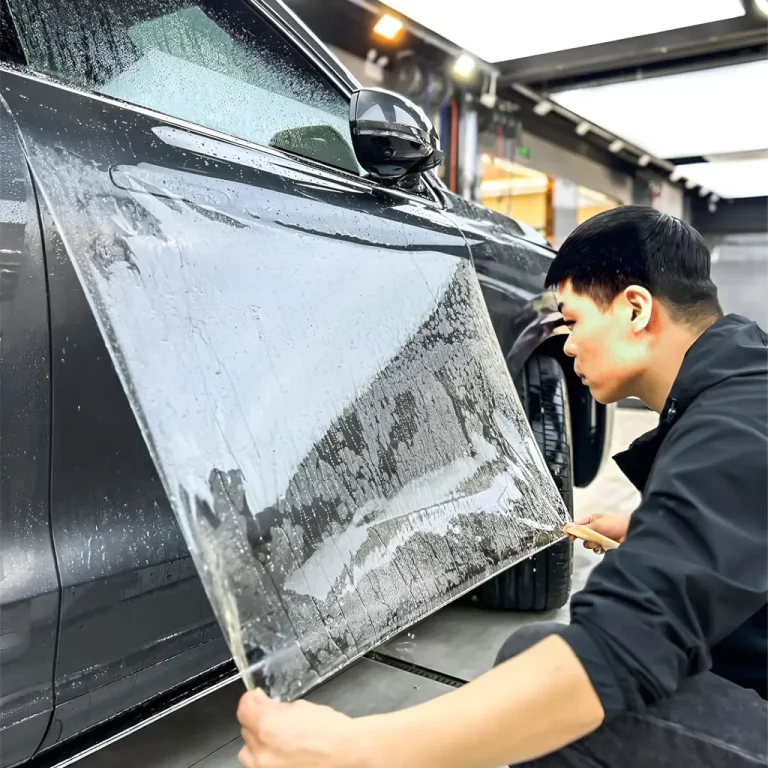
DIY film installation can work for simple clear films, but air bubbles and edge gaps reduce effectiveness. For thicker acoustic laminates or projects targeting meaningful dB reductions, professional installation and proper sealing are recommended to achieve advertised performance.
Seal gaps: weatherstripping and caulking around frames improves results more than thicker film alone.
Layering: combine film with heavy curtains or blinds during peak noise hours.
Target the source: consider sound-absorbing panels or barrier walls if noise penetrates through other paths (vents, doors).
When comparing films, check:
Thickness and composition: thicker, multi-layer films with viscoelastic interlayers offer better damping.
Test data: look for independent dB or STC improvement measurements and installation conditions.
Warranty & UV protection: many decorative films also provide solar control and UV blocking—consider multifunctional products.
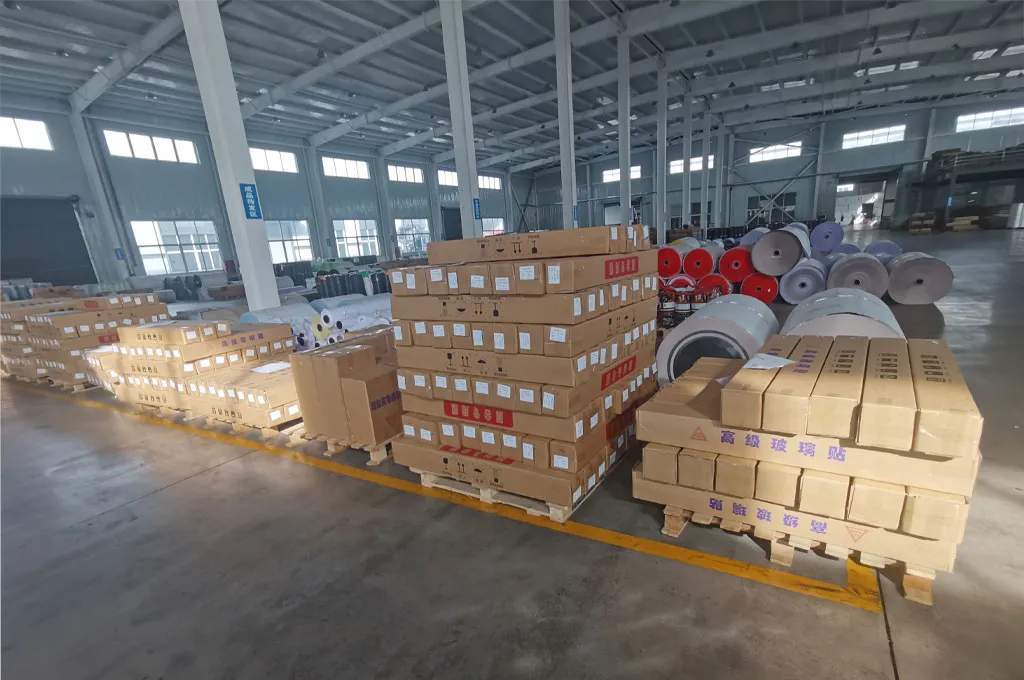
Pulivk offers a full production chain with calendering, printing, and split-packaging lines, supporting OEM customization and steady quality for film products—useful if you need tailored acoustic or decorative film options. Visit https://pvcfilmtec.com/ for details.
Soundproof window film can be a useful, low-cost measure for reducing glass vibration and some airborne noise, especially when paired with other strategies. For major noise problems, treat film as one component in a layered approach rather than a standalone cure.