Address
304 North Cardinal St.
Dorchester Center, MA 02124
Work Hours
Monday to Friday: 7AM - 7PM
Weekend: 10AM - 5PM
Address
304 North Cardinal St.
Dorchester Center, MA 02124
Work Hours
Monday to Friday: 7AM - 7PM
Weekend: 10AM - 5PM


 ByPulivk
Double-sided release film is a versatile specialty material used across packaging, converting, electronics, medical, and decorative industries. This guide explains common applications, practical benefits, and the key performance features buyers and specifiers need to consider when selecting a film for production or OEM projects.
A double-sided release film has silicone or other low-adhesion coatings on both faces of a carrier substrate, enabling temporary protection and easy release for pressure-sensitive adhesives (PSAs), laminates, and adhesive-coated parts. It functions as a protective separator, liner, and process aid in converting workflows where controlled release is essential.
Release liner for adhesive tapes and labels, protective liner for adhesive sheets, spacer in lamination, and a transfer medium for die-cut parts. Because both sides release consistently, it reduces handling errors and improves automated processing speeds.
Used as a liner for roll-to-roll converting, die-cutting, and slitting. The dual-sided release ensures consistent unwind and precise placement during automatic dispensers and label applicators.
Ideal for adhesive-covered parts (gaskets, foam tapes) and food-contact adhesive products where a clean release is required during assembly or packaging.
In electronics manufacturing, double-sided release films act as temporary carriers for components, masking layers in PCB assembly, and insulation aids in flexible printed circuits (FPCs).
Used for device liners, sterile packaging separation, and wound-care products where controlled, clean release is critical for user safety and product performance.
Applied as a temporary protective film for decorative laminates, furniture wraps, and transport protection of glossy/matte surfaces during installation.

Predictable, uniform release force improves machine uptime and reduces waste from misfeeds and jams.
Dual coated liners simplify converting steps by eliminating the need to flip or reorient single-sided liners. This reduces handling time in high-speed lines.
Protects adhesive layers and finished surfaces from contamination, scratches, and humidity during storage and transport.
Available in varying release levels (low to high) and coating chemistries to match adhesives from acrylics to rubbers—helping maintain adhesion balance after liner removal.
Film carriers (PET, PP) offer dimensional stability and moisture resistance; paper carriers are economical and more sustainable for single-use packaging.
Silicone-based coatings are common for broad compatibility; fluorinated or specialty coatings may be used for extreme temperatures or chemical resistance.
Choose the grams-per-inch (g/in) release level aligned to your adhesive strength and dispenser equipment. Typical ranges span low (easy peel) to high (secure protection).
Critical for heat-assisted processes like lamination or hot-melt adhesives—select carriers and coatings that withstand processing temperatures without curl or distortion.
| Application | Recommended Carrier | Key Benefit |
|---|---|---|
| High-speed tape converting | PET film | Dimensional stability, consistent unwind |
| Label liners | Glassine paper | Cost-effective, recyclable options |
| Medical device liners | Sterilizable film or coated paper | Sterility, clean peel |
| Decorative protective film | Soft-touch PE/PP | Surface protection, easy removal |
Specify slit tolerances, core sizes, printable surfaces, and optional surface treatments for ink adhesion when liners need printing. Choose split-packaging options for retail-ready roll lengths or OEM line feeds to streamline assembly.
Paper-based liners with recyclable adhesives can reduce environmental impact. For film carriers, check local recycling streams and consider lower-thickness carriers that preserve performance while reducing material use.
Request sample coils to validate release force with your specific adhesive and dispenser. Provide detailed specifications: carrier type, release level (g/in), slit width, roll length, and any required printing or packaging instructions. For OEM projects, confirm lead times and QC checkpoints to avoid production delays.
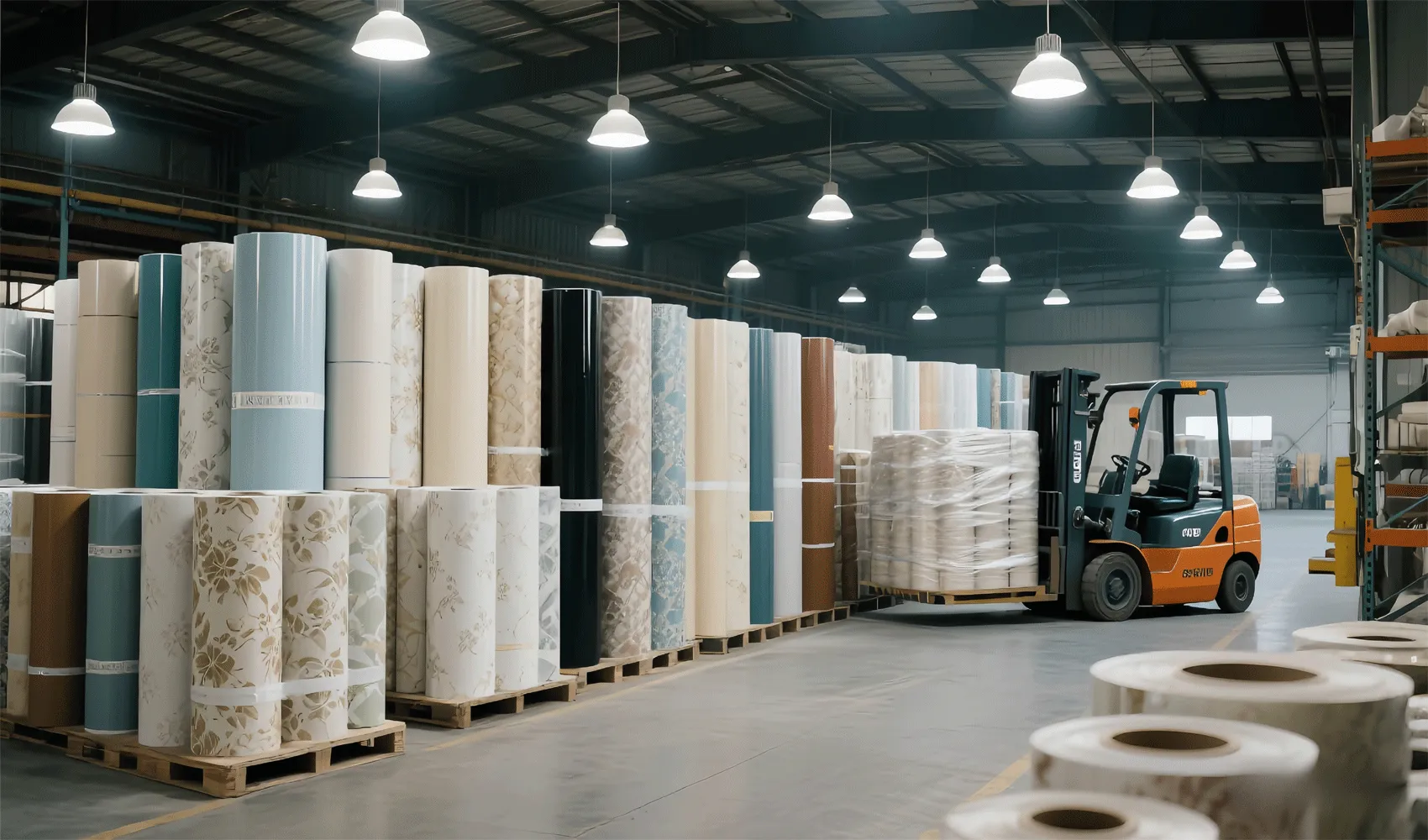
Henan Pulivk New Materials Co., Ltd. offers full in-house production with calendering, printing, and split-packaging lines—supporting flexible OEM customization, consistent quality control, and stable lead times for global customers.