Address
304 North Cardinal St.
Dorchester Center, MA 02124
Work Hours
Monday to Friday: 7AM - 7PM
Weekend: 10AM - 5PM
Address
304 North Cardinal St.
Dorchester Center, MA 02124
Work Hours
Monday to Friday: 7AM - 7PM
Weekend: 10AM - 5PM


 ByPulivk
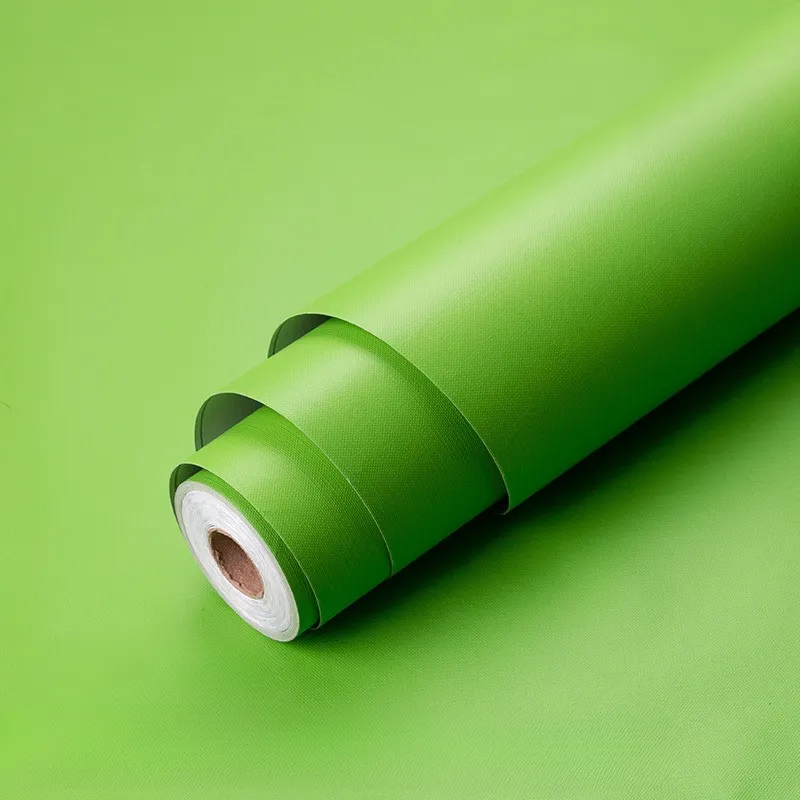
When it comes to fabric PVC film manufacture, the demand for high-performance coated textiles has never been greater. Industries ranging from construction and furniture to automotive and medical sectors rely on ASTM PVC Film Standard compliant materials that deliver exceptional waterproofing, tear resistance, and long-term durability. A properly engineered PVC-coated fabric combines the flexibility of textile substrates with the protective barrier of polyvinyl chloride, creating a versatile solution for both indoor and outdoor applications.
Modern fabric PVC film technology has evolved significantly, enabling manufacturers to produce coated textiles with precise thickness control, consistent surface finishes, and enhanced mechanical properties. Whether you need a calendered film for packaging or a heavy-duty waterproof membrane for industrial use, selecting the right manufacturing partner is critical to project success.
PVC coated textiles have become the material of choice for numerous applications due to their unique combination of properties. The manufacturing process involves bonding PVC film to various fabric substrates, creating a composite material that offers superior performance compared to uncoated alternatives.
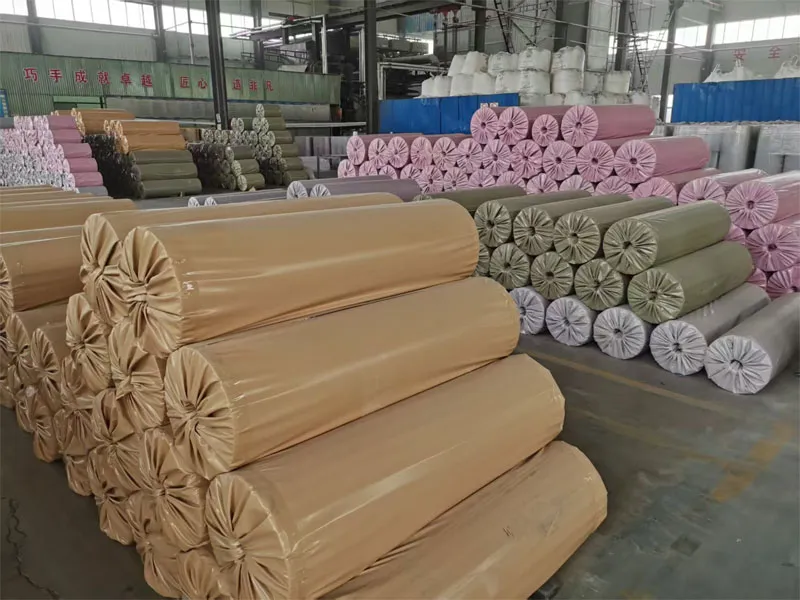
The effectiveness of any fabric PVC film depends on both the quality of raw materials and the precision of the manufacturing process. Leading manufacturers conduct rigorous testing to ensure compliance with international standards including Plastic Film Tensile Testing protocols and ISO Film Tensile Testing specifications.
| Property | Standard PVC Film | Fabric-Reinforced PVC | Application Suitability |
|---|---|---|---|
| Tensile Strength | Moderate | High to Very High | Industrial covers, tarpaulins |
| Waterproof Rating | Excellent | Excellent | Outdoor and marine applications |
| Tear Resistance | Low to Moderate | Very High | Heavy-duty protective equipment |
| Flexibility | Good | Depends on substrate | Furniture, automotive interiors |
| Dimensional Stability | Moderate | High | Precision-fit applications |
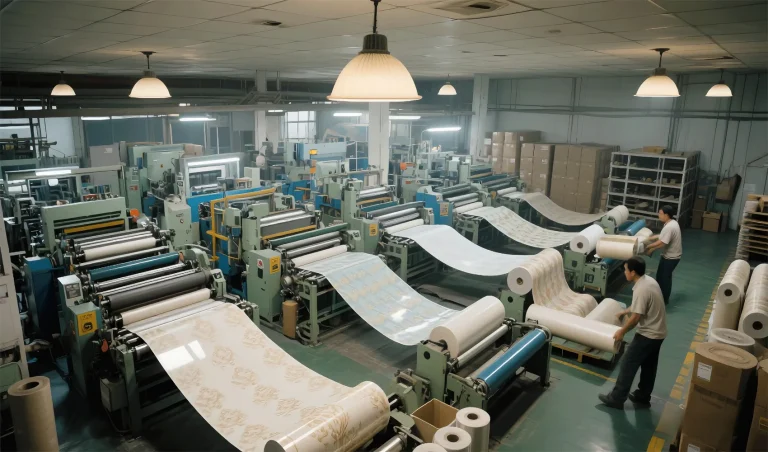
The fabric PVC film manufacture process requires specialized equipment and technical expertise. Calendering is one of the most widely used methods, where PVC resin is processed through heated rollers to form continuous films of precise thickness. For coated textiles, this film is then laminated onto fabric substrates under controlled heat and pressure conditions.
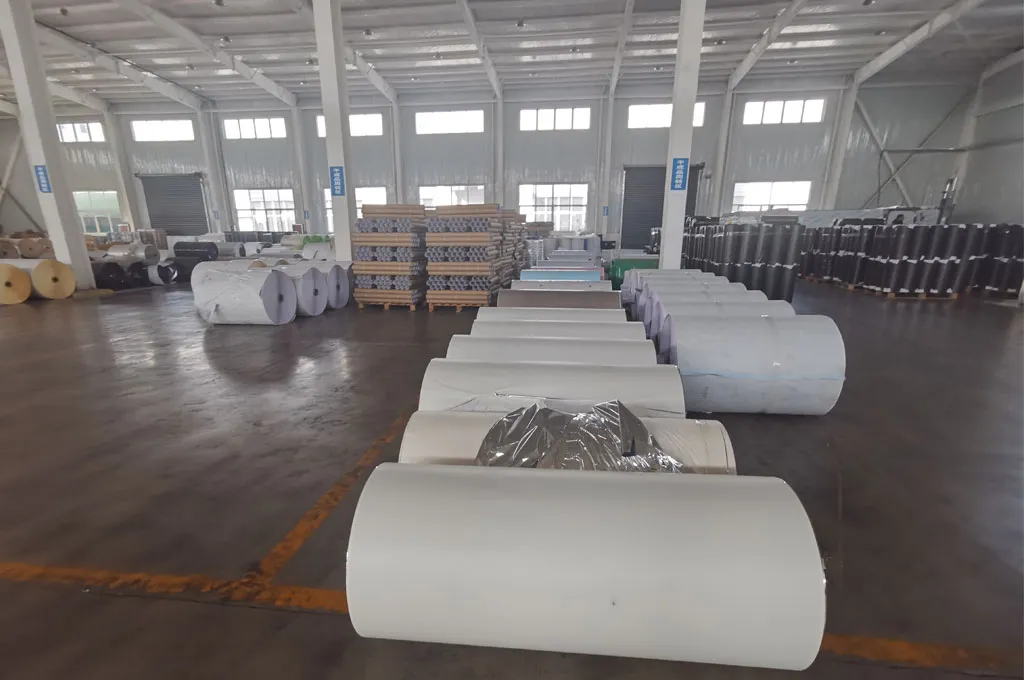
Calendered fabric PVC film offers several advantages over alternative production methods. The process allows for exceptional gauge control, ensuring uniform thickness across the entire roll width. This consistency is crucial for applications where precise material specifications must be maintained, such as in PVC skirting film and architectural membrane applications.
The choice of fabric substrate significantly influences the final properties of the coated textile. Common substrates include polyester, nylon, and cotton blends, each offering different strength, flexibility, and bonding characteristics. A skilled manufacturer will recommend the optimal substrate based on your specific application requirements.
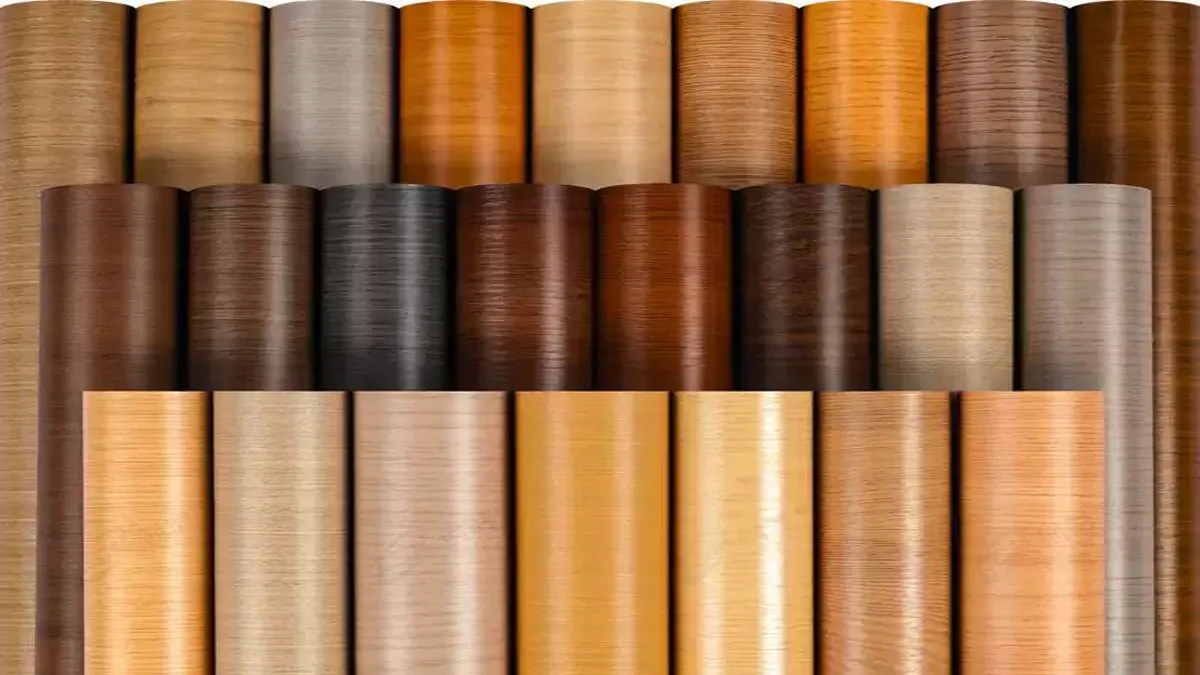
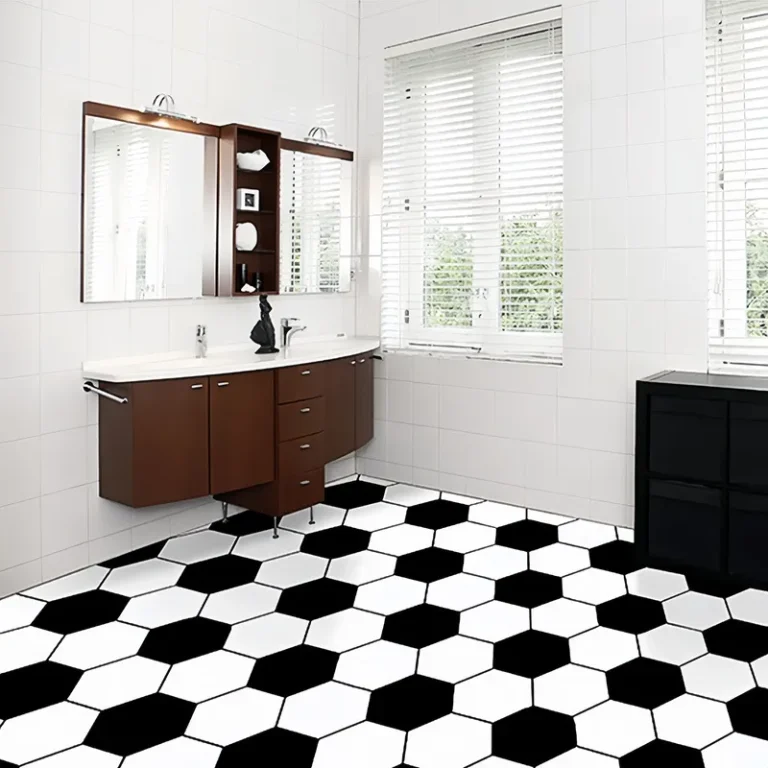
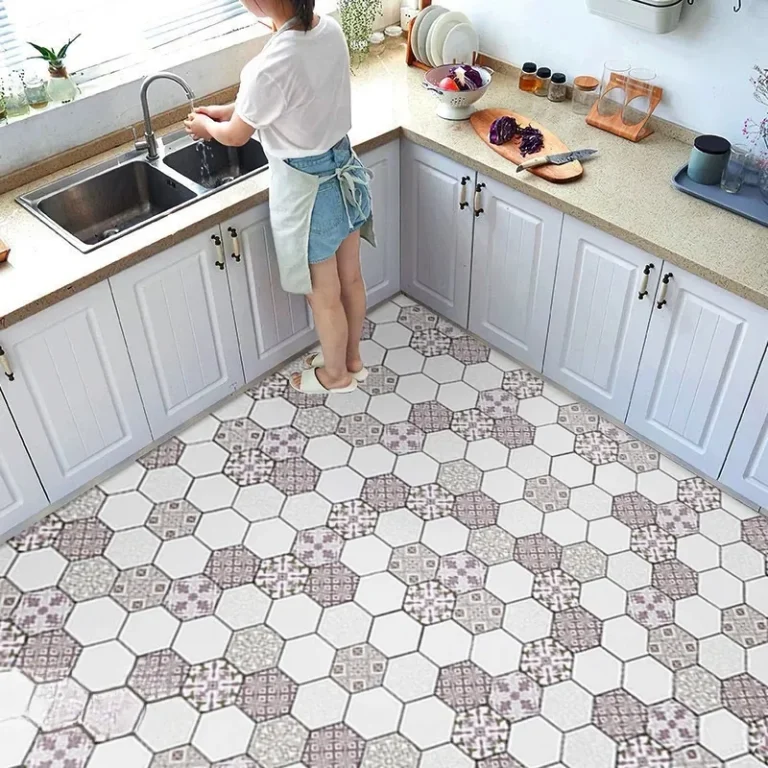
Waterproof coated textiles find use across an extraordinarily wide range of industries. The floor film segment alone demonstrates the versatility of these materials, with products designed for residential, commercial, and industrial flooring applications. Similarly, wood grain film has revolutionized furniture manufacturing by providing realistic wood aesthetics at a fraction of the cost of solid timber.
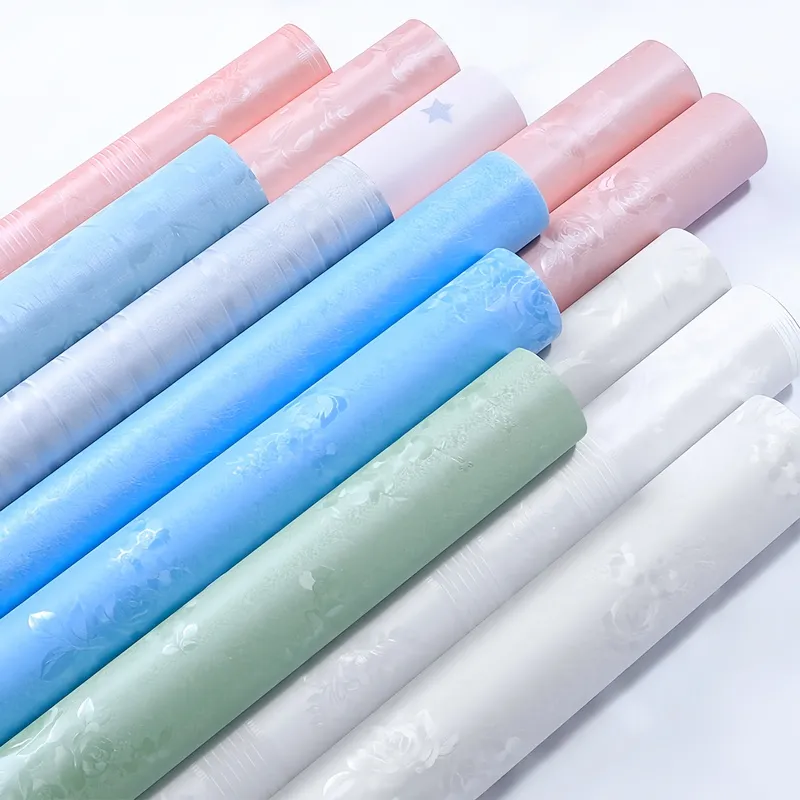
Professional fabric PVC film manufacture demands rigorous quality control at every production stage. From incoming raw material inspection to final roll packaging, multiple checkpoints ensure that every batch meets or exceeds customer specifications. Testing protocols aligned with PVC Circular Economy principles also emphasize sustainable production practices and material recyclability.
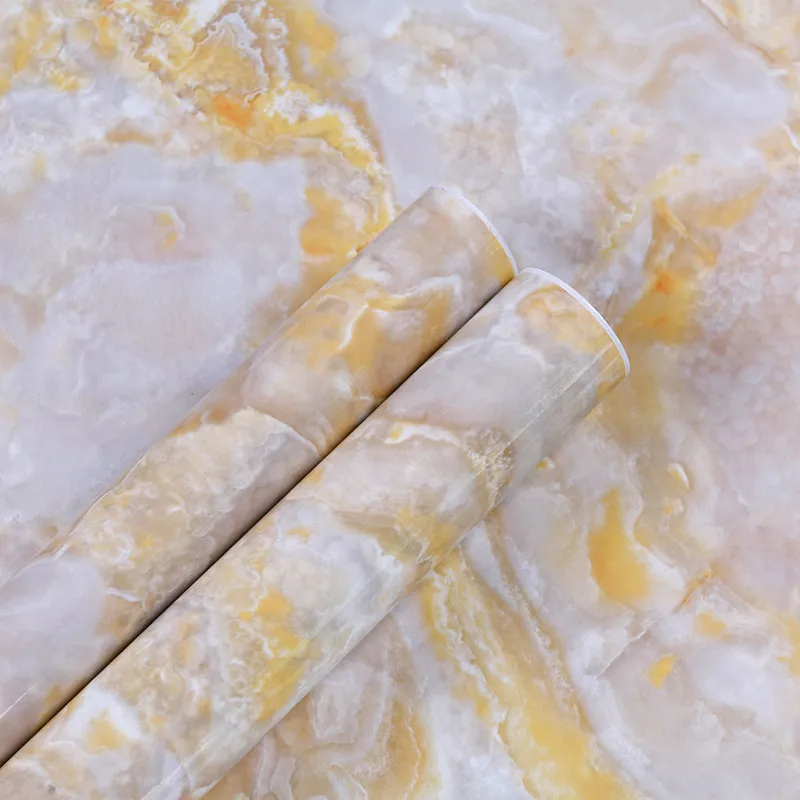
Every project has unique requirements, and a capable fabric PVC film manufacturer should offer extensive customization options. Henan Pulivk New Materials Co., Ltd. operates advanced calendering lines, printing lines, and split-packaging lines, enabling complete in-house control over the entire production chain. This integrated approach ensures stable quality, faster lead times, and cost-effective solutions for partners worldwide.
| Customization Option | Available Range | Benefits |
|---|---|---|
| Thickness | 0.03 mm – 0.50 mm | Precise gauge for specific application needs |
| Width | Up to 1500 mm | Reduced seaming for large surfaces |
| Texture | Matte, glossy, embossed, brushed, 3D relief | Aesthetic flexibility for design projects |
| Color Matching | Pantone, RAL, custom samples | Brand consistency and design accuracy |
| Roll Length | Custom split packaging | Reduced waste and easier handling |
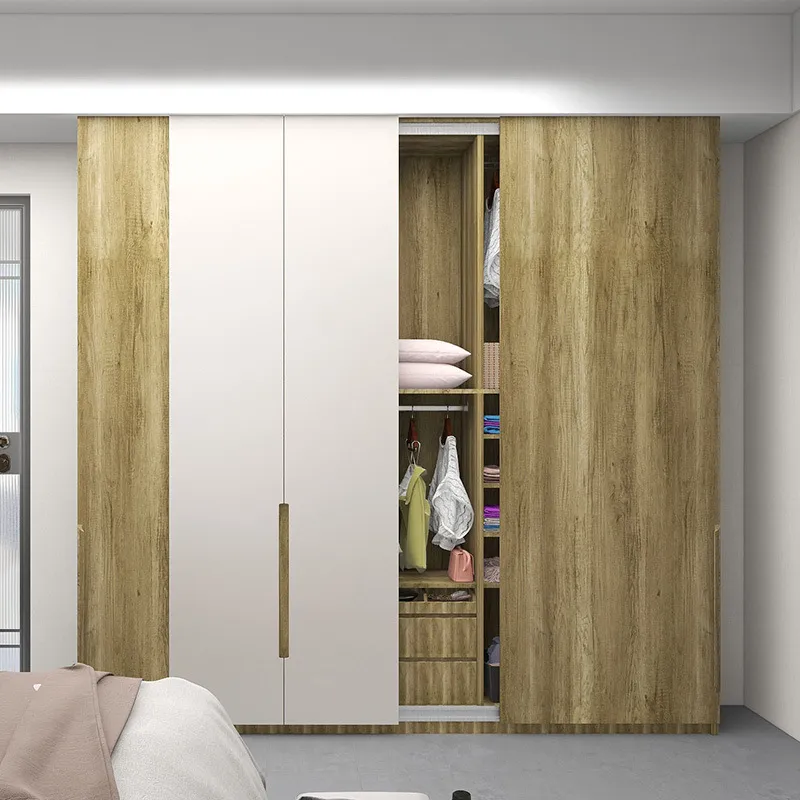
Modern fabric PVC film manufacture increasingly focuses on environmental sustainability. Lead-free and phthalate-free formulations are now standard offerings, with selected products complying with RoHS and REACH international environmental requirements. Eco-friendly inks that are safe and non-toxic ensure suitability for indoor decoration and human contact applications.
The industry continues to advance circular economy initiatives, with improved recycling technologies enabling the recovery and reprocessing of PVC materials at end-of-life. This commitment to sustainability makes PVC coated textiles a responsible choice for environmentally conscious projects.
Selecting a reliable manufacturing partner requires careful evaluation of several factors. Beyond competitive pricing, consider the manufacturer’s production capabilities, quality control systems, customization flexibility, and export experience. A manufacturer with integrated calendering, printing, and packaging lines can offer better quality consistency and faster turnaround times.
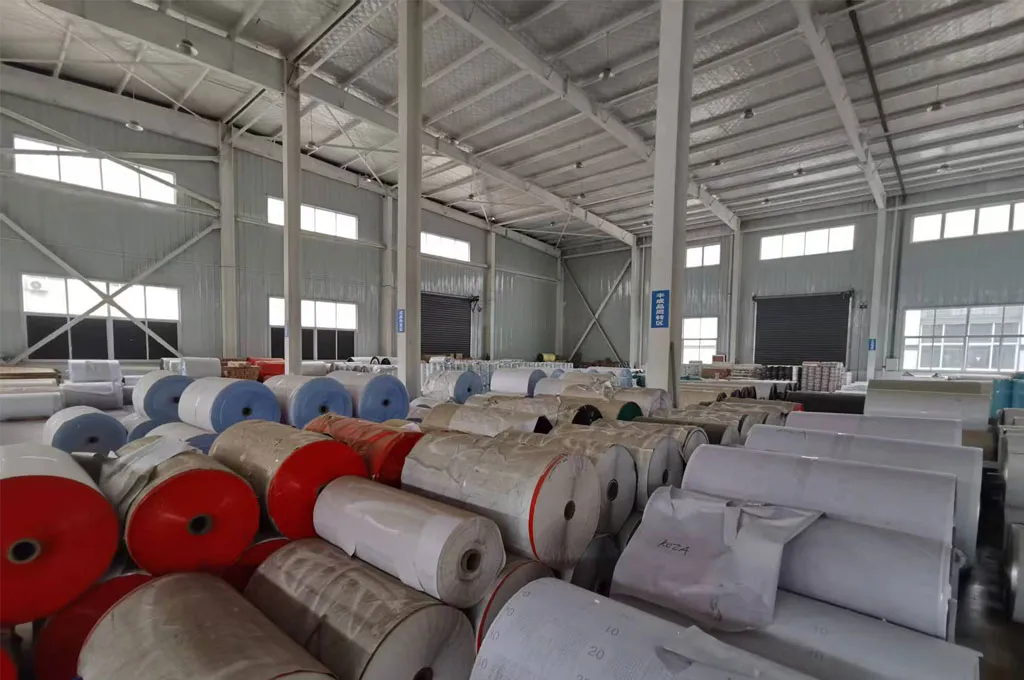
Look for partners who provide comprehensive technical support, from material selection guidance to application method recommendations. The best manufacturers treat each project as a collaboration, working closely with clients to develop the optimal waterproof coated textile solution for their specific needs. With the right partner, you gain access to decades of material science expertise, consistent product quality, and reliable supply chain performance that keeps your projects on schedule and within budget.