Address
304 North Cardinal St.
Dorchester Center, MA 02124
Work Hours
Monday to Friday: 7AM - 7PM
Weekend: 10AM - 5PM
Address
304 North Cardinal St.
Dorchester Center, MA 02124
Work Hours
Monday to Friday: 7AM - 7PM
Weekend: 10AM - 5PM


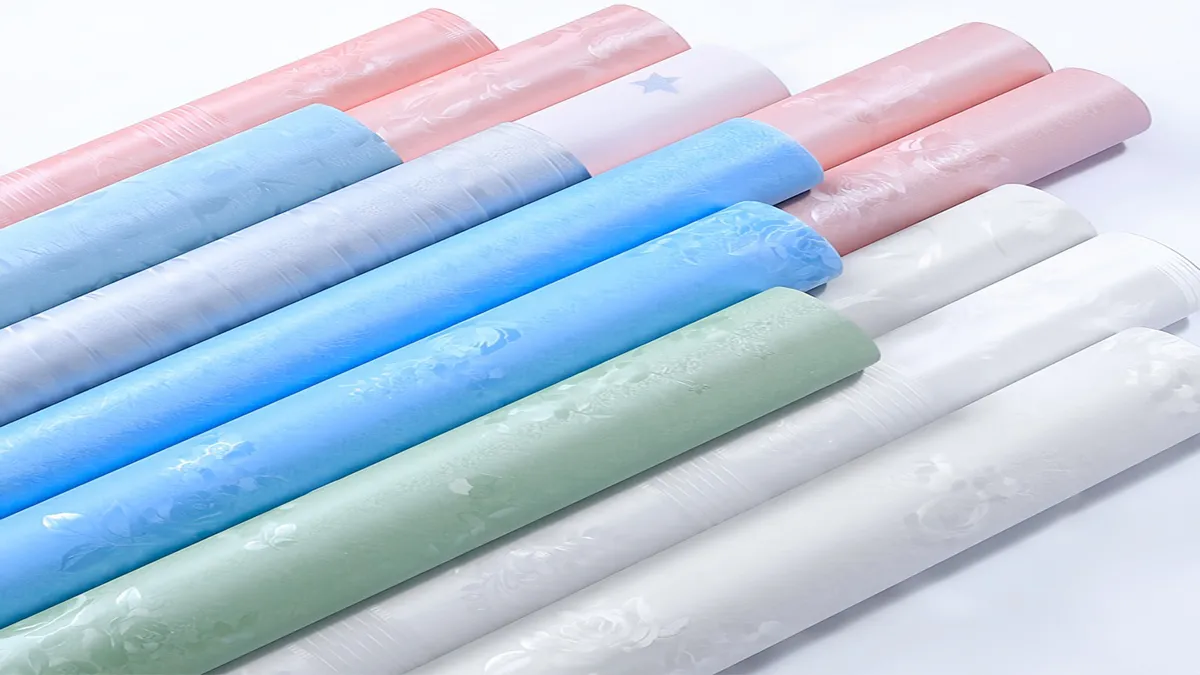
Flexible PVC film OEM solutions enable brands, packagers, and industrial specifiers to access tailored film products for packaging, printing, and functional applications. This article explains how custom PVC film manufacturing works, what options are available, and how to choose a partner that delivers consistent quality, competitive pricing, and reliable lead times.
Flexible PVC film OEM refers to contract manufacturing of polyvinyl chloride films that are customized for a client’s specifications — thickness, colors, surface finish, print, and packaging. OEM partners convert raw resin into finished rolls or cut-lengths, apply printing or protective layers, and deliver product-ready materials for private label or industrial use.
PVC film is used across many industries due to its durability, printability, and moisture resistance. Typical uses include:
When placing an OEM order, you can specify parameters such as color matching, surface effects, multi-layer composites, adhesive or non-adhesive backing, antistatic or antibacterial additives, and printing details (CMYK, spot colors, varnish). These options allow films to meet both aesthetic and functional requirements.
Ask your OEM partner about raw material traceability, in-line QC checkpoints, and testing for properties like tensile strength, elongation, thickness tolerance, and surface adhesion. For food-contact or medical applications, ensure the film meets relevant regulatory standards and can provide certificates on request.
| Specification | Typical Range | Common Uses |
|---|---|---|
| Thickness | 20μm – 800μm | Packaging, protective films, decorative overlays |
| Surface Finish | Glossy, matte, embossed, wood grain | Furniture film, wall covering, wardrobe surfaces |
| Printing | CMYK, spot colors, varnish, UV print | Advertising film, brand packaging |
| Packaging | Full rolls, cut-lengths, split packaging | Retail-ready and production line supply |
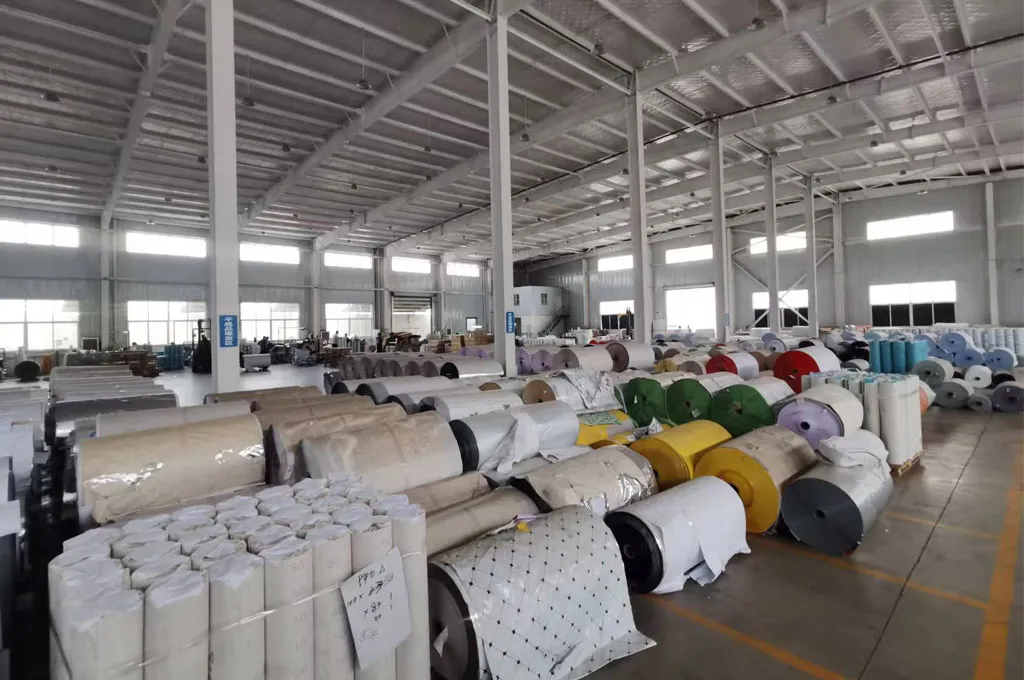
Look for a manufacturer that offers full in-house production — calendering, printing, and split-packaging — so quality and timelines are tightly controlled. Confirm minimum order quantities, lead times, sampling process, and whether they provide clear labeling and documentation for exports.
Henan Pulivk New Materials Co., Ltd. operates integrated calendering and printing lines, supporting flexible OEM runs with strict QC checkpoints and competitive lead times. Their end-to-end capabilities help downstream brands reduce costs and ensure consistent product quality.
Q: What lead times should I expect?
A: Typical lead time varies by order size and complexity; small runs may ship in a few weeks, while large customized orders require extended scheduling — always confirm with the supplier.
Q: Can PVC film be recycled?
A: Some PVC films are recyclable depending on local facilities and film composition. Discuss recyclability and additive choices with your manufacturer if sustainability is a priority.
Q: Are printed PVC films suitable for food packaging?
A: With proper material selection and food-contact certification, PVC film can be used for many food packaging formats. Always request relevant compliance documentation.
If you are evaluating custom PVC film OEM options, prepare a specification sheet (thickness, finish, print requirements, roll length, and target volumes) and request samples and lead time quotes. Clear specs at the start reduce iteration and accelerate time-to-market.