Address
304 North Cardinal St.
Dorchester Center, MA 02124
Work Hours
Monday to Friday: 7AM - 7PM
Weekend: 10AM - 5PM
Address
304 North Cardinal St.
Dorchester Center, MA 02124
Work Hours
Monday to Friday: 7AM - 7PM
Weekend: 10AM - 5PM


 ByPulivk
In modern construction, electronics, and industrial packaging, controlling thermal transfer is no longer optional — it is a critical requirement. High-performance heat insulation PVC film provides an effective barrier against temperature fluctuations while maintaining structural flexibility. Choosing the right heat insulation PVC film factory directly impacts energy efficiency, product longevity, and overall system reliability.
Thermal management challenges span multiple sectors. Heat insulation PVC film addresses these by reflecting radiant heat, reducing conductive thermal transfer, and providing a stable low-emissivity surface. Unlike rigid insulation boards, PVC-based films offer conformability, lightweight installation, and excellent compatibility with curved or irregular substrates.
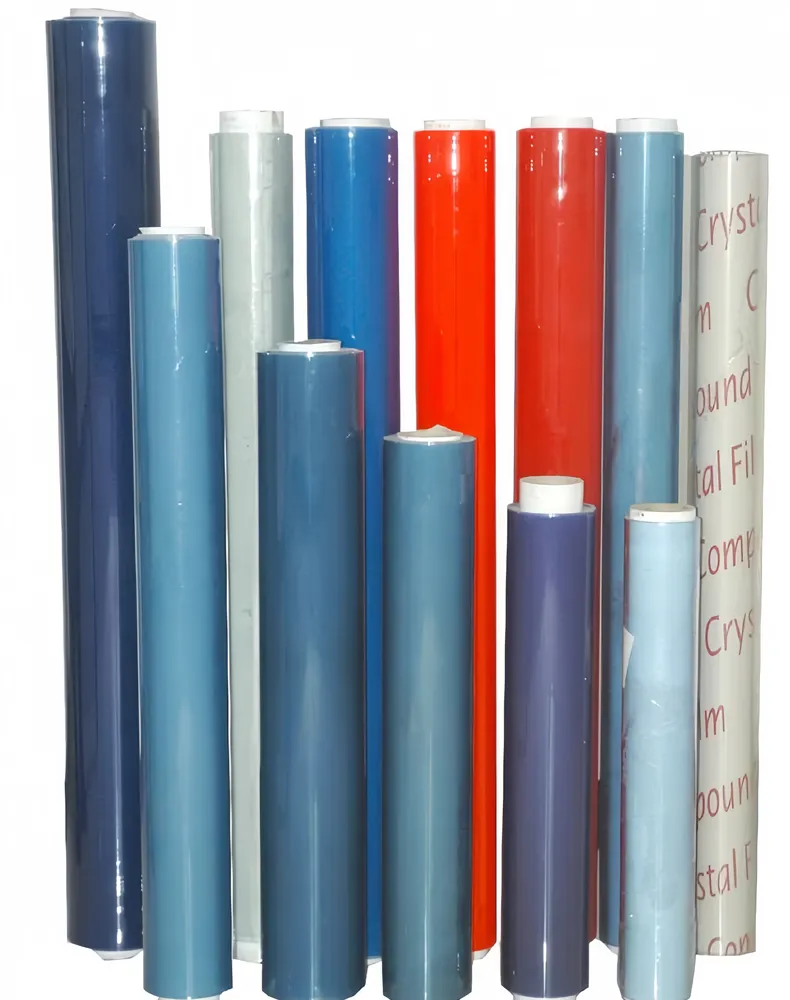
A specialized heat insulation PVC film factory should offer diverse product lines tailored to different temperature ranges and environmental conditions. Below are core categories developed for insulation performance.
Produced through precision calendering, these films deliver uniform thickness and consistent thermal properties. They are widely used in building wraps, HVAC duct insulation, and appliance thermal barriers. The calendered process ensures tight gauge control, which is essential for predictable insulating performance.
Combining PVC layers with metallized polyester or aluminum foil significantly boosts radiant heat reflection. These composites serve cold chain packaging, refrigerated transport, and temperature-sensitive pharmaceutical shipments.
| Film Type | Thickness Range | Key Insulation Feature | Common Application |
|---|---|---|---|
| PVC Single-Layer | 0.08 – 0.50 mm | Base thermal break | Appliance liners, duct wrap |
| PVC + Aluminum Foil | 0.12 – 0.40 mm | High reflectivity (>90%) | Cold chain packaging, building wrap |
| PVC + Metallized PET | 0.10 – 0.35 mm | Lightweight radiant barrier | Automotive heat shields |
| Anti-Static Insulation PVC | 0.10 – 0.30 mm | ESD-safe plus thermal control | Electronics packaging, cleanrooms |

Quality claims must be backed by standardized testing. A competent heat insulation PVC film factory should provide data aligned with international protocols. Relevant standards include thermal conductivity measurement, dimensional stability under heat, and radiant barrier effectiveness.
| Standard | Testing Focus | Relevance to Insulation Film |
|---|---|---|
| ASTM D2732 | Thermal Shrinkage | Verifies film stability under high-temperature exposure |
| ASTM D1204 | Dimensional Changes at Elevated Temperatures | Ensures consistent coverage after heating cycles |
| ISO 11501 | Dimensional Change on Heating | Global benchmark for thermal aging resistance |
| ISO 4593 | Thickness Measurement | Critical for calculating thermal resistance values |
Under-roof radiant barriers, wall cavity insulation membranes, and window films reduce solar heat gain and improve building energy ratings. The durable PVC films used for wall applications can be formulated with insulating additives for dual decorative-thermal functions.
Maintaining stable low temperatures during transport requires reliable thermal barriers. Insulation films wrap palletized goods, line refrigerated containers, and form part of multi-layer thermal blankets. Consistent thickness from a heat insulation PVC film factory ensures predictable R-values in these demanding applications.
Heat-sensitive components, display panels, and battery packs need thin thermal insulation that does not add bulk. PVC insulation films provide a compact solution for separating hot zones from temperature-sensitive circuitry.
Engine bay heat shields, interior cabin insulation, and EV battery thermal management all benefit from conformable, lightweight PVC-based insulation layers.
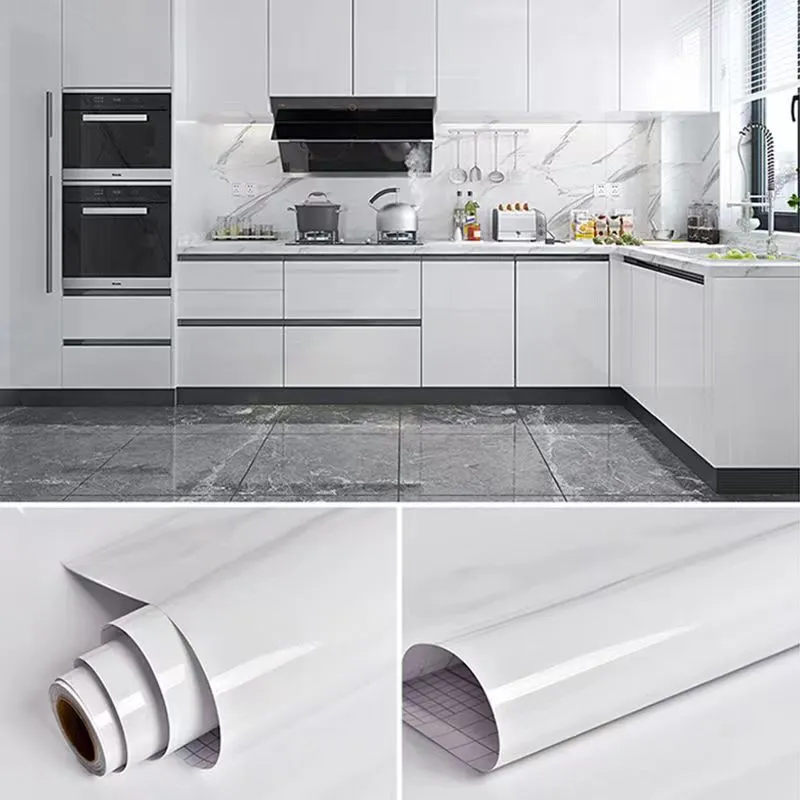
Consistency in thermal performance requires rigorous quality management. Our production lines integrate multiple checkpoints from raw material inspection to final roll packaging. Key quality indicators monitored include:
Henan Pulivk New Materials Co., Ltd. operates integrated calendering, printing, and split-packaging lines, ensuring full in-house quality ownership throughout the production chain.
| Customization Option | Available Specifications |
|---|---|
| Thickness | 0.03 mm to 0.50 mm, with tighter tolerance upon request |
| Width | Up to 1500 mm, custom slitting available |
| Color and Opacity | Custom color matching, transparent to fully opaque |
| Surface Finish | Glossy, matte, embossed, frosted, and textured options |
| Additive Packages | UV stabilizers, anti-fog, anti-static, flame retardants |
Optimal thickness depends on the application. For radiant barriers, films in the 0.10–0.20 mm range are common. For conductive insulation, thicker films up to 0.50 mm provide greater thermal resistance. Technical consultation helps determine the right specification.
Yes. A common configuration bonds PVC film to aluminum foil or metallized PET. These composites achieve significantly higher thermal reflectivity than single-material films. Our custom lamination capabilities support various material combinations.
With proper UV stabilization and weather-resistant formulations, certain PVC insulation films perform reliably outdoors. For prolonged exposure, we recommend films with added UV inhibitors and anti-oxidant packages to prevent embrittlement and thermal degradation.
Raw material traceability, in-line thickness gauging, and statistical process control form the core of our quality system. Every production batch undergoes thermal shrinkage and dimensional stability testing before release.
For standard insulation film products, the MOQ typically starts at 3,000 square meters per design. Custom formulations or specialty composites may require higher quantities. We recommend contacting our team with your requirements for precise information.
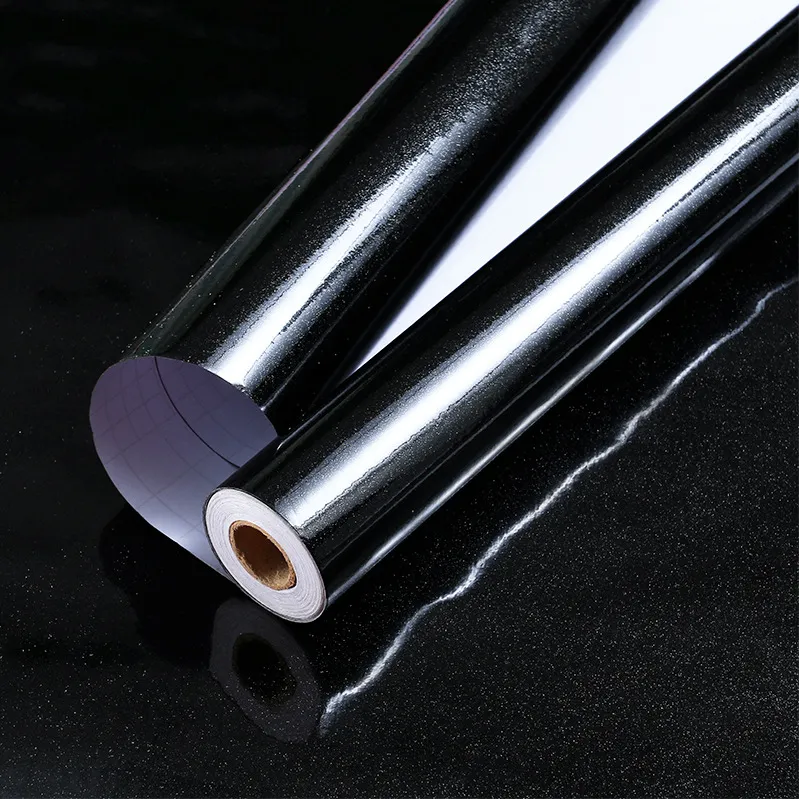
We supply heat insulation PVC film to markets across Southeast Asia, the Middle East, Europe, and beyond. Combined with dedicated technical support, our logistics network ensures timely delivery for both development samples and bulk production orders. Whether you need split packaging in fixed-length rolls, custom labeling, or OEM branding, our factory is structured to support your insulation film requirements.
Selecting a focused heat insulation PVC film factory means gaining a partner who understands thermal dynamics, material science, and the practical demands of your industry. From specification development through continuous quality assurance, the right factory relationship builds long-term value in every roll shipped.