Address
304 North Cardinal St.
Dorchester Center, MA 02124
Work Hours
Monday to Friday: 7AM - 7PM
Weekend: 10AM - 5PM
Address
304 North Cardinal St.
Dorchester Center, MA 02124
Work Hours
Monday to Friday: 7AM - 7PM
Weekend: 10AM - 5PM


 ByPulivk
In the competitive world of interior design, furniture manufacturing, and architectural decoration, surface finishes define the final aesthetic. Among the vast array of options, high gloss PVC membrane film has emerged as a dominant force. This material is not merely an alternative to traditional lacquering; it is a revolutionary surfacing solution. Its ability to deliver a flawless, mirror-like finish without the fragility or environmental drawbacks of high-gloss paint has made it a staple for modern minimalism and luxury design. This comprehensive guide dives deep into the benefits, applications, and critical selection criteria for this versatile material.
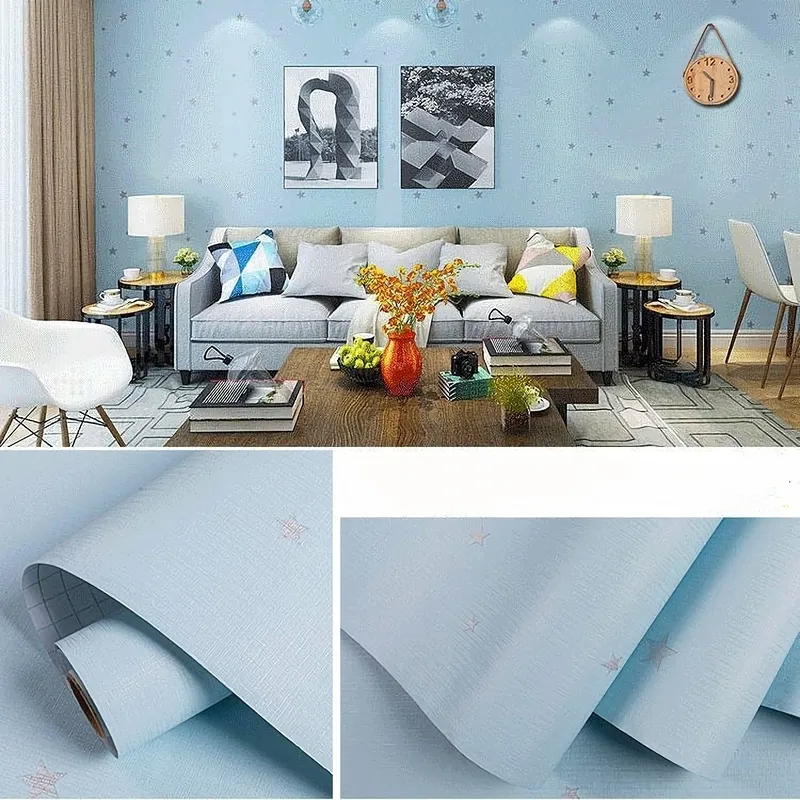
At its core, a high gloss PVC membrane film is a thermoplastic film engineered to achieve extreme surface reflectivity. Unlike standard matte films, these membranes are formulated with specific plasticizers and surface treatments that allow light to bounce back coherently, creating a deep, wet-look shine. The technology behind these films has advanced significantly, allowing them to conform perfectly to complex 3D shapes through vacuum membrane pressing. This ensures a seamless surface that highlights the elegance of contemporary glossy wardrobe film finishes, making them indistinguishable from premium, multi-layer lacquered surfaces.
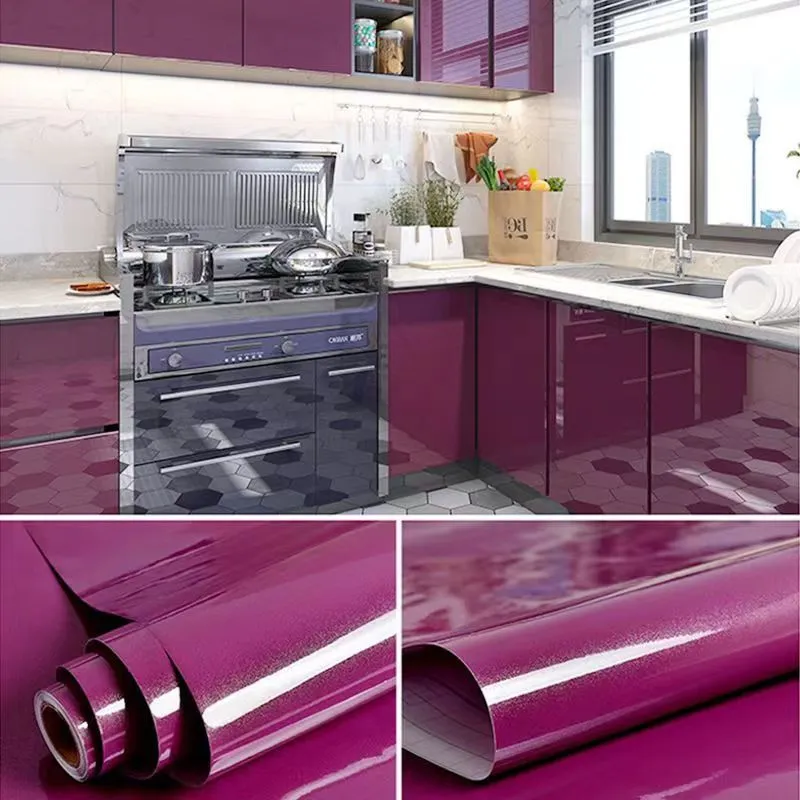
Not all “glossy” films are created equal. The industry typically categorizes gloss based on reflectivity units measured at specific angles, a standard often validated by Plastic Film Gloss Testing methodologies. Understanding these levels is crucial to achieving the desired visual impact:
A premium film is characterized by an excellent smooth feel, a dense and firm structure, and slipperiness under the finger test. The surface should immediately bounce back without deformation when pressed. A soft, easily distorted or sticky film generally indicates a lower grade that will not withstand long-term environmental stress.
Designers and manufacturers consistently choose this material for its unique combination of aesthetics and performance. The value proposition is compelling when compared to fragile high-gloss panels or expensive, labor-intensive wet painting processes.
| Benefit | Impact on Production | User Experience |
|---|---|---|
| Flawless Aesthetics | Eliminates post-paint polishing | Zero dust, orange peel, or runs |
| High Scratch Resistance | Lower defect rates during shipping | Long-lasting brilliance in daily use |
| Cost Efficiency | One-shoot application, no curing time | Affordable luxury for consumers |
| 3D Wrap Capability | Perfect edges on routed MDF doors | Seamless, modern, jointless look |
The versatility of high gloss PVC membrane film allows it to bridge gaps between various industries, serving both functional and decorative roles. Its application is only limited by the substrate’s ability to withstand the vacuum pressing process.
The most recognized application. The film provides a waterproof, grease-resistant surface that is easy to wipe down. The deep glossy finish brightens interiors, making spaces appear larger and cleaner. For storage solutions, partnering with an experienced PVC skirting film provider ensures the visual continuity of the floor-to-ceiling look.
Sliding wardrobe doors and swing doors benefit greatly from the lightweight nature of the film combined with its high-end look. It allows for full-color matching across living spaces without the weight of glass or the cost of polyester paint.
Attracting attention is key in retail. The intense reflectivity of high gloss films is used in display fixtures, podiums, and point-of-sale units to create a premium brand environment that is durable enough to withstand high-traffic handling.
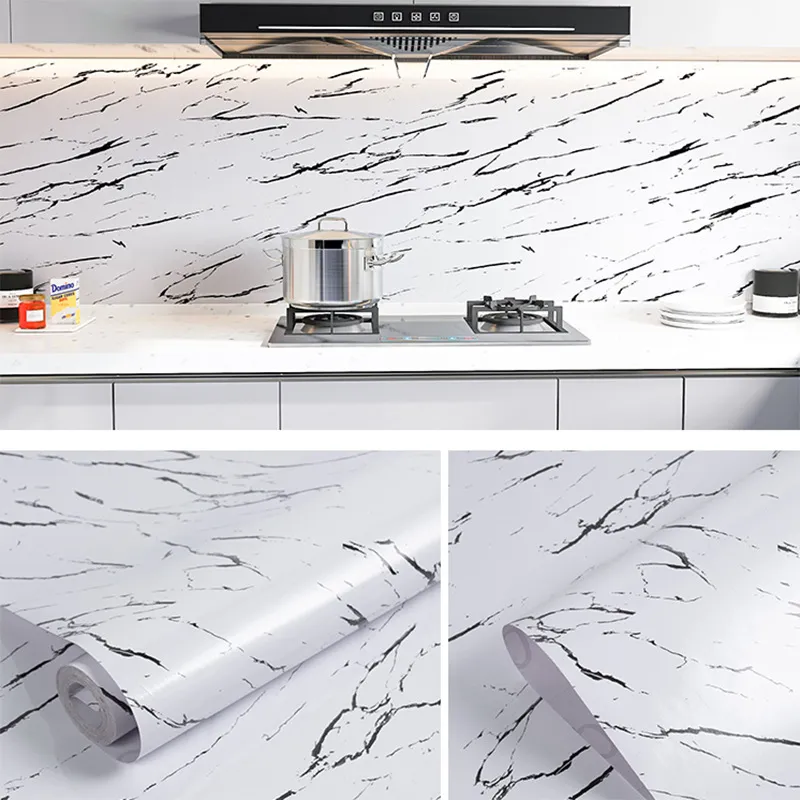
Using high gloss PVC membrane film on vertical surfaces, such as wardrobe faces in a narrow hallway, reflects light deep into the room, effectively doubling the perceived width of the corridor. This optical illusion is a favorite trick among interior architects working with compact layouts.
Not all gloss films deliver the same long-term value. Making the right choice requires looking beyond surface-level shine to the specific material composition, which is governed by regulations like Vinyl Chloride Risk Evaluation standards. Here is a step-by-step breakdown of what to look for.
A simple yet effective factory-level test for gloss uniformity involves inspecting the film under a blue UV-purple light. Under this specific wavelength, any undispersed white or dark particles, as well as orange-peel texture defects, become immediately visible. Ensuring your film passes this test guarantees a consistent mirror-like surface without optical distortions.
The perceived high-gloss effect is heavily determined by the base color layer. A film with a yellowish or grayish base will result in a dull finish, even if the top coat is highly reflective. Premium films utilize a pure, snow-white base background. The combination of a bright base and a high-transparency clear coat creates the “floating” visual effect desired in modern décor.
The enemy of a mirrored surface is micro-scratching. This is measured through standardized Plastic Film Haze Testing and surface hardness tests. Quality films incorporate a harder top surface layer (often UV-cured) that resists the marring caused by fingernails, cleaning cloths, and daily impacts, ensuring the furniture maintains its new appearance for years.
If you are choosing a glossy wood grain or marble film, the synchronization between the printed pattern and the embossed texture is vital. High-quality films feature deep, sharp grain synchronization, where the tactile texture perfectly aligns with the visual print. A shallow, misaligned emboss immediately devalues the final product.
| Technical Parameter | Standard Performance | Premium Benchmark |
|---|---|---|
| Thickness Range | 0.10mm – 0.16mm | 0.30mm – 0.50mm |
| Gloss Level (60°) | > 90 GU | > 105 GU (Mirror Grade) |
| Surface Hardness | HB – F | 2H+ (Pencil Hardness) |
| Plasticizer Migration | Noticeable fogging over time | Non-migratory formulation |
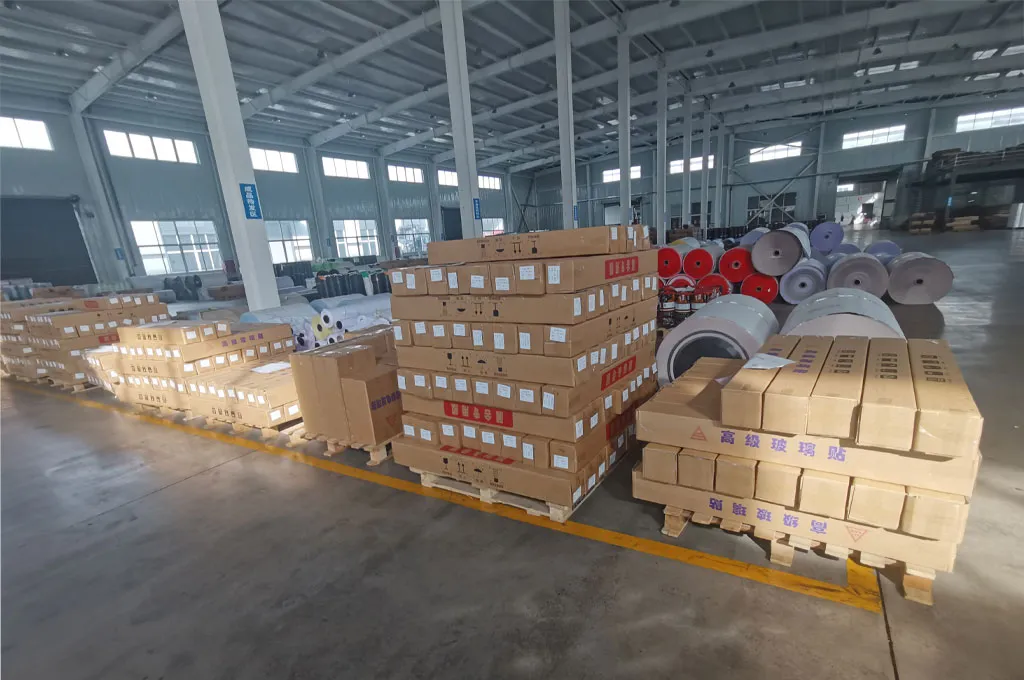
A credible manufacturer implements comprehensive quality control at every stage, from raw material procurement to the final packaging line. Automated optical inspection systems and precision thickness gauges are essential for verifying film thickness, color consistency, and surface finish. These stable lead times and strict checkpoints are hallmarks of facilities like Henan Pulivk New Materials Co., Ltd., which leverage integrated calendering lines to maintain consistency across bulk orders.
The journey from the factory to the furniture surface involves critical storage steps. Incorrect handling can destroy the glossy surface before it is even applied. Always store rolls vertically in a dust-free environment at temperatures between 15°C and 25°C. When applying using a membrane press, confirm that the machine’s silicone membrane is perfectly clean; a single grain of dust can cause a visible pimple on the high gloss surface. It is recommended to always run a test press with a blank board to pick up any loose particles in the work area.
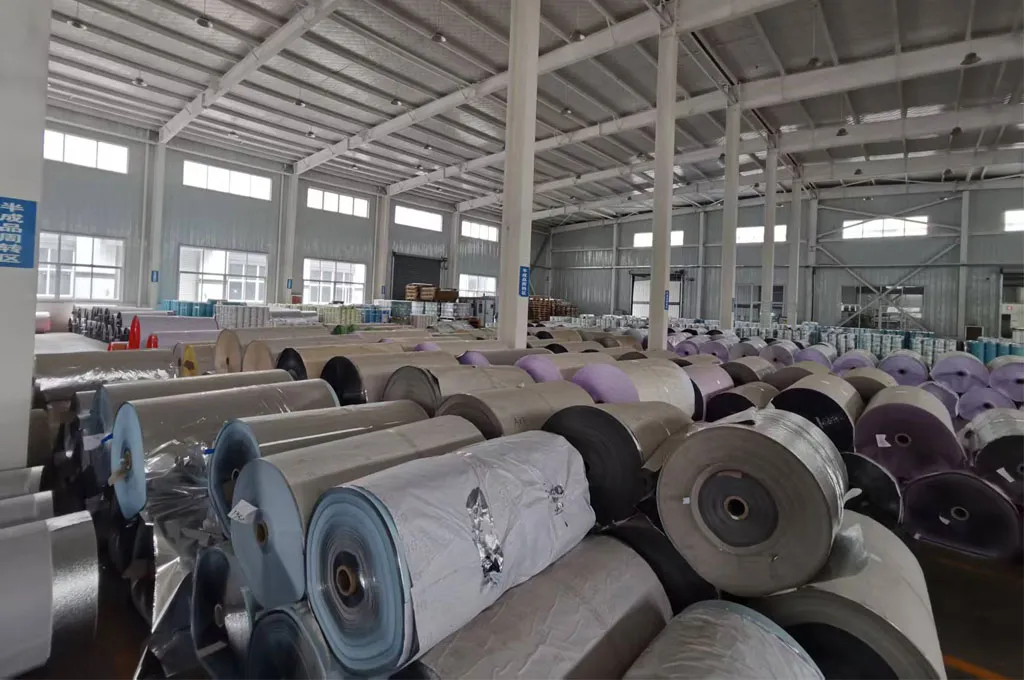
To simplify your procurement process, use this checklist when evaluating potential suppliers of high gloss PVC membrane film:
The future of interior surfacing is high-definition and reflective. By switching to a premium high gloss PVC membrane film, manufacturers can slash finishing time, reduce environmental emissions, and offer consumers a durable, breathtaking product that rivals the most expensive lacquered surfaces. When selecting your supply chain partner, prioritize those who demonstrate deep technical expertise, not just competitive pricing. With the right 3D silk texture film or solid color gloss membrane, the aesthetic possibilities for furniture, doors, and decorative panels are virtually limitless.