Address
304 North Cardinal St.
Dorchester Center, MA 02124
Work Hours
Monday to Friday: 7AM - 7PM
Weekend: 10AM - 5PM
Address
304 North Cardinal St.
Dorchester Center, MA 02124
Work Hours
Monday to Friday: 7AM - 7PM
Weekend: 10AM - 5PM


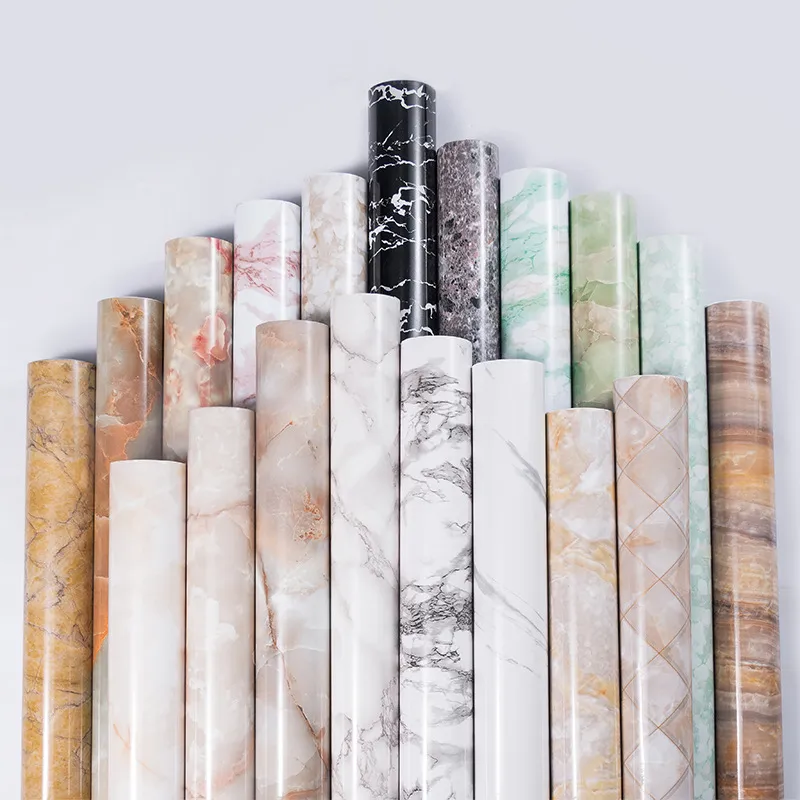
Laser PVC film brings a premium, light-reactive finish to modern packaging and labeling without sacrificing durability or production efficiency. For brands that need shelf impact, tamper-evidence cues, and consistent converting performance, high quality laser PVC film offers a practical balance of aesthetics and protection—especially when engineered for lamination, die-cutting, and high-speed packing lines.

Unlike flat metallic or printed effects, laser/holographic surfaces create a dynamic shimmer that changes with viewing angle. This optical depth can elevate packaging for cosmetics, personal care, beverages, gifts, stationery, and seasonal promotions—while also serving as a visual authentication layer when paired with controlled patterns and consistent roll-to-roll quality.
In packaging and label manufacturing, visual effect is only valuable if the film performs consistently. A dependable laser PVC film is built around stable calendering, controlled thickness, and surface quality that supports downstream processes. With proper formulation and production control, you can expect reliable handling for:
The most successful applications are those where the film’s light effect adds value and the material’s strength protects the pack. Depending on thickness, finish, and adhesive/lamination design, laser PVC film can be used as a facing layer, a decorative wrap, or a laminated overlay.
● Packaging: premium cartons, gift boxes, sleeves, window accents, and protective laminations.
● Labels & seals: brand labels, promotional stickers, tamper-evident label layers, and decorative badges.
● Lamination: overlays that improve scuff resistance while adding holographic depth to printed substrates.
Laser PVC film is not a single “one-size” material. The right selection depends on your converting route (printing, lamination, slitting), end-use environment, and desired visual intensity. If you are building on a stable base layer, starting from a controlled calendered foundation often improves runnability and repeatability. For reference, you can explore the base category of Calendered Film to understand typical manufacturing stability and finishing options.
Holographic surfaces can amplify both beauty and defects, so process control matters. In practice, the best results usually come from aligning ink/adhesive systems with the film’s surface energy and keeping tension consistent throughout the web path.
Many brands pair laser PVC film with other textures to build a distinctive product family: a holographic accent label on a soft-touch carton, or a shimmering band on a textured sleeve. If you want alternatives for tactile contrast, consider decorative lines such as 3D Silk Texture Film, which can be used to create premium “feel” zones while keeping the overall packaging structure consistent.
For interior branding displays, retail fixtures, or decorative trims where the holographic effect is used as a visual highlight, some manufacturers also combine laser elements with skirting and wall solutions to maintain a cohesive look across spaces. Related options include PVC Skirting Film and Solid Color Wallpaper.
Packaging and label projects rarely succeed with generic materials alone. OEM/ODM customization helps align film performance with your machinery, your artwork, and your distribution environment. Specifications can be adjusted for roll width, thickness, surface finish, pattern style, and converting requirements, along with packaging to protect roll edges and prevent contamination during transit.
● End-to-end production control: calendering, printing, slitting, and packaging handled in one system to reduce variability.
● Consistent QC and traceability: thickness checks, surface inspection, adhesion/strength testing, and batch records.
● Export-ready packaging: protective wrapping (such as PE film or kraft paper), clear labels, and moisture/damage prevention.
When laser PVC film is used in packaging, buyers often request documentation to support internal audits and market-entry needs. Depending on your application and region, you may need verification related to heavy metals, phthalates, and regulated substances. Strong suppliers typically align with widely recognized systems such as ISO management standards and can support frameworks like REACH and RoHS when required.
A clear specification reduces sampling cycles and avoids costly mismatches. For packaging and labeling projects, provide details that cover both appearance and converting behavior. This is especially important when the film will be laminated over printed graphics or used on high-speed label lines.
With laser effects, small variations in thickness, embossing replication, or surface cleanliness can become visible in finished goods. A supplier with integrated calendering, printing, and slitting/packaging lines can reduce handoffs, control lead time, and maintain stable batch-to-batch appearance—especially for ongoing brand programs where multiple SKUs must match.
Reliable delivery also depends on systematic planning and inventory management, plus strict incoming and outgoing QC. For international buyers, export experience is equally important: rolls must arrive clean, undamaged, and ready to run, with clear specifications labeled for warehouse scanning and quick line setup.
Choosing durable holographic sheets is not only about the shine—it’s about reproducibility. When your supplier can control the full process and validate quality at multiple points, your packaging and label results become easier to standardize across factories, markets, and seasons.
PVC film is a thin polyvinyl chloride sheet used for decorative, industrial, and packaging purposes. Laser PVC film adds a holographic (light-diffraction) surface that creates a color-shifting effect while still behaving like a convertable PVC film in many processes.
Yes, it is commonly used as a decorative overlay or laminate layer. For best results, confirm adhesive compatibility, surface finish, and production settings with a sample trial before mass production.
Most professional manufacturers can support OEM/ODM customization such as thickness, width, roll length, surface finish, pattern style, and packaging method to match your converting line and brand requirements.
Buyers often request compliance or management system references such as ISO documentation, plus restricted-substance confirmations (for example REACH/RoHS) and test reports when required by retailers or local regulations.
Provide end-use, dimensions (thickness/width/roll length), desired holographic effect, surface finish, converting method, and order quantity. Clear requirements help the supplier recommend the best film structure and deliver faster sampling.