Address
304 North Cardinal St.
Dorchester Center, MA 02124
Work Hours
Monday to Friday: 7AM - 7PM
Weekend: 10AM - 5PM
Address
304 North Cardinal St.
Dorchester Center, MA 02124
Work Hours
Monday to Friday: 7AM - 7PM
Weekend: 10AM - 5PM


 ByPulivk
In modern manufacturing and interior design, hot laminate PVC film has become a cornerstone material for surface finishing. Its unique ability to bond seamlessly with substrates like MDF, plywood, and particleboard makes it a preferred choice across furniture production, construction panels, and decorative applications. Understanding how this film works, its advantages, and the selection criteria can significantly impact project outcomes and long-term durability.
Hot lamination refers to the process where calendered film is applied to a substrate using heat and pressure. Unlike cold adhesive methods, the thermal process activates the film’s backing layer, creating a molecular-level bond with the surface. This results in superior adhesion, reduced peeling risk, and enhanced resistance to environmental factors such as humidity and temperature fluctuations. The film itself is typically composed of multiple layers including a wear layer, printed decorative layer, and a heat-activated adhesive backing.
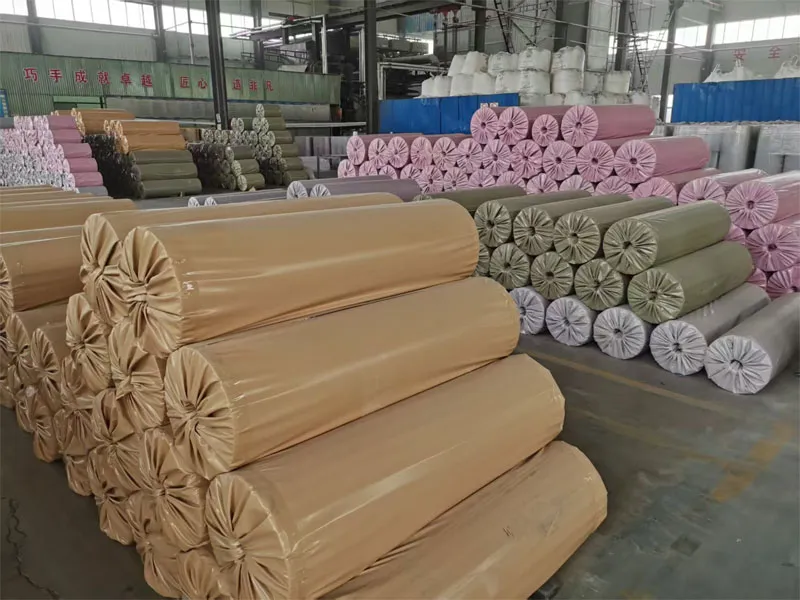
Choosing hot laminate PVC film over traditional finishing methods brings measurable advantages to manufacturers and end-users alike. The following benefits highlight why industries are increasingly adopting this material:
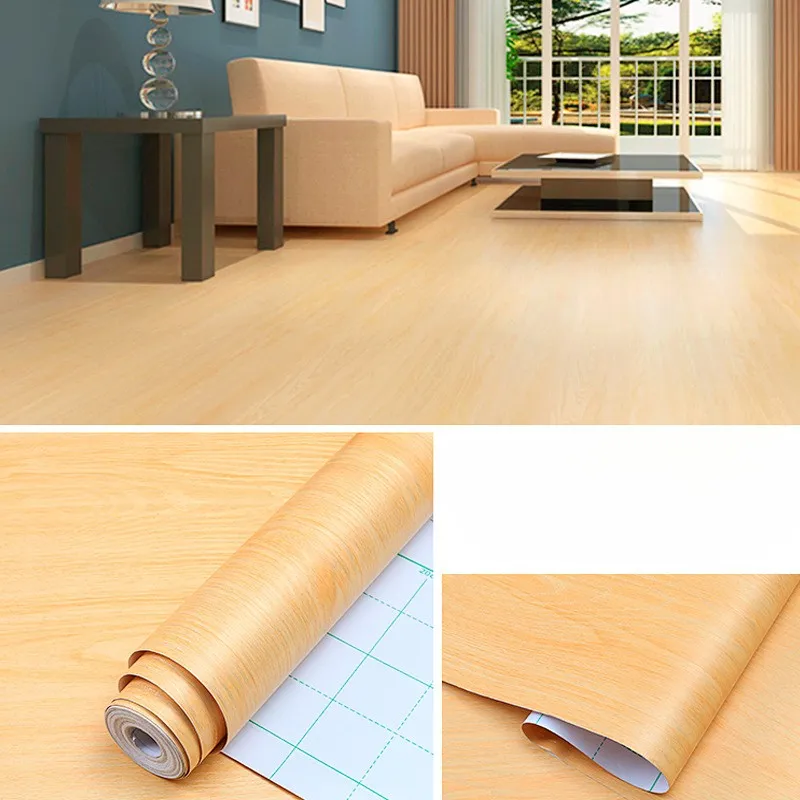
The adaptability of hot laminate PVC film extends across numerous sectors. Each application leverages the material’s unique properties to achieve specific performance goals:
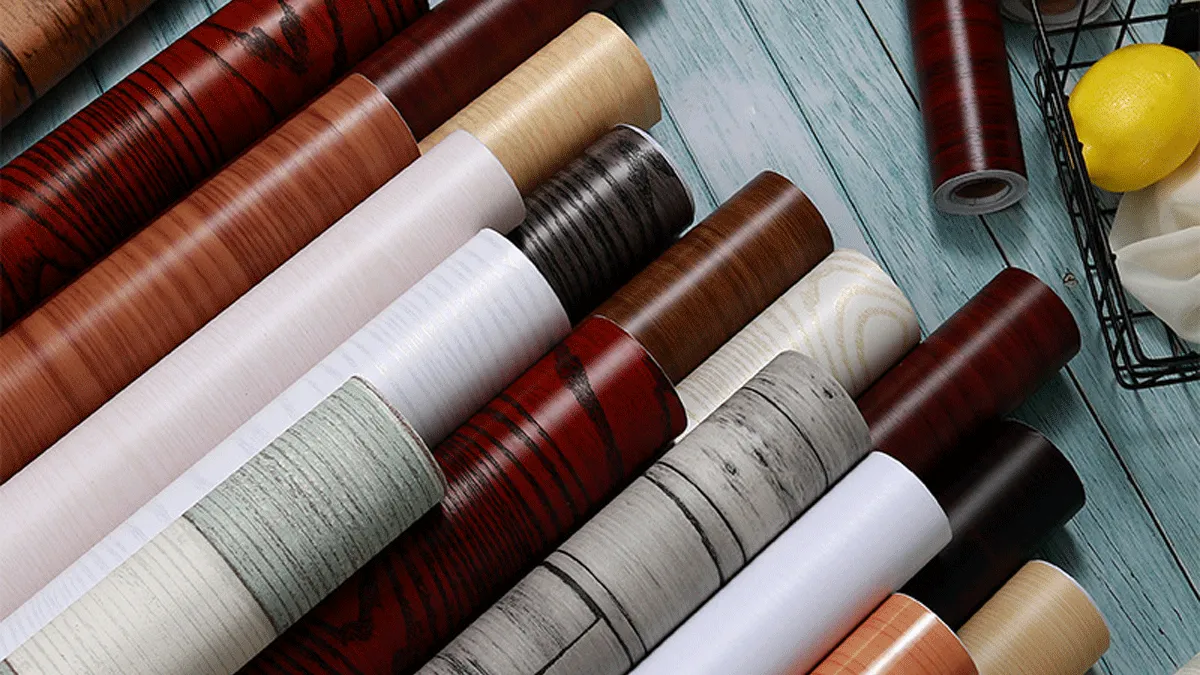
Cabinet doors, wardrobe panels, table tops, and shelving units benefit from glossy wardrobe film that delivers a furniture-grade finish without the expense of solid materials. The film can replicate wood species, fabric textures, and high-gloss lacquer effects with remarkable accuracy.
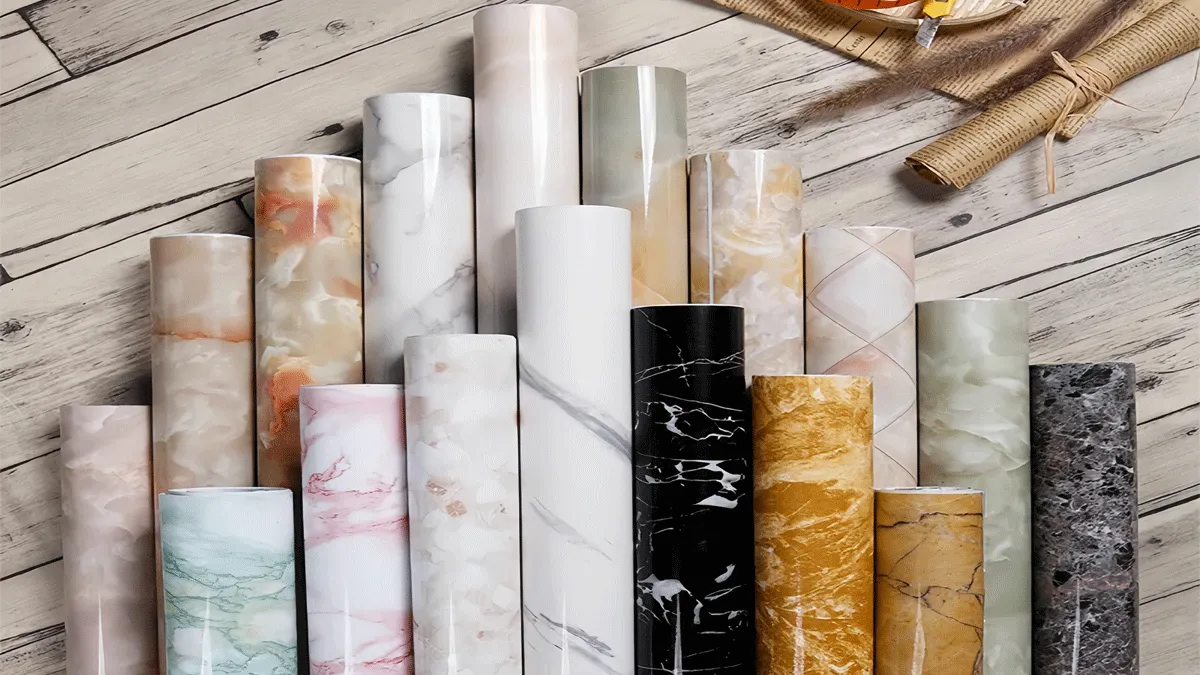
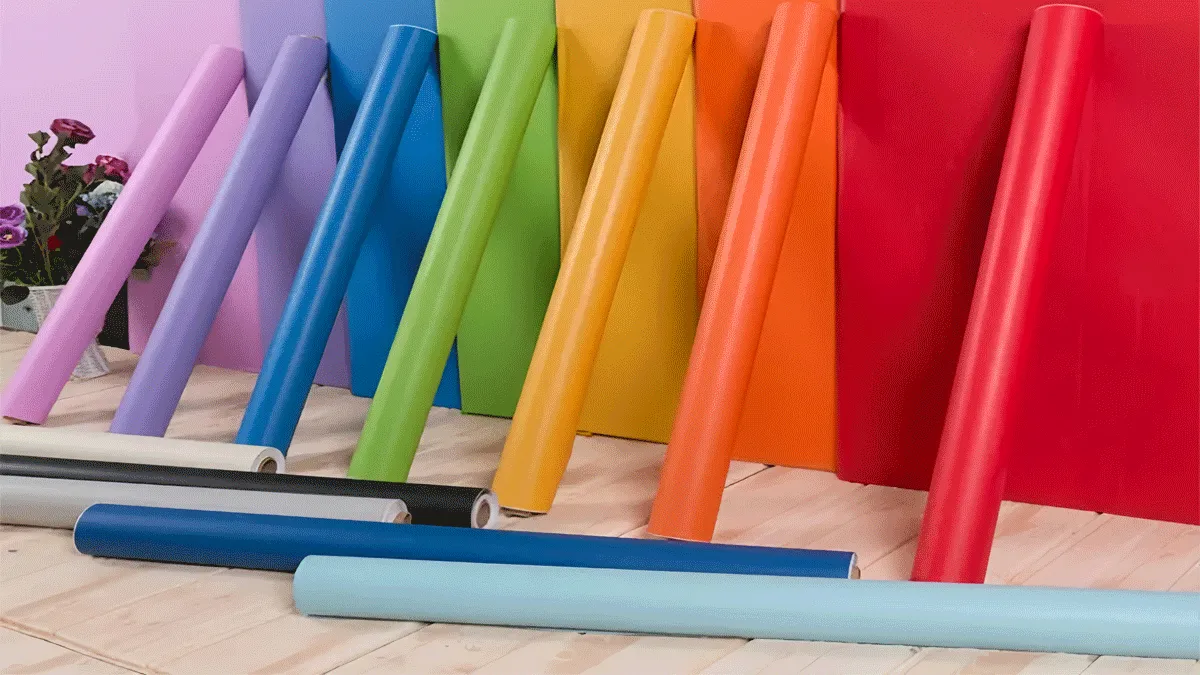
Wall panels, ceiling tiles, door skins, and partition systems utilize hot laminate films for both decorative and protective purposes. Stone pattern and solid color films provide architects and interior designers with flexible material options that are lightweight yet durable.
Floor film products with enhanced wear layers are engineered to handle foot traffic, furniture loads, and cleaning routines. These films combine decorative patterns with practical performance in residential and light commercial settings.
Display fixtures, kiosks, signage panels, and exhibition stands use hot laminate films to achieve brand-specific colors and textures quickly. The fast application process supports tight project timelines while delivering professional results.
Self-adhesive and heat-applied films allow homeowners to refresh kitchen countertops, bathroom surfaces, and furniture pieces without professional installation. This accessibility has expanded the consumer market for hot laminate PVC film significantly.
Understanding the technical parameters of hot laminate PVC film helps buyers match products to their specific application requirements. The table below outlines common specification ranges:
| Specification | Typical Range | Application Impact |
|---|---|---|
| Film Thickness | 0.03 mm – 0.50 mm | Thicker films offer better durability for high-wear surfaces |
| Width Availability | Up to 1500 mm | Wider films reduce seam lines on large panels |
| Surface Finish | Matte, Glossy, Embossed, Brushed, 3D Relief | Determines tactile feel and light reflection properties |
| Lamination Temperature | 120°C – 200°C | Varies by adhesive formulation and substrate type |
| Roll Length | Custom cutting available | Flexible sizing reduces waste for specific production runs |
| Environmental Compliance | RoHS, REACH (select formulations) | Ensures safety for indoor use and human contact |
Selecting the optimal hot laminate PVC film requires evaluating several interrelated factors. A systematic approach ensures the chosen film performs as expected throughout its service life.
The base material — whether MDF, particleboard, plywood, or another engineered panel — influences adhesion performance. Films formulated for porous substrates may differ from those designed for smoother surfaces. Confirm compatibility with your specific substrate before ordering.
Indoor applications with controlled humidity have different requirements than high-moisture areas or outdoor exposures. For outdoor or wet-area applications, specify PVC film with UV inhibitors and enhanced moisture barrier properties.
Consider the desired visual outcome: marble film for luxury interiors, wood grain for traditional furniture, or solid colors for contemporary minimalism. Evaluate color consistency and pattern repeatability across production batches.
High-traffic surfaces demand films with superior abrasion resistance. Curved or profiled edges require films with adequate elongation and flexibility to prevent cracking during application. Review ASTM PVC Film Standard testing data for objective performance comparisons.
Your existing lamination machinery — whether flat press, profile wrapping, or vacuum membrane press — should be matched with compatible film types. Different equipment types require specific adhesive activation profiles and film handling characteristics.
For projects targeting specific markets, confirm that the film meets relevant regulatory requirements. Compliance with PVC REACH Restrictions and other regional standards can be critical for export-oriented manufacturers.
Reputable suppliers subject their hot laminate PVC film to rigorous testing protocols. Key performance indicators include tensile strength (per Plastic Film Tensile Testing standards), tear resistance, dimensional stability under heat, and surface gloss consistency. These tests ensure that the film maintains its appearance and functionality even under challenging conditions. Testing for Plastic Film Haze Testing and optical clarity is particularly important for transparent or high-gloss decorative films where visual quality is paramount.
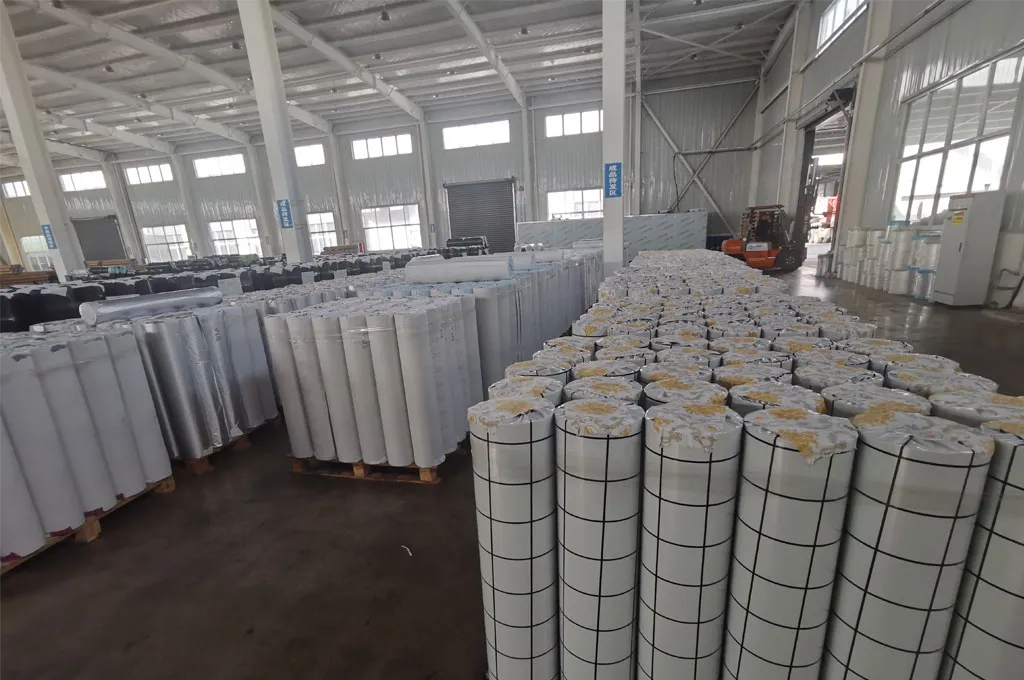
Behind every reliable hot laminate PVC film lies a robust manufacturing infrastructure. Henan Pulivk New Materials Co., Ltd. operates integrated calendering lines, printing lines, and split-packaging lines under one roof. This full in-house production capability enables complete quality control from raw material processing to finished packaging. By managing the entire production chain, the company ensures stable quality, faster lead times, and cost advantages that directly benefit its global partners across Southeast Asia, the Middle East, Europe, and beyond.
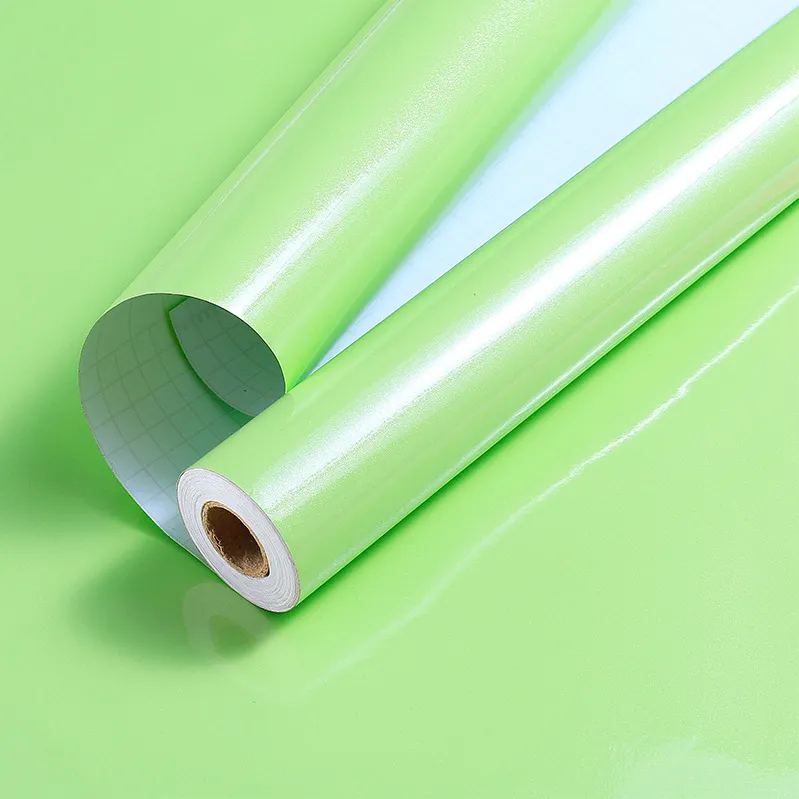
Achieving optimal results with hot laminate PVC film depends heavily on proper installation techniques. Surface preparation is critical — substrates must be clean, dry, and free from dust or oil residues. The recommended lamination temperature should be maintained consistently across the entire surface to prevent uneven bonding or bubbling. Post-lamination cooling under controlled conditions allows the adhesive to cure properly, maximizing bond strength. For profile-wrapped edges, ensure the film’s elongation properties match the radius of curvature to avoid stress cracking over time.
Once applied, hot laminate PVC film requires minimal maintenance to preserve its appearance. Routine cleaning with a soft, damp cloth and mild neutral detergent is sufficient for most surfaces. Avoid abrasive cleaners, steel wool, strong acids, and alkaline solutions that could scratch or chemically degrade the film surface. With proper care, hot laminated surfaces can maintain their aesthetic appeal and functional integrity for many years, making them a sound investment for both commercial and residential applications.