Address
304 North Cardinal St.
Dorchester Center, MA 02124
Work Hours
Monday to Friday: 7AM - 7PM
Weekend: 10AM - 5PM
Address
304 North Cardinal St.
Dorchester Center, MA 02124
Work Hours
Monday to Friday: 7AM - 7PM
Weekend: 10AM - 5PM


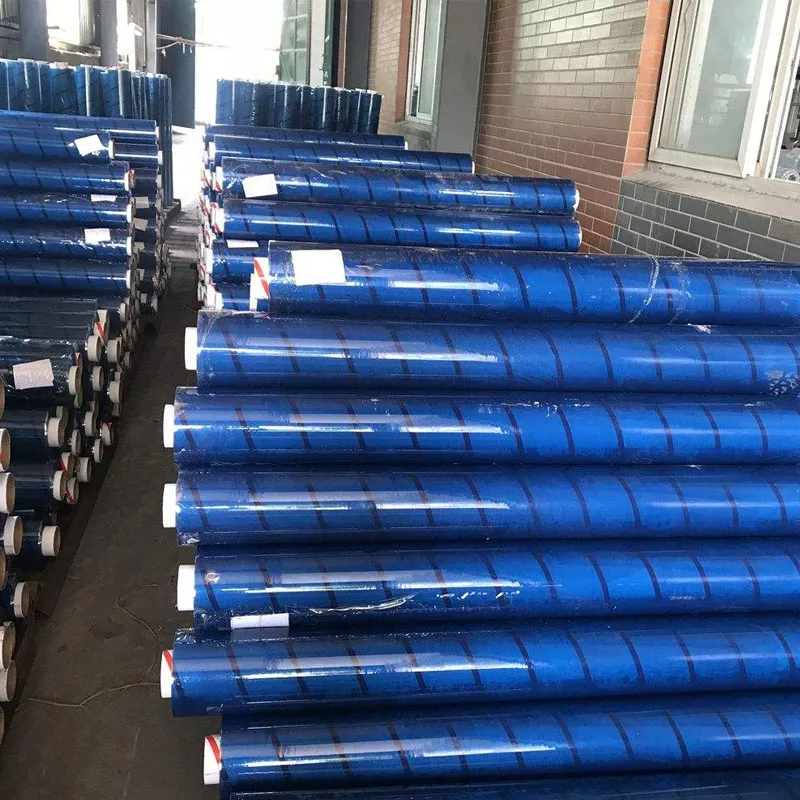
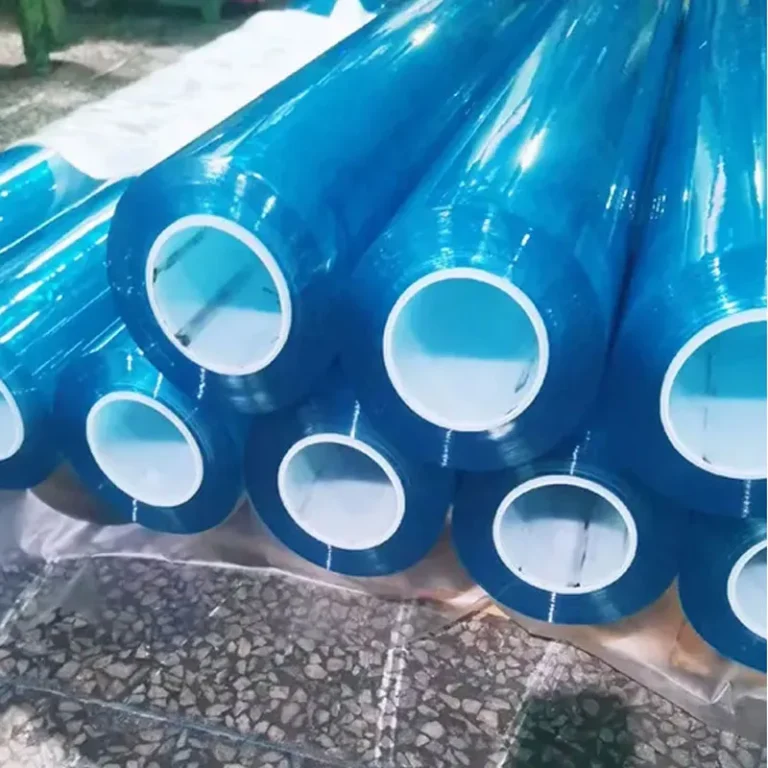
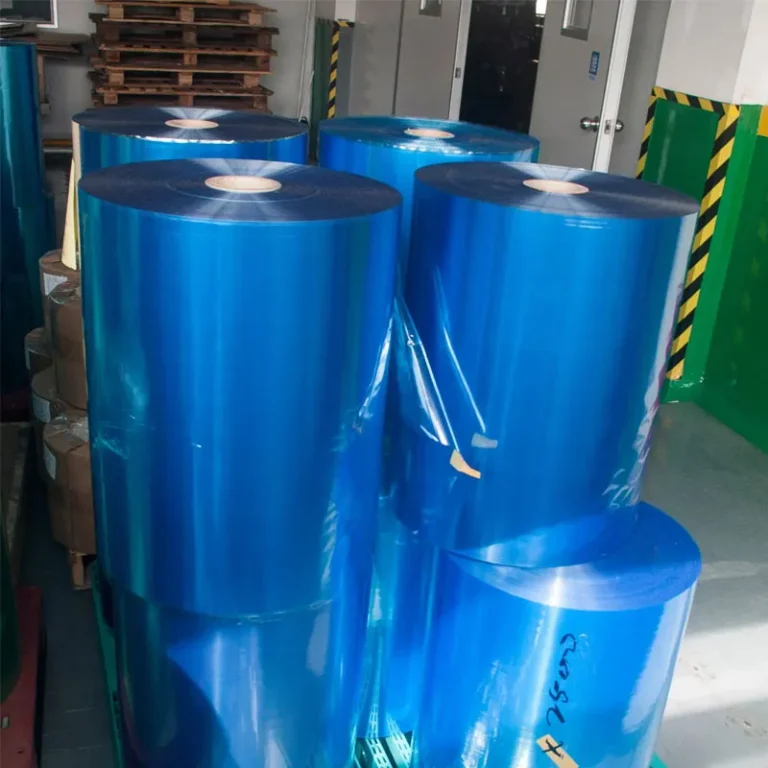
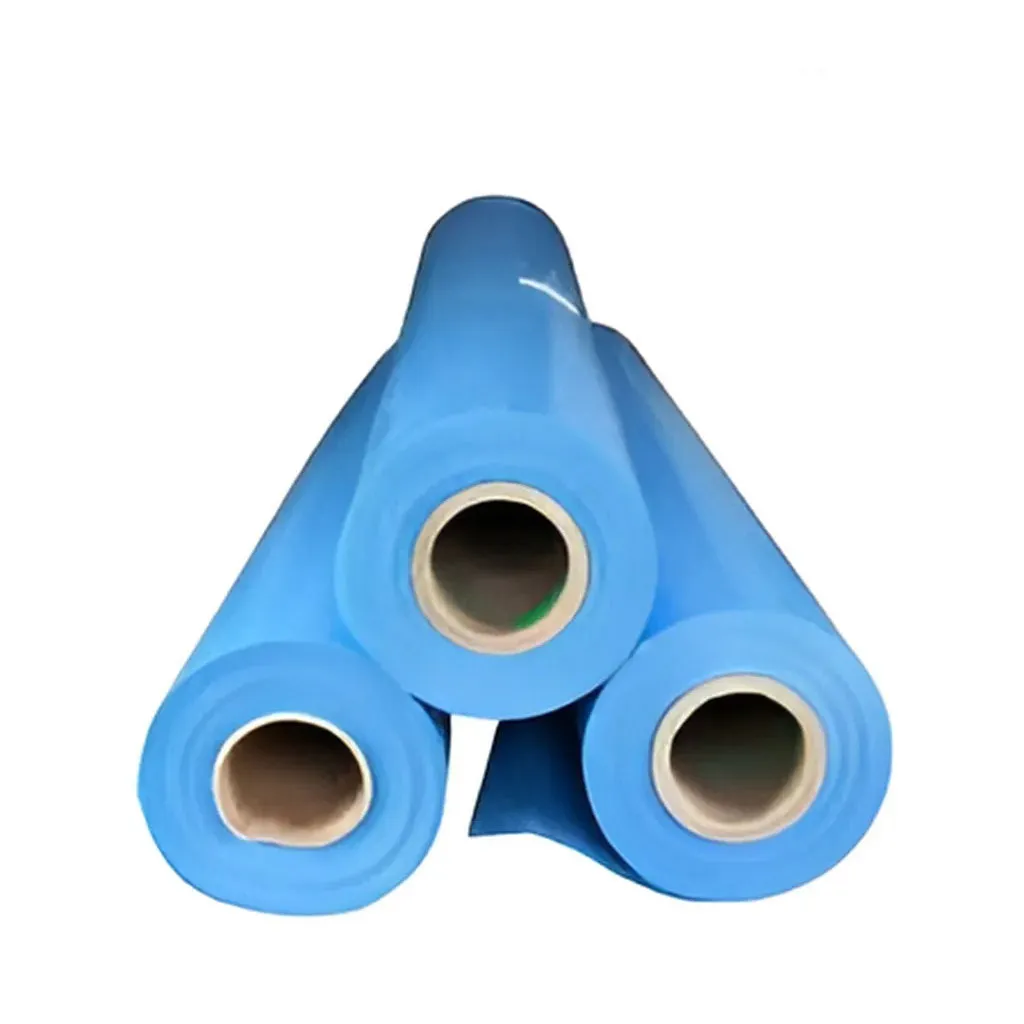
PVC anti-static film is a specialized polyvinyl chloride (PVC) sheet engineered to reduce or dissipate static electricity on surfaces. Common in packaging, electronics protection, and surface coverings, this film protects sensitive components and improves safety in dry or high-friction environments. Below we break down how PVC anti-static film works, its benefits, practical uses, and tips for choosing the right product.
The anti-static behavior of PVC film is achieved through material formulation and surface treatments that either prevent charge buildup or allow charges to dissipate rapidly. Two principal approaches are used:
PVC base resin is blended with conductive or dissipative additives (e.g., carbon black, silver-coated particles, or proprietary ionic agents). These additives create a low-resistance path across the film surface or through its matrix, so any accumulated electrons flow away instead of remaining localized. The surface resistivity typically falls into the dissipative range, ensuring controlled discharge without sudden sparks.
Some anti-static films use a thin surface layer infused with ionic agents or hydrophilic coatings that attract moisture from the air. This microscopic moisture layer reduces surface resistance and allows charges to bleed off slowly. These coatings are often optimized for durability and transparency so the film still performs visually and mechanically.
When comparing anti-static PVC films, these measurable properties are most important:
| Property | Typical Range | Why It Matters |
|---|---|---|
| Surface Resistivity (Ω/sq) | 10^6 – 10^12 | Lower values = faster charge dissipation |
| Thickness | 20 µm – 500 µm | Affects strength, flexibility, and barrier properties |
| Transparency / Haze | Clear to frosted | Important for visible product protection and aesthetics |
| Surface Durability | Abrasion & scratch resistance varies | Determines lifespan in handling/transport |
Static protection: Prevents electrostatic discharge (ESD) that can damage electronic components during packaging or assembly.
Dust reduction: Static-free surfaces attract fewer particles, keeping sensitive surfaces cleaner.
Safe handling: Reduces the risk of sparks in environments with flammable vapors or powders.
Cost-effective packaging: Combines protection and packaging in one flexible, customizable material.
PVC anti-static films are widely used across industries. Typical applications include:
Protective wrap for PCBs, semiconductor wafers, connectors, and batteries during shipping and storage. These films ensure safe handling in manufacturing lines and assembly plants.
Static-dissipative packaging helps maintain clean-room environments in pharmaceuticals and microelectronics. Films can be produced with custom widths and prints for labelling and traceability.
Protective covers for painted panels, interior trims, and screens that minimize dust cling and static during transport and assembly.
Temporary protective films for floors and furniture that prevent static-related dust adhesion and simplify site cleanup after installations.
Choose based on your priority parameters:
Store anti-static films in a cool, dry place—excessive heat or direct sunlight can degrade surface coatings. During application, avoid folding or creasing near sensitive edges; use smooth applicator tools to eliminate trapped air and to ensure consistent contact for dissipation. Dispose of used films according to local regulations—many PVC films are recyclable under proper programs, but check local facilities.
PVC itself is a durable and versatile polymer. When specifying anti-static films, consider:
Manufacturers with full in-house capabilities can better control raw materials, additive uniformity, and quality checkpoints—ensuring consistent anti-static performance and reliable lead times. Pulivk offers integrated calendering, printing, and split-packaging capabilities that support OEM customization and stable delivery schedules.
Before purchasing, confirm:
PVC anti-static films are a practical, customizable solution to manage static risks across many industries. Choosing the right film involves balancing electrical performance, mechanical protection, and environmental requirements to meet your application’s needs.