Address
304 North Cardinal St.
Dorchester Center, MA 02124
Work Hours
Monday to Friday: 7AM - 7PM
Weekend: 10AM - 5PM
Address
304 North Cardinal St.
Dorchester Center, MA 02124
Work Hours
Monday to Friday: 7AM - 7PM
Weekend: 10AM - 5PM


 ByPulivk
PVC film is one of the most versatile materials used across countless industries today — from wood grain film for furniture surfaces to durable floor coverings and protective packaging. But how is PVC film made? Understanding the complete manufacturing process — from raw material blending to final roll packaging — helps buyers make informed sourcing decisions and appreciate the engineering behind this everyday material.
Before diving into the production line, it’s essential to understand what goes into PVC film. The primary ingredient is polyvinyl chloride (PVC) resin, which is derived from salt and ethylene. However, pure PVC resin is rigid and brittle, so manufacturers add several key components:
The precise formulation varies depending on whether the film is destined for furniture lamination, floor film applications, medical use, or food packaging. Each formulation must comply with applicable ASTM PVC film standards for safety and performance.
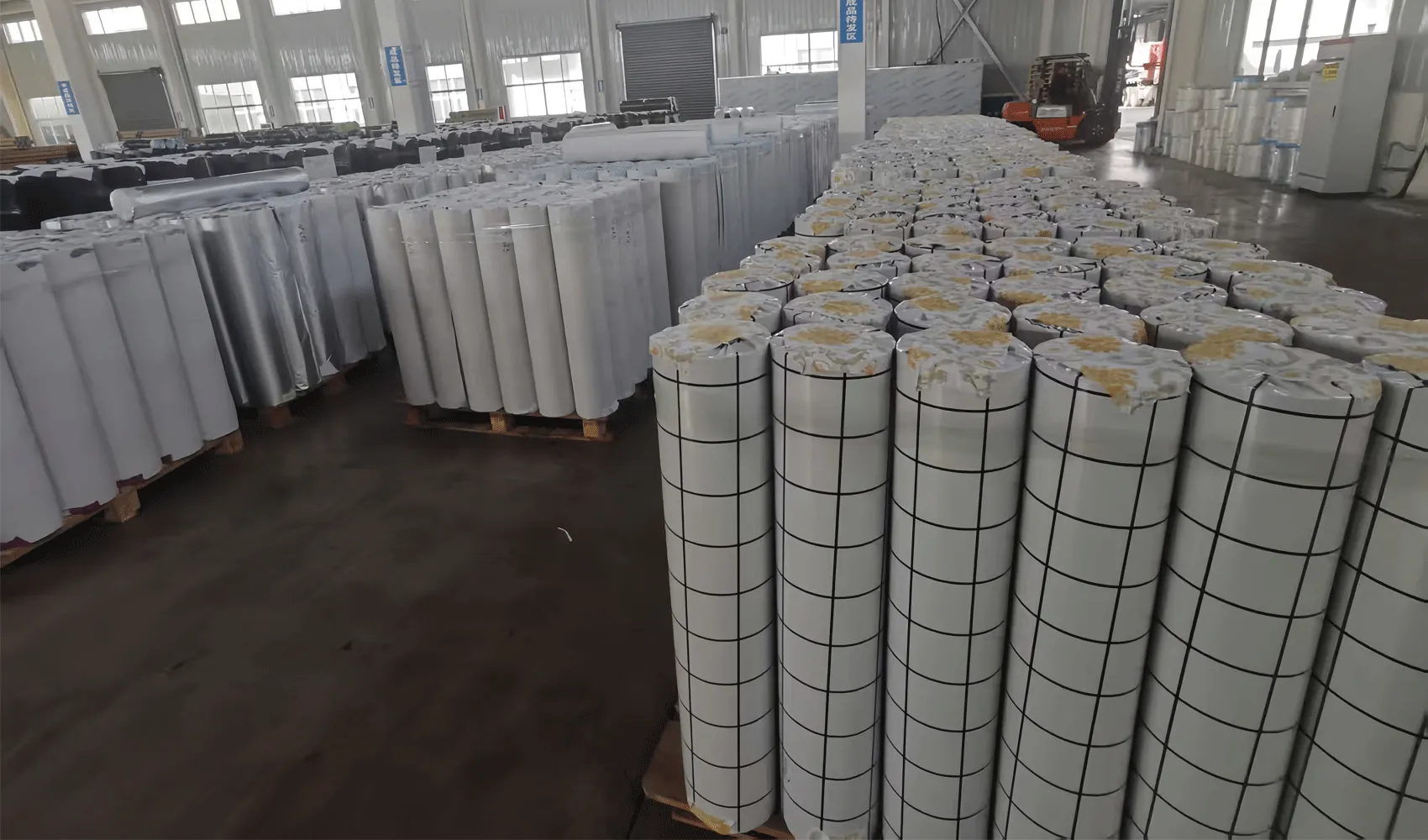
The journey from raw powder to finished roll involves several tightly controlled stages. Here is a detailed breakdown of how PVC film is made in a modern production environment:
The manufacturing process begins in the compounding area, where PVC resin is precisely weighed and blended with plasticizers, stabilizers, fillers, and pigments. This takes place in high-speed turbo mixers that generate frictional heat, allowing the liquid plasticizers to be fully absorbed into the porous PVC resin particles. The result is a free-flowing dry blend powder with uniform composition — the foundation of consistent film quality.
The dry blend then enters a continuous intensive mixer (also called a Banbury mixer or kneader) where it is subjected to heat and shear forces. This stage transforms the powder into a homogeneous, gel-like molten mass. Temperature control is critical here — typically between 150°C and 200°C — to ensure complete fusion without thermal degradation. The molten PVC compound is then fed into a two-roll mill that further refines the melt and removes any air bubbles.
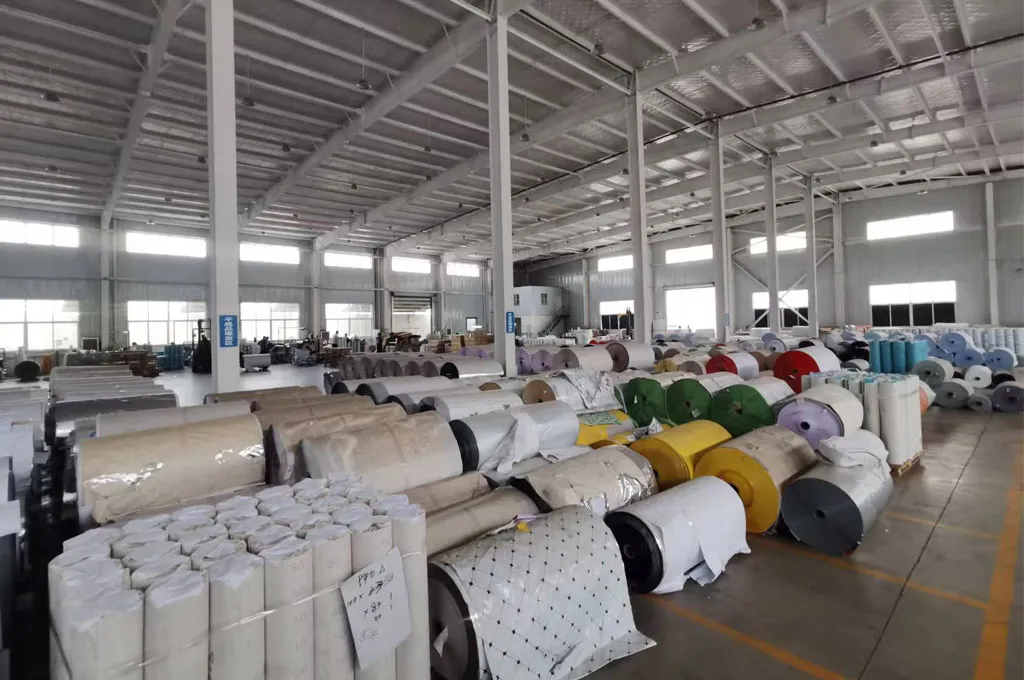
Calendering is the most widely used method for producing high-quality PVC film. The molten PVC compound passes through a series of heated, counter-rotating rollers arranged in an L-type, inverted L-type, or Z-type configuration. Each successive roller gap is precisely narrower than the previous one, gradually reducing the material to the desired thickness — which can range from as thin as 0.03 mm to 0.50 mm or more. The final roller pair determines the film’s exact gauge, while the roller surface finish (mirror-polished, matte, or engraved) imparts the initial surface texture.
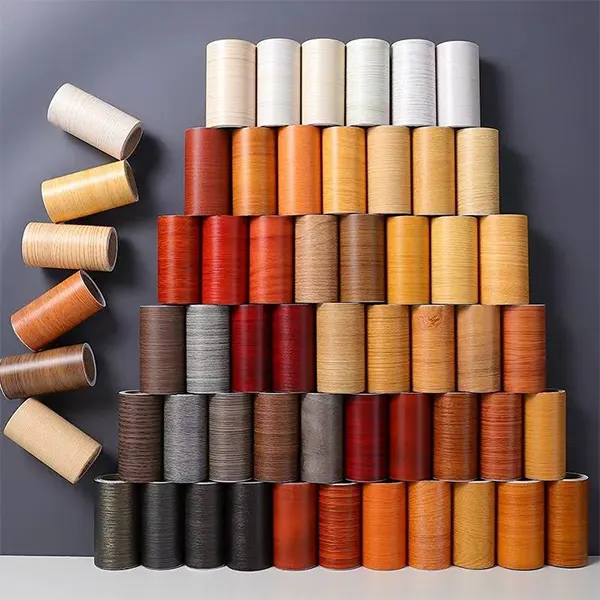
Immediately after calendering, while the film is still in a thermoplastic state, it passes through an embossing station. Here, precision-engraved steel rollers press patterns into the hot film surface — creating everything from deep wood grain textures and leather grains to subtle matte finishes and high-gloss surfaces. This is the stage where decorative films gain their realistic tactile and visual effects, making them suitable for furniture, wall panels, and interior design applications.
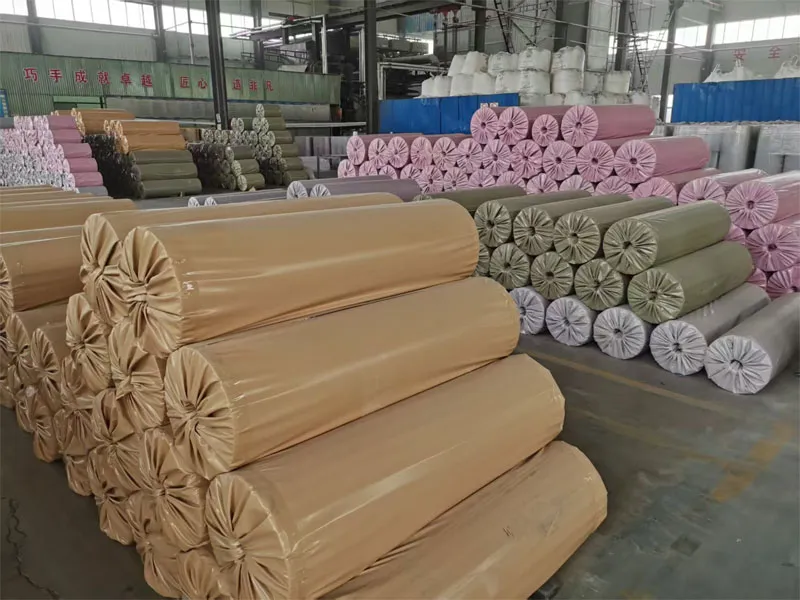
After embossing, the film travels through a series of water-cooled or chilled rollers that rapidly bring its temperature down to ambient levels. This cooling stage locks in the embossed pattern and stabilizes the film’s dimensions. Proper cooling is essential to prevent shrinkage, warping, or residual stress that could cause problems during downstream converting or end-use application.
Depending on the intended application, the film may undergo additional surface treatments. A corona discharge treatment increases surface energy to improve adhesion for printing or laminating. Alternatively, a top coating may be applied to enhance scratch resistance, UV stability, or anti-fog properties. For printable films, this step is critical to ensure ink adhesion and vibrant color reproduction.
The continuous film web is trimmed on both edges to remove any thickness irregularities and achieve the target width — up to 1500 mm or more. Slitting machines then cut the wide master roll into narrower rolls according to customer specifications. Finally, automatic winders roll the film onto cardboard cores with precise tension control, ensuring smooth, wrinkle-free rolls ready for packaging.
Throughout the manufacturing process, rigorous quality control checkpoints monitor critical parameters. Testing is conducted according to internationally recognized standards, including ASTM PVC film standards and ISO methodologies. The table below summarizes key quality tests performed on PVC film:
| Test Parameter | Standard Reference | What It Measures |
|---|---|---|
| Film Thickness | ASTM D6988 / ISO 4593 | Uniformity of gauge across the web |
| Tensile Strength & Elongation | ASTM D882 / ISO 527-3 | Mechanical durability and flexibility |
| Tear Resistance | ASTM D1004 / ISO 6383-1 | Resistance to tearing during handling |
| Gloss Level | ASTM D2457 | Surface finish consistency (matte to high gloss) |
| Haze & Transparency | ASTM D1003 | Optical clarity for transparent films |
| Dimensional Stability | ASTM D1204 / ISO 11501 | Shrinkage under heat exposure |
| Coefficient of Friction | ASTM D1894 / ISO 8295 | Surface slip characteristics |
At Henan Pulivk New Materials Co., Ltd., multiple QC checkpoints are integrated into every stage — from raw material inspection to final roll packaging — ensuring that each batch of PVC film consistently meets customer specifications and international quality benchmarks.
While calendering dominates the PVC film industry, two other methods are worth mentioning for specific applications:
However, for decorative films, floor film, wood grain laminates, and high-end surface finishes, calendering remains the preferred technology due to its superior gauge control, surface quality, and production efficiency.
Modern PVC film manufacturing increasingly embraces circular economy principles. According to the VinylPlus 2030 Commitment, the European PVC industry aims to recycle significant volumes of PVC waste and develop fully circular product lifecycles. Manufacturers are adopting:
A comprehensive PVC life cycle assessment confirms that modern PVC film products can achieve strong environmental performance when manufactured under best practices and properly managed at end-of-life.
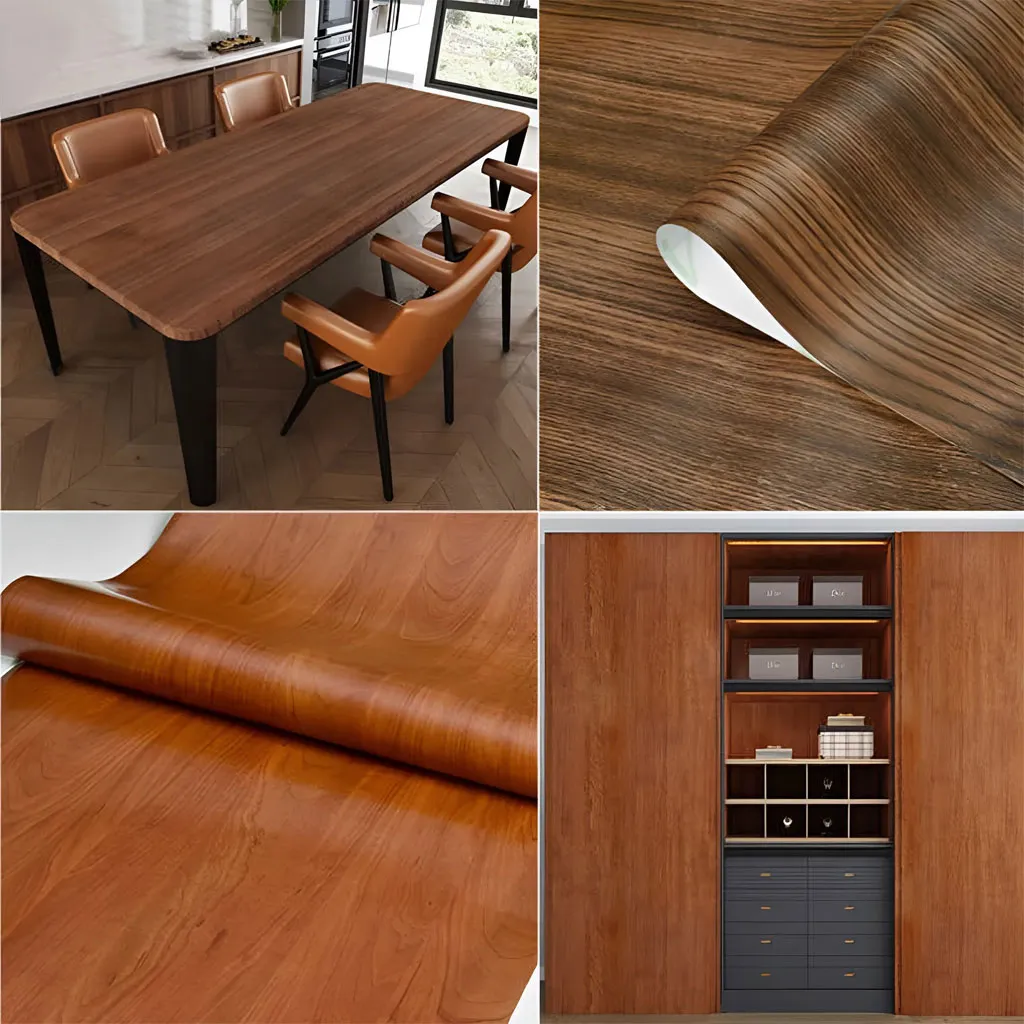
The versatility of PVC film makes it indispensable across numerous sectors. Below are the primary application areas:
When sourcing PVC film, buyers should evaluate manufacturers based on several key criteria:
Understanding how PVC film is made empowers procurement professionals to ask the right questions and identify manufacturing partners who deliver consistent quality, reliable lead times, and genuine value. From raw material formulation to final roll packaging, every step in the process contributes to the film’s ultimate performance in the field.