Address
304 North Cardinal St.
Dorchester Center, MA 02124
Work Hours
Monday to Friday: 7AM - 7PM
Weekend: 10AM - 5PM
Address
304 North Cardinal St.
Dorchester Center, MA 02124
Work Hours
Monday to Friday: 7AM - 7PM
Weekend: 10AM - 5PM


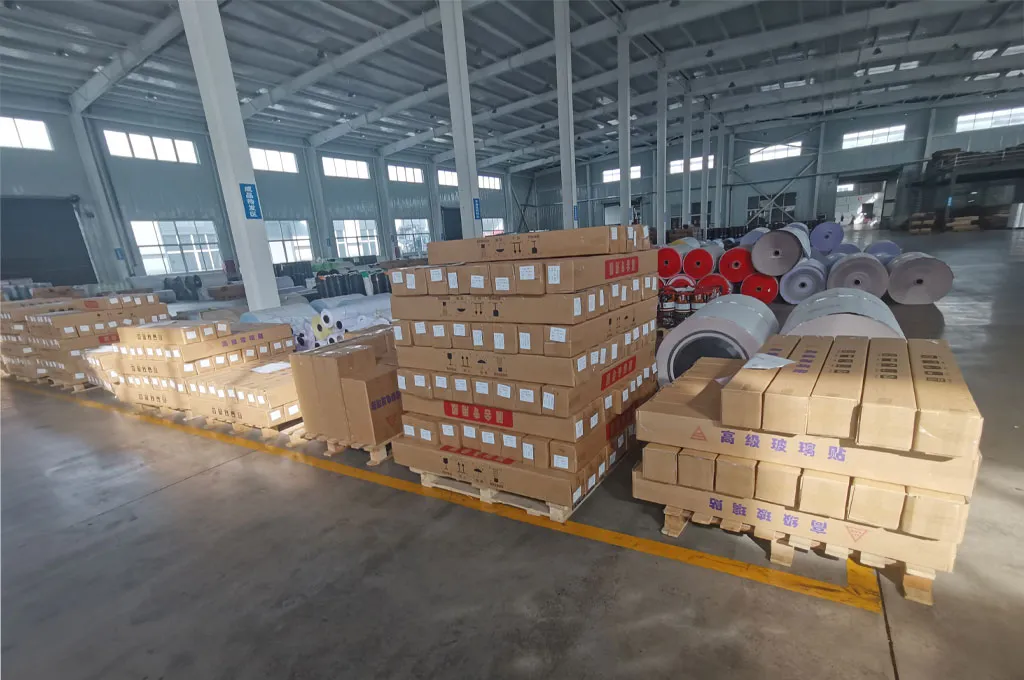
PVC film manufacturers face frequent raw material price swings that directly affect production costs, margins, and market trends. Understanding how resin, plasticizers, stabilizers, and energy costs translate into finished-film pricing helps buyers and producers make smarter procurement and production decisions.
PVC film is typically composed of PVC resin, plasticizers (often phthalates or non-phthalate alternatives), stabilizers, pigments, and processing aids. Among these, resin and plasticizers are the most price-sensitive components. Resin prices follow global petrochemical cycles and are influenced by crude oil, ethylene/chlorine feedstock supply, and regional capacity changes. Plasticizer prices often track global demand for construction and automotive sectors, while energy and logistics cost swings add further variability.
Price increases at the raw material level propagate through the production chain in predictable ways: higher resin costs raise per-ton production cost; expensive plasticizers increase flexible film costs; and elevated energy or freight pushes up processing and delivery expenses. A typical cost-sensitivity rule of thumb for calendered PVC film producers is that a 10% rise in resin cost can increase total product cost by 3–6%, depending on film composition and thickness.
| Cost Component | Typical Share | Impact if +10% |
|---|---|---|
| PVC resin | 40%–60% | +3% to +6% total cost |
| Plasticizers & additives | 15%–30% | +1.5% to +3% total cost |
| Energy & labor | 10%–20% | +0.5% to +2% total cost |
| Logistics & tariffs | 5%–10% | Variable; can spike suddenly |
Manufacturers adopt multiple tactics to absorb or mitigate raw material swings. Common strategies include forward buying and hedging, negotiating long-term contracts with resin suppliers, holding strategic inventories for critical grades, and optimizing recipes to partially substitute expensive additives with lower-cost alternatives without harming performance. Flexible production and split-packaging capabilities also let producers respond faster to changing order volumes and customer demands.
Procurement teams should monitor petrochemical feedstock indexes, regional resin spot markets, and shipping rates. Staggered contracts, monthly price-adjust clauses tied to recognized indices, and partnering with suppliers that offer consistent QC and reliable lead times help reduce vulnerability. Prioritize suppliers with in-house production capabilities and vertical control of processes to minimize pass-through volatility.
When raw material prices climb, end-users often delay non-essential projects, switch to lower-cost alternatives (laminates, PE films), or seek thinner gauge films. Conversely, sustained cost stability encourages larger renovation and construction contracts. Export markets can shift: manufacturers in regions with lower feedstock costs gain competitiveness, while others pursue value-added offerings—custom prints, specialty textures, or improved durability—to justify higher prices.
Key indicators to follow include crude oil trajectories, ethylene and PVC resin capacity announcements, regional inventories, and freight/tariff changes. Maintain flexible product portfolios, and consider OEM partnerships and customized value propositions to protect margins and preserve demand even when raw material costs rise.
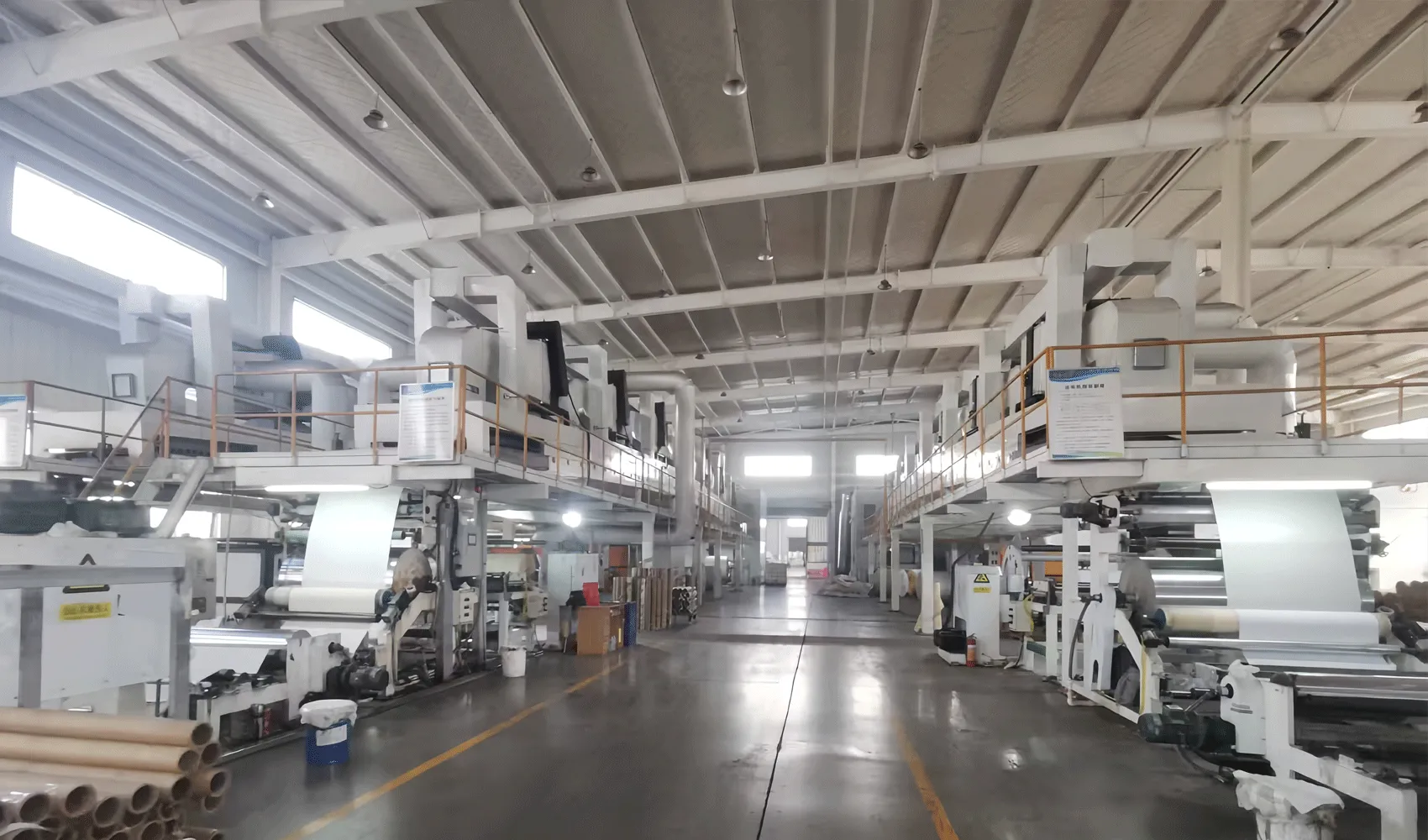
Pulivk — Full In-House Production: Equipped with calendering, printing, and split-packaging lines to control quality, shorten lead times, and help partners reduce costs at the source. The facility supports cost-effective manufacturing, flexible OEM services, and stable delivery schedules backed by multiple QC checkpoints and global export experience.