Address
304 North Cardinal St.
Dorchester Center, MA 02124
Work Hours
Monday to Friday: 7AM - 7PM
Weekend: 10AM - 5PM
Address
304 North Cardinal St.
Dorchester Center, MA 02124
Work Hours
Monday to Friday: 7AM - 7PM
Weekend: 10AM - 5PM


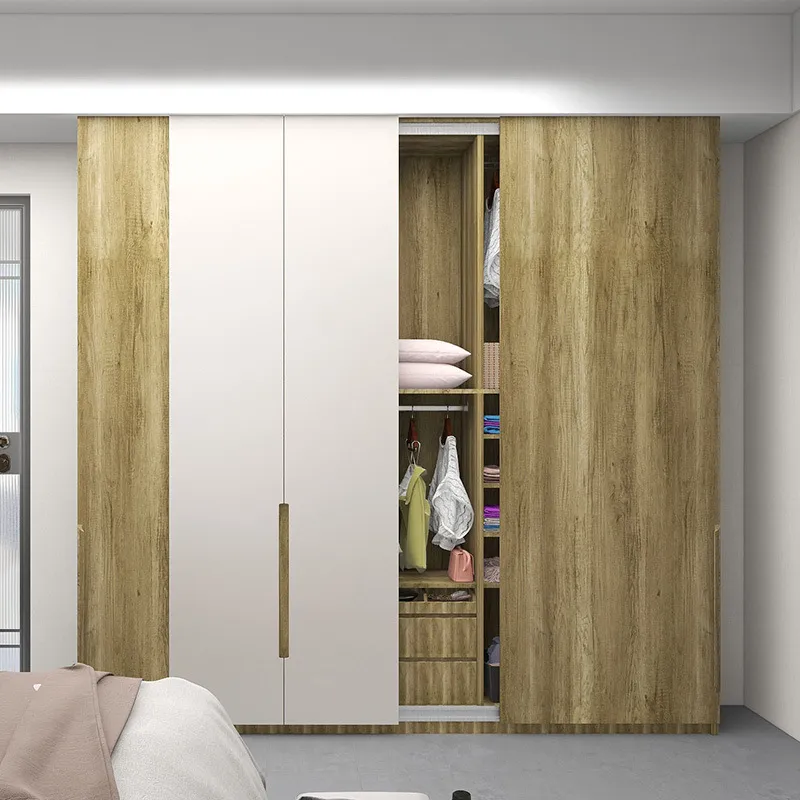
Choosing the right adhesive for PVC film installation can make the difference between a finish that lasts for years and one that peels, bubbles, or discolors. This guide walks you through adhesive types, surface prep, application methods, and troubleshooting so you can select a bonding solution that fits your project—whether installing decorative film on furniture, walls, floors, or specialized protective films.
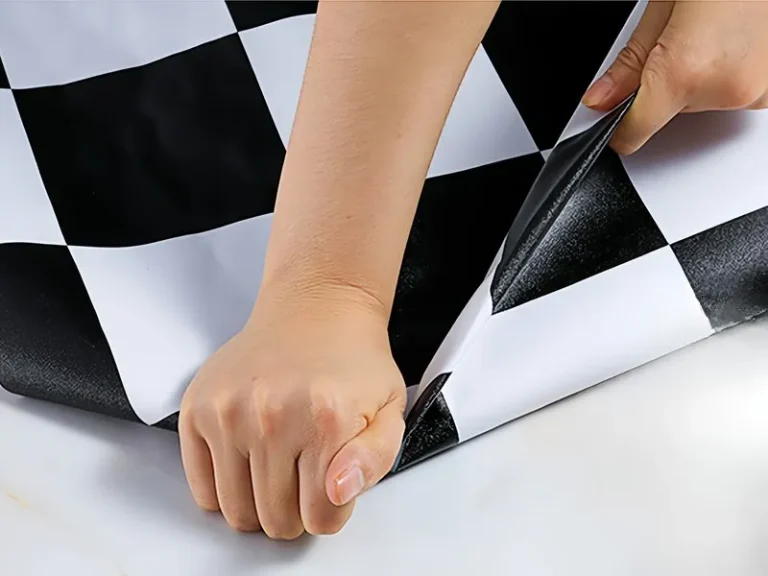
Acrylic PSAs are widely used for self-adhesive PVC films because they provide long-term tack, UV resistance, and good ageing performance. They are ideal for indoor applications like wardrobe films and wall coverings. Advantages: easy repositioning during install, strong initial tack, good clarity on transparent films.
Contact adhesives deliver very strong bonds to many substrates (MDF, metal, composite). They are useful when permanent adhesion and immediate handling strength are required. Use in well-ventilated conditions and ensure the solvent is compatible with the PVC film backing.
Water-based adhesives offer lower VOCs and are easier to clean. They work well for interior decorative films and are more environmentally friendly. They may require longer drying times and careful control of humidity during curing.
Hot melts provide fast set times and are commonly used for high-speed assembly or where heat activation is preferred. Ensure the melt temperature will not distort the PVC film.
For quick installs or temporary jobs, high-performance double-sided tape can be practical—especially for trims, skirting membranes, and precise edge work. Transfer adhesives give a thin bond line and are useful when an invisible seam is required.
| Adhesive Type | Best For | Key Pros | Considerations |
|---|---|---|---|
| Acrylic PSA | Self-adhesive films, indoor decor | UV stable, repositionable, clear | May be sensitive to plasticizer migration |
| Contact Adhesive (Solvent) | Heavy-duty bonding, cabinetry | Immediate bond strength, durable | Strong fumes, substrate compatibility needed |
| Water-Based Emulsion | Eco-conscious, interior wall film | Low VOC, easy cleanup | Longer drying time, humidity sensitive |
| Hot Melt | High-speed production, flooring films | Fast set, robust bond | Heat may affect thin PVC films |
| Double-sided Tape | Trims, skirting, temporary fixes | Clean install, low mess | Not always suitable for heavy loads |
Proper surface prep is often more important than adhesive choice. Clean the substrate of dust, oil, and release agents; sand glossy surfaces lightly to improve mechanical adhesion. PVC films can be affected by plasticizer migration from some substrates—use a compatible primer or a barrier coat when bonding to low-cost plasticized materials.
Adhesives have temperature ranges for application and curing. Cold conditions slow down cure times and may reduce tack for PSAs; high humidity can prolong drying for water-based adhesives. Always follow manufacturer application windows.
For exterior-facing PVC films or areas exposed to sunlight, choose adhesives with proven UV and weathering resistance. Acrylic PSAs with UV stabilizers or specialized outdoor contact adhesives are recommended.
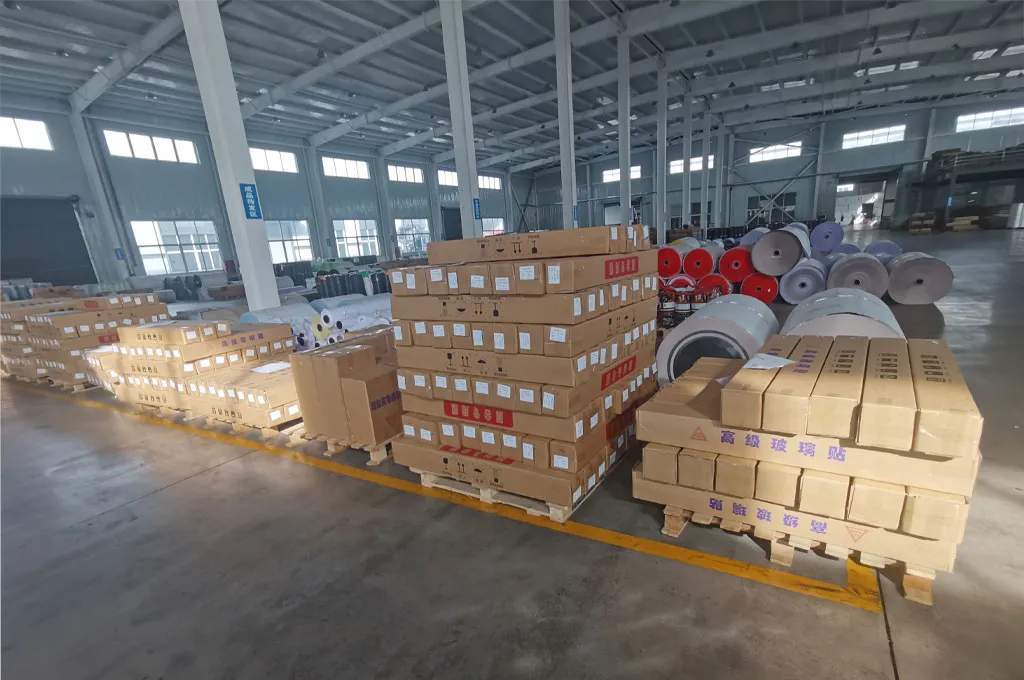
Apply adhesives evenly—use rollers, trowels, or spray depending on the adhesive type. For large decorative films, use a squeegee or roller to remove air bubbles while the adhesive is tacky. Work from the center outward and consider a slip solution for repositionable installs.
Allow recommended cure times before subjecting surfaces to stress. Some solvent-based systems develop full strength after solvent evaporation; hot melts cool quickly but still need time to achieve maximum performance.
Always perform a small adhesion test on the actual substrate and film roll before full installation. Look for signs of edge lift, discoloration, or softening. If you observe plasticizer bleed or bond failure, try a barrier primer or switch to a formulation designed for low-surface-energy materials.
For future removal, heat and slow mechanical peeling often work for thermally tolerant films. To repair seams, use a compatible contact adhesive or seam tape designed for PVC films. Regular cleaning with non-abrasive, pH-neutral cleaners will extend the life of the film.
For consistent film quality and production capabilities—calendering, printing, and split-packaging—consider suppliers with full in-house production and QC processes. Pulivk provides a range of decorative and functional PVC films plus OEM flexibility for tailored projects.