Address
304 North Cardinal St.
Dorchester Center, MA 02124
Work Hours
Monday to Friday: 7AM - 7PM
Weekend: 10AM - 5PM
Address
304 North Cardinal St.
Dorchester Center, MA 02124
Work Hours
Monday to Friday: 7AM - 7PM
Weekend: 10AM - 5PM


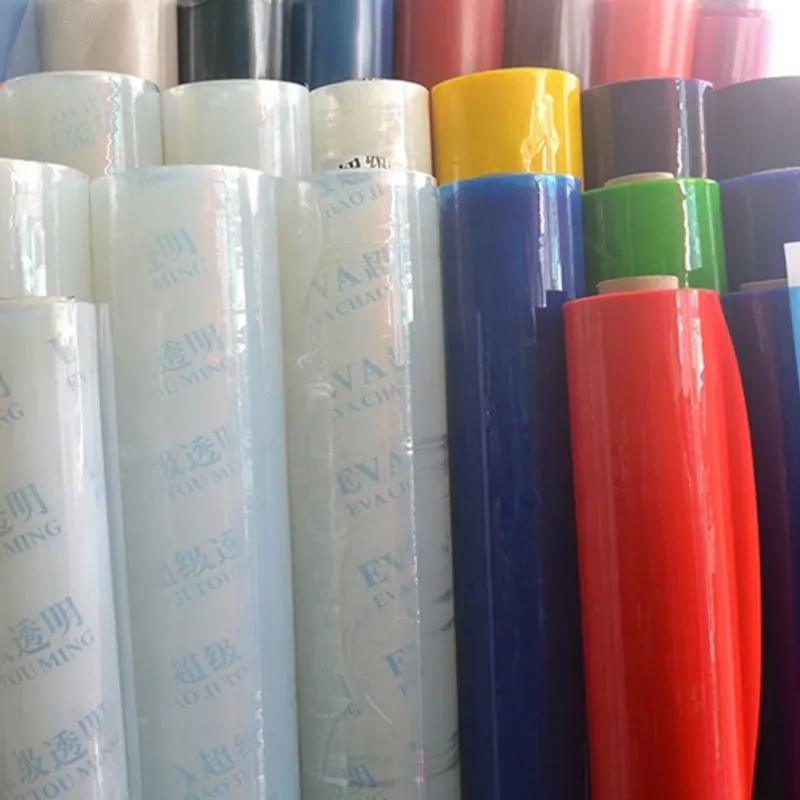
Managing PVC film production waste requires a combination of regulatory awareness, practical sorting, and access to the right recycling pathways. This guide explains safe and effective disposal options for PVC film scraps, offcuts, and trimmings—helping manufacturers, contractors, and facility managers reduce landfill loads, lower costs, and meet sustainability targets.
Start by classifying waste by type: clean single-material PVC film, printed or laminated film, contaminated or mixed-plastic material, and adhesive-backed or coated film. Proper sorting improves recycling yield and prevents contamination of recycling lines. For best results, segregate clean production offcuts and full rolls from dirty or chemically treated pieces.
Well-sorted PVC film can often be converted back into usable raw material through mechanical recycling or repurposed as filler material. Contaminated or mixed films may require chemical recycling or energy recovery and should be handled separately to avoid costly rejections.
Choose the route that balances environmental impact, cost, and local regulations. Below are the most effective strategies used industry-wide.
Mechanical recycling is the first-line option for clean, single-layer PVC film: wash, shred, pelletize, and reintroduce into production. This route conserves material value and reduces reliance on virgin resin. Look for recyclers experienced with calendered and extrusion-grade PVC films to maximize recovery rates.
For multilayer, printed, or heavily contaminated films, chemical recycling can break down polymers to recover base chemicals. This method is more costly but helps recover value from non-recyclable streams and reduces hazardous landfill disposal.
When recycling is not feasible, controlled energy recovery at licensed facilities can be a better alternative than landfill. Ensure facilities use modern emissions controls and are permitted to accept PVC-derived material.
Small scraps and end-of-roll pieces can often be reintroduced through on-site grinding or used as packing/protection material. Implementing source reduction strategies—optimized nest layouts, roll-width management, and improved process control—reduces waste volumes at the source.
| Method | Process | Best For | Estimated Recovery |
|---|---|---|---|
| Mechanical Recycling | Cleaning → Shredding → Pelletizing | Clean, single-layer films | 60–90% |
| Chemical Recycling | Depolymerization / Pyrolysis | Printed/laminated or contaminated films | Variable (process-dependent) |
| Energy Recovery | Combustion in licensed WtE facilities | Low-quality, non-recyclable residues | Recovery of calorific value |
| Landfill (Avoid) | Direct disposal | When no alternatives exist | 0% resource recovery |
Follow these steps to set up an efficient disposal and recycling system at your plant:

Comply with local waste regulations and emissions standards before choosing disposal routes. Some regions restrict PVC incineration due to chlorine content; others require special labeling for recycled content. Always use licensed transporters for off-site transfer and confirm downstream processors follow environmental and worker-safety protocols.
Wear appropriate PPE when handling contaminated scrap. Avoid open burning. If film contains adhesives or solvent residues, treat it as potentially hazardous and route it to specialized processing or hazardous waste disposal.
Recycling programs reduce raw material purchases and waste-haul fees. Mechanically recycled pellets can lower resin costs, while on-site reuse minimizes cut-off losses. A documented recycling program can also improve customer perception and help meet ESG targets—often qualifying manufacturers for tax incentives or green procurement lists.
Track the following to measure performance: percentage of production scrap recycled, cost savings from recycled resin, landfill tonnage avoided, and number of certified recycler partnerships.
Henan Pulivk New Materials Co., Ltd. operates full in-house production lines including calendering, printing, and split-packaging, enabling streamlined quality control and potential recycling partnerships that can help manufacturers close the loop on PVC film scrap.
Start with a small pilot program: segregate one production line’s scrap, test mechanical recycling or pelletizing, and measure recovery and cost. Scale up successful pilots, and document processes to support regulatory reporting and customer sustainability claims. For facility-level questions or manufacturing specifications, visit https://pvcfilmtec.com/ for more details on production capabilities and supply options.