Address
304 North Cardinal St.
Dorchester Center, MA 02124
Work Hours
Monday to Friday: 7AM - 7PM
Weekend: 10AM - 5PM
Address
304 North Cardinal St.
Dorchester Center, MA 02124
Work Hours
Monday to Friday: 7AM - 7PM
Weekend: 10AM - 5PM


 ByPulivk
PVC film is one of the most versatile materials used across industries ranging from furniture manufacturing to construction and packaging. Understanding how to make PVC film provides valuable insight into why this material is so widely adopted. The manufacturing process combines chemistry, engineering, and precision to produce films with specific properties such as flexibility, durability, and aesthetic appeal. Whether you are sourcing PVC calendered film for industrial use or exploring production methods, this guide covers every essential stage.
The production begins with polyvinyl chloride resin, which serves as the base polymer. This resin is combined with several critical additives to achieve the desired physical and chemical properties. Each component plays a distinct role in the final product’s performance.
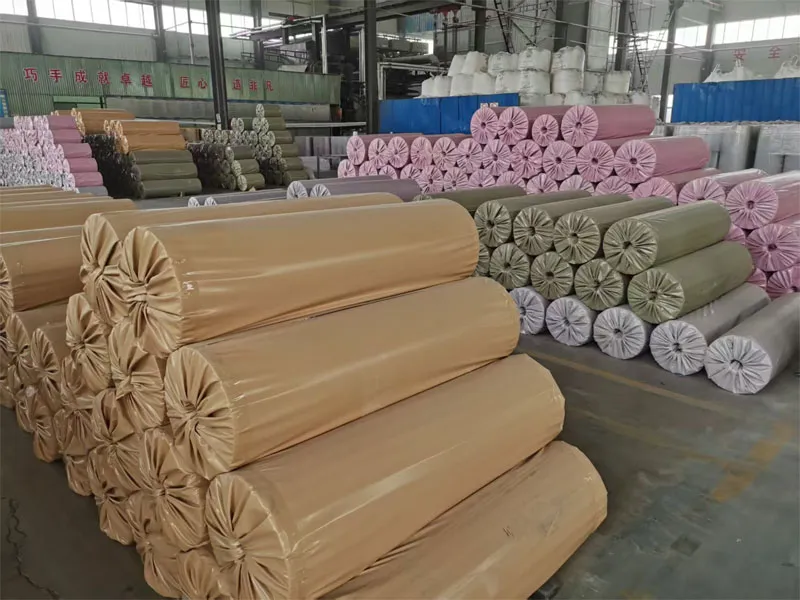
Calendering is the predominant industrial method for how to make PVC film on a large scale. This continuous process transforms compounded PVC into uniform sheets of precise thickness. Below is a detailed breakdown of each stage involved in the production line.
All raw materials are precisely weighed and mixed in a high-speed mixer. The blending process ensures homogeneous distribution of plasticizers, stabilizers, and pigments throughout the PVC resin. Temperature control during this phase is critical — the mixture reaches approximately 110°C to 130°C to allow plasticizer absorption without causing premature degradation.
The dry blend moves to a twin-screw extruder or continuous mixer where it undergoes gelation. Under controlled shear and heat, the PVC particles fuse into a molten, dough-like mass. This stage transforms the powder into a homogeneous melt ready for calendering. Temperature profiles typically range from 160°C to 200°C depending on the formulation.
The molten PVC passes through a series of heated counter-rotating rollers arranged in precise configurations. Common roller arrangements include L-type, inverted L-type, and Z-type calenders. Each roller set progressively reduces the material thickness while maintaining uniformity. The gap between the final rollers determines the finished film thickness, which can range from 0.03 mm to 0.50 mm.
| Roller Configuration | Typical Application | Thickness Range |
|---|---|---|
| L-Type Calender | General purpose films | 0.05 mm – 0.30 mm |
| Inverted L-Type | High-clarity transparent films | 0.03 mm – 0.20 mm |
| Z-Type Calender | Multi-layer composite films | 0.08 mm – 0.50 mm |
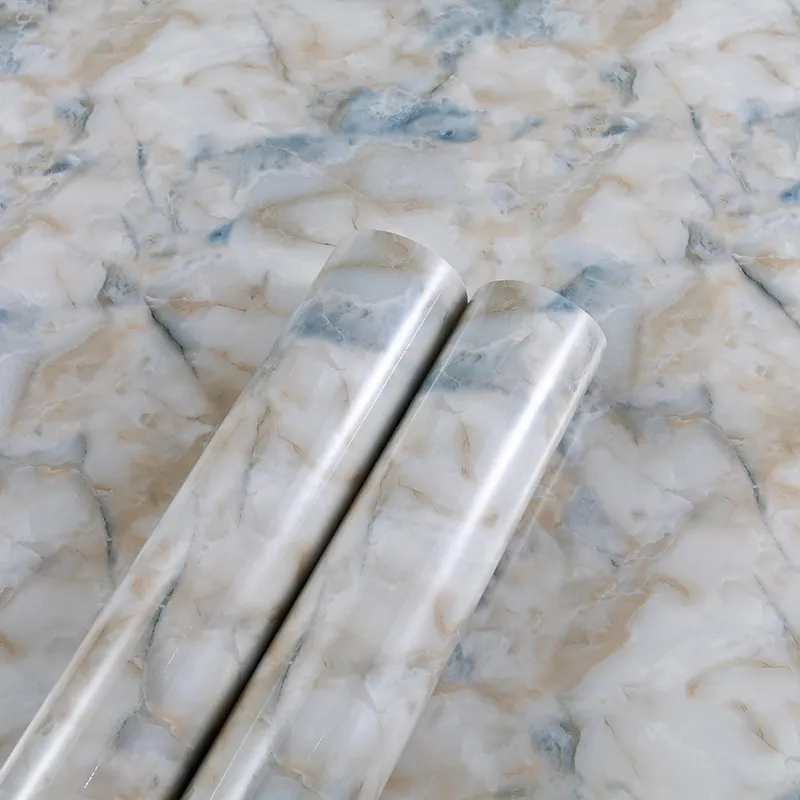
After calendering, the hot film passes over a series of water-cooled rollers that rapidly reduce its temperature. This cooling stage solidifies the film structure and locks in the desired properties. At this point, an embossing roller can impart surface textures — including wood grain, matte, glossy, or fabric patterns — directly onto the film surface. For those interested in textured options, wood grain film represents one of the most popular decorative choices.
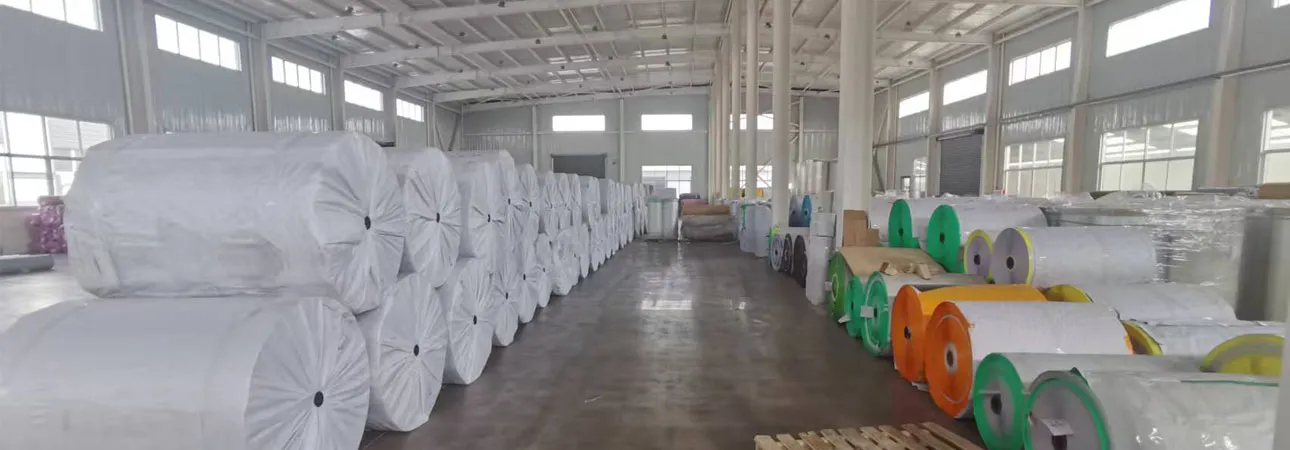
Depending on the intended application, the film may undergo corona treatment or flame treatment to modify surface energy. This enhances adhesion properties for subsequent printing, coating, or lamination processes. Antistatic coatings, UV-resistant layers, and scratch-resistant finishes can also be applied at this stage.
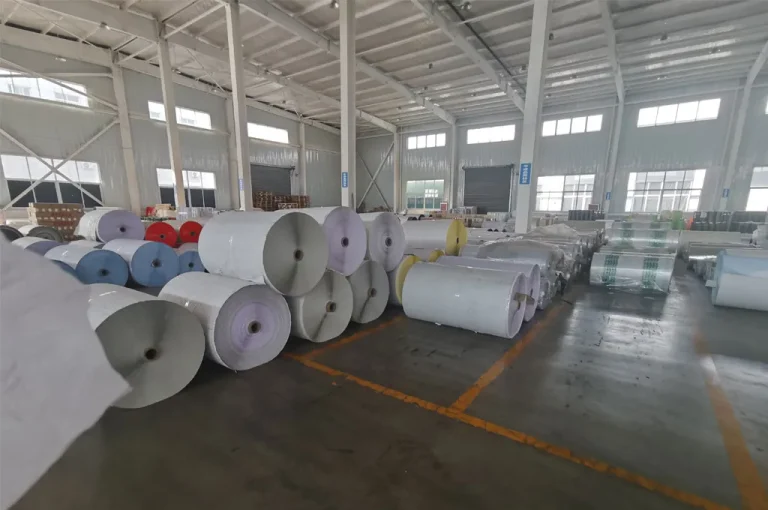
The finished film is wound onto cardboard cores under controlled tension to prevent stretching or deformation. Full rolls are then cut into smaller, fixed-length rolls according to customer specifications. Each roll is individually wrapped in dust-proof PE film or kraft paper, clearly labeled with product specifications, and packed in cartons or pallets for safe storage and transport.
Ensuring consistent quality is essential throughout the PVC film production process. Manufacturers implement multiple QC checkpoints from raw material inspection to final packing. Testing protocols aligned with ASTM PVC Film Standard specifications help verify critical parameters. Companies like Henan Pulivk New Materials Co., Ltd. maintain comprehensive in-house testing capabilities to monitor film thickness, color consistency, surface finish, and physical properties at every production stage.
Key quality metrics evaluated during production include:
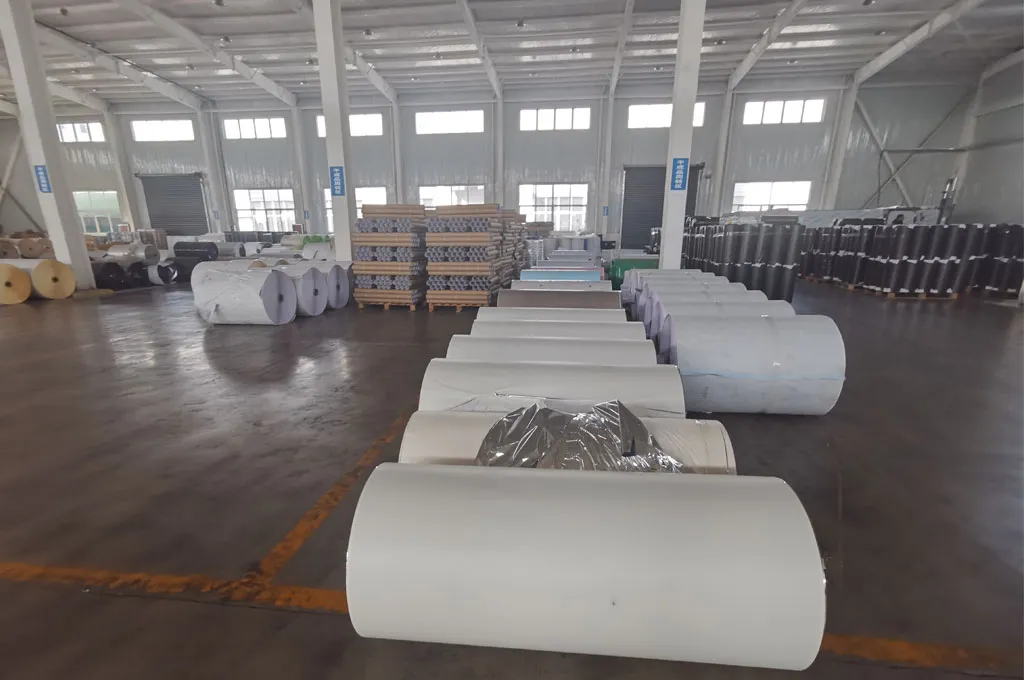
The following table summarizes typical specifications achievable through the calendering process. These parameters can be customized based on end-use requirements and formulation adjustments.
| Parameter | Standard Range | Custom Options |
|---|---|---|
| Thickness | 0.03 mm – 0.50 mm | Custom gauges available |
| Width | Up to 1500 mm | Slit-to-width on request |
| Surface Finish | Glossy, Matte, Embossed | Custom textures available |
| Color Options | Transparent, Solid, Pearlescent | Pantone color matching |
| Roll Length | Standard full rolls | Custom fixed-length cutting |
Modern PVC film production increasingly emphasizes sustainability and environmental responsibility. Many manufacturers now offer lead-free and phthalate-free formulations that comply with international regulations such as RoHS and REACH. The use of eco-friendly inks ensures that decorative films are suitable for indoor applications and human contact. Recycling initiatives within the industry continue to improve the circular economy for PVC materials, reducing waste and promoting resource efficiency.
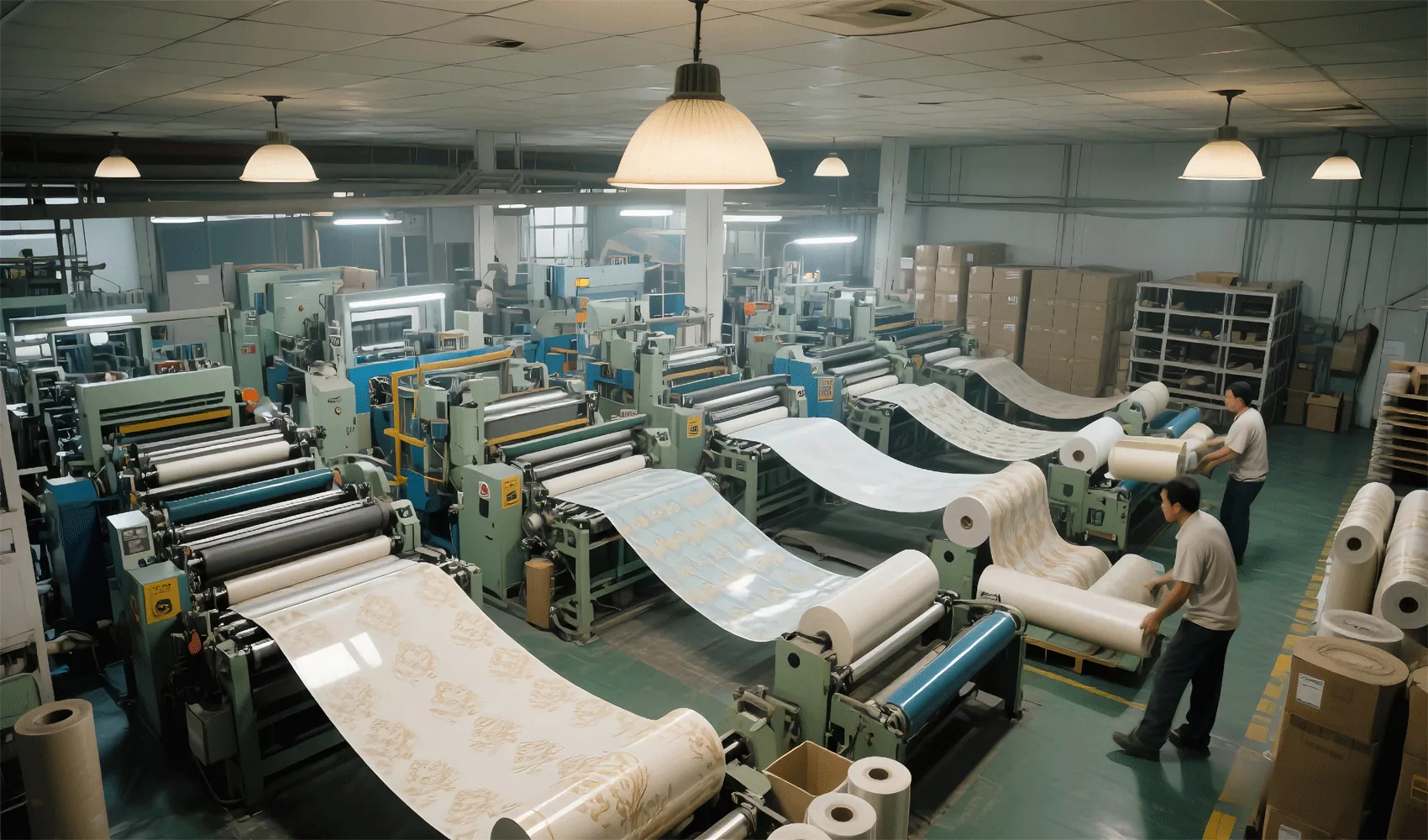
The versatility of PVC film makes it suitable for an extensive range of applications. Below are some of the primary industries that rely on high-quality PVC films produced through the calendering process.
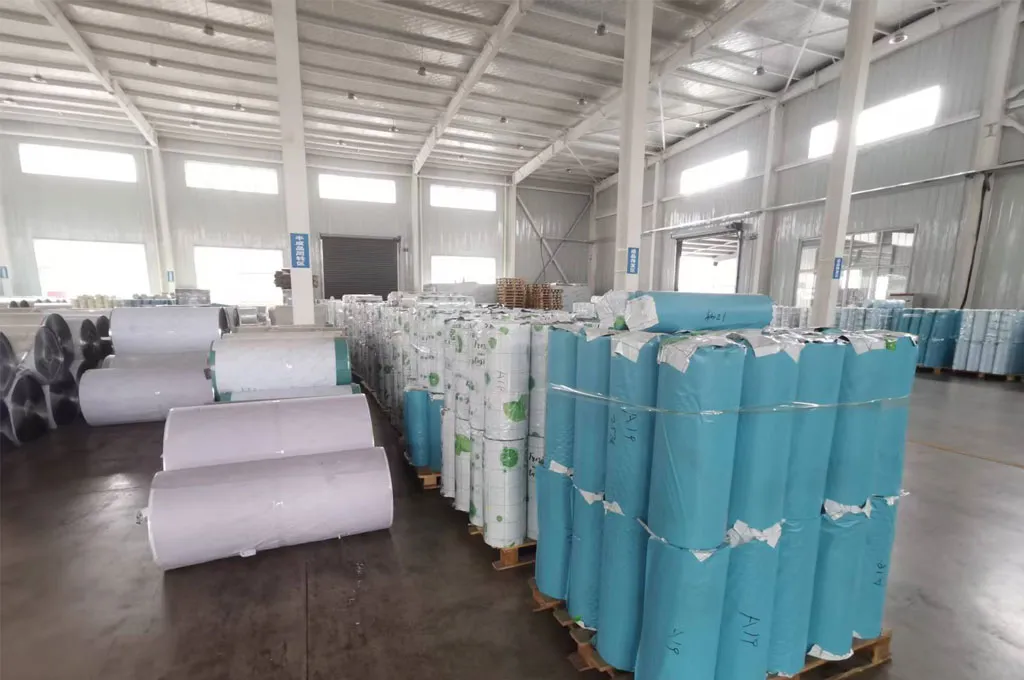
Several critical factors determine the final quality of PVC film produced through calendering. Understanding these variables helps in achieving consistent results and meeting specific application requirements.
| Factor | Impact on Quality | Control Method |
|---|---|---|
| Raw Material Purity | Affects clarity, color consistency, and mechanical properties | Supplier qualification and incoming inspection |
| Mixing Uniformity | Prevents gels, fisheyes, and uneven distribution | Controlled mixing time and temperature |
| Calender Roll Temperature | Determines surface finish and thickness accuracy | Precision thermal control systems |
| Roll Gap Setting | Directly controls final film thickness | Automated gap adjustment mechanisms |
| Cooling Rate | Impacts crystallinity and dimensional stability | Multi-stage cooling with temperature monitoring |
Understanding how to make PVC film reveals the sophisticated balance of material science and engineering required to produce high-quality films. From raw material selection and compounding through calendering, cooling, embossing, and final packaging, each stage demands precision and expertise. The calendering process remains the most efficient method for large-scale production of PVC films with consistent thickness and surface quality. Whether you need decorative films for furniture, protective films for industrial use, or customized solutions for specialized applications, working with experienced manufacturers ensures reliable quality and performance. Advanced production lines, strict quality control protocols, and a commitment to environmental standards define the modern PVC film industry.