Address
304 North Cardinal St.
Dorchester Center, MA 02124
Work Hours
Monday to Friday: 7AM - 7PM
Weekend: 10AM - 5PM
Address
304 North Cardinal St.
Dorchester Center, MA 02124
Work Hours
Monday to Friday: 7AM - 7PM
Weekend: 10AM - 5PM


 ByPulivk
Polyvinyl chloride (PVC) is one of the most widely used synthetic polymers in the world, valued for its versatility, durability, and cost-effectiveness. However, a common and frustrating issue faced by manufacturers, converters, and end-users is the unwanted reaction between PVC and certain plastic films when they come into direct contact. This interaction can lead to sticking, discoloration, plasticizer migration, surface degradation, or even structural weakening of the materials involved. Understanding why this happens and how to prevent it is essential for maintaining product integrity and extending the lifespan of PVC-based applications.
The reactivity of PVC with other plastic films is not a simple single-cause problem. It typically stems from a combination of chemical, physical, and environmental factors. At the core of the issue is the migration of plasticizers. Flexible PVC contains additives such as phthalates or other ester-based plasticizers that give it softness and flexibility. Over time, these plasticizers can migrate out of the PVC and into adjacent materials. When PVC is in contact with another plastic film—especially one that is not chemically resistant—this migration causes the surfaces to become tacky, adhere to each other, or even fuse together under pressure or heat.
Another significant factor is chemical incompatibility between polymer types. Certain plastics, like polystyrene (PS) or polycarbonate (PC), are inherently sensitive to the plasticizers used in flexible PVC. The plasticizers can act as solvents on these materials, leading to crazing, cracking, or a complete loss of mechanical strength. Even films made from polyethylene (PE) or polypropylene (PP) can be affected under specific conditions, although they are generally more resistant.
Environmental conditions play a major role as well. Elevated temperatures accelerate the rate of plasticizer migration and chemical reactions. High humidity can also contribute, especially when condensation forms between layers, creating a micro-environment where hydrolytic degradation can occur. Pressure from stacking, rolling, or tight packaging further exacerbates the problem by increasing the intimate contact area and accelerating diffusion. The PVC Film Dimensional Stability under various conditions is a critical factor in predicting such interactions.
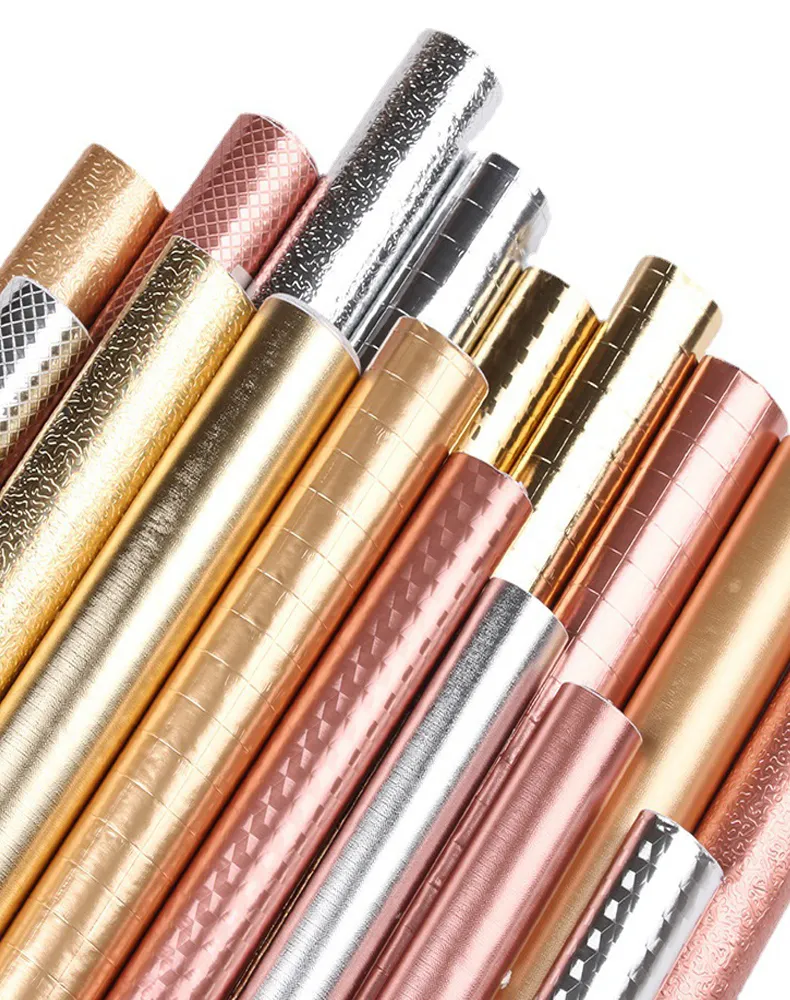
Not all plastic films react with PVC in the same way. Below is a list of combinations that are particularly prone to interaction issues. Recognizing these high-risk pairings is the first step toward prevention.
Understanding these combinations helps in making informed material selection choices. Manufacturers often consult the ASTM PVC Film Standard to evaluate the specific grades and formulations that may exhibit different resistance levels. Proper evaluation of raw materials is essential before large-scale use.
Preventing PVC reactions requires a multi-layered strategy that addresses material selection, physical barrier introduction, environmental management, and proper handling techniques. The following solutions are proven to significantly reduce or eliminate unwanted interactions.
The most direct approach is to use PVC compounds that are inherently less reactive. Polymeric plasticizers have a much larger molecular size compared to traditional monomeric phthalates, which drastically reduces their tendency to migrate. Phthalate-free plasticizers, such as DOTP (dioctyl terephthalate) or bio-based alternatives, can also offer improved compatibility with other films. When ordering PVC film for applications that require contact with other plastics, specifying a non-migratory grade is a critical first line of defense. This is especially relevant for products like Wood Grain Film, where long-term adhesion and surface integrity are paramount.
Introducing a physical barrier between the PVC and the reactive film is one of the surest methods to stop interaction. A thin layer of inert material can block plasticizer migration and prevent direct chemical contact. Common barrier materials include aluminum foil, metallized PET, or specialized barrier-coated films. Even a simple layer of high-density polyethylene (HDPE) or oriented polypropylene (OPP) can serve as an effective separator in many cases. For laminated or multi-layer applications, the barrier can be integrated during the manufacturing process. For storage and transport purposes, interleaving with an inert film sheet is a practical solution.
Since heat and humidity are key accelerators, controlling the storage environment is vital. PVC and the films it contacts should be stored in a cool, dry, and well-ventilated area. The ideal storage temperature is typically between 15°C and 25°C (59°F to 77°F), with relative humidity below 60%. Avoid storing pallets or rolls in direct sunlight, near radiators, or in containers that can experience high internal temperatures. Reducing the temperature alone can slow down the migration rate exponentially, providing a longer safe-contact window.
Surface modification can significantly reduce the reactivity of both PVC and the adjacent film. Applying a UV-curable or water-based barrier coating to the PVC surface can seal in plasticizers effectively. Similarly, corona treatment or plasma treatment of the companion film can sometimes alter its surface energy and chemical affinity, though this must be tested thoroughly as it can also have the opposite effect in some polymer systems. For demanding applications, specialized anti-block and anti-migration coatings are available that are designed specifically for PVC films.
Minimizing the physical pressure during storage and the duration of contact can mitigate the severity of reactions. Using looser winding tension when rolling films, incorporating air channels, or employing textured separation layers can all reduce the intimate surface contact that promotes migration. Implementing a first-in-first-out (FIFO) inventory management system ensures that materials are not stored in contact for extended periods beyond their tested compatibility window.
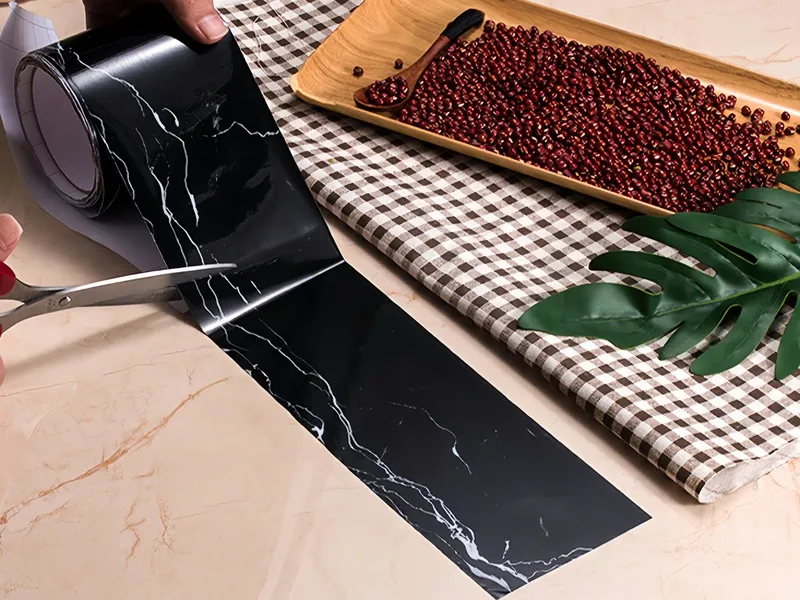
| Solution Method | Effectiveness | Key Consideration |
|---|---|---|
| Low-Migration PVC | High | Cost of specialty formulations |
| Barrier Layers | Very High | Adds material and processing steps |
| Environmental Control | Medium-High | Ongoing operational cost |
| Surface Coatings | Medium-High | Requires adhesion and application testing |
| Reduced Pressure/Time | Medium | Logistical and workflow adjustments |
Industry standards provide essential guidance for evaluating and mitigating the risks of PVC interacting with other films. Testing for Plastic Film Classification helps determine the chemical resistance and compatibility of different film types. For applications where dimensional stability is critical, understanding potential changes under thermal stress is key, which is where the guidelines for Thermoplastic Film Dimensional Change become invaluable. These standards outline test methods for assessing how films behave when exposed to heat, which can simulate accelerated plasticizer migration scenarios. By adhering to these standardized testing protocols, manufacturers can predict and design against potential failures in multi-component plastic assemblies.
Implementing the right storage and handling protocols is a cost-effective way to minimize PVC reactions. Here are actionable steps to take immediately.
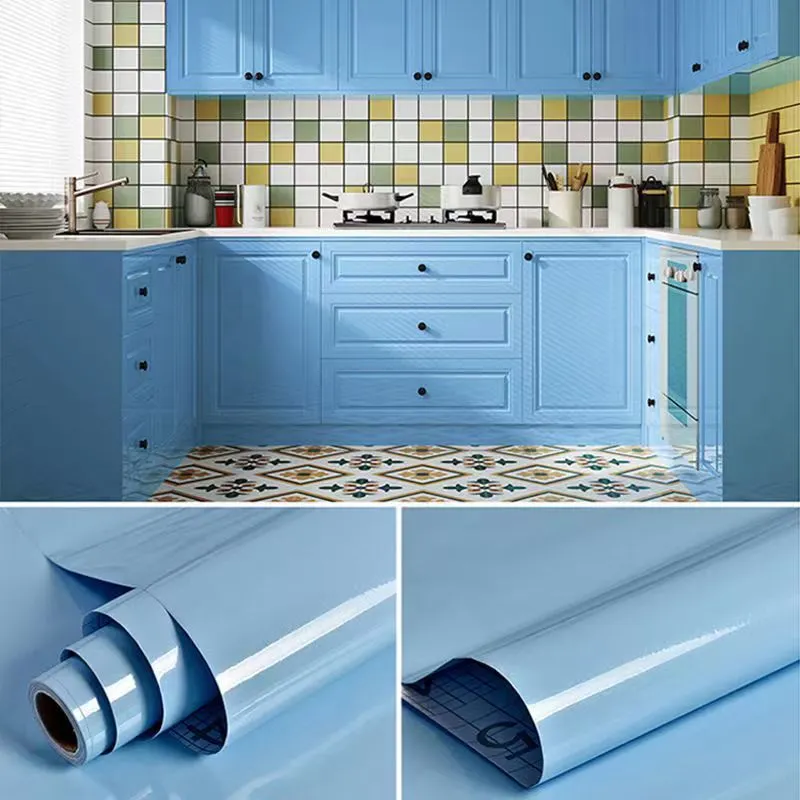
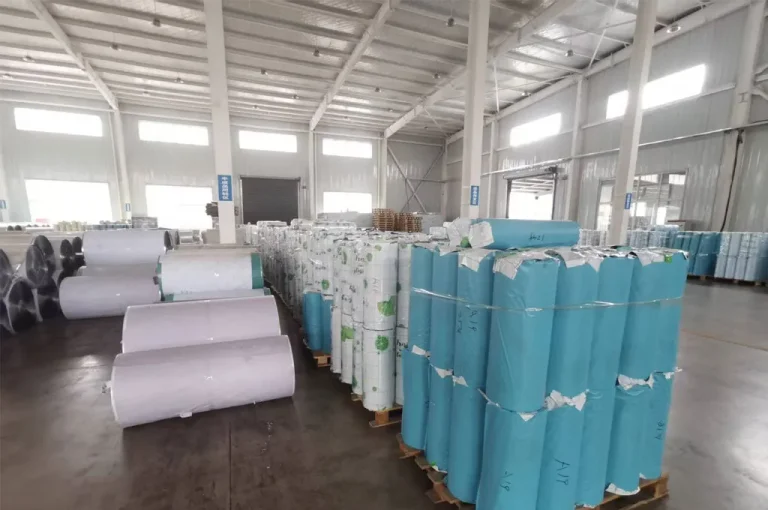
While many reactivity problems can be solved with the approaches above, complex multi-layer assemblies or applications with extreme environmental requirements may need specialized expertise. As a direct manufacturer with extensive experience in PVC film production, Henan Pulivk New Materials Co., Ltd. operates advanced calendering lines, printing lines, and split-packaging lines in-house. This full production chain allows for tight control over plasticizer selection and surface treatment, ensuring that films are optimized for compatibility from the very beginning. Working closely with a knowledgeable supplier during the design phase can prevent costly material failures down the line. Engaging with a partner that understands both Calendered Film properties and their interaction with diverse substrates is the ultimate safeguard against detrimental chemical reactions.
Yes, an inert plastic sheet like polyethylene (PE) or polypropylene (PP) can work as a temporary physical barrier for storage. However, for permanent laminations, a more robust barrier layer such as metallized polyester is recommended to ensure long-term stability.
Generally, yes. Rigid PVC contains little to no plasticizer, which drastically reduces the risk of plasticizer migration and subsequent reactions. The concern primarily lies with flexible PVC formulations where plasticizer content can be 20% or more by weight.
It depends heavily on temperature, pressure, and plasticizer type. Under high-heat conditions above 40°C (104°F) with significant contact pressure, noticeable sticking or degradation can occur within hours or days. At room temperature with low pressure, it may take weeks or months to become apparent.