Address
304 North Cardinal St.
Dorchester Center, MA 02124
Work Hours
Monday to Friday: 7AM - 7PM
Weekend: 10AM - 5PM
Address
304 North Cardinal St.
Dorchester Center, MA 02124
Work Hours
Monday to Friday: 7AM - 7PM
Weekend: 10AM - 5PM


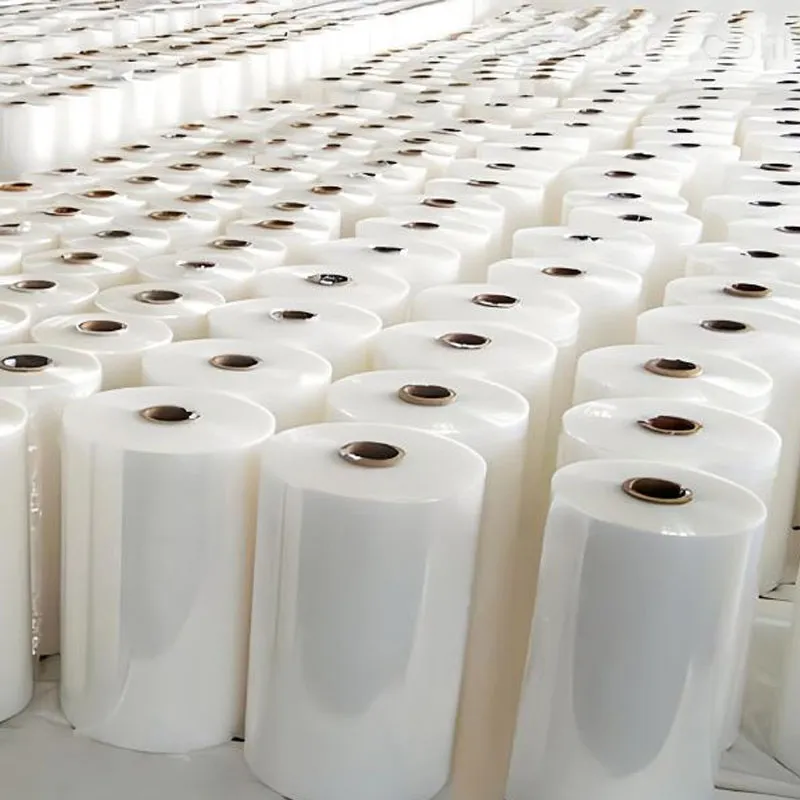
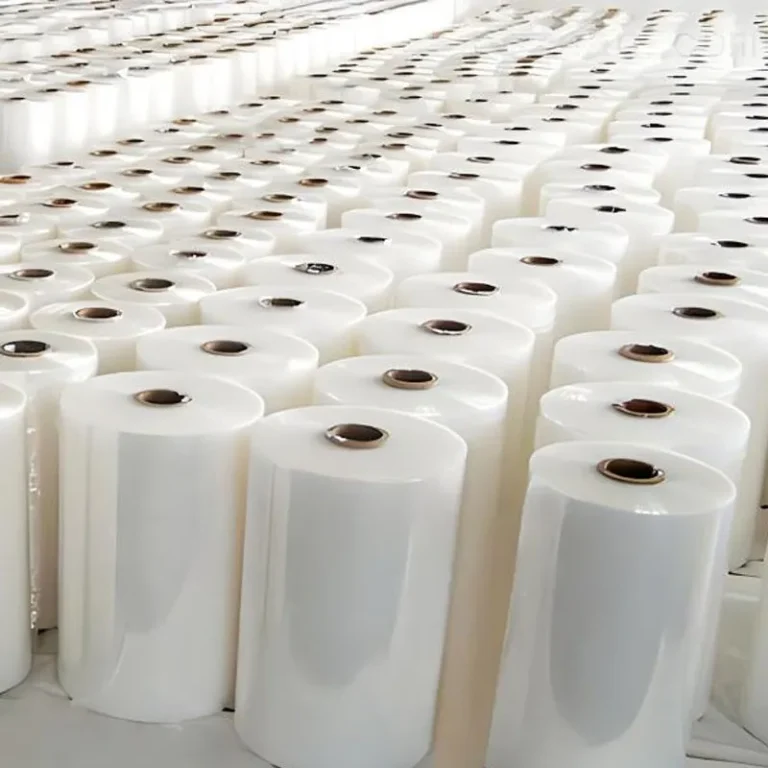
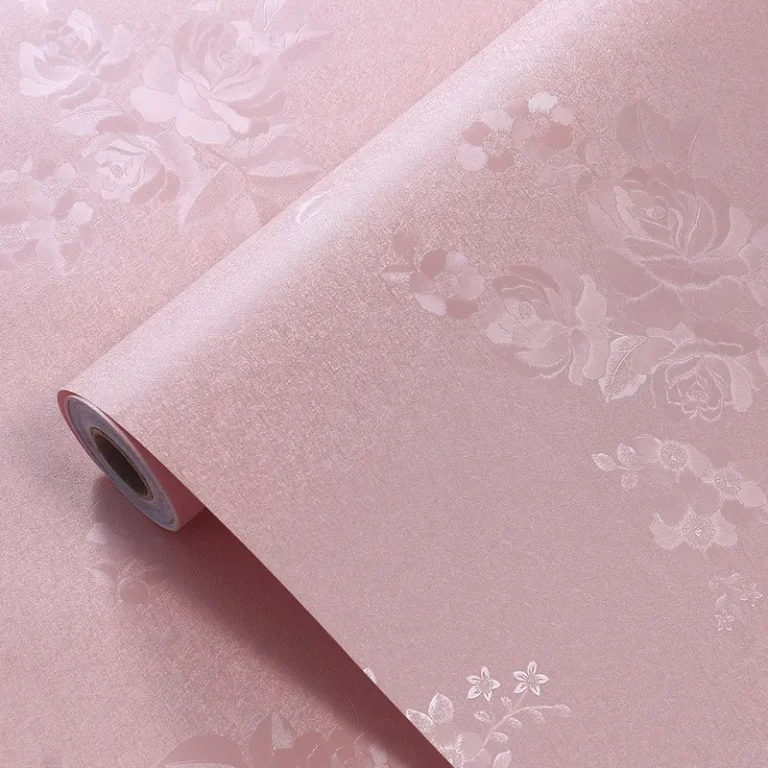
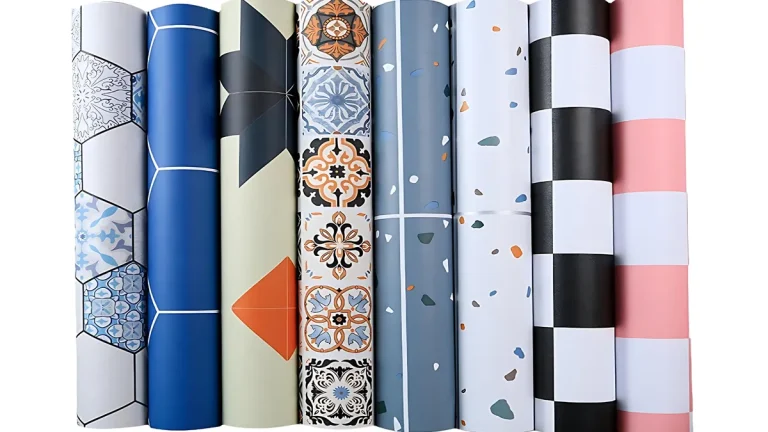
PVC film is one of the most versatile surface materials used in flooring, furniture wrap, protective coverings, and decorative laminates. If you’re asking “Is PVC film durable?” the short answer is: yes — but durability depends on several key factors like film thickness, surface treatment, wear layer, and the type of PVC formulation used. This guide breaks down abrasion resistance, testing methods, real-world performance, and how to choose the right PVC film for your project.
Durability for PVC film typically refers to its ability to resist surface wear and retain appearance after repeated contact, scuffs, and cleaning. The metric most commonly used is abrasion resistance — how long the film maintains gloss, color, and print integrity under mechanical rubbing. Good abrasion resistance means longer service life and fewer visible scratches.
Several variables determine how abrasion-resistant a PVC film will be:
Thicker films and those with a dedicated wear layer (clear PU or hard coating) show significantly improved resistance to abrasion. For high-traffic areas, look for films with reinforced wear layers or multi-layer constructions.
UV-cured coatings, hard coatings, and anti-scratch topcoats can dramatically increase resistance to scuffs and chemical abrasion. Coated PVC film performs better in commercial and automotive applications.
Rigid PVC (uPVC) and high-quality plasticized PVC blends differ in flexibility and hardness. Formulations with optimized additives yield better wear performance while maintaining flexibility for wrapping and lamination.
Manufacturers use standardized tests to quantify film durability. The most common is the Taber Abrasion (ASTM D4060) test, which measures weight loss or appearance change after a set number of cycles with abrasive wheels. Other protocols include DIN abrasion tests and domestic wear-cycle simulations. Test results are often reported as cycles-to-failure or units of mass loss.
– Low abrasion resistance: under 1,000 cycles — suitable for light-duty decorative uses.
– Medium abrasion resistance: 1,000–5,000 cycles — typical for residential and light commercial applications.
– High abrasion resistance: 5,000+ cycles — recommended for heavy traffic floors, automotive wrap zones, and industrial surfaces.
| Film Type | Typical Thickness | Abrasion Rating | Recommended Uses |
|---|---|---|---|
| Thin decorative PVC | 30–80 µm | Low | Wall decals, temporary wraps |
| Calendered PVC film | 80–200 µm | Medium | Furniture wrap, cabinetry, skid protection |
| Embossed/3D PVC with wear coat | 150–500 µm | High | Floor protective film, heavy-use furniture |
| Self-adhesive protective film | 50–200 µm | Varies | Temporary protection during transport/installation |
– Flooring and stair treads: prioritize high abrasion resistance and anti-slip textures. Use films with hard coatings or reinforced wear layers.
– Kitchen and bathroom surfaces: select moisture-resistant films with PU coatings to improve scratch and chemical resistance.
– Furniture and cabinetry: calendered films with medium to high abrasion ratings and UV-stable inks preserve finish longer.
– Vehicle wraps and exterior trims: automotive-grade PVC with specialized topcoats offers both abrasion and weather resistance.
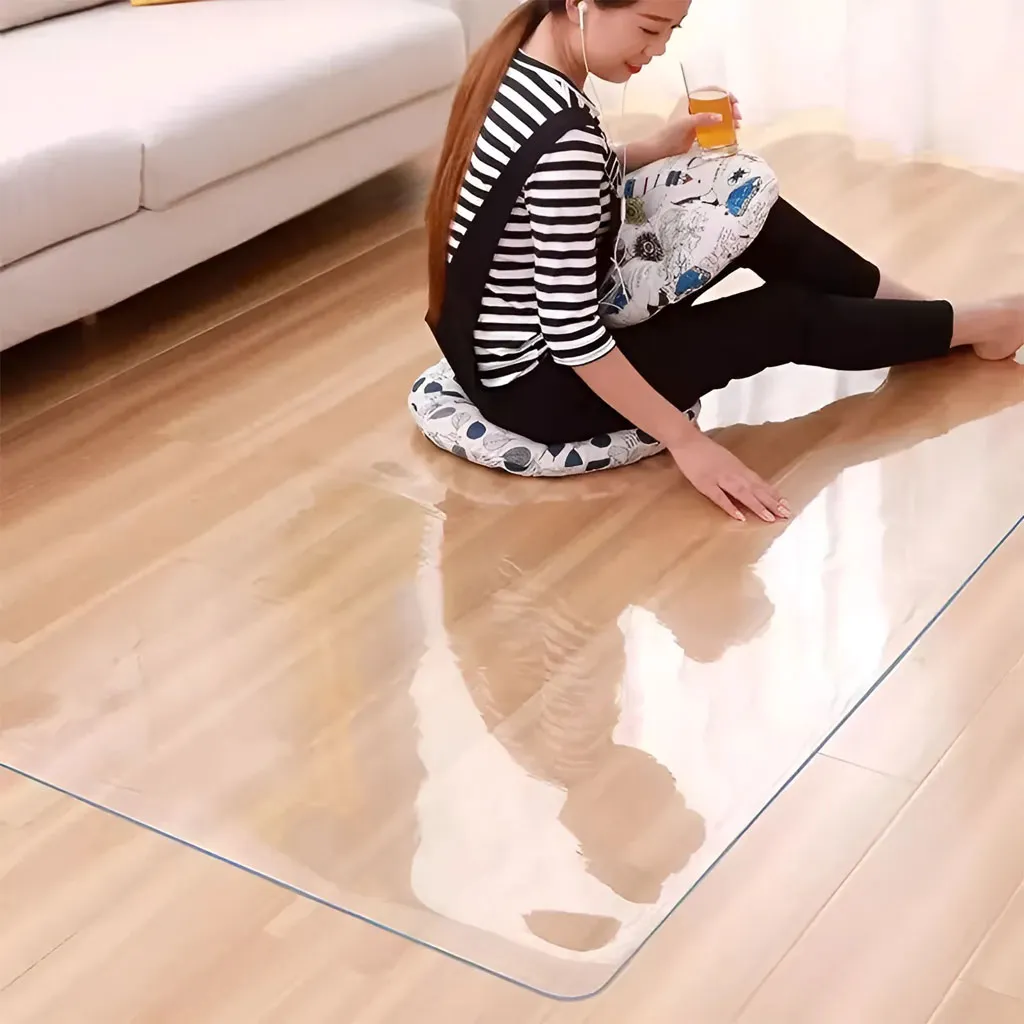
Regular cleaning with mild detergents, avoiding abrasive pads, and preventing contact with sharp objects will extend film life. For floors, add protective mats in high-wear zones and ensure proper installation to reduce delamination risks.
If your project faces heavy foot traffic, frequent moving of furniture, or industrial abrasion, choose PVC films with specialized wear layers (PU, ceramic-reinforced coatings, or laminated PET overlays). The initial cost is higher, but total lifecycle cost is lower due to reduced replacement frequency.
Lower-grade and thinner films scratch more easily. Choose thicker films with topcoats for scratch resistance.
Yes — request Taber abrasion test data or sample panels for on-site testing under expected use conditions.
PVC film can be highly durable when you select the right product for the application: consider thickness, coatings, formulation, and verified test results. For reliable supply and consistent quality, Pulivk provides calendered and coated PVC films with in-house production and QC to meet a wide range of abrasion-resistance needs.