Address
304 North Cardinal St.
Dorchester Center, MA 02124
Work Hours
Monday to Friday: 7AM - 7PM
Weekend: 10AM - 5PM
Address
304 North Cardinal St.
Dorchester Center, MA 02124
Work Hours
Monday to Friday: 7AM - 7PM
Weekend: 10AM - 5PM


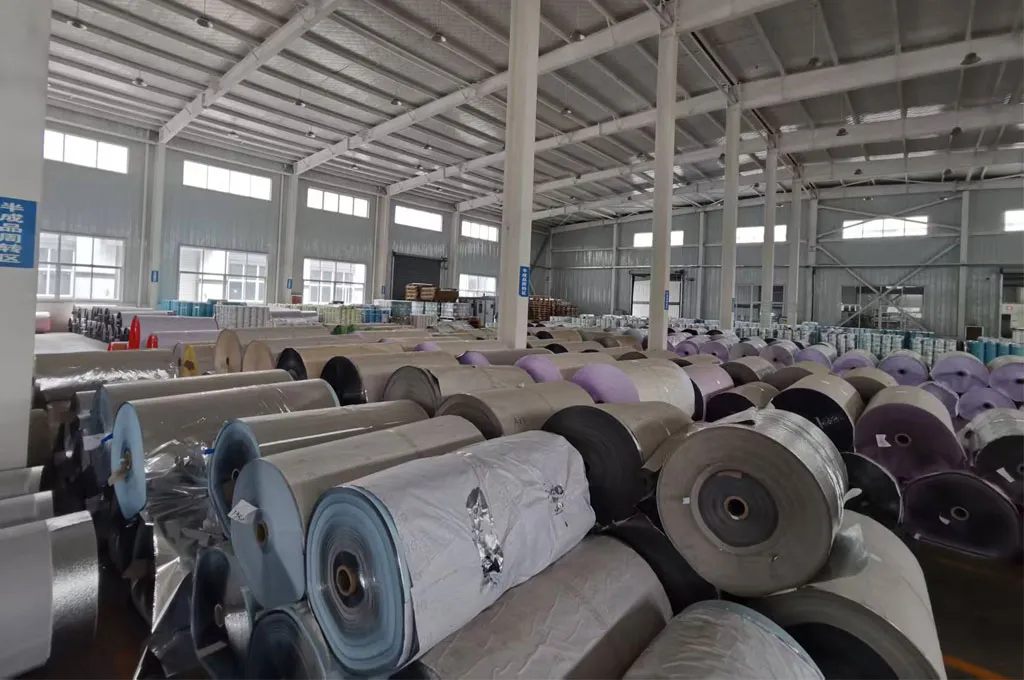
PVC film is widely used for decorative surfaces, packaging, signage, and protective applications—but is PVC film suitable for digital printing? This guide explains compatibility, best practices, ink choices, surface treatments, and troubleshooting to help printers, designers, and buyers choose the right PVC film for digital workflows.
PVC (polyvinyl chloride) films vary by formulation and finish. Their printability depends on surface energy, coating, thickness, and texture. Major digital technologies used on PVC films include:
UV-curable inks are frequently preferred for PVC because they cure instantly and adhere well to properly treated PVC films. UV printing produces durable prints resistant to abrasion and outdoor weather when combined with suitable laminates or topcoats.
Solvent and eco-solvent inks can bond well to PVC films, especially those with a printable coating. Latex inks (water-based, heat-cured) also work on coated PVC films and are attractive for indoor and semi-outdoor signage thanks to low VOCs and flexible prints.
Before selecting a PVC film for digital printing, evaluate these material properties:
Common printable PVC film types include calendered PVC (flat, stable), cast PVC (higher clarity, more dimensionally stable), and self-adhesive PVC for stickers and decals. Each type has trade-offs between cost and surface quality.
To ensure strong ink adhesion and consistent color, follow this prepress checklist:
Ink choice depends on the final use-case:
| Ink Type | Best For | Pros |
|---|---|---|
| UV-curable | Outdoor signage, durable overlays | Fast cure, scratch/weather resistant |
| Solvent / Eco-solvent | Banners, vehicle graphics | Good adhesion, flexible films |
| Latex | Indoor displays, POS graphics | Low VOC, good color range |
If prints peel or scuff easily, increase surface energy via corona/plasma, or apply a compatible primer. Also confirm ink chemistry matches film and expected environment.
Check ink-media ICC profiles and use proper color management. For outdoor applications choose UV inks and UV-stable pigments or protective laminates.
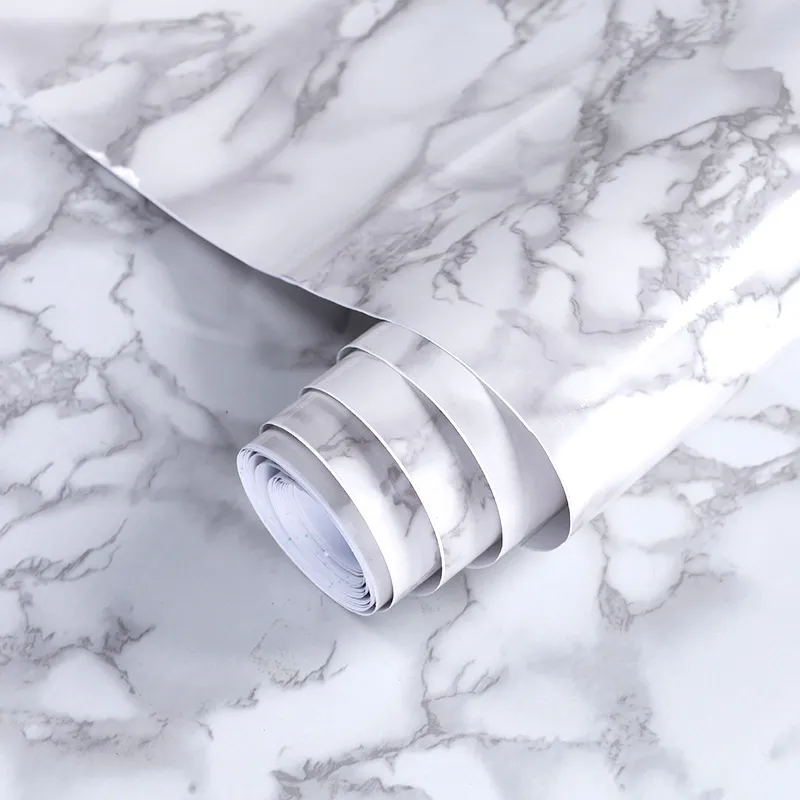
After printing, finishing steps often improve durability and appearance:
PVC film is highly versatile. Popular applications for digitally printed PVC include:
When sourcing PVC film for digital printing, confirm:
Costs vary by film type, coating, and custom printing. For stable supply and faster lead times, choose a manufacturer that controls production from raw materials to finishing. Henan Pulivk New Materials Co., Ltd. provides full in-house production—calendering, printing, and split-packaging—and offers OEM/customization to match printable film specs, colors, and packaging.
Yes, PVC film can be very suitable for digital printing when you select the correct film type, use compatible inks, and apply appropriate surface treatments and finishing. For commercial runs, request test swatches, adhesion tests, and manufacturer recommendations to ensure consistent results.
Request printable PVC samples and detailed specs before full production. Proper testing on your printer with the intended inks is the fastest way to guarantee success.