Address
304 North Cardinal St.
Dorchester Center, MA 02124
Work Hours
Monday to Friday: 7AM - 7PM
Weekend: 10AM - 5PM
Address
304 North Cardinal St.
Dorchester Center, MA 02124
Work Hours
Monday to Friday: 7AM - 7PM
Weekend: 10AM - 5PM


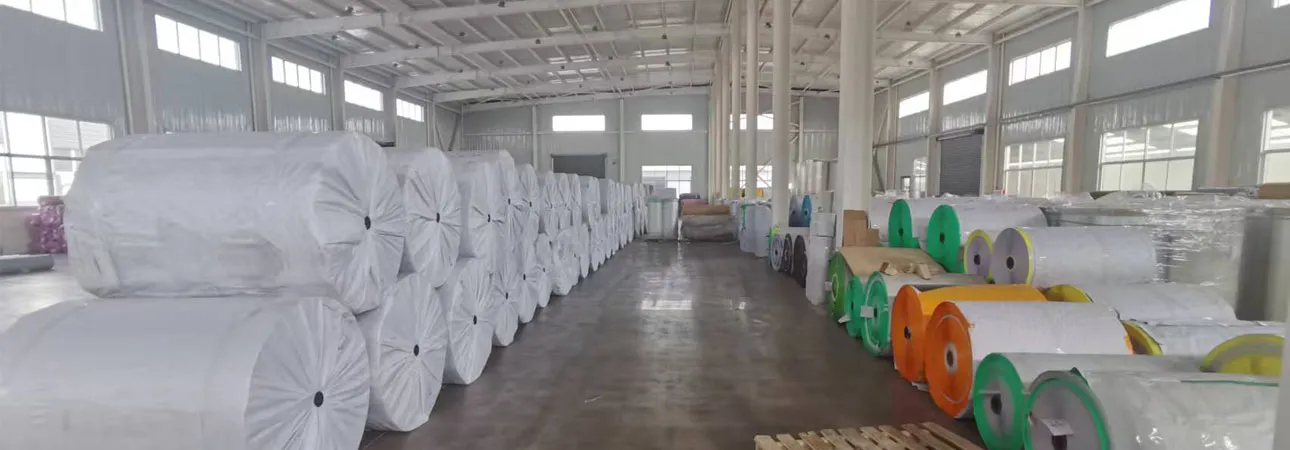
PVC film is a versatile material used in decoration, packaging, protective covers, and outdoor signage. One of the most common questions from buyers and specifiers is whether PVC film can resist ultraviolet (UV) radiation from sunlight. The short answer: some PVC films are UV resistant, but performance depends on formulation, additives, surface treatments, and exposure conditions. This guide explains how UV affects PVC film, what makes some films last outdoors, relevant standards, and practical selection and maintenance tips.
Ultraviolet radiation breaks chemical bonds in organic polymers. For PVC film this can result in discoloration, yellowing, surface chalking, loss of gloss, cracking, and reduced mechanical strength over time. The speed and extent of degradation depend on UV intensity, temperature, humidity, and whether the film is pigmented, coated, or compounded with stabilizers.
Formulation and additives: UV stabilizers such as HALS (Hindered Amine Light Stabilizers) and UV absorbers, carbon black, and certain pigments significantly improve resistance. Films with these additives are designed for prolonged outdoor use.
Thickness: Thicker films often resist mechanical breakdown longer, though surface treatments remain critical.
Surface coatings and laminates: Weather-resistant coatings, lacquer layers, or laminated clear films can protect the PVC base from direct UV attack.
Color and opacity: Darker or opaque films absorb or block more UV (carbon black is a common UV-blocking additive), while clear films transmit more UV and need extra stabilization for outdoor use.
Below is a practical comparison to help choose the right product for outdoor exposure:
| PVC Film Type | UV Resistance | Typical Outdoor Lifespan |
|---|---|---|
| Clear decorative PVC (no stabilizers) | Low | Months to 1 year |
| Pigmented PVC with standard stabilizers | Moderate | 1–3 years |
| UV-stabilized or carbon-black filled PVC | High | 3–7 years (or more) |
| Coated/laminated weatherproof PVC film | Very high | 5–10+ years depending on coating |
When evaluating suppliers, look for accelerated weathering tests and industry standards such as ASTM G154 (UV fluorescent lamp exposure), ISO 4892-3 (Xenon arc), or outdoor field exposure data. These tests give comparative performance data and projected service life under controlled conditions.
1) For outdoor signs, awnings, or vehicle wrap elements choose UV-stabilized, pigmented, or carbon-black formulations and consider an additional protective laminate.
2) For decorative interior film exposed to occasional sunlight, a standard pigmented PVC with UV absorbers is usually sufficient.
3) Ask suppliers for accelerated weathering reports and real-world exposure photos. Verify adhesion, colorfastness, and flexibility after testing.
Proper installation and maintenance extend service life: avoid sharp creases that concentrate stress, use compatible adhesives, clean surfaces gently with mild soap and water (avoid harsh solvents), and replace or recoat films showing surface crazing or significant color fade.
HALS (Hindered Amine Light Stabilizers): Interrupt free radical degradation and are effective at long-term stabilization.
UV absorbers (e.g., benzotriazoles): Absorb harmful UV and dissipate energy as heat.
Carbon black: Extremely effective at blocking UV when uniform dispersion is possible; commonly used in outdoor-grade films.
Can clear PVC film be made UV resistant? Yes — with UV absorbers and HALS, but clear films typically require more additive loading and protective coatings than pigmented films.
Does thicker film always mean better UV life? Thicker films can slow degradation but surface stabilization and coatings matter more for long-term outdoor performance.
Is lamination necessary? For prolonged outdoor exposure or high-value graphics, a protective laminate significantly increases resistance to UV and abrasion.
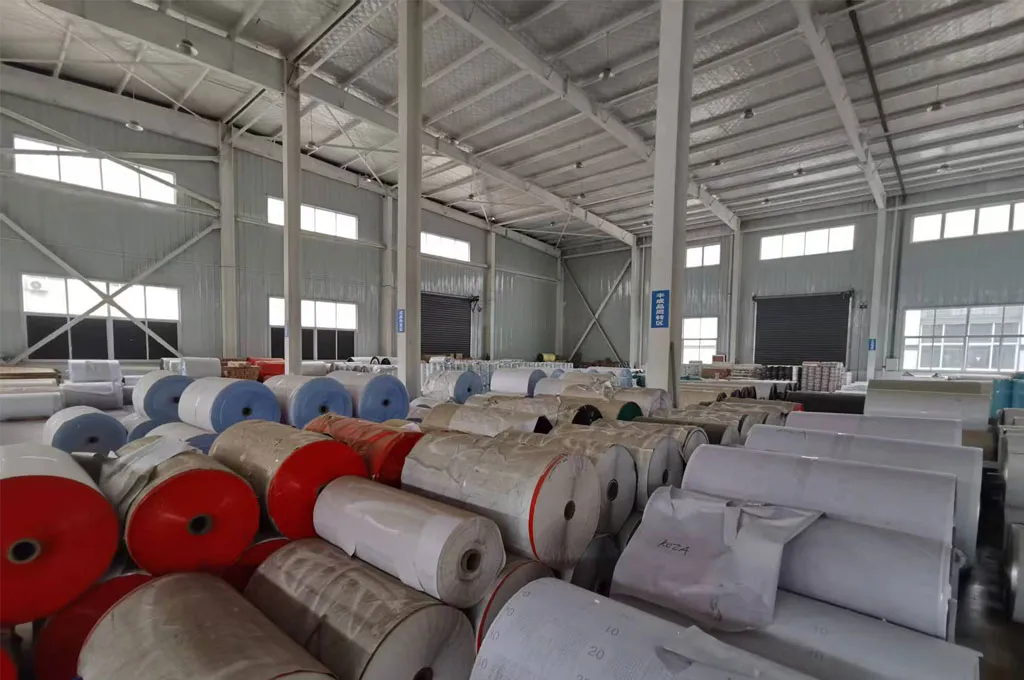
Choose products specified for outdoor use, request test data, and prefer films with documented UV stabilizers or protective coatings when the application involves extended sun exposure. For reliable supply and customization options, consider manufacturers with full in-house production capabilities and testing experience—Pulivk offers tailored PVC film options and production control to meet outdoor durability needs.
For further product specifications or to request test reports, contact your PVC film supplier and confirm which stabilizers and coatings are included in the film formulation.