Address
304 North Cardinal St.
Dorchester Center, MA 02124
Work Hours
Monday to Friday: 7AM - 7PM
Weekend: 10AM - 5PM
Address
304 North Cardinal St.
Dorchester Center, MA 02124
Work Hours
Monday to Friday: 7AM - 7PM
Weekend: 10AM - 5PM


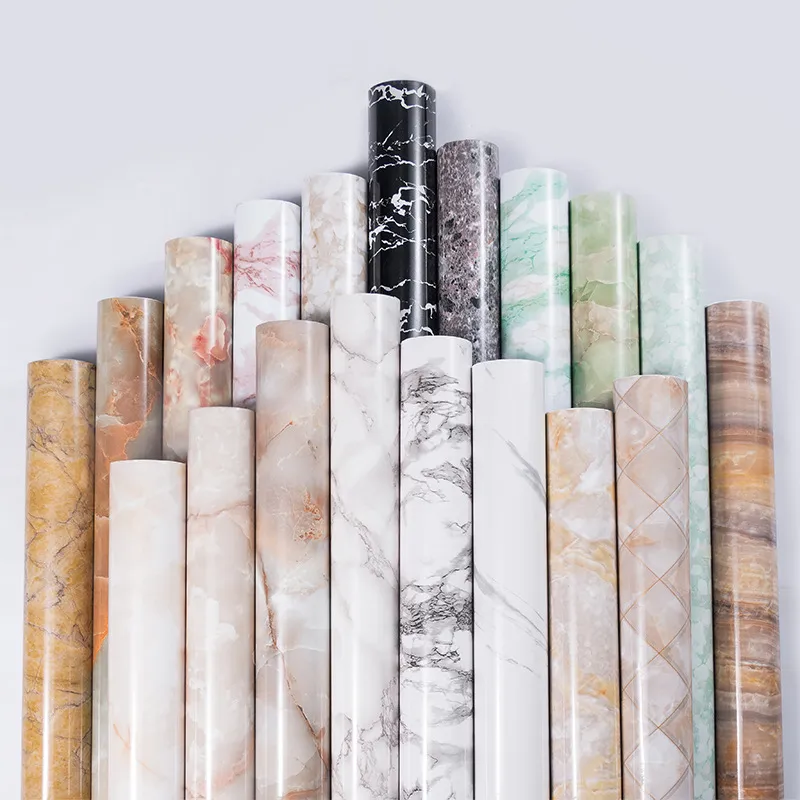
Choosing the right surface protection for furniture can transform a renovation or daily maintenance routine. PVC protective film is widely used for cabinetry, wardrobes, countertops and decorative panels — but is it the best choice for your furniture? This article explains the benefits, common uses, installation tips, buying guide and practical care advice so you can decide with confidence.
PVC protective film is a thin, durable polymer layer designed to cover surfaces temporarily or permanently. Available in matte, glossy, wood-grain, marble and textured finishes, it can protect against scratches, moisture, stains and UV fading while providing decorative updates without replacing furniture.
Durability: PVC film adds a wear-resistant surface that reduces visible damage from everyday use. It’s often used on doors, shelves and tabletop edges where wear concentrates.
Cost-effectiveness: Replacing or refinishing furniture is expensive. PVC film offers a budget-friendly alternative to refacing or buying new pieces.
Design flexibility: With wood grain, marble, metallic and solid-color options you can refresh furniture aesthetics quickly — ideal for rental upgrades, retail displays, or staged homes.
Consider PVC film if you need to: protect newly manufactured furniture during transit, update the look of laminated boards, or guard painted/veneered surfaces during renovation. It’s excellent for smooth, flat panels and low-to-moderate wear areas.
Avoid using PVC film on highly curved or intricate carved surfaces, or on surfaces already flaking or contaminated with oils — adhesion will be poor. For antique or solid wood furniture where breathability is critical, choose restoration-friendly finishes instead.
| Type | Finish | Best For |
|---|---|---|
| Calendered PVC | Matte / Gloss | Cabinet doors, flat panels |
| Printed PVC (wood/grain) | Wood grain / Stone look | Wardrobes, countertops, décor facings |
| Self-adhesive PVC | Various | Quick DIY applications, temporary protection |
| Anti-scratch / Anti-oil PVC | Textured / Coated | Kitchens, high-traffic surfaces |
Proper preparation ensures long-lasting adhesion:
Clean thoroughly — remove dust, grease and wax with a mild detergent and isopropyl alcohol if needed.
Work on smooth, dry surfaces at recommended temperature range (usually 18–28°C for best results).
Use a squeegee and a sharp utility knife for trimming; apply slowly and evenly to avoid bubbles.
For factory or large-scale application, thermal activation (heat gun) may be used to conform film around edges and slight curves.
Small flat surfaces are great for DIY. For full-room cabinetry or textured/complex panels, professional installation reduces waste and ensures perfect seams. If you plan resale, document the film as temporary protection to avoid confusion with original finishes.
Most PVC films are washable with mild soap and water. Avoid abrasive cleaners and high-alcohol solvents. With correct installation and regular care, a quality PVC film can last 3–10 years depending on traffic and UV exposure. Replace it when edges lift or scratches accumulate.
PVC is a petrochemical product. Choose films with low-VOC adhesives and certifications where possible. For indoor furniture, verify that the supplier provides safety data sheets and odor-free grades suitable for enclosed environments.
When purchasing PVC protective film, review these criteria:
Adhesive type: Permanent vs. removable depending on your needs.
Thickness: Thicker films offer more protection but may be harder to conform on edges.
Finish and pattern quality: High-resolution printing avoids a plasticky look; check samples.
Fire & VOC ratings: Required for commercial projects or sensitive indoor use.
OEM & customization: If you need bespoke widths, colors or packaging, confirm factory capabilities.
Prices vary by quality and finish. Expect lower-cost rolls for basic protective film, and premium rates for textured, anti-scratch, or printed decorative films. Buying in bulk or opting for split-packaging often reduces unit cost.
If your goal is to protect, refresh or temporarily shield furniture at a reasonable price, PVC protective film is an excellent option for many household and commercial settings. It combines protection with an easy aesthetic upgrade and is especially useful for kitchens, wardrobes and cabinetry.
High-quality removable adhesives are formulated to peel cleanly from most sealed surfaces. Test a small area first. Do not apply PVC film over poorly bonded paint, peeling surfaces, or raw wood.
Longevity depends on quality, environmental exposure and wear. Typical lifespans range from a few years for removable films to many years for professionally applied, high-grade films.
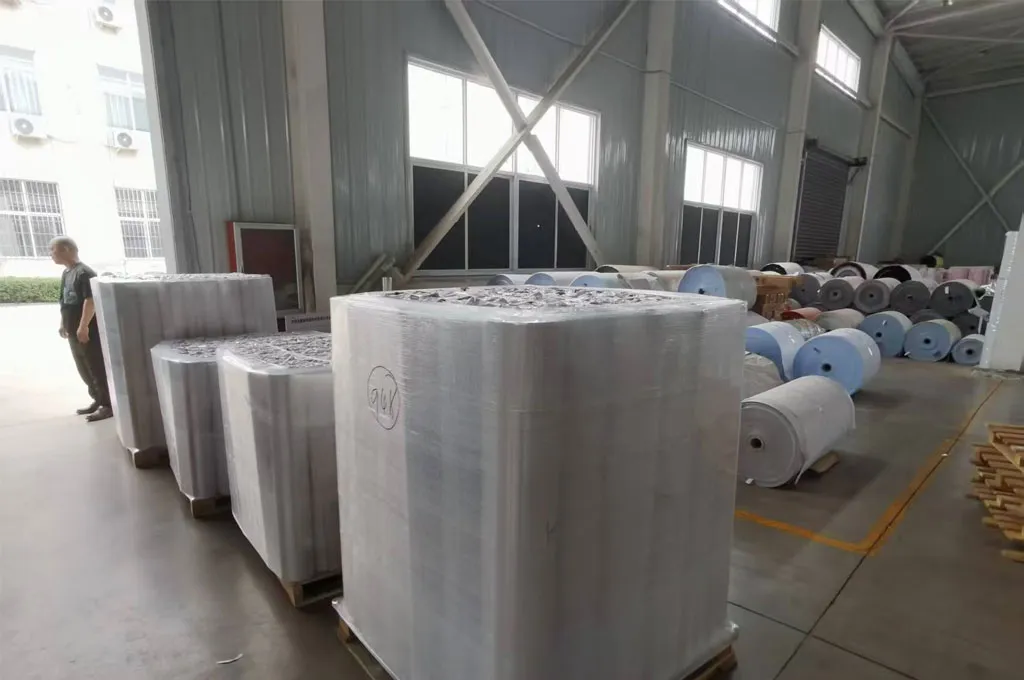
Henan Pulivk New Materials Co., Ltd. (Pulivk) offers full in-house PVC calendering, printing and split-packaging capabilities, supporting custom sizes, prints and strict quality control for OEM and export projects. For specific product samples or bulk inquiries, visit https://pvcfilmtec.com/.