Address
304 North Cardinal St.
Dorchester Center, MA 02124
Work Hours
Monday to Friday: 7AM - 7PM
Weekend: 10AM - 5PM
Address
304 North Cardinal St.
Dorchester Center, MA 02124
Work Hours
Monday to Friday: 7AM - 7PM
Weekend: 10AM - 5PM


 ByPulivk
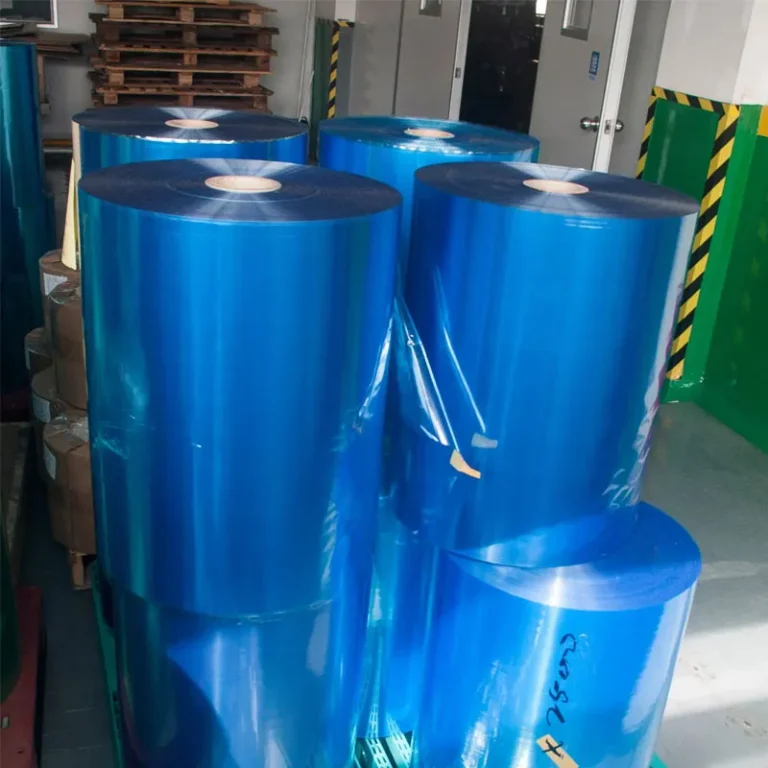
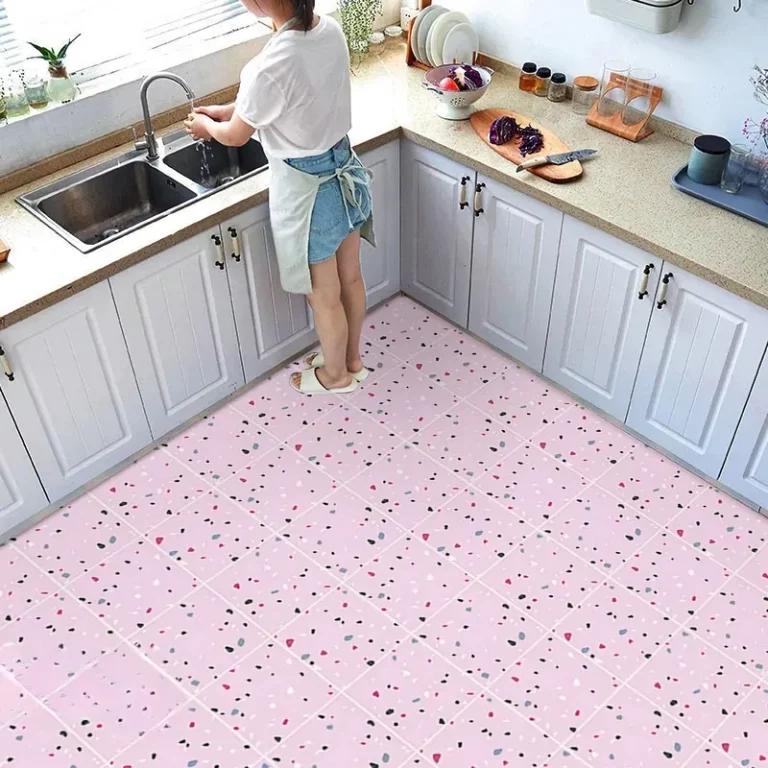
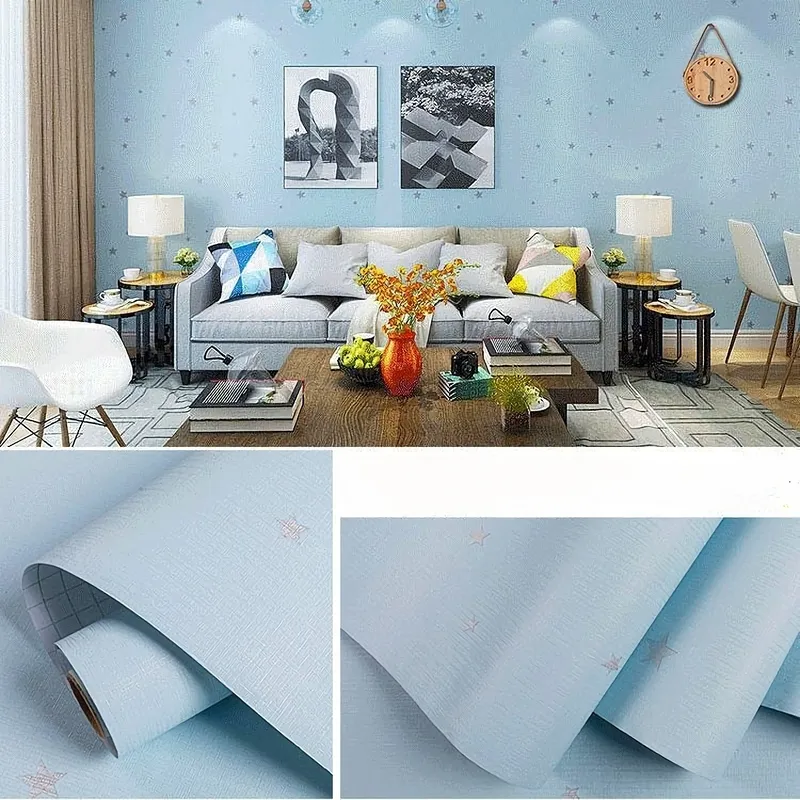
Laminating with polyvinyl chloride (PVC) film has become a cornerstone technique across industries ranging from furniture manufacturing to architectural design. By applying a thin layer of lamination pvc film to substrates like MDF, plywood, or particleboard, manufacturers can achieve highly durable, aesthetically versatile surfaces without the cost of solid materials. Whether you are producing modern wardrobes, kitchen cabinets, or commercial wall panels, understanding the utility and selection criteria for lamination pvc film is essential for consistent quality.
At its core, lamination pvc film is a thermoplastic polymer sheet engineered to bond permanently to a substrate using adhesive and pressure. Unlike traditional paint or veneer, this material offers superior resistance to moisture, scratches, and daily wear. The manufacturing process, often adhering to ASTM PVC Film Standard guidelines, ensures uniform thickness and consistent physical properties. The result is a surface that not only looks premium but also withstands challenging environments, making it ideal for both residential and commercial applications.
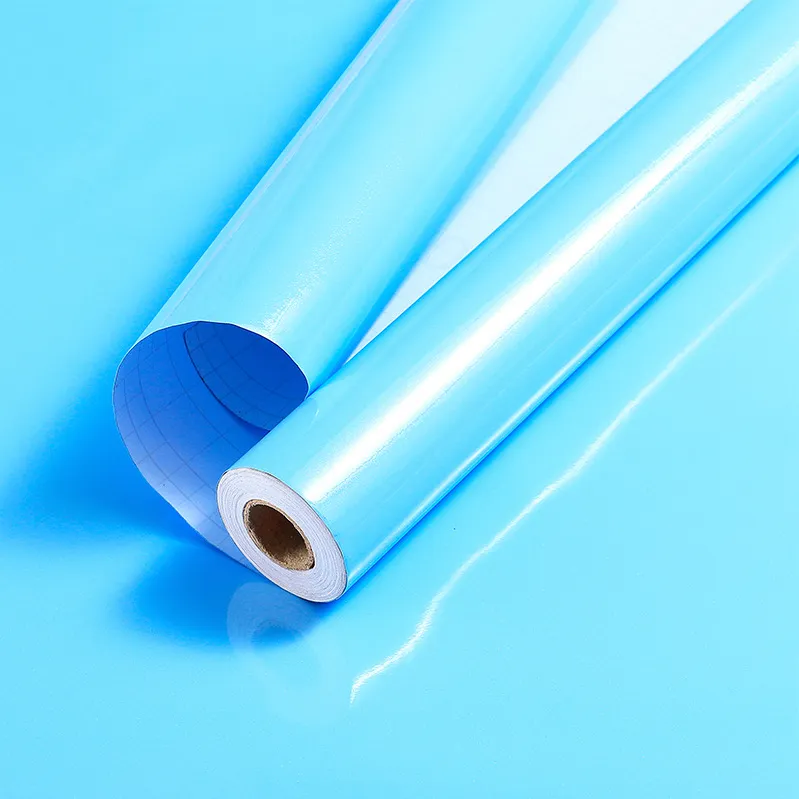
Switching to lamination pvc film provides a competitive edge by balancing cost-efficiency with high-end aesthetics. Below are the primary advantages driving its global adoption:
Selecting the appropriate lamination pvc film requires analyzing the end-use environment. Not every film suits every project, so evaluating these factors will help you avoid costly application failures:
Whether you are coating medium-density fiberboard (MDF) panels or PVC skirting boards, the adhesive layer must match the substrate. For example, PVC skirting film requires specialized flexibility and impact resistance to handle foot traffic and baseboard contact. Always confirm that the thermal activation range of the film aligns with your specific board material.
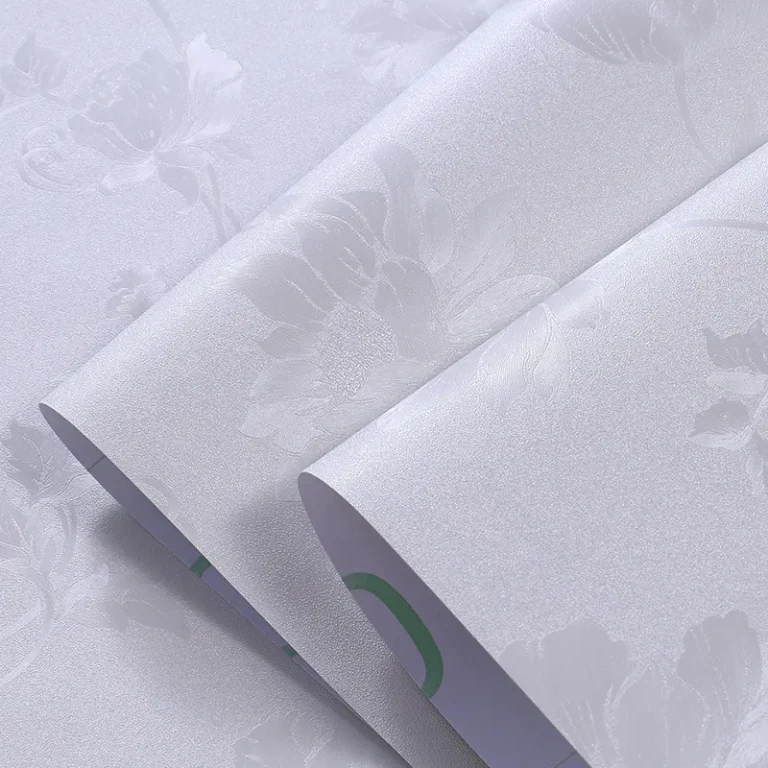
The texture dictates both the visual and tactile experience. You’ll encounter several mainstream finishes in the lamination pvc film market:
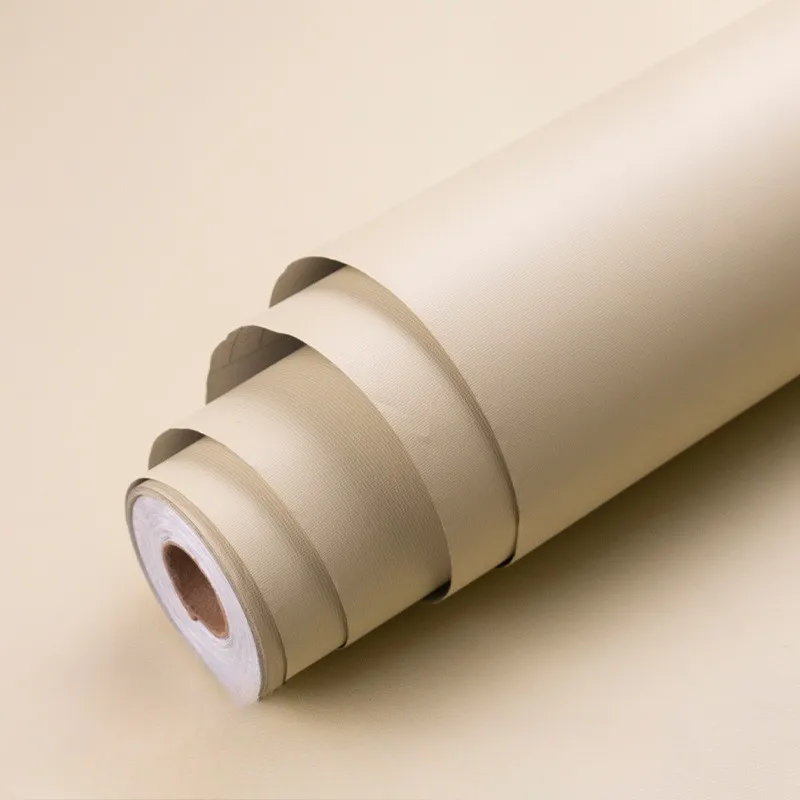
Always check the technical data sheet. Key metrics like tensile strength, dimensional stability, and plasticizer migration are critical. For outdoor-adjacent uses, confirm the film passes PVC Film Dimensional Stability tests to prevent shrinking or warping. If the application faces direct sunlight, ensure UV inhibitors are present in the formulation to combat yellowing.
Modern consumers demand safe, eco-conscious products. Verify that your lamination pvc film supplier uses phthalate-free plasticizers and heavy-metal-free stabilizers. Compliance with PVC REACH Restrictions and RoHS directives is non-negotiable for exports to the European Union or North America. This guarantees the material is safe for indoor air quality and direct human contact.
The utility of lamination pvc film extends across multiple verticals. Here are the dominating sectors:
| Industry | Common Use | Key Feature Required |
|---|---|---|
| Furniture | Wardrobes & Tabletops | Scratch Resistance |
| Construction | Wall Panels & Ceilings | Fire Retardancy |
| Flooring | Luxury Vinyl Tiles (LVT) | Abrasion Class |
| Home Decor | Countertops & Backsplashes | Heat Resistance |
Applying lamination pvc film effectively requires precision. The two primary methods are flat lamination and profile wrapping. In flat lamination, the board passes through a roller coater where adhesive is applied before the film is pressed using a heated roller. Profile wrapping, on the other hand, uses vacuum pressure to bond the film around contoured edges, which is common for wood grain film doors with intricate routered designs. Regardless of the method, maintaining a dust-free environment and consistent machine pressure ensures a bubble-free finish.

For brands looking to differentiate, customization is key. Leading manufacturers like Henan Pulivk New Materials Co., Ltd. provide extensive OEM services for lamination pvc film. This includes proprietary color matching, custom embossing cylinders for unique textures, and tailored roll dimensions. You can specify widths up to 1500mm and thicknesses ranging from 0.03mm to 0.50mm. Split packaging in dust-proof PE film or kraft paper further ensures that full rolls arrive in pristine condition, ready for immediate production line feeding.
Educating your customers on proper care extends the life of the laminated product dramatically. For routine cleaning, a soft microfiber cloth paired with a mild, non-abrasive detergent is recommended. Avoid solvent-based cleaners, as these can break down the plasticizer bonds in the lamination pvc film, leading to cracking or peeling. For stubborn stains like marker or coffee, a paste of baking soda and water can be used gently without leaving scratches, provided the film has a high-quality finish layer suitable for residential wear.
In conclusion, integrating lamination pvc film into your manufacturing process unlocks a world of functional and aesthetic benefits. By focusing on the right specifications, trusted compliance certifications, and the intended application environment, you can dramatically elevate product quality and customer satisfaction.