Address
304 North Cardinal St.
Dorchester Center, MA 02124
Work Hours
Monday to Friday: 7AM - 7PM
Weekend: 10AM - 5PM
Address
304 North Cardinal St.
Dorchester Center, MA 02124
Work Hours
Monday to Friday: 7AM - 7PM
Weekend: 10AM - 5PM


 ByPulivk
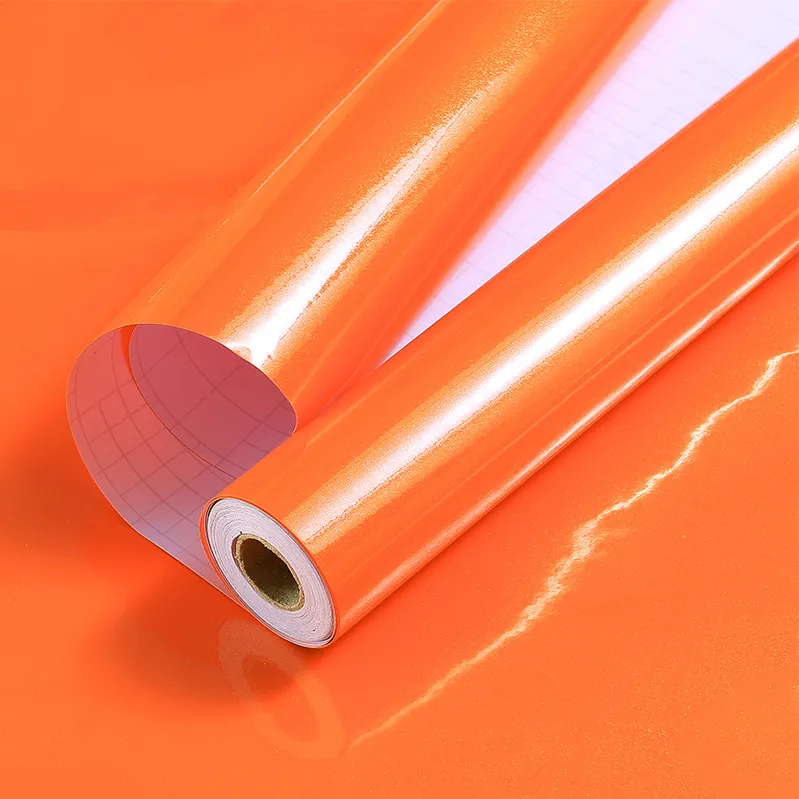
In the demanding world of industrial and commercial applications, sourcing reliable materials that don’t break the budget is a constant challenge. Low price fabric PVC film has emerged as a game-changing solution for manufacturers, contractors, and designers alike. This versatile material combines the aesthetic appeal of textiles with the functional benefits of PVC, creating a product that delivers exceptional performance at a fraction of the cost of traditional alternatives.
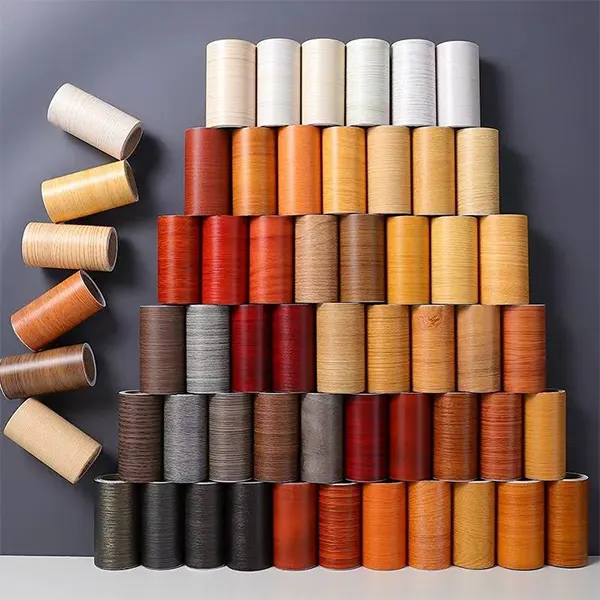
What makes low price fabric PVC film such an attractive option? The answer lies in its unique manufacturing process. By integrating textile backings with high-quality PVC coatings, manufacturers can produce a calendered film that offers superior tear resistance, dimensional stability, and a soft, fabric-like feel. This combination creates a product that is not only cost-effective but also incredibly durable and easy to work with across various applications.
Decision-makers across industries are turning to fabric reinforced PVC films for several compelling reasons. The material offers an unparalleled balance of mechanical strength and flexibility, making it suitable for both heavy-duty industrial uses and refined commercial installations. Unlike pure PVC sheets, the fabric backing provides enhanced structural integrity, preventing stretching and deformation under stress.
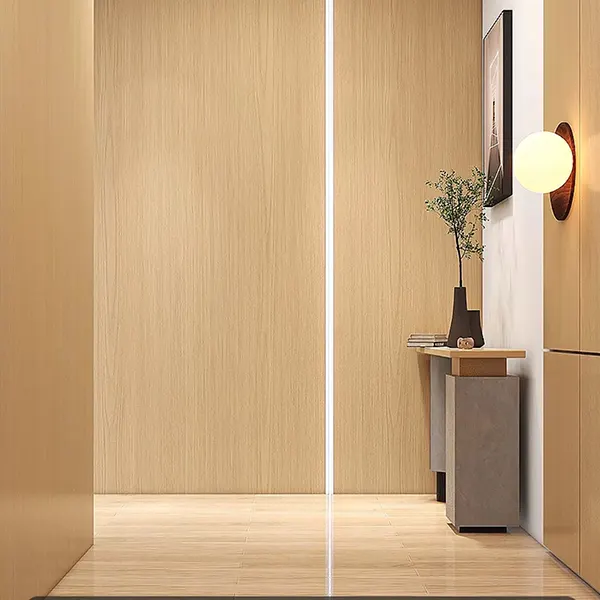
When compared to other materials like rubber, leather, or high-end composites, fabric PVC film consistently delivers significant cost advantages. The raw material costs are lower, processing is more efficient, and the finished product requires minimal maintenance. For businesses looking to optimize their supply chain, sourcing these films directly from established manufacturers ensures competitive pricing without compromising on quality. This is particularly important for projects requiring large volumes of material, where even minor per-unit savings translate into substantial budget reductions.
Understanding the technical properties of fabric PVC film helps buyers make informed decisions. These films are engineered to meet specific performance criteria that make them suitable for demanding environments. The following table outlines the primary characteristics that define a high-quality product:
| Property | Description | Benefit |
|---|---|---|
| Tensile Strength | High resistance to pulling forces | Withstands heavy loads without tearing |
| Tear Resistance | Fabric backing prevents rip propagation | Ideal for high-stress applications |
| Flexibility | Remains pliable across temperature ranges | Easy to install on curved surfaces |
| Weather Resistance | UV inhibitors and anti-aging additives | Long-lasting outdoor performance |
| Chemical Resistance | Resists oils, greases, and cleaning agents | Suitable for industrial environments |
The versatility of low price fabric PVC film makes it a go-to material across numerous sectors. Its ability to mimic the appearance and texture of traditional fabrics while offering superior durability opens up a world of possibilities. Here are some of the most common industrial uses:
Construction sites, agricultural operations, and transportation companies rely heavily on durable, weather-resistant covers. Fabric PVC films provide excellent protection against rain, dust, and UV radiation. The reinforced structure ensures that covers remain intact even in windy conditions, safeguarding valuable equipment and materials.
In the furniture industry, low price fabric PVC film offers a practical alternative to genuine leather and woven textiles. It can be embossed with various textures, including leather grain and fabric weaves, to create visually appealing finishes for chairs, sofas, and office furniture. The material is easy to clean, stain-resistant, and maintains its appearance for years, making it perfect for high-traffic commercial settings like hotels and restaurants.
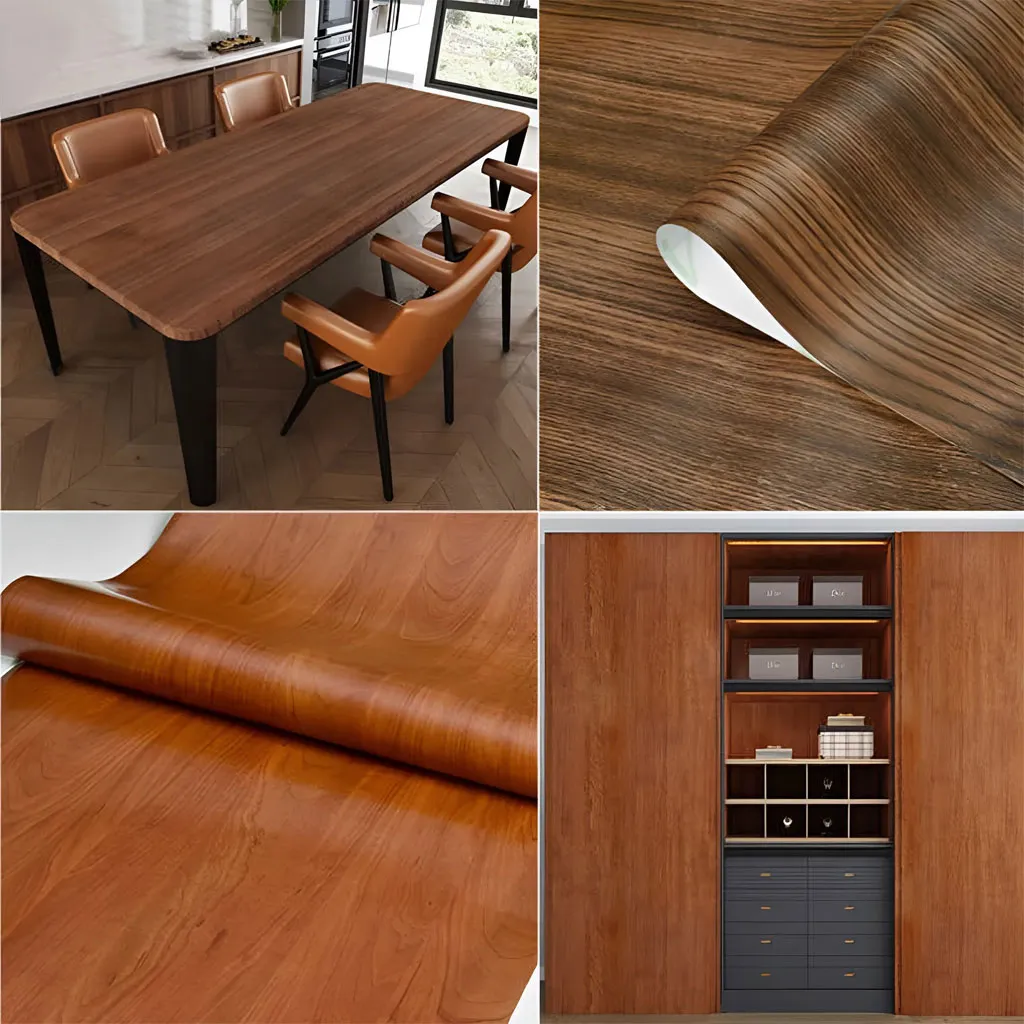
Vehicle interiors demand materials that can withstand constant use, temperature fluctuations, and exposure to sunlight. Fabric PVC films are used for seat covers, door panels, dashboards, and headliners. They meet stringent flammability standards and provide the durability needed for public transport, commercial fleets, and personal vehicles.
Heavy-duty packaging applications benefit from the strength and puncture resistance of fabric PVC. Industrial bags, flexible intermediate bulk containers, and protective wrapping materials are commonly made from this versatile film. Its ability to be heat-sealed and printed on makes it an excellent choice for branded packaging solutions.
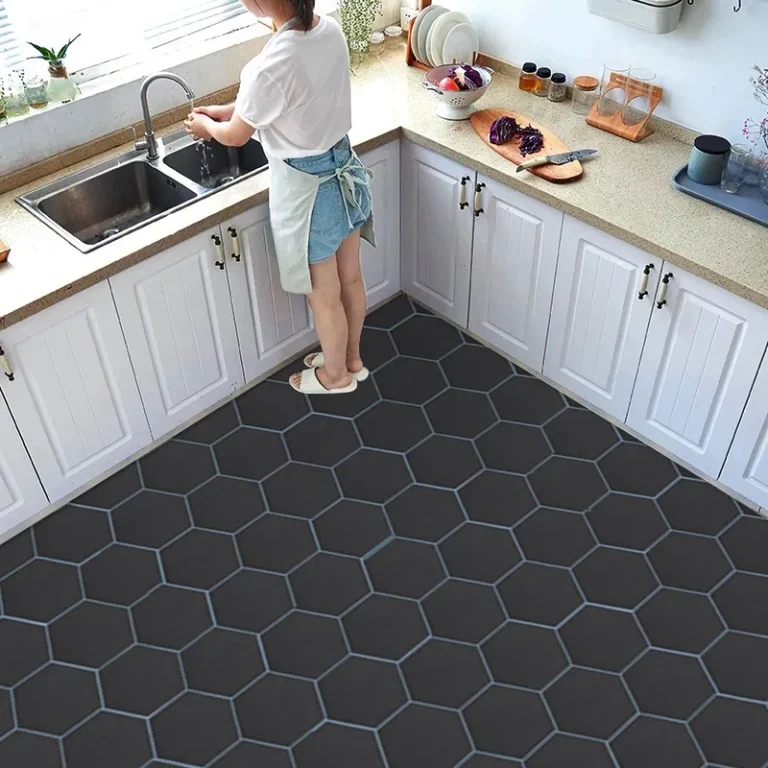
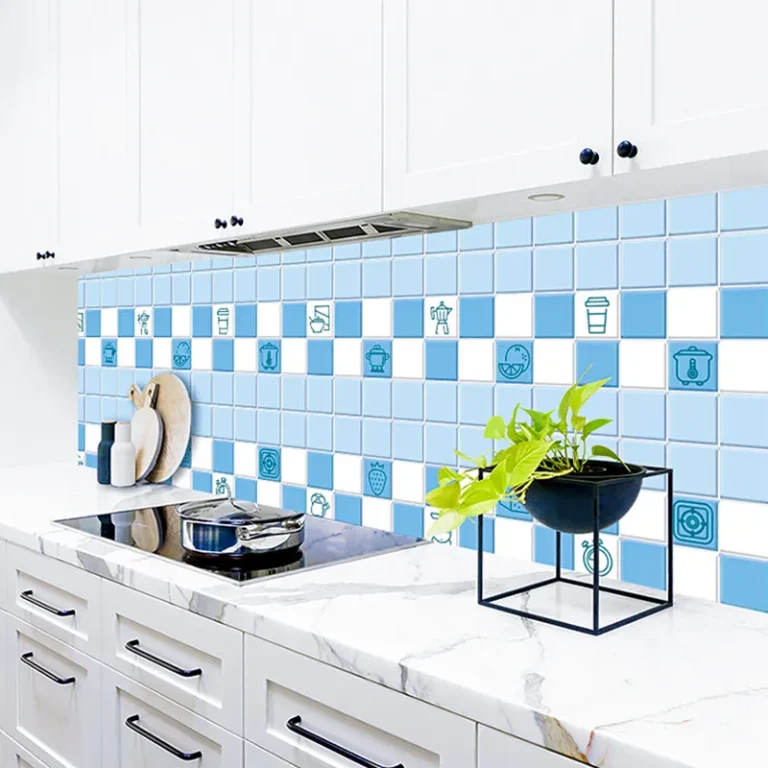
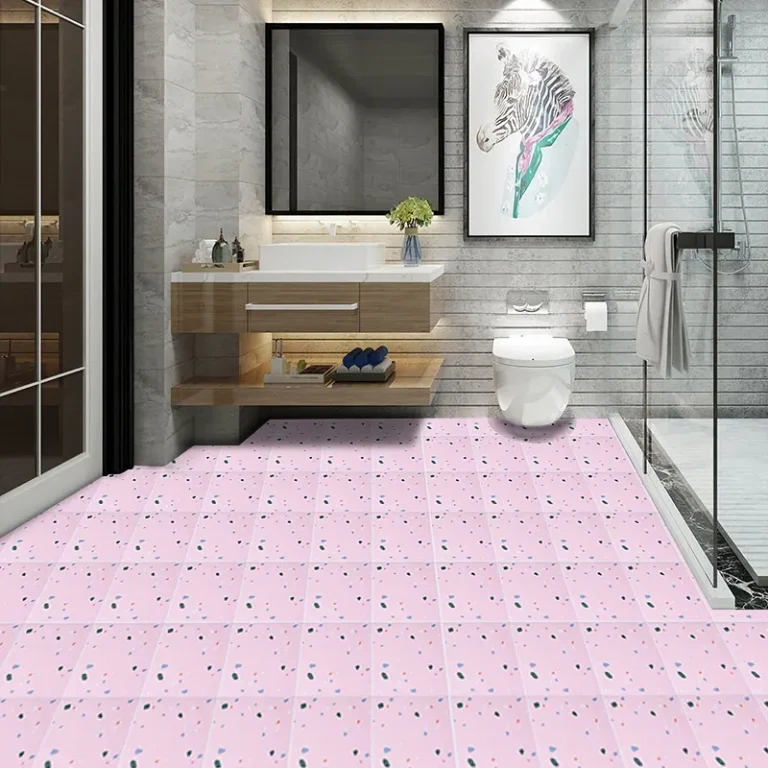
Commercial and residential spaces increasingly use fabric PVC flooring for its comfort underfoot, sound insulation properties, and decorative potential. The material can be printed with stunning high-definition designs, including wood grain, stone patterns, and abstract art. Wall coverings made from this film are equally popular, providing a durable and washable surface that hides imperfections in the underlying wall structure.
One of the greatest strengths of working with specialized PVC film suppliers is the ability to customize virtually every aspect of the product. This flexibility ensures that businesses receive materials tailored precisely to their production requirements and design specifications.
Modern manufacturing techniques allow for precise color matching using Pantone references or physical samples. Additionally, a wide array of surface textures can be achieved through embossing and calendering processes. Options include matte finishes for a subtle, elegant look, glossy surfaces for vibrant color depth, and textured patterns like leather grain, linen, and carbon fiber. This level of customization is essential for brands maintaining consistent visual identities across their product lines.
Beyond aesthetics, the physical properties of low price fabric PVC film can be engineered to meet specific technical demands:
When sourcing any industrial material, quality assurance is paramount. Reputable manufacturers adhere to internationally recognized testing standards to ensure their products meet performance expectations. Understanding these standards helps buyers verify supplier claims and compare products objectively.
Key physical property tests for fabric PVC film include tensile strength and elongation testing, which measures how much force the film can withstand before breaking, and tear resistance testing, which evaluates the material’s ability to resist the propagation of cuts and punctures. These tests are critical for applications where the film will be subjected to mechanical stress. Additionally, dimensional stability testing under heat helps predict how the material will behave during installation and use, while cold crack testing ensures suitability for low-temperature environments.
For buyers concerned about environmental compliance, materials can be formulated to meet REACH and RoHS requirements. These regulations restrict the use of hazardous substances in products sold within the European Union, and compliant materials are increasingly sought after in global markets as awareness of chemical safety grows.
Procurement professionals understand that achieving the best value requires strategic sourcing approaches. Direct partnerships with manufacturers like Henan Pulivk New Materials Co., Ltd. often yield the most competitive pricing by eliminating intermediary markups. When evaluating potential suppliers, consider the following factors beyond just the unit price:
Manufacturers with fully integrated production lines, including calendering, printing, and packaging capabilities, can offer more consistent quality and shorter lead times. This vertical integration means fewer hand-offs in the production process, reducing the risk of errors and delays. It also allows for tighter cost control at every stage, with savings that can be passed on to buyers.
The best supplier relationships are built on flexibility and mutual benefit. Look for partners that offer reasonable minimum order quantities for custom products, fast turnaround on sample requests, and responsive technical support. Services such as custom slitting, branded packaging, and consolidated shipping arrangements can significantly reduce your operational burden and overall procurement costs. A supplier that views its role as a partner in your success rather than simply a vendor is more likely to go the extra mile when challenges arise.
When ordering low price fabric PVC film, requesting samples before committing to bulk production is a standard and recommended practice. This allows you to evaluate color accuracy, texture feel, and physical properties firsthand, ensuring the material aligns perfectly with your project requirements.
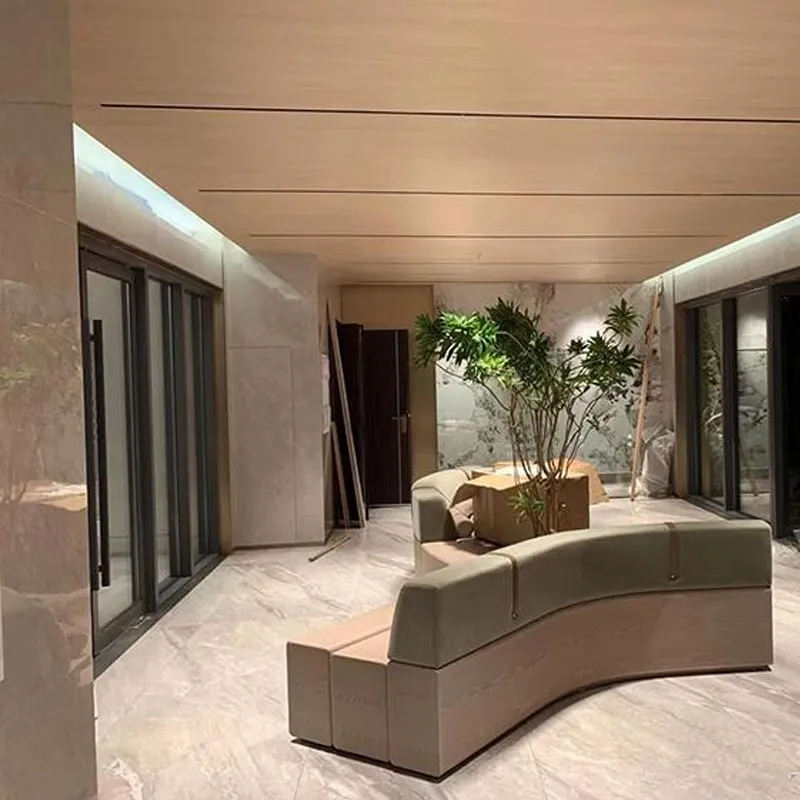
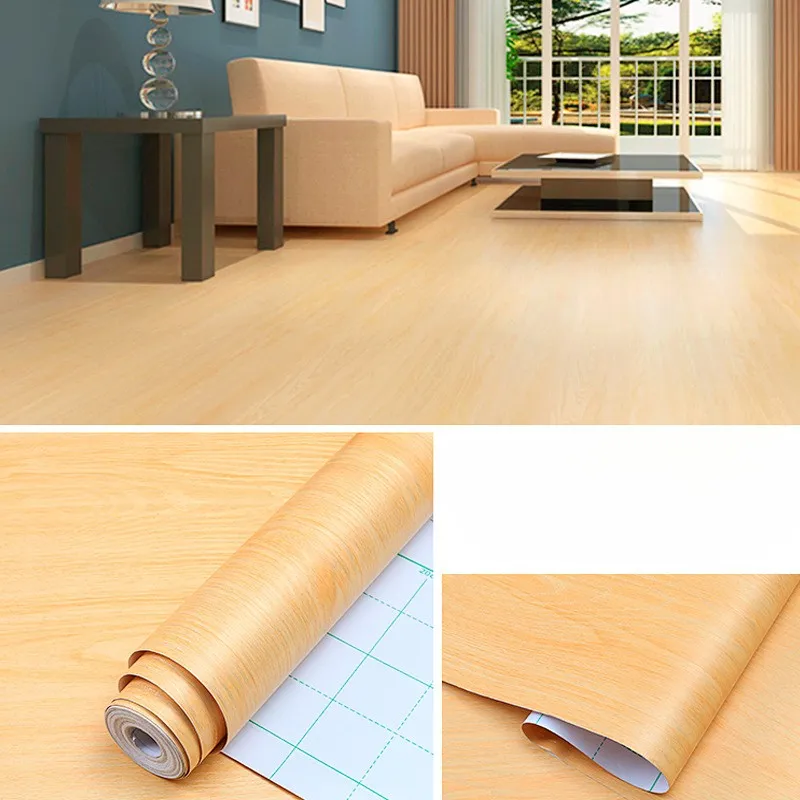
Making an informed material selection requires understanding how fabric PVC film stacks up against other options commonly used in industrial and commercial settings. The following comparison highlights key differences that influence buying decisions:
| Comparison Factor | Fabric PVC Film | Pure PVC Sheeting | Woven Textiles |
|---|---|---|---|
| Cost Effectiveness | Excellent | Good | Variable, often higher |
| Tear Resistance | Superior | Moderate | Moderate to high |
| Water Resistance | Complete | Complete | Poor without treatment |
| Stain Resistance | Excellent | Excellent | Poor |
| Design Versatility | Unlimited prints and textures | Good | Limited to weave patterns |
This comparison clearly shows why fabric PVC film is often the preferred choice for applications requiring a combination of mechanical strength, aesthetic flexibility, and budget consciousness. The material’s ability to deliver the look of high-end textiles with the practical benefits of plastic makes it uniquely suited to modern manufacturing needs.
Sustainability and user safety are increasingly important factors in material selection. Leading manufacturers have responded by developing formulations that address environmental concerns without sacrificing performance or affordability. Modern low price fabric PVC film products can be manufactured using phthalate-free plasticizers and lead-free stabilizers, making them suitable for applications involving human contact and indoor environments where air quality is a concern.
The circular economy initiatives within the PVC industry aim to increase recycling rates and reduce the environmental footprint of production. Many fabric PVC films are technically recyclable, and industry programs exist to collect and reprocess post-industrial and post-consumer waste. Buyers seeking to improve their sustainability credentials should inquire about suppliers’ recycling programs and the availability of recycled content options.
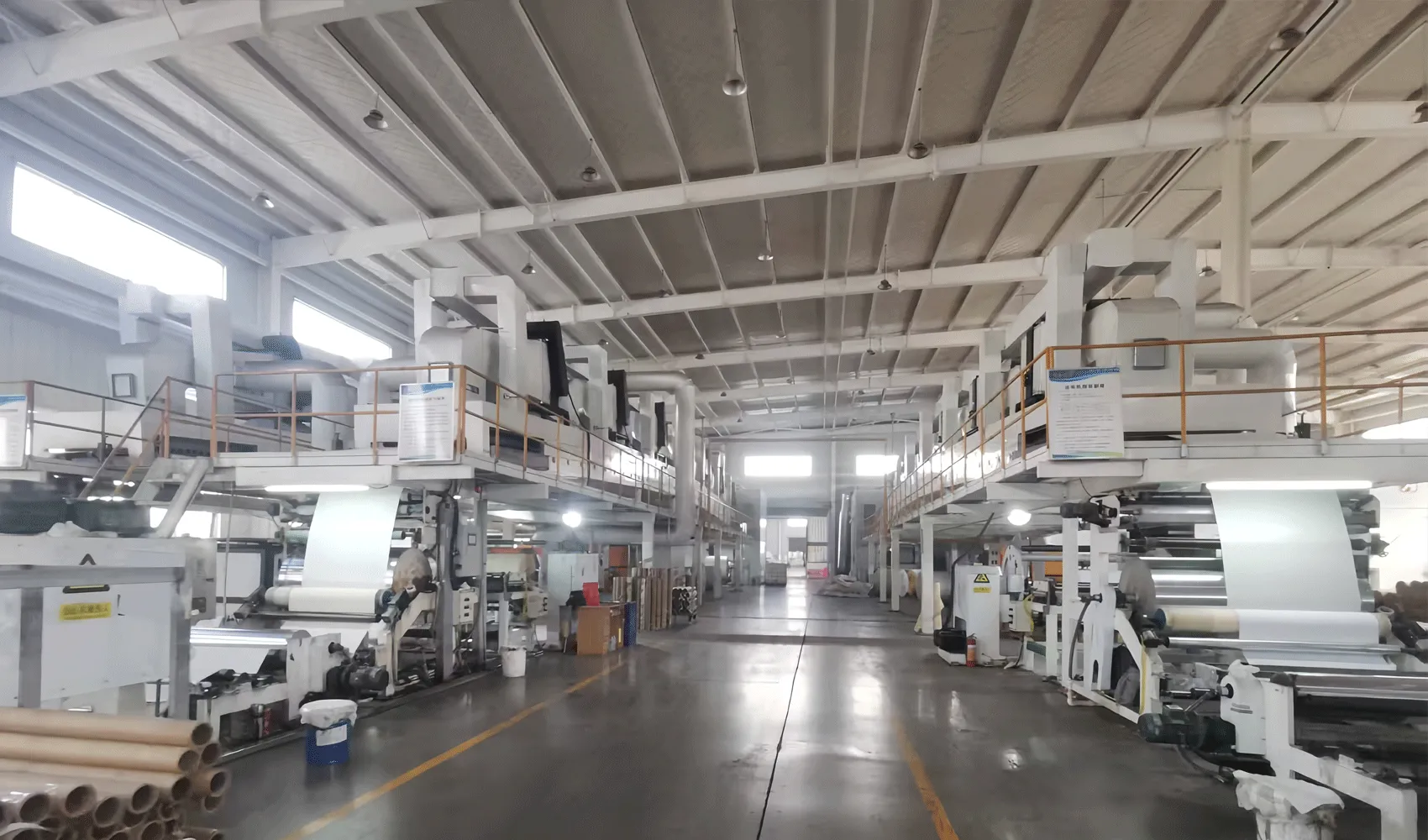
Getting the best results from low price fabric PVC film requires proper handling, installation, and ongoing care. Fortunately, the material is user-friendly and forgiving, but following best practices will maximize its lifespan and appearance.
The substrate to which the film will be applied must be clean, dry, and free from dust, grease, and loose particles. For flat lamination applications, a smooth, even surface ensures optimal adhesion and a professional finish. Depending on the specific product and intended use, application methods include cold lamination using pressure-sensitive adhesives, or heat lamination using vacuum presses that activate heat-activated backing layers. Following the manufacturer’s recommended temperature and pressure settings is crucial for achieving a bond that will last for years.
One of the major advantages of fabric PVC film is its ease of maintenance. Routine cleaning requires only a soft, damp cloth or sponge with a mild, neutral detergent solution. Abrasive cleaners, scouring pads, steel wool, and strong solvents should be avoided as they can scratch or dull the surface. For stubborn stains, a specialized PVC cleaner can be used, but always test any cleaning product on an inconspicuous area first. With proper care, high-quality fabric PVC films will maintain their color, texture, and structural integrity for many years, providing a lasting return on investment.