Address
304 North Cardinal St.
Dorchester Center, MA 02124
Work Hours
Monday to Friday: 7AM - 7PM
Weekend: 10AM - 5PM
Address
304 North Cardinal St.
Dorchester Center, MA 02124
Work Hours
Monday to Friday: 7AM - 7PM
Weekend: 10AM - 5PM


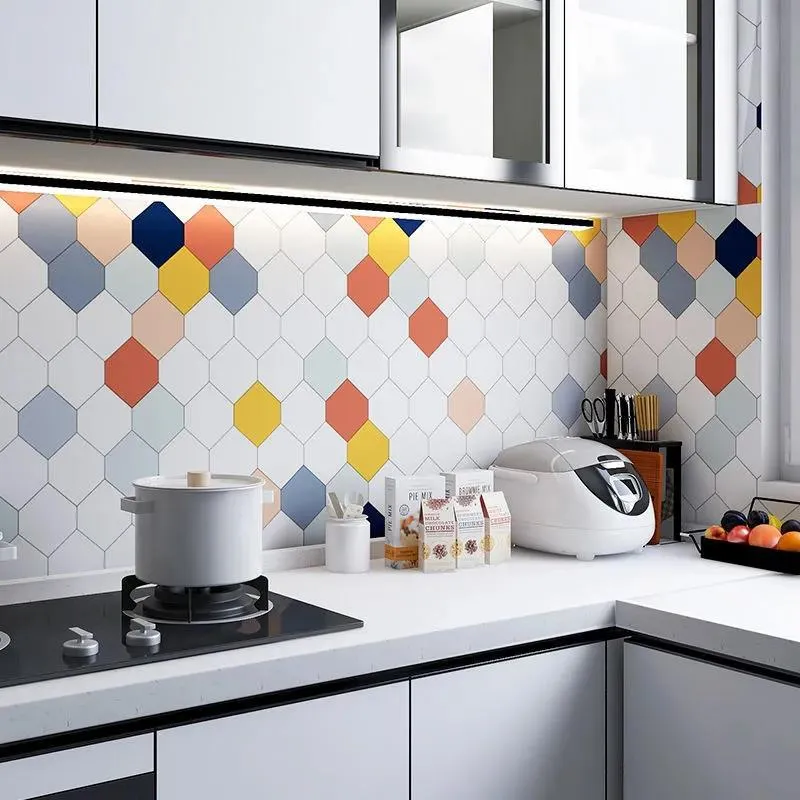
Matte PVC film for vacuum pressing is a practical, design-forward surface solution for modern furniture production.
By combining stable calendered PVC structure with a low-gloss matte finish, it delivers a refined look that helps hide fingerprints, minor scratches, and daily wear—especially on MDF components such as cabinet doors, wardrobe panels, sideboards, and decorative wall elements.
For manufacturers and project contractors, matte vacuum press film is often chosen for its consistent appearance across batches, production efficiency, and wide pattern options (wood grain, stone, fabric, solid colors, and more).
Key takeaway:
Matte PVC decorative film is engineered to wrap and bond smoothly during vacuum pressing, delivering a durable, uniform finish on MDF and complex profiles—without the mirror glare of high-gloss surfaces.
Best suited for: MDF cabinet doors, furniture panels, drawer fronts, interior wall cladding, and commercial fit-outs that require a calm, premium matte look.
Matte PVC film for vacuum pressing is a decorative thermoplastic sheet designed to be heated, softened, and formed over a substrate (commonly MDF) under vacuum membrane pressure.
The film conforms to contours—flat panels, soft edges, routed details, and even moderate 3D profiles—then bonds via compatible adhesives and process parameters.
Compared with paint or laminate solutions, vacuum press PVC film simplifies production steps and provides consistent pattern and tone.
The matte surface reduces light reflection, which many designers prefer for kitchens, offices, hospitality, and residential interiors where a “soft visual temperature” is desired.
Why matte matters:
Matte finishes help mask handling marks and keep cabinetry looking clean under bright indoor lighting—especially in high-traffic spaces such as kitchens, rental apartments, and retail fixtures.
MDF is widely used for cabinet doors and furniture panels because it is stable, easy to machine, and cost-effective.
However, MDF requires reliable surface finishing to protect edges and routed profiles. Vacuum pressing with matte PVC film creates a continuous wrap that improves aesthetics and service life.
Durability for daily use: resists common abrasion, scuffs, and light impacts in household and commercial environments.
Easy cleaning: matte surfaces reduce visible smudges; routine wiping keeps the finish neat.
Consistent look across projects: stable calendered structure helps maintain uniform thickness and appearance for large orders.
Modern matte aesthetic: ideal for minimalist interiors, Scandinavian-style cabinetry, and warm contemporary furniture.
Pattern flexibility: wood, marble, stone, textile, and solid colors can be matched to regional trends and brand palettes.
Production scalability: vacuum pressing supports repeatability for cabinet lines and contract furniture.
Many vacuum press decorative films are produced using a calendering process that forms a uniform sheet with controlled thickness and surface quality.
This contributes to predictable forming behavior during heating and pressing, which is essential for minimizing defects like whitening, overstretch marks, or uneven gloss.
For a clearer look at calendered material options, you can review the product overview here:
Calendered Film.
Thickness: selected based on profile depth, durability requirement, and forming complexity.
(Ask for recommendations based on your door design.)
Width & roll length: aligned to press bed size and cutting optimization to reduce waste.
Surface: matte level, embossing depth, anti-scratch/anti-stain options (if needed).
Color & pattern: wood grains, stones, textiles, or solid colors; batch control is critical for large projects.
Matte does not mean “plain.” In vacuum pressing, matte finishes can be paired with deep embossing or subtle textures to simulate real materials.
Choosing the right texture is a balance between visual realism, cleaning ease, and customer expectations for touch and feel.
Wood grain remains the top seller for cabinets and wardrobes because it delivers warmth without the cost and variability of veneer.
Matte wood grain is especially effective for large panels, where glare would otherwise highlight fingerprints and small imperfections.
For pattern references and options, see:
Wood Grain Film.
Marble and stone looks are popular in vanity units, feature walls, and modern kitchen designs.
A matte stone finish can feel more “architectural” and less glossy, which many designers prefer in contemporary interiors.
Explore patterns here:
Marble Film.
Solid matte colors support modern, clean-lined cabinetry and can be tuned to match brand palettes or local interior trends.
When projects require consistent tone across multiple rooms or building phases, solid colors are often the easiest to standardize.
For solid-color options, visit:
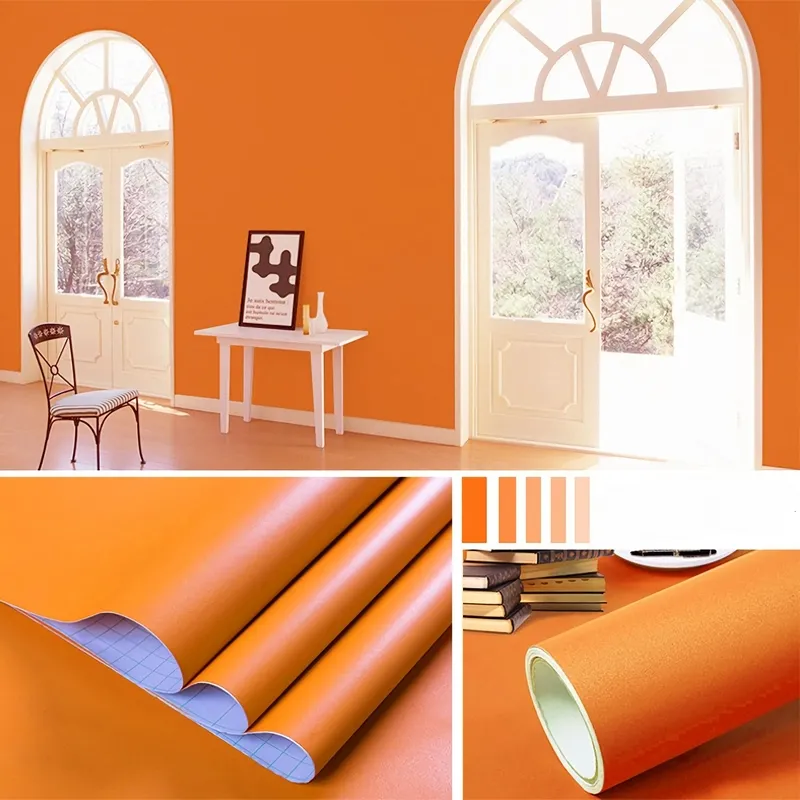
Solid Color Wallpaper.
Silk or fabric textures add a subtle tactile quality that elevates cabinet doors and furniture panels in showrooms and premium interiors.
If you are designing a higher-end range, textured matte can help differentiate your product line:
3D Silk Texture Film.
Vacuum pressing is a controlled process. A stable workflow helps achieve clean edges, consistent matte appearance, and strong adhesion—especially on routed MDF door faces.
While exact settings vary by film type, adhesive system, and equipment, the principles remain the same: surface preparation, even adhesive application, correct heating, proper vacuum time, and stable cooling.
MDF preparation: sand evenly, remove dust, ensure edges and grooves are smooth to avoid telegraphing.
Adhesive control: apply uniformly; insufficient adhesive may cause lifting, excess may create marks.
Heating consistency: heat the film evenly to improve forming and avoid stress whitening on deep profiles.
Vacuum & dwell time: allow enough time for full conformity at corners and grooves.
Cooling & trimming: stable cooling supports dimensional stability; trim cleanly to protect edges.
Most issues in vacuum pressing come from inconsistencies—either in substrate prep, adhesive distribution, or temperature control.
Matte films can be forgiving visually, but process stability still determines adhesion and long-term durability.
Edge lifting: often linked to insufficient adhesive, contaminated edges, or inadequate pressing time.
Wrinkles/bridging: usually caused by uneven heating, incorrect film tension, or overly aggressive forming on sharp corners.
Gloss inconsistency: can result from unstable temperature zones or mismatched film lots; use controlled batching for large projects.
“Durable” is not one single property. For MDF cabinets and furniture, durability is a combination of abrasion resistance, adhesion strength, color stability, and surface practicality in real homes and workplaces.
Selecting the right matte PVC film should consider the end-use environment: kitchens, offices, hotels, schools, or residential bedrooms all have different wear patterns.
Surface wear resistance: important for drawer fronts, work zones, and frequently touched doors.
Stain/chemical tolerance: critical for kitchens, where oils and cleaners are common.
Heat and humidity adaptation: especially relevant near sinks, dishwashers, or in tropical climates.
Adhesive compatibility: choose film and adhesive systems that are proven together for vacuum pressing.
For cabinet factories and furniture brands, customization is often the difference between a commodity wrap and a signature finish.
OEM/ODM programs can support thickness selection, roll sizing, embossing, matte level tuning, color matching, and packaging labeling—so your production remains efficient and your product line stays consistent.
Application: cabinet door / wardrobe / wall panel / furniture component.
Film requirements: thickness, width, matte level, embossing, pattern or color code.
Order quantity: trial order vs mass production; expected annual volume if available.
Equipment/process: vacuum press model, typical door profiles, and adhesive type used.
If you want to learn more about the full product range and technical knowledge, you can browse:
Product
and
Knowledge
resources for selection guidance and application insights.
Indoor decorative films should support both performance and peace of mind. In many markets, buyers increasingly request documentation related to restricted substances and responsible production.
When evaluating matte PVC vacuum press film for cabinets and furniture, confirm the supplier’s quality control approach (from raw materials to finished rolls), batch traceability, and availability of third-party test reports if needed.
Recommended verification items:
ISO management systems, REACH/RoHS alignment, and material safety declarations for indoor applications—especially for residential kitchens, children’s rooms, and healthcare-related fit-outs.
Choosing the right film starts with the product you are building and the customer experience you want to deliver.
A kitchen door must handle oils, wiping, and repeated touch; a wardrobe door emphasizes visual consistency across large surfaces; office furniture needs scratch tolerance and easy maintenance.
Define the door profile: flat, soft edge, deep routing, or 3D contour—this influences thickness and forming margin.
Set the target matte level: ultra-matte for premium minimalism, or standard matte for balanced cost and performance.
Confirm cleaning expectations: kitchens and rentals need practical stain tolerance and easy wipe-down.
Request sampling: test forming on your MDF design, check corner behavior, and evaluate real lighting conditions.
Lock in batch control: align on color tolerance and labeling to keep long projects consistent.
While kitchen cabinets and wardrobes are the most common uses, matte PVC vacuum press film also works well for reception desks, retail counters, hotel case goods, and interior decorative panels.
Its ability to wrap profiles allows designers to create cohesive, handle-less looks and smooth transitions between surfaces.
Handle-less cabinet fronts: matte surfaces emphasize clean geometry and reduce reflections on long lines.
Commercial furniture: office storage and meeting-room cabinetry benefit from easy maintenance and consistent appearance.
Decorative wall panels: textile/stone looks create premium atmospheres with lower installation complexity.
Matte film has lower reflectivity, which helps hide fingerprints and minor surface marks. High-gloss film creates a bright, reflective look but may show smudges more easily under strong lighting.
Yes. Matte surfaces are commonly used in kitchens because they reduce visible fingerprints. For best results, confirm stain tolerance, cleaning compatibility, and a stable adhesive/vacuum press process.
In most cases, yes—when thickness, heating, and vacuum parameters are matched to the profile depth. Sampling on your actual door design is the fastest way to validate forming performance.
Yes. Customization can include thickness, roll size, matte level, embossing, color/pattern matching, and packaging/labeling to support your production and branding needs.
Provide the intended application, thickness/width, preferred patterns or colors, and estimated quantity. Include your door profile type and vacuum press process details to receive a more accurate recommendation.