Address
304 North Cardinal St.
Dorchester Center, MA 02124
Work Hours
Monday to Friday: 7AM - 7PM
Weekend: 10AM - 5PM
Address
304 North Cardinal St.
Dorchester Center, MA 02124
Work Hours
Monday to Friday: 7AM - 7PM
Weekend: 10AM - 5PM


 ByPulivk
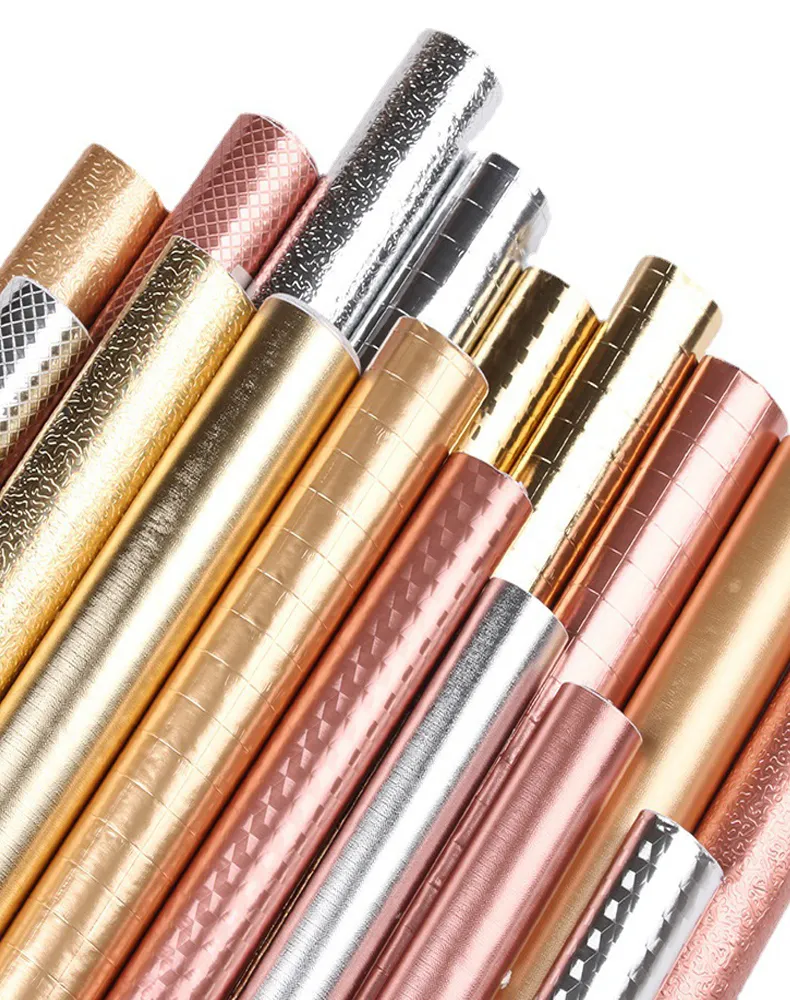
In today’s interior design and furniture manufacturing landscapes, achieving a flawless, contemporary look without compromising on longevity is a constant challenge. The solution increasingly lies in high-performance surfacing materials. A matte solid color PVC film offers precisely that—a sophisticated, non-reflective finish combined with exceptional durability that outperforms traditional paints and laminates. Whether you are refurbishing kitchen cabinets, designing commercial displays, or producing modern wardrobes, this material provides a seamless, high-end aesthetic that resists scratches, stains, and daily wear, making it a preferred choice for stylish, durable surface finishes.
Not all decorative films are created equal. A superior matte solid color PVC film is engineered for both beauty and performance. The defining characteristic is its light-diffusing surface. Unlike high-gloss alternatives that reflect light and highlight imperfections, the matte texture absorbs light, creating a soft, velvety appearance that hides fingerprints and minor surface scratches. This makes it incredibly practical for high-touch areas.
From a material science perspective, these films typically comply with rigorous industry benchmarks. Key properties such as tensile strength and tear resistance are often validated through standards like Plastic Film Tensile Testing and Plastic Film Tear Testing. The consistent color and surface quality are achieved through advanced calendering processes, ensuring every roll delivers the exact same shade and texture, which is critical for large-scale manufacturing projects.
Why are architects and manufacturers switching to PVC decorative films? The benefits extend far beyond aesthetics. Consider the following comparison that highlights the practical superiority of this modern surfacing solution:
| Feature | Matte Solid Color PVC Film | Traditional Paint or Laminate |
|---|---|---|
| Visual Consistency | Perfect batch-to-batch color matching | Prone to visible brush strokes or texture variations |
| Scratch Resistance | High surface hardness, hides minor wear | Easily chips, scratches are highly visible |
| Application Efficiency | Quick vacuum lamination, no drying time | Multiple coats required, lengthy drying times |
| Maintenance | Easy clean with mild detergent, stain resistant | Can absorb stains, difficult to repair locally |
The adaptability of matte solid color PVC film makes it suitable for a vast array of industries. Its ability to bond seamlessly to MDF, particleboard, plywood, and even metal profiles allows designers to create cohesive environments. Here are the primary sectors leveraging this technology:
From sleek bedroom wardrobes to minimalist kitchen cabinets, the matte finish provides a soft tactile feel and reduces glare. It is widely used as a glossy wardrobe film alternative for those preferring a more understated luxury. The film wraps edges smoothly, eliminating sharp corners and creating a “soft-close” visual effect, while offering robust protection against moisture in kitchen environments.
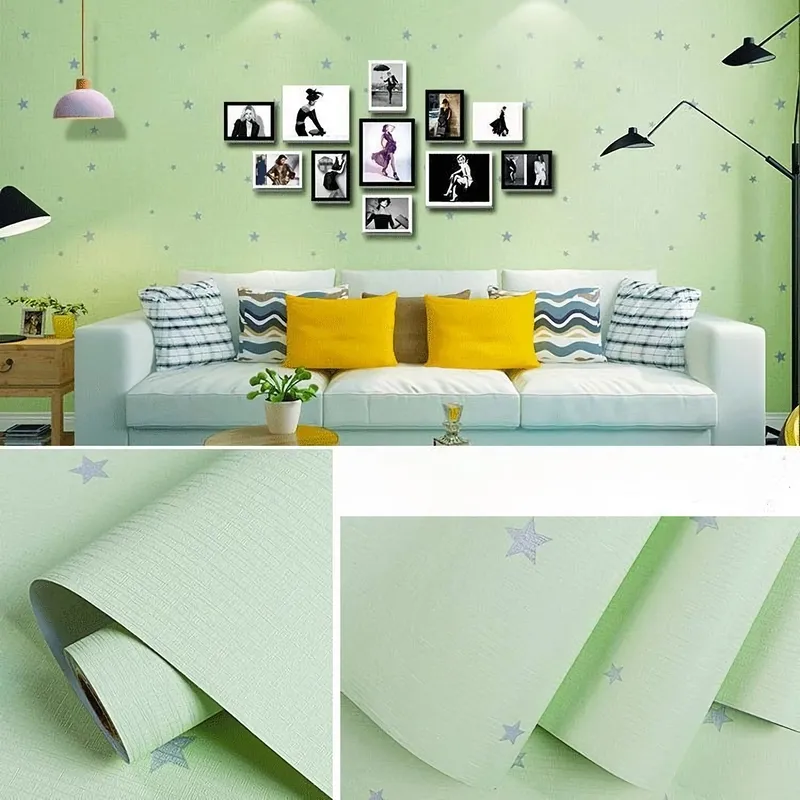
Beyond furniture, these films are transforming residential and commercial wall designs. As a high-end solid color wallpaper alternative, they offer a seamless, joint-free look when applied correctly. They are particularly popular in hotel lobbies, office partitions, and feature walls where durability and acoustic properties are valued. Unlike traditional wallpaper, PVC-based wall films resist fading and can be cleaned easily, maintaining a fresh look for years.
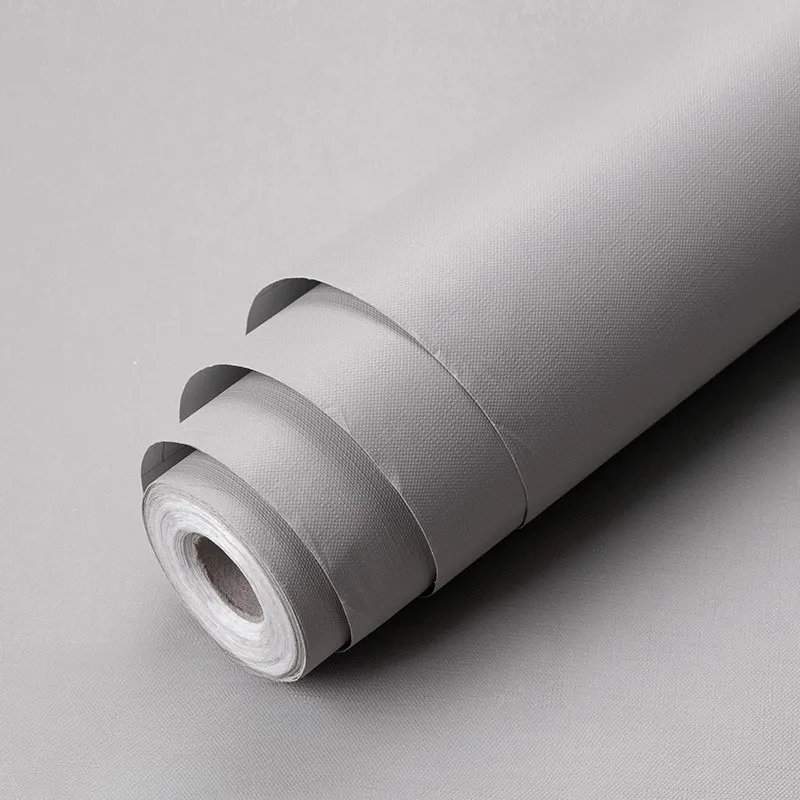
When sourcing matte solid color PVC film for professional use, understanding the technical data is essential. The performance of these films is rigorously tested to meet international standards, ensuring they withstand demanding environments. Key tests include assessments for dimensional stability under heat and resistance to impact. The table below outlines some core testing standards that guarantee the film’s quality:
| Test Category | Standard Reference | Performance Indicator |
|---|---|---|
| Dimensional Stability | PVC Film Dimensional Stability | Minimal shrinkage under thermal stress |
| Surface Gloss | Plastic Film Gloss Testing | Consistent low-gloss matte units |
| Thickness Tolerance | Plastic Film Thickness Testing | Uniform gauge from 0.10mm to 0.50mm |
Behind every high-quality film is a meticulous manufacturing operation. Our facility integrates advanced calendering lines, precision printing, and split-packaging capabilities. This full in-house production chain allows us to control everything from raw material selection to final inspection. We specialize in PVC calendered film, decorative film, and specifically, a wide range of matte and solid color films tailored for the furniture and construction industries.
One of the strongest selling points of polymer films is the design freedom they offer. While the topic here is matte solid color PVC film, the substrate can be engineered with various functional additives. For instance, specific recipes can enhance UV resistance for outdoor applications, or antimicrobial properties for medical environments. Manufacturers can also emboss subtle synchronous textures onto the matte surface, providing a tactile experience without compromising the solid color aesthetic.
Beyond solid colors, the calendering process allows for a transition into decorative patterns. If a project requires the look of natural stone, a marble film might be the perfect complement. For those seeking a tactile 3D geometric effect, options like the 3D silk texture film provide a striking alternative while still utilizing the same durable PVC base. This versatility ensures that a single supplier can cover an entire project’s surfacing needs, from matte cabinet fronts to textured feature walls.
Achieving the perfect finish depends not just on the film quality, but also on the application technique. For flat lamination onto MDF boards, vacuum membrane presses are the industry standard. The consistent gauge of a high-quality matte solid color PVC film ensures uniform heat distribution during pressing, preventing unsightly bubbles or delamination. For on-site wall applications, proper surface preparation is crucial; the substrate must be smooth, dry, and free of dust. Using a high-tack, environmentally friendly adhesive ensures a bond that will last the lifetime of the installation.
The shift towards matte surfaces reflects a broader trend towards minimalism and sensory design. In contract furniture and retail design, a matte solid color PVC film helps reduce visual noise, creating calming atmospheres. It allows silhouettes and shapes to take precedence over reflective distractions. Furthermore, the tactile softness of a matte surface adds a perceived value to products. When consumers interact with a kitchen door or a desktop graphic, the smooth, silky feel of the matte film instantly communicates quality, a distinct advantage over cold, sticky high-gloss plastics.
Modern polymer manufacturing is also aligned with global environmental goals. Many of these films are produced using calcium-zinc stabilizers and phthalate-free plasticizers, complying with strict European directives. The industry’s commitment to circularity is reflected in initiatives like the PVC Recycling and Circularity programs, which aim to minimize waste and maximize the recycling potential of post-industrial and post-consumer film waste. Choosing these materials today means supporting a more sustainable, responsible supply chain.
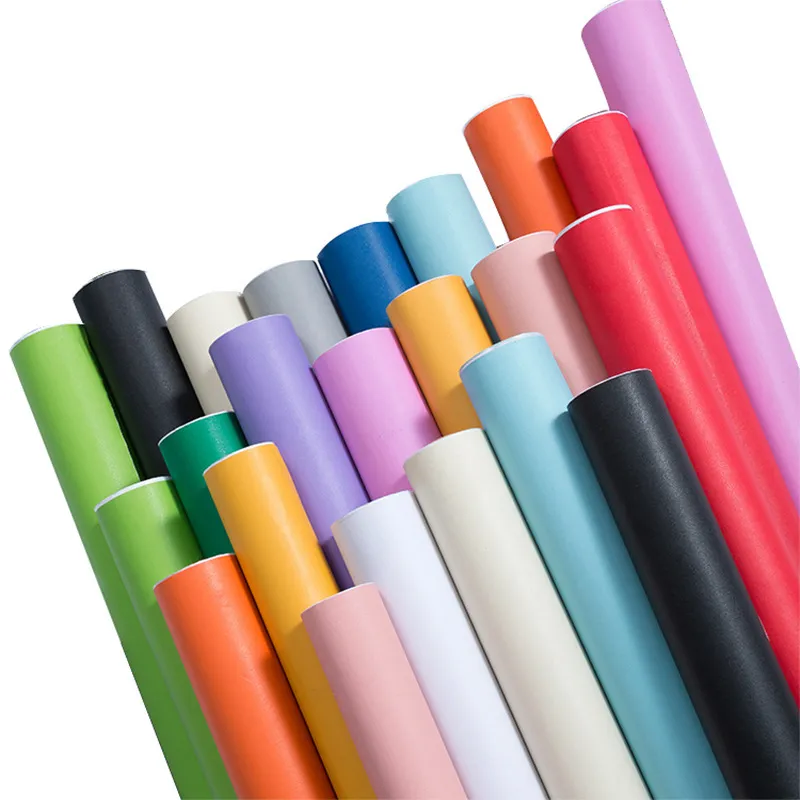
When finalizing your specification for a matte solid color PVC film, consider the following parameters to ensure the product matches your application requirements:
Integrating matte solid color PVC film into your product range or renovation project guarantees a sophisticated, durable, and cost-effective finish that will stand the test of time. By bridging the gap between high-end aesthetics and practical resilience, this material remains an essential component in the toolkit of global furniture makers and interior designers. The key to unlocking its full potential lies in partnering with a manufacturer that prioritizes material science, strict quality control, and innovative surface design.