Address
304 North Cardinal St.
Dorchester Center, MA 02124
Work Hours
Monday to Friday: 7AM - 7PM
Weekend: 10AM - 5PM
Address
304 North Cardinal St.
Dorchester Center, MA 02124
Work Hours
Monday to Friday: 7AM - 7PM
Weekend: 10AM - 5PM


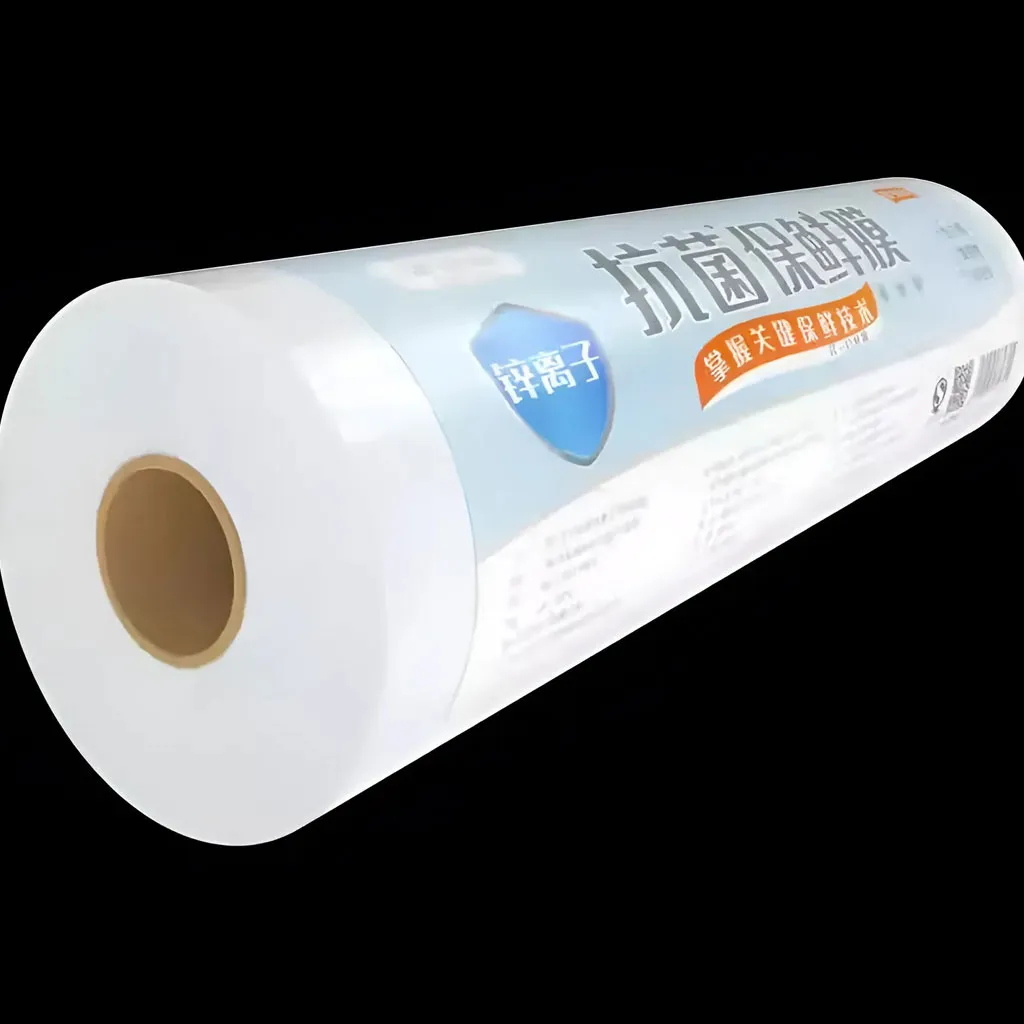
Medical-grade PVC film is a specialized material used in wound dressings, medical device packaging, isolation curtains, and other healthcare applications where biocompatibility, sterilization tolerance, and consistent performance are essential. This guide explains the key standards, safety tests, and performance requirements you should evaluate when specifying or sourcing medical-grade PVC film.
Unlike general-purpose PVC, medical-grade formulations are engineered to meet strict regulatory and clinical expectations. They must demonstrate predictable physical behavior, low extractables and leachables, resistance to sterilization processes, and compliance with international biocompatibility standards. Selecting the right film can reduce patient risk, extend device shelf life, and simplify regulatory submissions.
Typical medical applications include barrier packaging for sterile devices, transparent protective films, tubing covers, and antimicrobial surface films. Critical performance drivers are:
Medical-grade PVC films must align with several international standards and local regulatory expectations. Below is a concise overview of commonly referenced standards and what they cover.
| Standard / Regulation | Scope | Why It Matters |
|---|---|---|
| ISO 10993 series | Biocompatibility testing (cytotoxicity, sensitization, irritation, systemic toxicity) | Demonstrates material safety for contact with skin/tissue or body fluids |
| ISO 11607 | Packaging for terminally sterilized medical devices | Ensures packaging materials support sterilization integrity and shelf life |
| FDA 21 CFR & guidance | US regulatory requirements and device/material guidance | Necessary for US market clearance and device submissions |
| USP / | Biological reactivity testing for materials | Often referenced for implantable / contact applications |
| EN 13795 / ISO 14644 | Cleanroom and surgical textile/packaging considerations | Relevant for films used in surgical environments |
Look beyond a checklist—ask for full test reports showing test methods, acceptance criteria, and lab accreditation. Certificates alone are not sufficient without underlying data for extractables/leachables, cytotoxicity, and sterilization validation.
Manufacturers and purchasing teams should prioritize the following tests depending on intended use:
Specify measurable parameters in procurement documents to avoid ambiguity. Commonly requested performance specs include:
Different sterilization methods affect PVC differently: gamma irradiation can cause chain scission and discoloration; EtO requires film permeability compatibility; autoclave heat and pressure can deform some plastic films. Validate the exact sterilization method with the film supplier and include compatibility data in the technical file.
Medical device projects often require supplier traceability, material declarations, and support for regulatory dossiers. Ensure the supplier provides:
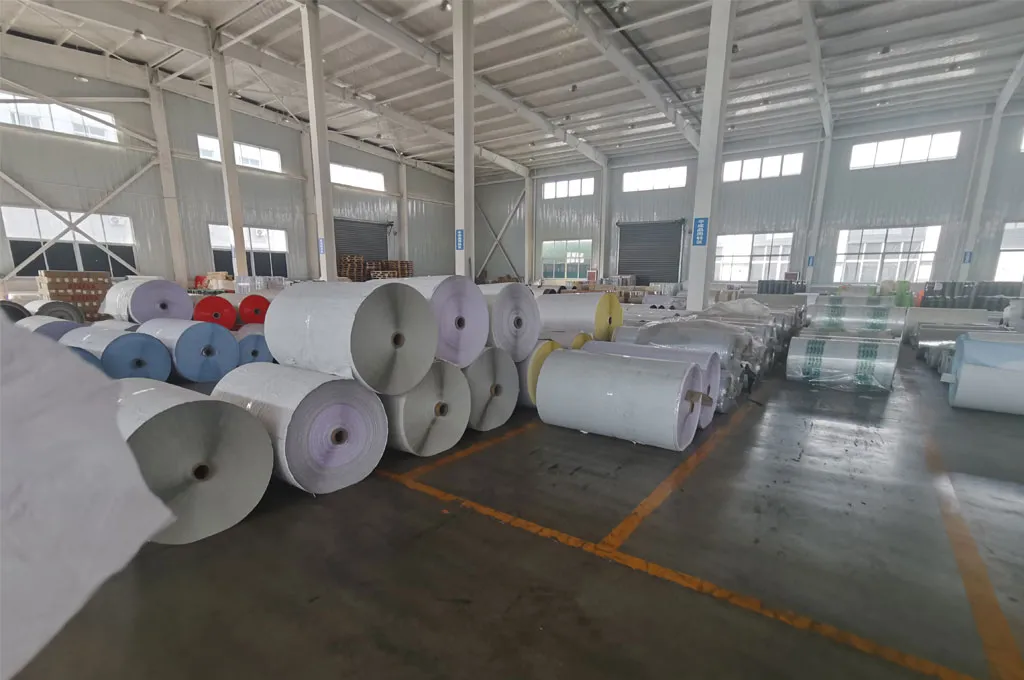
When sourcing medical-grade PVC film, assess manufacturing control, QC processes, and customization capability. Ask for on-site audits or virtual factory walkthroughs, and require sample testing under real-world conditions.
Pulivk produces calendered, printed, and split-packaged PVC films with full in-house production capabilities—offering tailored medical-grade options, multiple QC checkpoints, and experience supplying international markets.
Start early: involve material suppliers during design freeze so extractables/leachables screening and sterilization validation can run concurrently with device testing. Keep acceptance criteria measurable and aligned with regulatory expectations to prevent late-stage surprises.
At minimum, request:
If you need tailored specifications, sample testing, or regulatory support for medical-grade PVC film, include clear use-case details (contact time, sterilization method, mechanical loads) when requesting quotes—this ensures suppliers can provide relevant test data and compliant material options.