Address
304 North Cardinal St.
Dorchester Center, MA 02124
Work Hours
Monday to Friday: 7AM - 7PM
Weekend: 10AM - 5PM
Address
304 North Cardinal St.
Dorchester Center, MA 02124
Work Hours
Monday to Friday: 7AM - 7PM
Weekend: 10AM - 5PM


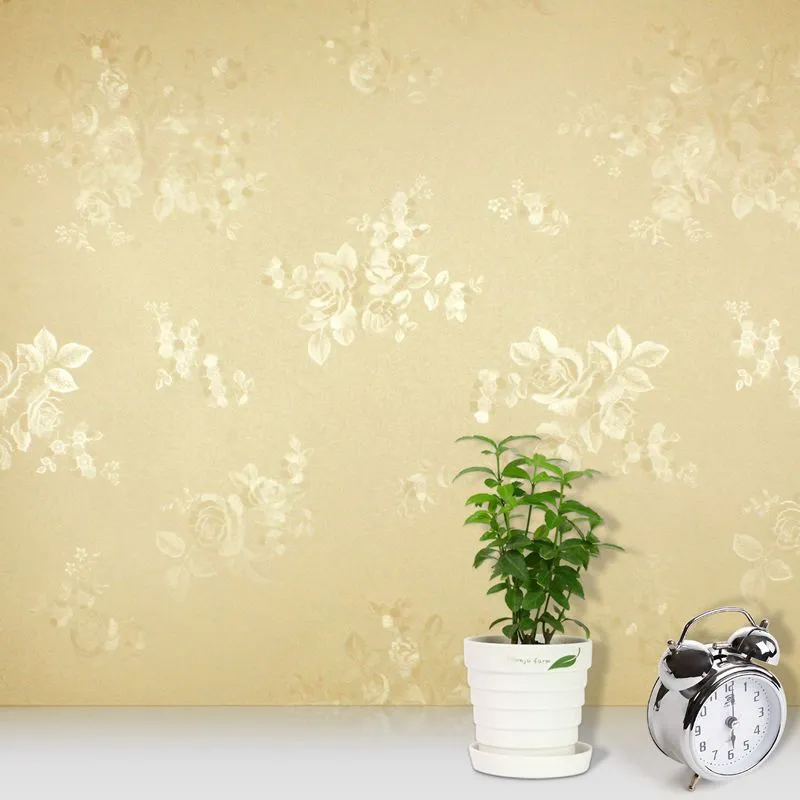
 ByPulivk
这是为您生成的一篇关于“Metallic PVC Film”(金属质感PVC薄膜)的英文SEO文章,采用HTML格式排版,专注于其用途、优势及如何选择合适的表面处理。代码结构清晰,包含了标题层级、表格对比和图文混排,以便于在您的网站上展示。
In the world of interior design and industrial surfacing, metallic PVC film has emerged as a versatile and cost-effective alternative to traditional metal laminates. Whether you’re renovating furniture or designing commercial displays, understanding this material’s potential can dramatically elevate your project’s aesthetics while keeping budgets in check.
At its core, metallic PVC film is a polymer-based decorative surfacing material that replicates the look of brushed steel, polished aluminum, copper, brass, and other metallic finishes. Unlike real metal sheets, it offers flexibility, easy application, and resistance to corrosion—making it ideal for both vertical and contoured surfaces.
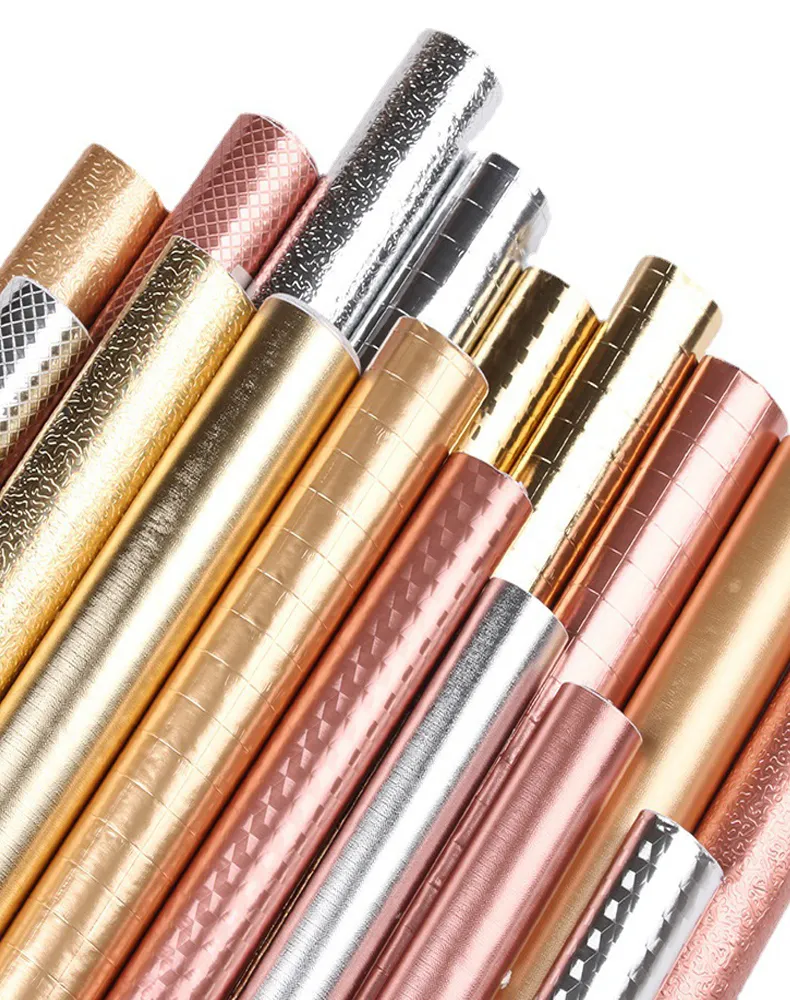
The adaptability of metallic PVC film spans numerous industries. Here are the most common areas where it delivers exceptional results:
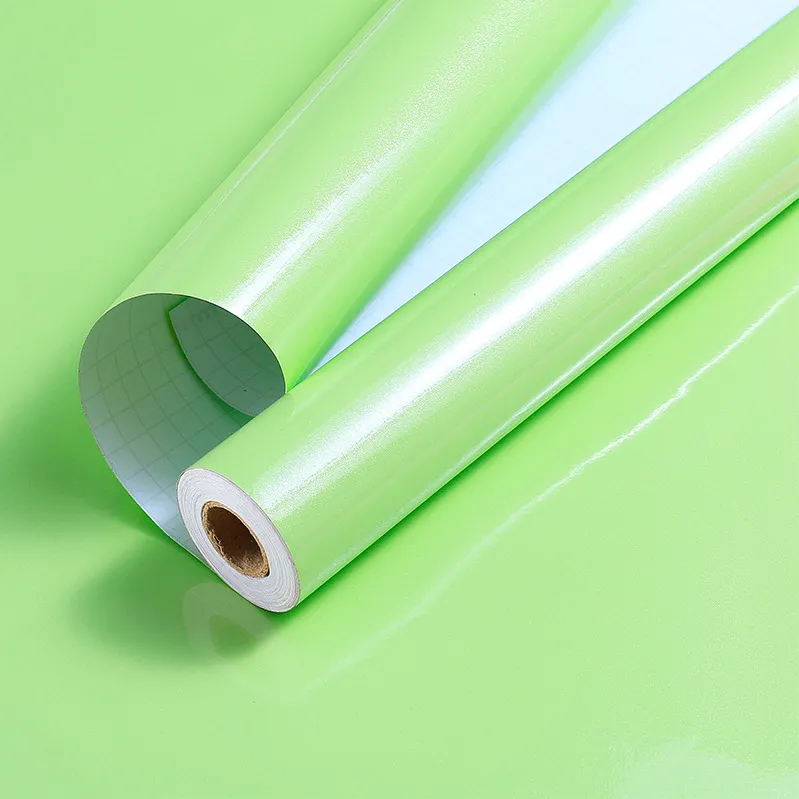
Why are designers and manufacturers increasingly turning to metallic PVC film? The advantages go far beyond surface appearance.
Real metal panels come with a hefty price tag—both in material costs and installation labor. Metallic PVC film delivers the same visual impact at a fraction of the cost. For large-scale projects, the savings can be substantial while maintaining a high-end look.
Unlike aluminum or steel sheets, metallic PVC film is thin and flexible. It can be rolled, cut, and applied with standard laminating equipment. This reduces transportation costs and simplifies on-site installation.
One major drawback of real metal is its susceptibility to rust and oxidation. Metallic PVC film is inherently resistant to moisture, chemicals, and humidity—making it suitable for kitchens, bathrooms, and even outdoor applications when properly formulated with ASTM-grade UV inhibitors.
From mirror-like high gloss to subtle brushed textures, the range of available metallic effects is extensive. Manufacturers can also customize colors, patterns, and embossing depths to match specific design briefs. This level of personalization is difficult and expensive to achieve with real metal.
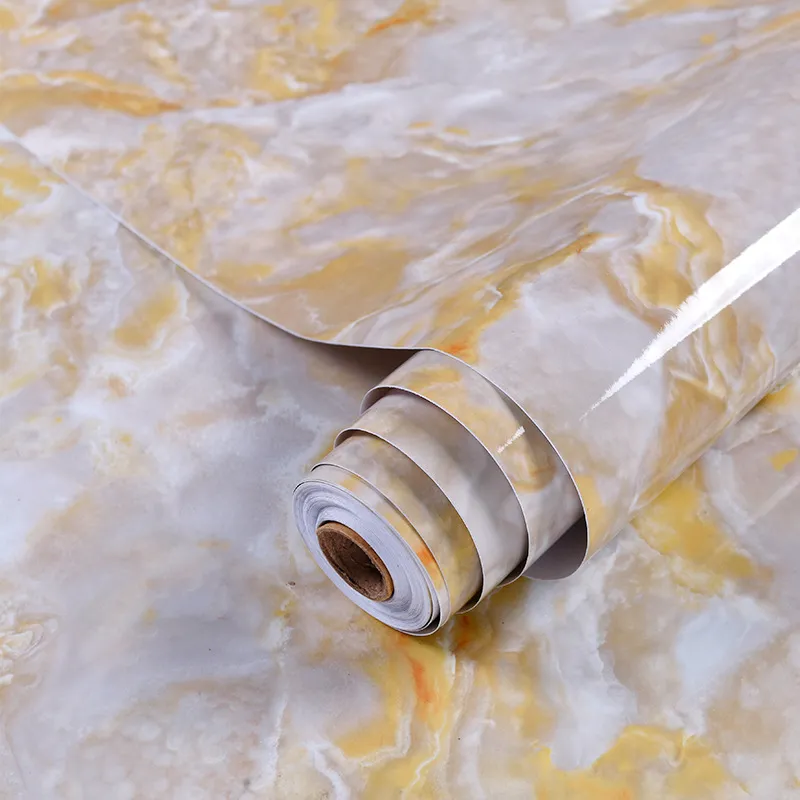
Selecting the ideal metallic PVC film involves evaluating several factors beyond just color preference. Here’s a structured approach to making the right choice.
The level of light reflection dramatically affects the perceived quality and practicality of the surface:
Beyond color, the physical texture of the film contributes significantly to its realism:
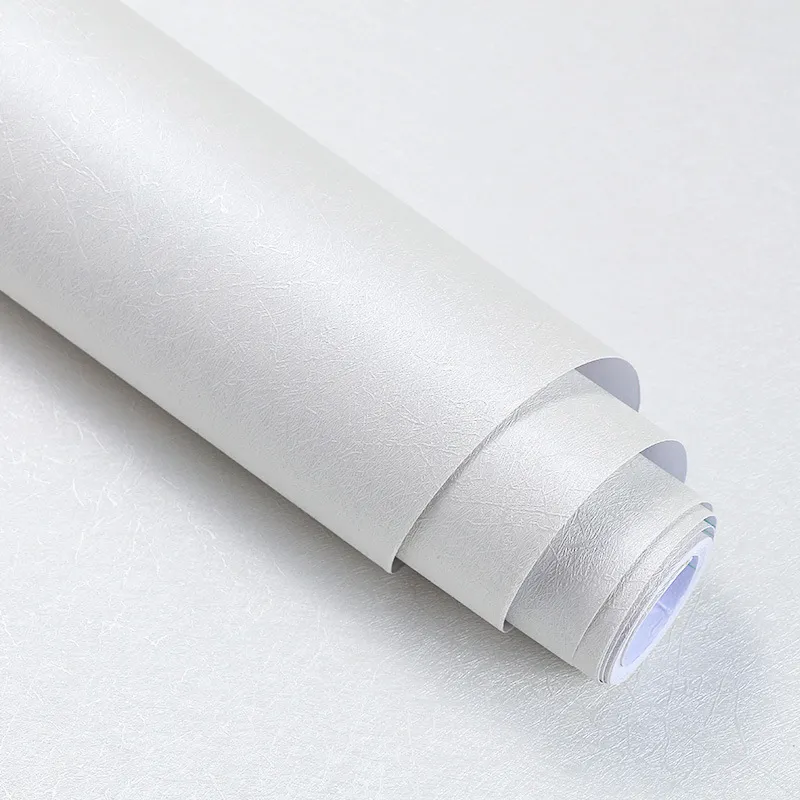
Metallic PVC film typically ranges from 0.03 mm to 0.50 mm in thickness. Thinner films are more conformable and suitable for detailed profiles, while thicker options provide better impact resistance and hide substrate imperfections more effectively. Consider the expected wear and tear of the final application when making this selection, and refer to ISO 4593 for thickness measurement guidelines.
Some metallic PVC films come with pre-applied pressure-sensitive adhesive, while others require separate lamination adhesives. Self-adhesive versions simplify installation for smaller projects, whereas films designed for industrial hot-press lamination offer stronger, more permanent bonding on MDF, plywood, and composite panels.
| Finish Type | Gloss Level | Best Applications | Durability Rating |
|---|---|---|---|
| Brushed Steel | Matte to Semi-gloss | Appliances, office furniture, automotive trim | High |
| Polished Chrome | High Gloss | Decorative accents, retail displays, lighting fixtures | Medium |
| Copper Patina | Matte | Art installations, hospitality interiors, ceiling panels | Medium-High |
| Hammered Brass | Semi-gloss | Luxury furniture, bar fronts, decorative columns | High |
| Mirror Silver | Ultra High Gloss | Feature walls, exhibition stands, cosmetic displays | Low-Medium |
Achieving a flawless finish with metallic PVC film requires attention to surface preparation and application technique. Follow these guidelines for optimal results:
Modern metallic PVC film formulations have evolved significantly. Many manufacturers, including Henan Pulivk New Materials Co., Ltd., now offer lead-free and phthalate-free options that comply with REACH and RoHS regulations. When sourcing films, request documentation confirming compliance with relevant environmental standards, especially for applications involving food contact or children’s products.
The PVC Circular Economy initiatives have also driven improvements in recyclability. Post-industrial scrap from metallic PVC film production can be reprocessed, reducing overall environmental footprint while maintaining material performance.
Proper care extends the lifespan of metallic PVC film surfaces considerably:
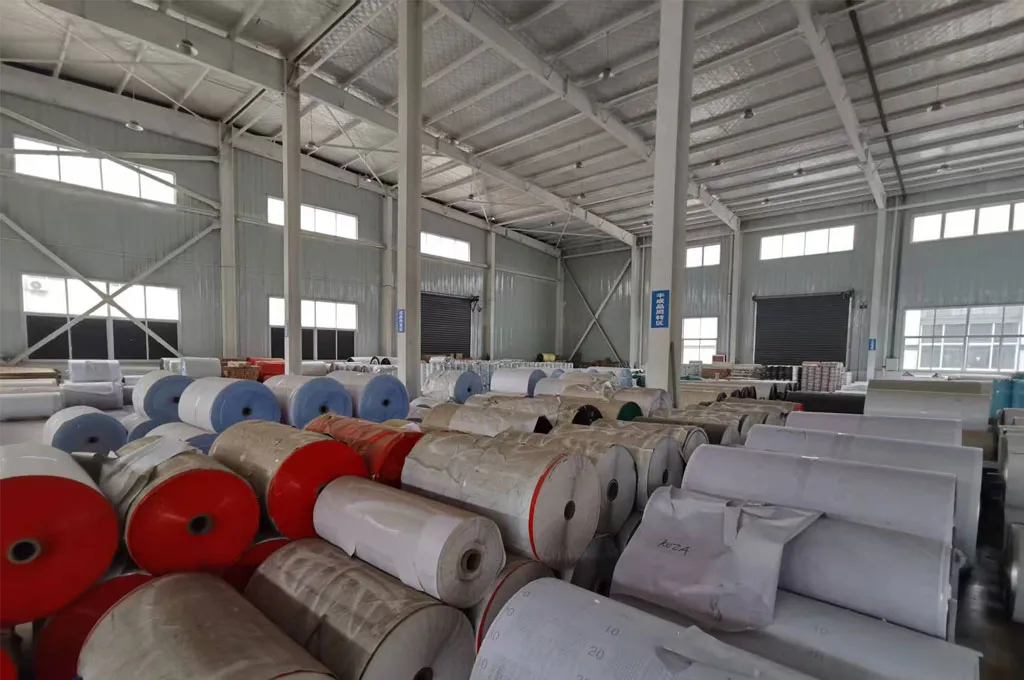
Choosing the right metallic PVC film ultimately comes down to balancing aesthetic goals with practical requirements. A film that looks stunning in a showroom may not withstand the rigors of a busy commercial kitchen. Conversely, an ultra-durable option might lack the visual refinement needed for a luxury retail environment.
Request samples whenever possible. Test them under the lighting conditions of the intended space, and evaluate how the metallic effect shifts at different viewing angles. This hands-on assessment, combined with the technical criteria outlined above, ensures you select a film that performs as beautifully as it looks.
For projects requiring custom metallic PVC film solutions—whether in unique colors, embossing patterns, or adhesive specifications—consulting directly with an experienced manufacturer opens doors to tailored products that off-the-shelf options simply cannot match.