Address
304 North Cardinal St.
Dorchester Center, MA 02124
Work Hours
Monday to Friday: 7AM - 7PM
Weekend: 10AM - 5PM
Address
304 North Cardinal St.
Dorchester Center, MA 02124
Work Hours
Monday to Friday: 7AM - 7PM
Weekend: 10AM - 5PM


 ByPulivk
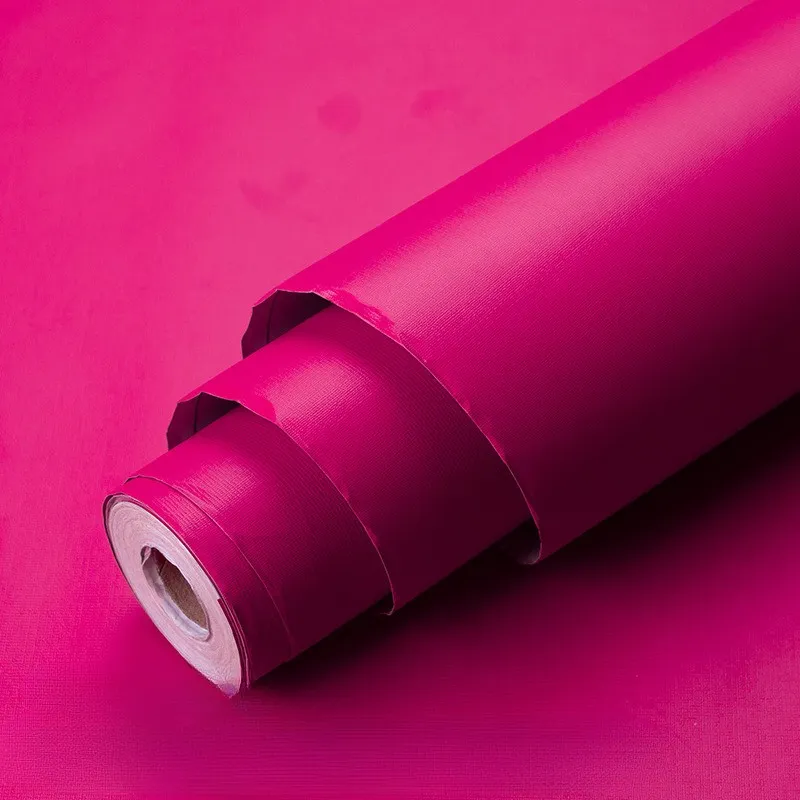
Understanding micron PVC film is essential for industries ranging from furniture manufacturing to construction and packaging. The thickness of the film, measured in microns, dictates its durability, flexibility, and application suitability. This guide breaks down the key thickness ranges, their primary uses, and how to select the optimal film for your project needs.
A micron (µm) is a unit of length equal to one-thousandth of a millimeter. In the context of PVC film, this measurement directly correlates to the material’s strength, opacity, and handling characteristics. Standard PVC film thicknesses typically range from as thin as 30 microns for lightweight wrapping to over 500 microns for heavy-duty industrial flooring. Choosing the wrong micron level can lead to premature wear, difficult application, or unnecessary costs. Testing standards such as Plastic Film Thickness Testing are critical to ensuring the film meets the specified micron pvc film criteria before use.
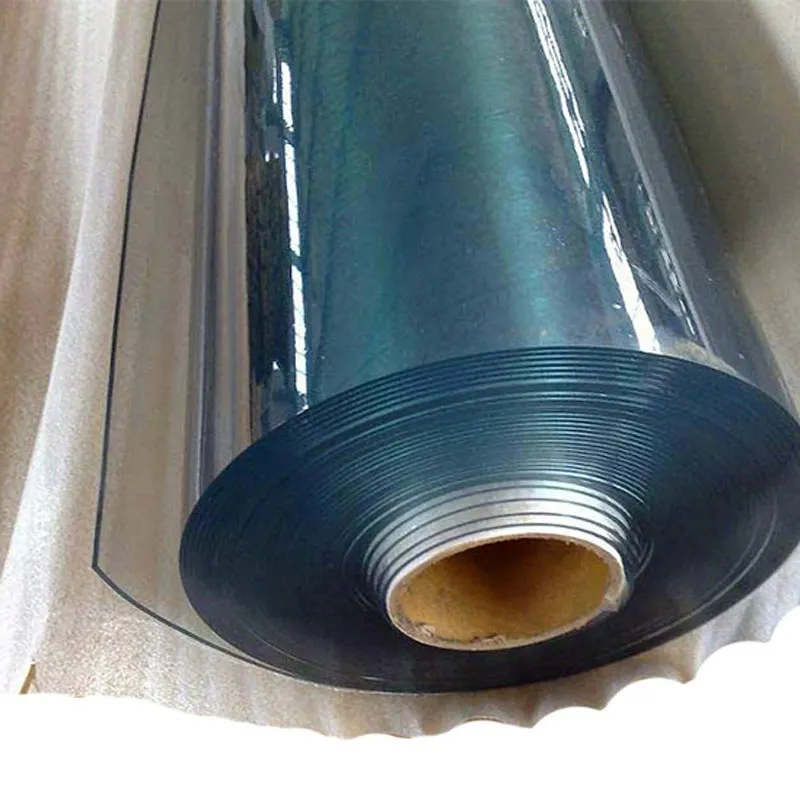
Selecting the right gauge is a balance between performance and economy. Below is a detailed breakdown of common micron ranges and where they excel. The physical properties of these films, such as Plastic Film Tear Testing resistance, vary significantly between these grades.
| Thickness (Microns) | Key Characteristics | Common Applications |
|---|---|---|
| 30 – 80 Microns | Thin, highly flexible, often transparent | Food wrapping, PVC film for packaging, protective masking |
| 100 – 200 Microns | Moderate thickness, easy to handle, printable | Decorative surfaces, Wood Grain Film, self-adhesive stickers |
| 200 – 350 Microns | Durable, good dimensional stability | Furniture laminates, wall coverings, Marble Film |
| 350 – 500+ Microns | Rigid, high abrasion resistance | Commercial Floor Film, industrial barriers, skirting boards |
Different sectors require micron pvc film tailored to specific mechanical stresses. The PVC Film Dimensional Stability is particularly vital in laminated applications to prevent warping. Here is where specific thicknesses shine:
Films in this bracket are optimized for clarity and heat sealing. Products like transparent Calendered Film are widely used for shrink wrapping and stationery packaging. The low micron count ensures minimal material usage while maintaining essential barrier properties against dust and moisture.
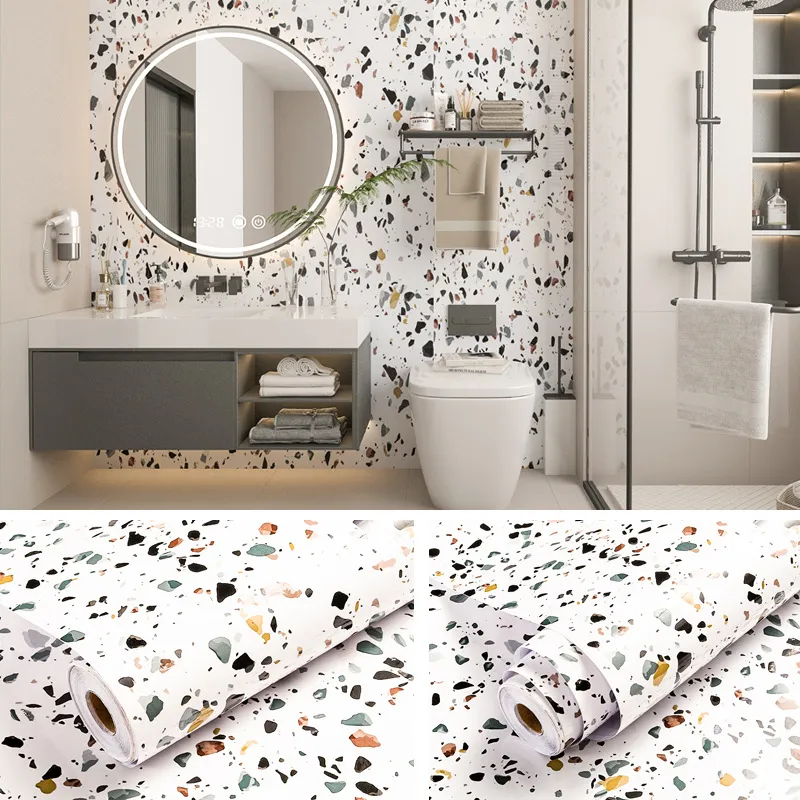
This is the most versatile range for surface aesthetics. It provides the backbone for a realistic 3D texture feel. For upgradation projects, 3D Silk Texture Film provides a premium finish to wardrobes and panels without the bulk of heavy laminates. The thickness ensures the pattern does not stretch out of recognition during vacuum pressing.
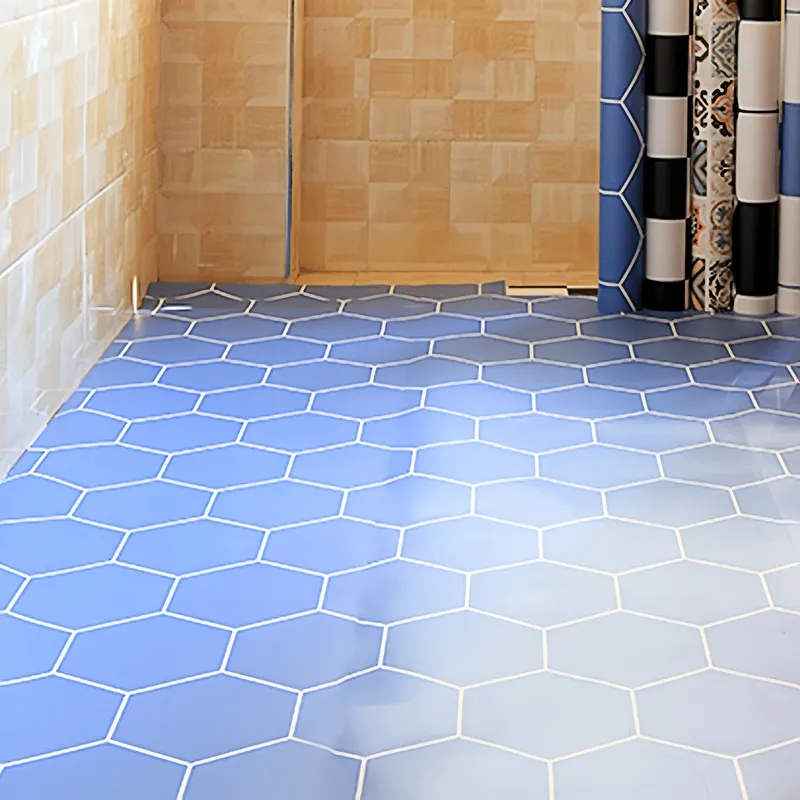
High-traffic areas demand maximum toughness. Floor films in this category resist tearing and scuffs. The formulation often includes a highly durable wear layer to maintain gloss under repeated cleaning. Ensuring the Plastic Film Tear Resistance is adequate prevents catastrophic failure once the film is installed.
The decision should be driven by the intended substrate, life expectancy, and cost constraints. Here are the primary factors to evaluate:
A common mistake is pairing a high-quality film with an incompatible adhesive. For construction-grade materials like micron PVC film used on skirting, ensure that the pressure-sensitive adhesive maintains a high bond across the entire temperature range of the room. Additionally, the ISO Film Thickness Standard should be consulted to ensure your supplier maintains tight tolerances across the roll, as variations can cause machine jams during automated lamination.
Consistency in production is the hallmark of a reliable factory. At Henan Pulivk New Materials Co., Ltd., we control the calendering process from raw compound mixing to final slitting, enabling us to supply a precise micron pvc film gauge with a variance of less than 5%. Whether you need a standard wood grain for cabinets or a custom 3D silk texture for high-end interior walls, our integrated production lines ensure you receive films that meet global durability and safety benchmarks.
By understanding the nuanced relationship between a film’s micron rating and its real-world performance, you can significantly improve product longevity and customer satisfaction while optimizing your material budget.