Address
304 North Cardinal St.
Dorchester Center, MA 02124
Work Hours
Monday to Friday: 7AM - 7PM
Weekend: 10AM - 5PM
Address
304 North Cardinal St.
Dorchester Center, MA 02124
Work Hours
Monday to Friday: 7AM - 7PM
Weekend: 10AM - 5PM



 ByPulivk
Nanya PVC film has become a cornerstone material across South Asia’s booming construction, furniture, and interior design industries. From Dhaka to Mumbai, architects and contractors increasingly rely on Nanya PVC film for its exceptional balance of aesthetics, durability, and cost-effectiveness. Whether you are renovating a residential apartment in Karachi or outfitting a commercial showroom in Colombo, understanding the full scope of this versatile material is essential for making informed procurement decisions.
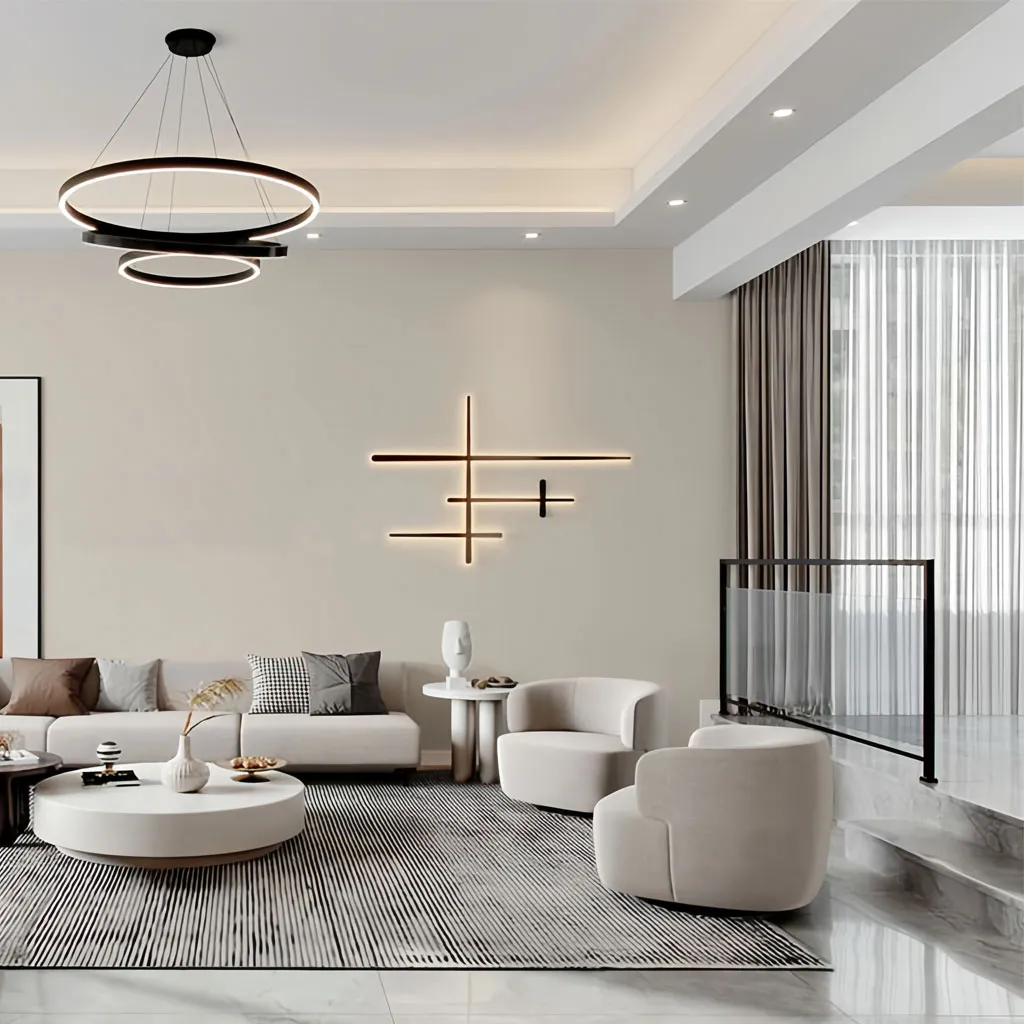
Nanya PVC film refers to high-quality polyvinyl chloride sheeting manufactured through advanced calendering or extrusion processes. Widely recognized for consistent gauge control and surface finish, these films serve as decorative surfacing solutions for furniture, wall panels, ceilings, doors, and flooring systems. In South Asian markets where humidity and temperature fluctuations pose constant challenges, the dimensional stability of Nanya PVC film makes it a preferred choice over traditional laminates.
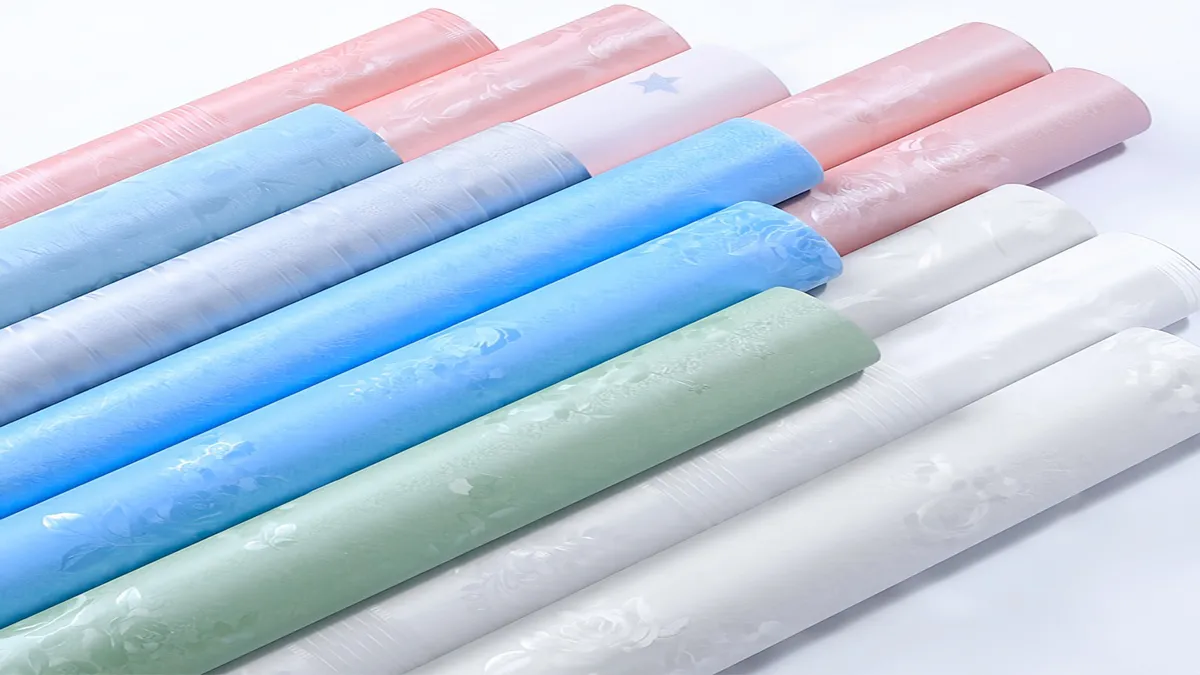
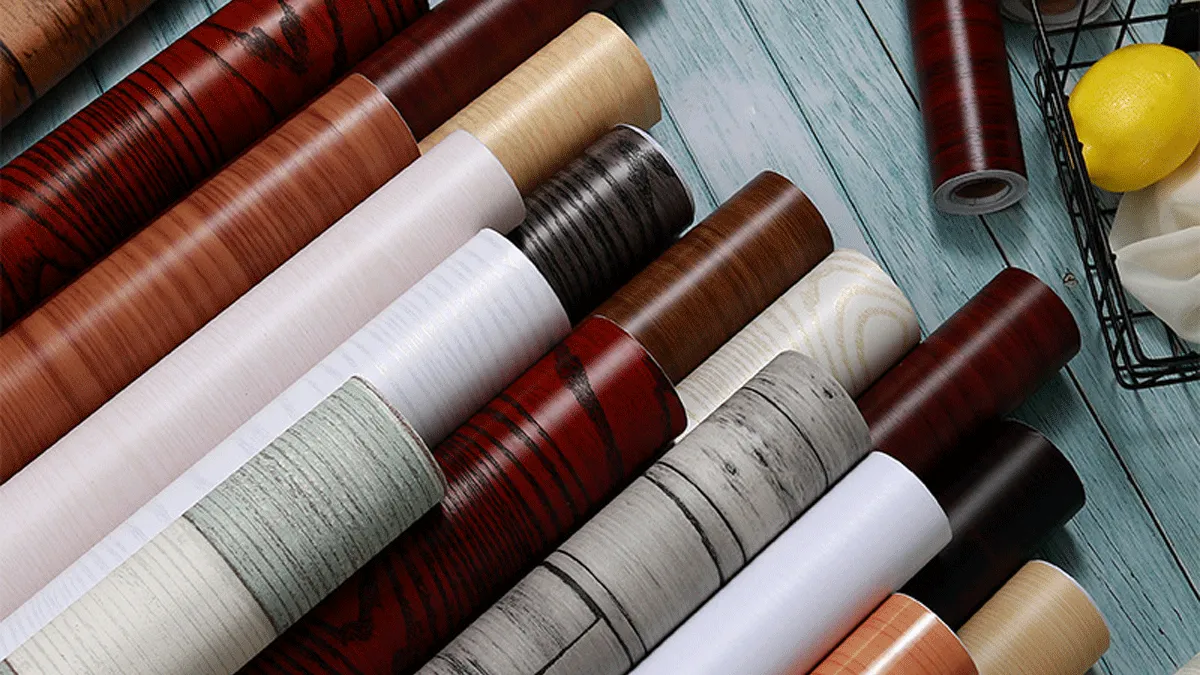
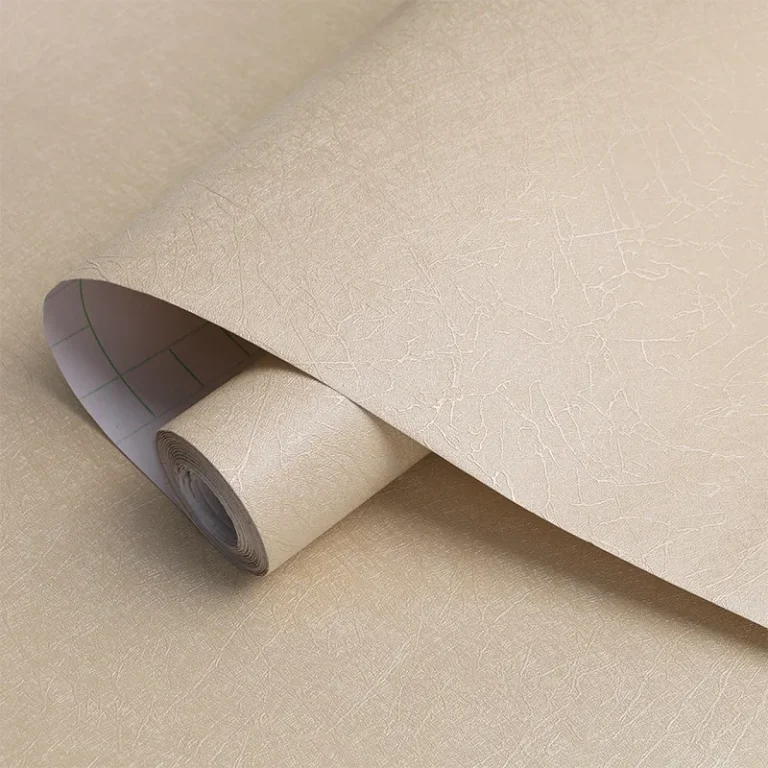
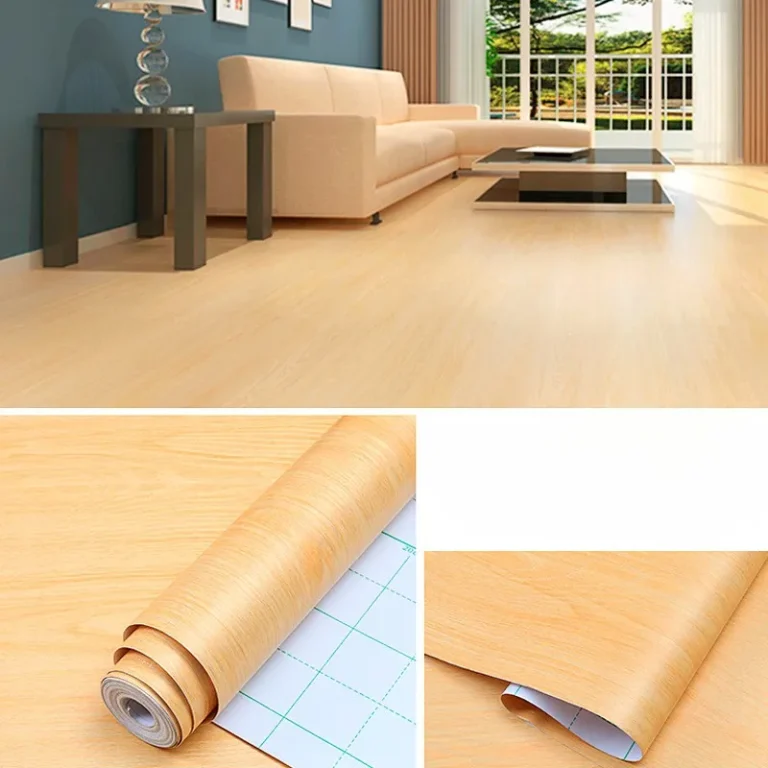
The material is available in an extensive array of textures, patterns, and colors. Popular variants include wood grain film, solid color film, high-gloss finishes, and matte surfaces. Many suppliers also offer specialty films with anti-scratch, anti-static, or UV-resistant properties, meeting the diverse demands of South Asian residential and commercial projects.
The adaptability of Nanya PVC film has driven its adoption across multiple sectors. In South Asia’s rapidly urbanizing landscape, the material appears in numerous everyday settings. Below are the primary application areas where this film excels.
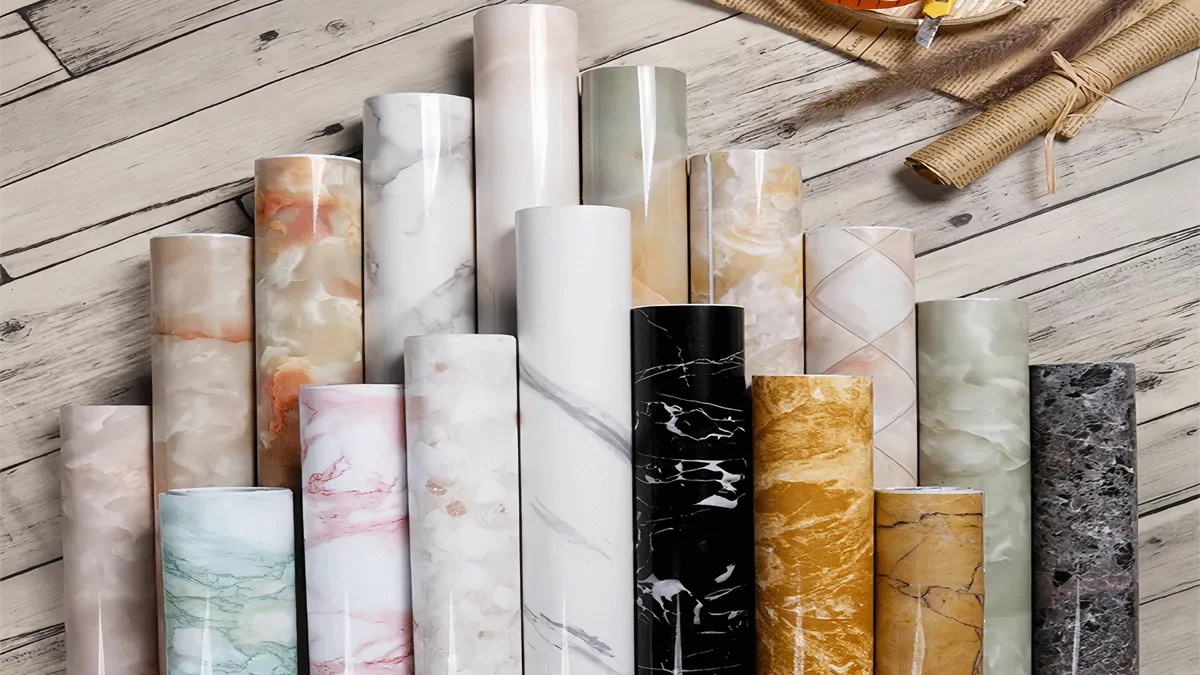
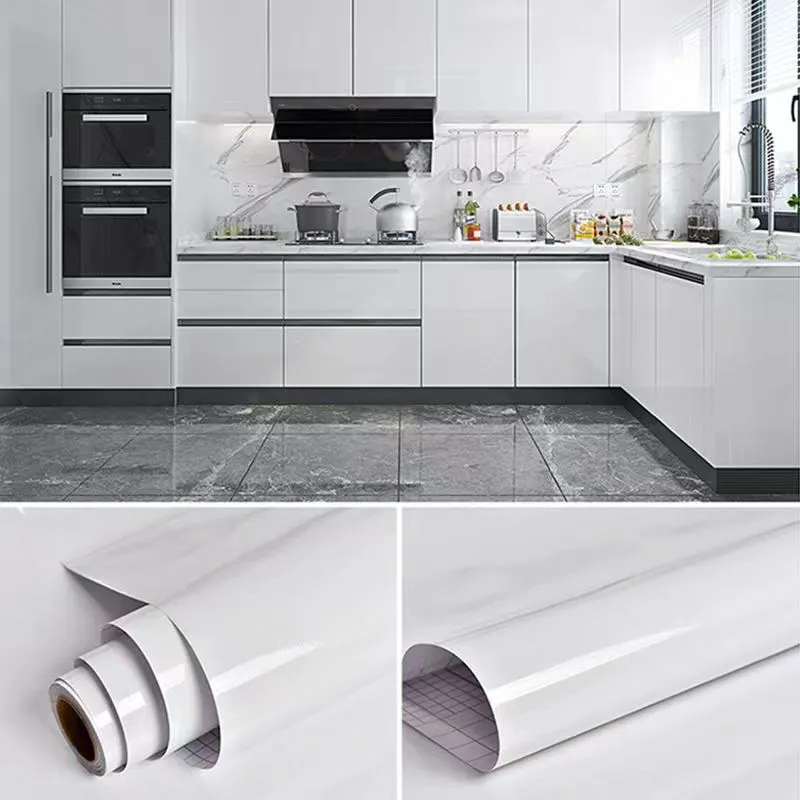
South Asian furniture manufacturers extensively use Nanya PVC film for surfacing MDF, particleboard, and plywood substrates. The film wraps seamlessly around edges and profiles, creating realistic wood textures without the environmental impact of harvesting hardwood. Popular furniture applications include bedroom wardrobes, kitchen cabinets, office desks, and retail display fixtures. The marble film variant is particularly sought after for luxury furniture pieces in high-end markets like Mumbai and Bangalore.
Wall decoration represents one of the fastest-growing application segments in South Asia. Nanya PVC film provides a clean, modern alternative to paint and wallpaper, offering superior washability and resistance to scuffing. In humid coastal regions such as Chennai and Chittagong, the moisture-resistant properties of these films prevent mold growth and peeling—common failure points of conventional wall coverings. Decorative wall panels clad with PVC film can mimic stone, concrete, or fabric textures at a fraction of the cost.
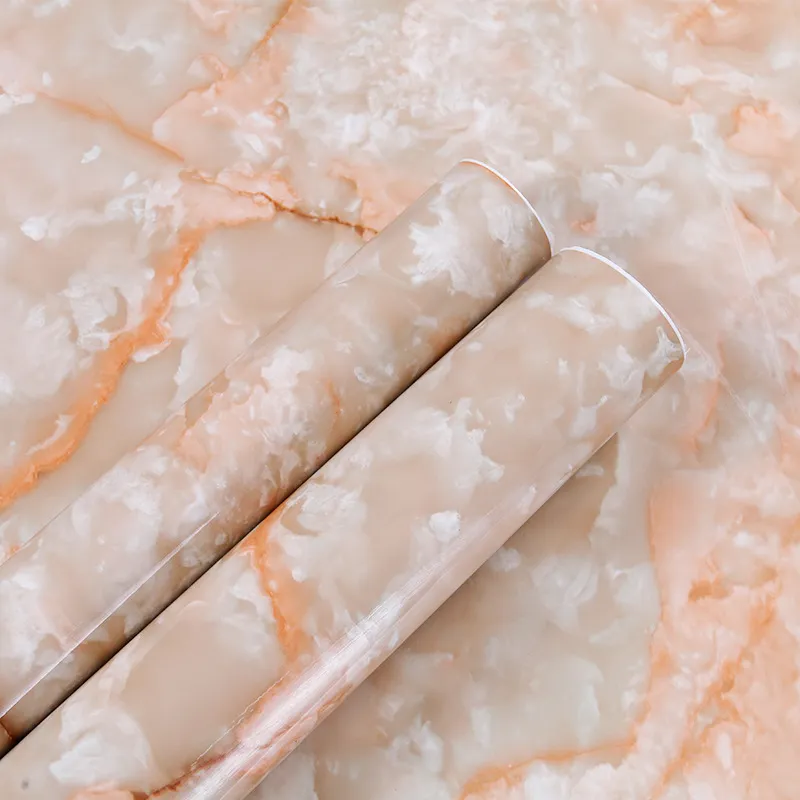
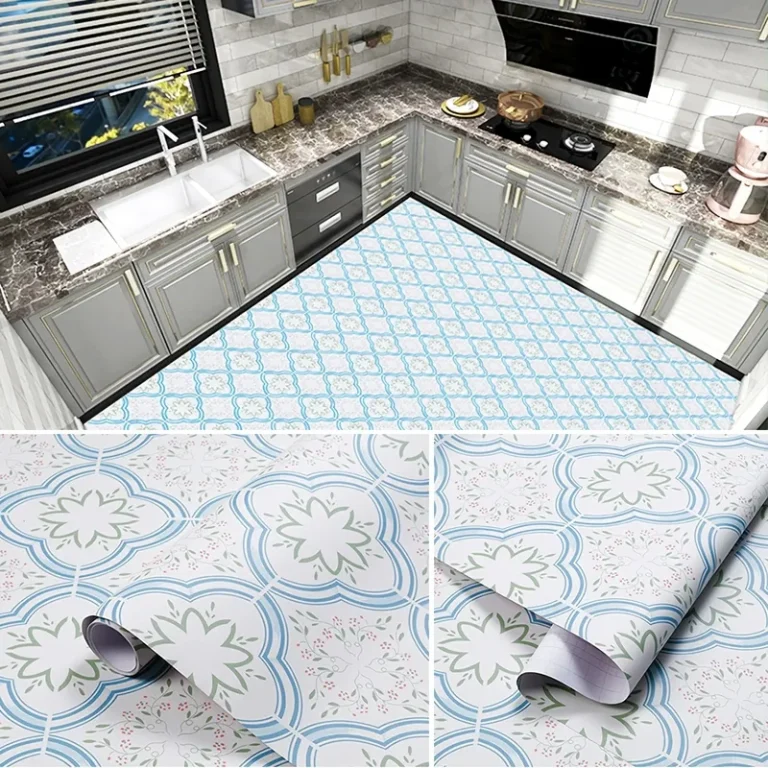
Vinyl flooring enhanced with Nanya PVC film has gained significant traction in South Asian residential and light commercial spaces. Products such as floor film offer realistic wood plank and stone tile visuals combined with comfortable underfoot feel. The film’s wear layer protects against scratches from heavy foot traffic, making it ideal for busy households and retail environments throughout the region.
PVC skirting films and door wraps provide a cohesive aesthetic in South Asian interior projects. Matching skirting lines, door frames, and architraves with the main furniture finish creates a unified design language. These films resist impact damage from vacuum cleaners, mops, and everyday knocks, maintaining their appearance over years of service.
Understanding the specific benefits that Nanya PVC film delivers helps procurement managers and project specifiers justify material selection. The following table summarizes key performance attributes relevant to South Asian climatic and economic conditions.
| Benefit | Description | Relevance to South Asia |
|---|---|---|
| Moisture Resistance | Non-porous surface prevents water absorption | Critical for monsoon-prone regions |
| Cost Efficiency | Lower material and installation costs vs. natural materials | Suits price-sensitive South Asian markets |
| Design Versatility | Thousands of colors, patterns, and textures available | Meets diverse regional aesthetic preferences |
| Easy Maintenance | Wipe-clean surface, no polishing required | Ideal for dusty urban environments |
| Durability | Resistant to scratches, stains, and fading | Withstands high-usage in large households |
Beyond these practical advantages, Nanya PVC film aligns with growing sustainability awareness in South Asia. Many formulations comply with international environmental standards, including REACH restrictions and RoHS directives, ensuring safe indoor air quality. The material’s long service life also reduces replacement frequency, contributing to lower lifecycle environmental impact.
When sourcing Nanya PVC film for South Asian projects, specifiers should pay close attention to these technical parameters. Proper specification ensures the selected film performs as expected under local environmental conditions.
| Specification Parameter | Typical Range | Notes |
|---|---|---|
| Thickness | 0.03 mm – 0.50 mm | Thicker films suit flooring; thinner for furniture wrapping |
| Width | Up to 1500 mm | Wider rolls reduce seam lines on large panels |
| Surface Finish | Glossy, Matte, Soft-Touch, Embossed | Choose based on end-use and aesthetic requirement |
| Adhesive Type | Self-adhesive or plain backing | Self-adhesive simplifies installation for DIY projects |
| UV Resistance | Standard or UV-stabilized grades | Essential for outdoor or sun-exposed applications |
Adherence to international testing standards provides assurance of quality. Reputable Nanya PVC film suppliers test their products according to ASTM D1593 for nonrigid vinyl chloride plastic sheeting, ASTM D882 for tensile properties, and ASTM D2457 for specular gloss measurement. Request test reports from your supplier to verify compliance with these benchmarks.
South Asian buyers can select from a comprehensive product range tailored to different applications. The following categories represent the most frequently ordered Nanya PVC film types in the region.
Procuring Nanya PVC film for projects in South Asia requires careful planning to ensure product suitability, cost efficiency, and timely delivery. Below is a structured approach that importers, distributors, and large-scale end-users can follow.
Start by documenting the exact specifications you need. Consider the substrate material (MDF, plywood, metal, glass), the application environment (indoor, outdoor, high-humidity), the required thickness and width, the desired surface texture and finish, and any specific performance requirements such as flame retardancy or antimicrobial properties. Clear specifications prevent costly ordering errors and ensure the supplier can match your needs precisely.
Never commit to a bulk order without first evaluating physical samples. Test the film on your actual substrate under your workshop conditions. Assess adhesion, heat resistance during lamination, and the final appearance after processing. For South Asian buyers, it is especially important to test performance under local humidity and temperature conditions, which can differ significantly from the supplier’s testing environment.
Request documentation confirming compliance with relevant international standards. Key certifications to look for include ISO 9001 for quality management systems, test reports aligned with ASTM or ISO methods, and environmental compliance documents such as RoHS and REACH declarations. For flooring applications, confirm that the product meets ISO 10581 specifications for homogeneous PVC floor coverings.
Standard Nanya PVC film products typically have minimum order quantities around 3,000 square meters per design, though this varies by supplier. Custom colors or specialty films may require higher MOQs. Discuss lead times upfront, factoring in ocean freight transit times to South Asian ports such as Chittagong, Colombo, Karachi, or Mumbai. Working with a supplier that maintains buffer stock can significantly reduce delivery timelines.
Proper packaging is crucial for protecting PVC film during long-distance shipping to South Asia. Ensure your supplier uses moisture-resistant wrapping, sturdy cartons, and palletized loading. Split-packaging services—where full rolls are cut into smaller, fixed-length rolls and individually wrapped—can simplify distribution and reduce waste at the point of use.
Successful application of Nanya PVC film depends on proper surface preparation and the right lamination technique. The following guidelines help South Asian fabricators achieve professional results consistently.
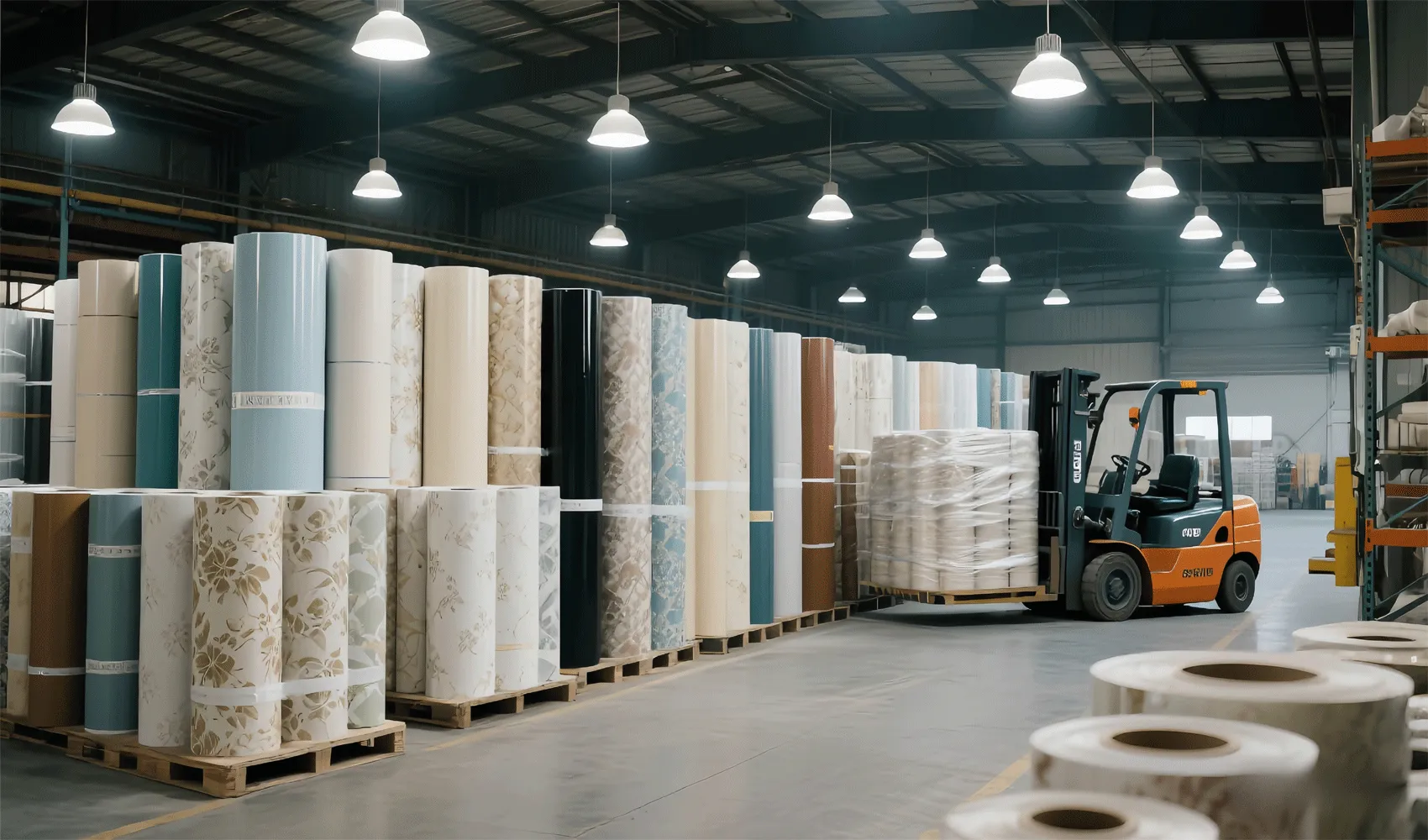
South Asian buyers benefit from partnering with manufacturers who offer comprehensive production capabilities. Henan Pulivk New Materials Co., Ltd. exemplifies the kind of integrated supplier that streamlines the procurement process—operating in-house calendering lines, printing lines, and split-packaging lines to maintain quality control from raw material processing through finished packaging. This full-spectrum production capability ensures consistent product quality, competitive pricing, and reliable delivery schedules for importers across South Asia.
When evaluating potential suppliers, look for full in-house production capability, flexible OEM and customization services, documented quality control procedures, export experience to South Asian markets, and responsive technical support. A supplier that controls the entire manufacturing chain can typically offer better pricing and faster lead times than intermediaries or trading companies.
For most furniture applications, a thickness of 0.12 mm to 0.20 mm provides an excellent balance of conformability and durability. Thicker films up to 0.30 mm may be preferred for high-wear surfaces such as desk tops and cabinet doors.
Yes. The moisture-resistant properties of PVC film make it suitable for bathroom vanities, kitchen cabinets, and other high-humidity environments. Ensure proper edge sealing to prevent moisture ingress at joints and cut edges.
PVC film generally offers a lower material cost per square meter compared to high-pressure laminates, and the application process can be faster and less labor-intensive, further reducing overall project costs.
Yes, many manufacturers offer fire-retardant formulations that comply with building code requirements for interior materials. Specify your fire rating requirements when requesting quotations to ensure the appropriate grade is supplied.
When stored properly in a cool, dry environment away from direct sunlight, PVC film typically has a shelf life of 12 to 24 months. Always check the manufacturer’s recommendations and use older stock first to maintain inventory freshness.