Address
304 North Cardinal St.
Dorchester Center, MA 02124
Work Hours
Monday to Friday: 7AM - 7PM
Weekend: 10AM - 5PM
Address
304 North Cardinal St.
Dorchester Center, MA 02124
Work Hours
Monday to Friday: 7AM - 7PM
Weekend: 10AM - 5PM


 ByPulivk
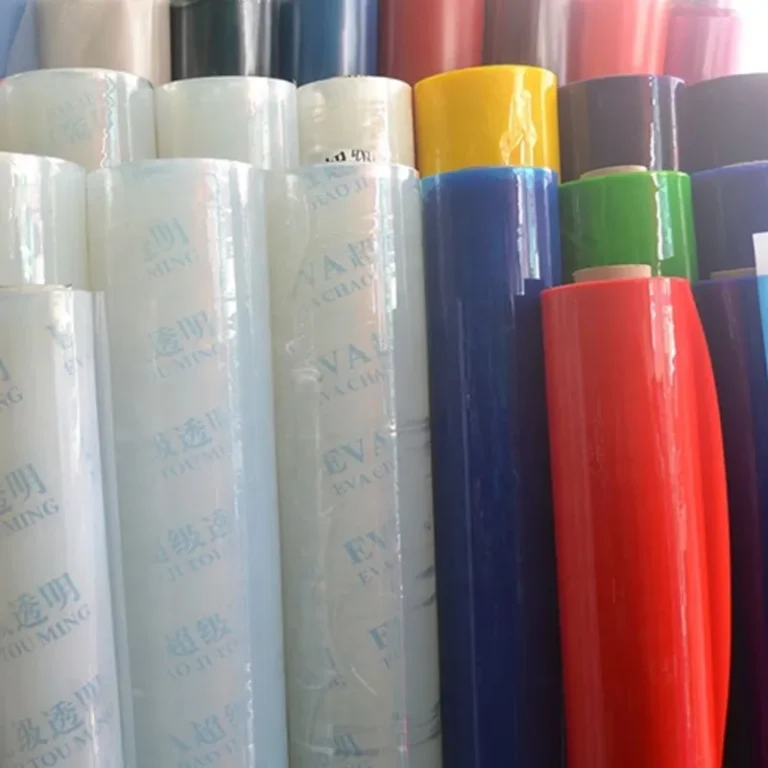
When sourcing materials for packaging, lamination, or protective applications, normal clear PVC film stands out as one of the most versatile and cost-effective solutions available. Its unique combination of transparency, flexibility, and durability makes it a preferred choice across industries ranging from stationery to industrial manufacturing. Understanding its properties and applications is the first step toward optimizing your supply chain and product performance.
Normal clear PVC film is a thermoplastic polymer sheet produced primarily through calendering or extrusion processes. Unlike rigid PVC, this film is soft, flexible, and crystal clear, offering excellent light transmission. It is unplasticized or semi-plasticized depending on the end-use requirement, providing a balance between strength and pliability without compromising on visual clarity.
The adaptability of clear PVC film allows it to serve a wide range of functional and aesthetic purposes. Below are the most common sectors where it plays a critical role.
One of the largest markets for clear PVC film is packaging. It is frequently used to manufacture transparent boxes, blister packs, and envelope windows. Its high gloss and clarity enhance product visibility, while its formability ensures secure containment. In stationery, you will find it in report covers, ring binder overlays, and book binding.
For industries needing surface durability, cold and hot lamination films are indispensable. Normal clear PVC film provides a scratch-resistant layer over printed materials, photo albums, and ID cards, extending their lifespan significantly. It also acts as a protective masking during transportation and assembly in the automotive and electronics sectors.
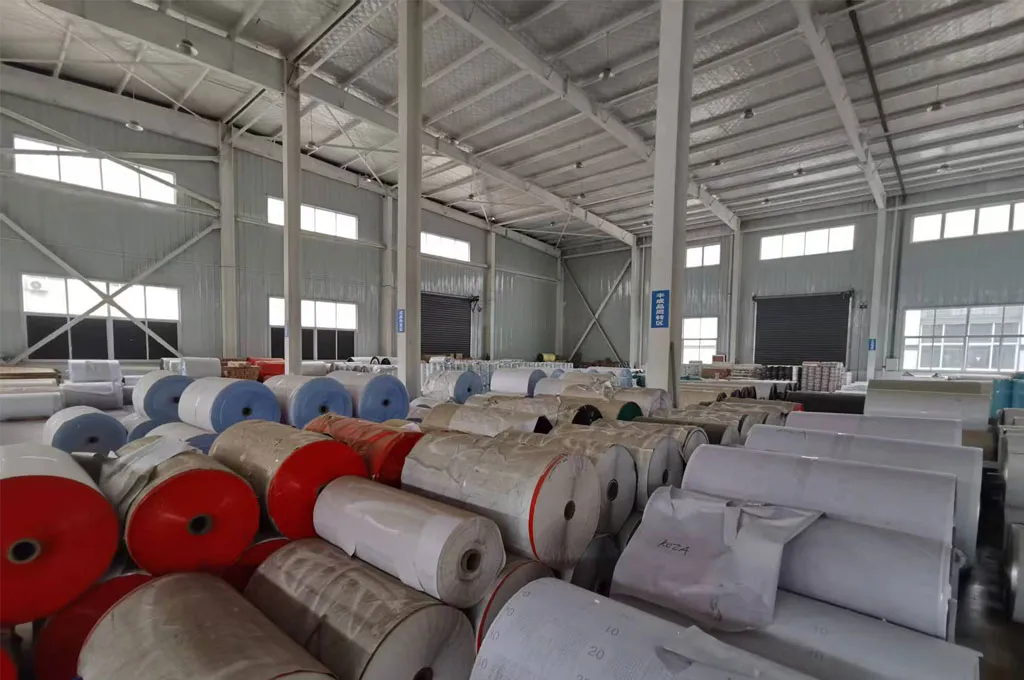
Due to its easy sterilization and fluid resistance, clear PVC film is utilized in medical device packaging, fluid bags, and sterile barrier systems. Specific formulations meet strict regulatory requirements for cleanliness and low toxicity.
To ensure you select the right material for your project, you must evaluate the technical parameters. Normal clear PVC film is manufactured to meet rigorous international standards, ensuring consistent mechanical and optical properties.
| Property | Typical Value | Testing Standard |
|---|---|---|
| Thickness Range | 0.03 mm – 0.50 mm | ISO Film Thickness Standard |
| Width Max | 1500 mm | Custom Slitting |
| Tensile Strength | MD: 20 – 45 MPa | Plastic Film Tensile Testing |
| Elongation at Break | 150% – 350% | ASTM D882 |
| Light Transmittance | ≥ 90% | Plastic Film Haze Testing |
| Tear Resistance | High / Customizable | Plastic Film Tear Resistance |
These values can be customized during production. For instance, PVC Film Dimensional Stability is a critical factor in applications where the film is exposed to varying temperatures, preventing warping or lifting after application.
Why do manufacturers and converters consistently choose this material over alternatives like PET or PP? The answer lies in its unique balance of performance and economics.

Selecting the right supplier and product specification requires attention to detail. Here is a checklist to guide your procurement process for normal clear PVC film.
Uneven thickness can lead to wrinkling in lamination or inconsistent sealing in packaging. Always request a tolerance sheet. Premium suppliers utilize automated thickness scanning to ensure consistency down to microns.
While “normal clear” implies transparency, you may need specific add-ons such as UV inhibitors for outdoor use or anti-fog agents for food packaging. Define whether you need a glossy finish or a subtle matte texture.
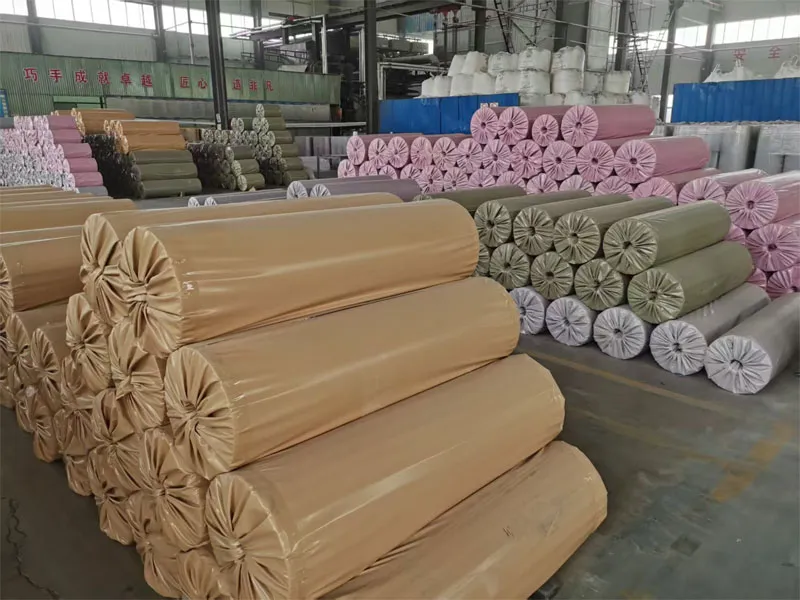
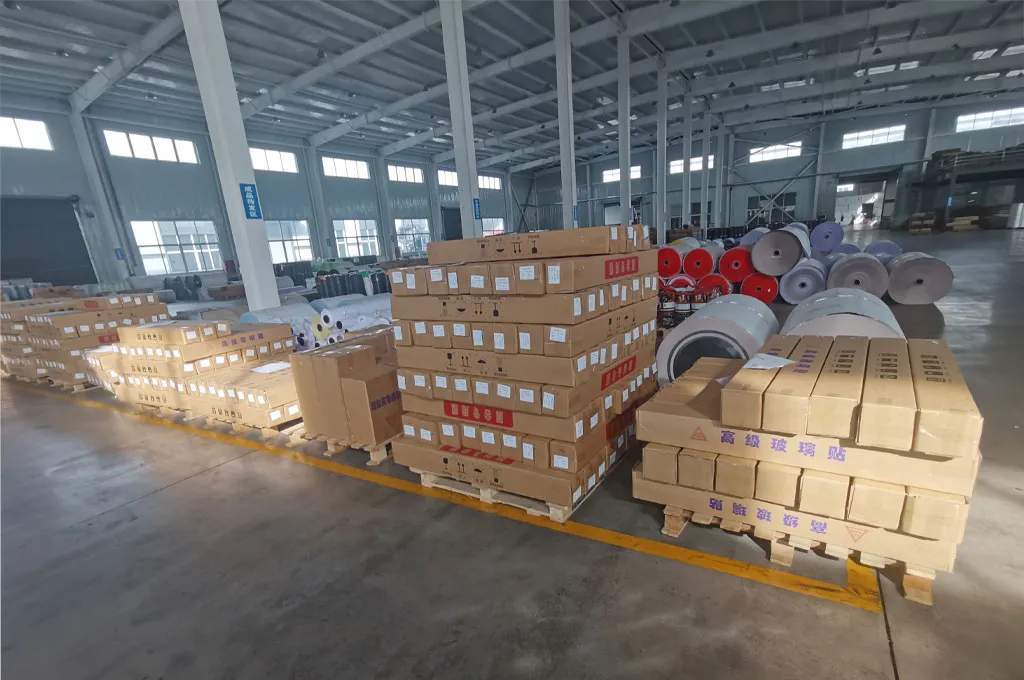
Logistics matter. Check the core size (standard 3-inch or 6-inch), the maximum roll diameter, and whether the supplier can provide jumbo rolls or slit reels according to your automated feeding systems.
Always test the film on your actual machinery. A film that performs perfectly in a lab may behave differently on a high-speed packaging line due to static build-up or coefficient of friction variations. The Plastic Film Friction Testing standard is a useful reference point for this.
Beyond the standard film, the market demands specialized solutions. At Henan Pulivk New Materials Co., Ltd., the focus is on delivering tailored materials that fit unique project requirements. Whether you need a specific width for a narrow web printing press or a bespoke hardness for embossing, flexibility is key.
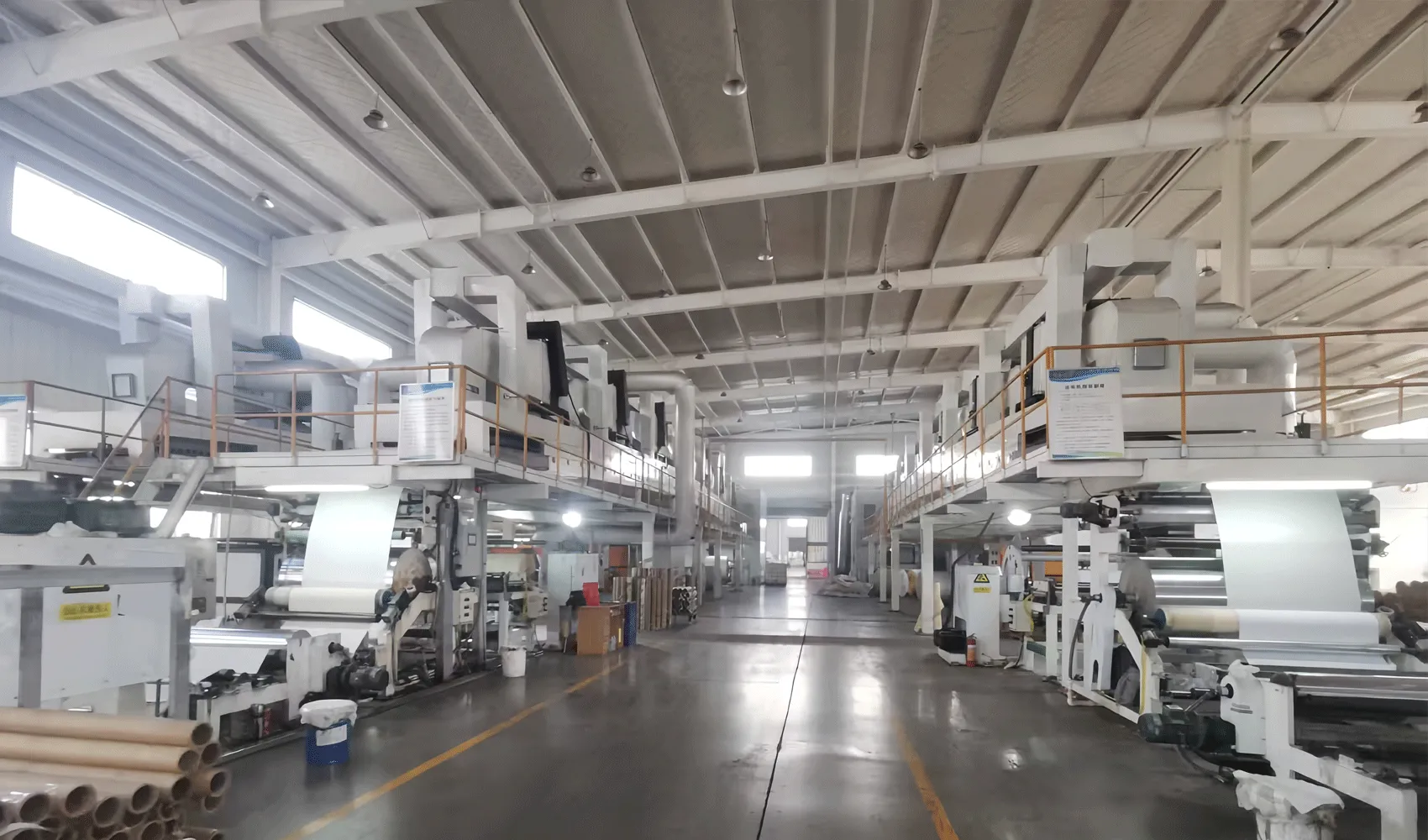
While clear film serves as a staple material, consider these complementary products that often fit into similar supply chains:
| Product Type | Key Feature | Link |
|---|---|---|
| PVC Skirting Film | Durable wall protection | View Product |
| 3D Silk Texture Film | Decorative surface finish | View Product |
| Marble Film | Realistic stone aesthetic | View Product |
| Glossy Wardrobe Film | High-shine furniture finish | View Product |
Consistency is the cornerstone of a reliable film supply. Look for partners who operate integrated calendering lines rather than outsourcing secondary processes. This vertical integration prevents variations in raw material composition and ensures every batch of normal clear PVC film meets the declared specification.
Calendered film typically offers better thickness uniformity and a smoother surface, making it ideal for lamination and printing. Extruded film is often processed via a blown-film method, which can have more thickness variation but is suitable for certain flexible packaging applications.
Yes, PVC is a recyclable thermoplastic. Mechanical recycling processes can regrind production scrap and post-industrial waste. However, compatibility with local recycling streams should be verified.
Standard clear PVC film is intended for indoor use. For applications involving direct sunlight or harsh UV exposure, it is recommended to request a UV-stabilized grade to prevent photodegradation and yellowing.

Ultimately, choosing normal clear PVC film is a strategic decision that impacts product aesthetics, protection, and production efficiency. By focusing on technical specifications, supplier capability, and chemical compliance, you secure a material that performs reliably across countless applications. Whether you are laminating a photo album or sealing a medical device, the film’s stability and clarity remain paramount.