Address
304 North Cardinal St.
Dorchester Center, MA 02124
Work Hours
Monday to Friday: 7AM - 7PM
Weekend: 10AM - 5PM
Address
304 North Cardinal St.
Dorchester Center, MA 02124
Work Hours
Monday to Friday: 7AM - 7PM
Weekend: 10AM - 5PM


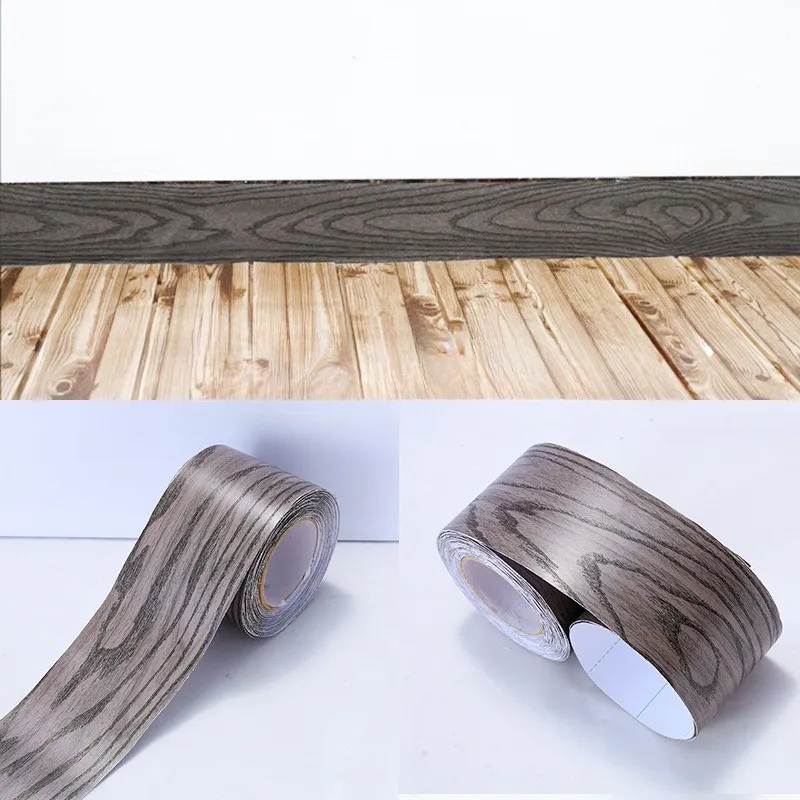
 ByPulivk
Optical grade optical PVC film represents a specialized category of polyvinyl chloride sheeting engineered for applications demanding high clarity, precise light transmission, and exceptional surface quality. Unlike standard decorative or packaging films, these materials are formulated to minimize haze, control gloss, and maintain consistent refractive indices, making them indispensable in industries ranging from display technologies to medical device manufacturing.
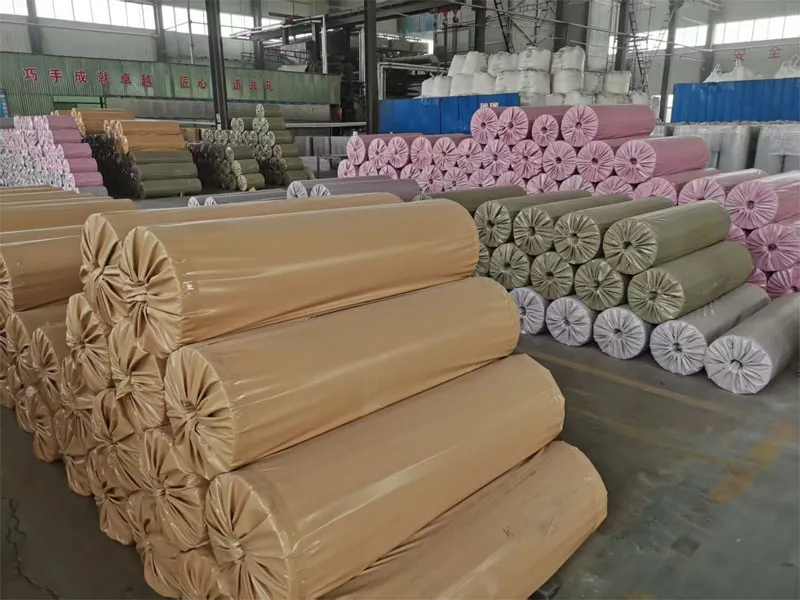
Explore Calendered Optical Films →
From protecting sensitive screens to enhancing light diffusion in lighting fixtures, optical PVC film serves a wide array of industries. Its versatility stems from the ability to modify the film’s surface structure and chemical additives during the calendering process, a method perfected by manufacturers like Henan Pulivk New Materials Co., Ltd.
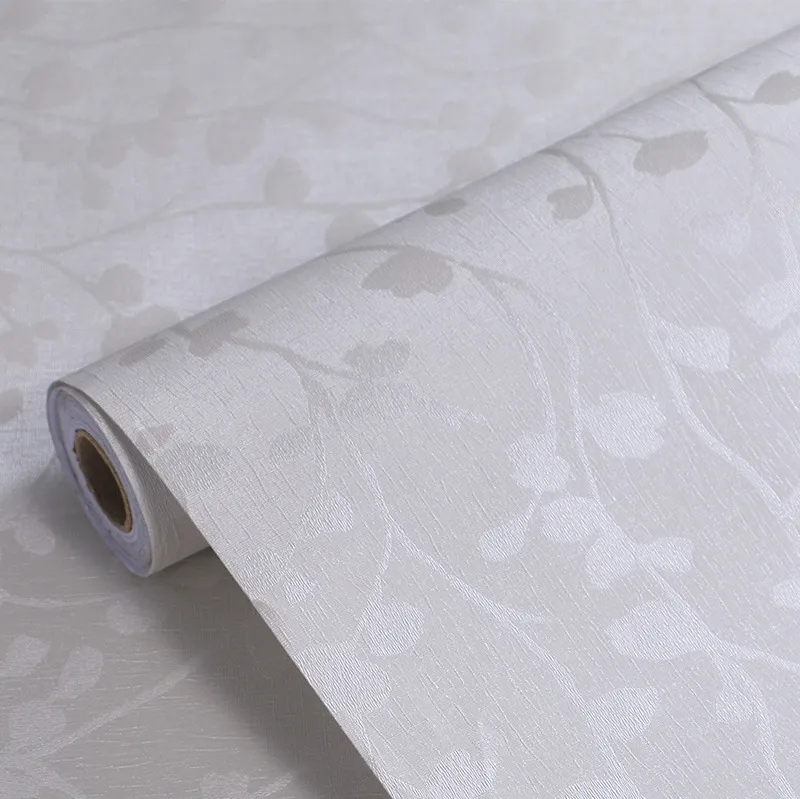
View Optical Texture Film Specs →
Selecting the right substrate involves balancing mechanical performance with visual integrity. Premium optical PVC film offers distinct advantages over alternative materials like PET or polycarbonate in specific use cases, particularly where flexibility and cost-efficiency are paramount.
| Property | Optical PVC Film | Standard PE Film |
|---|---|---|
| Light Transmission | 90% – 94% | 85% – 89% |
| Haze Level | < 2.0% | > 10% |
| Surface Gloss | Customizable (Matte to High Gloss) | Low Gloss |
| Dimensional Stability | Excellent (Calendered state) | Moderate |
| Printability | Superior ink adhesion | Requires treatment |
Data based on standard industrial testing methods for Plastic Film Gloss Testing.
Not all optical films are created equal. The selection process should be rigorous, focusing on the specific environmental and mechanical demands of the end application. Here is a breakdown of critical selection criteria:
The defining characteristic of any optical material is how it handles light. If the application is a display lens, the Plastic Film Haze Testing results must be negligible. For light diffusers, however, a controlled haze engineered through surface embossing or bead coating might be desirable. We always recommend clients check the Plastic Film Gloss Testing values to ensure the surface finish matches the design intent, avoiding unwanted glare.
Optical films often need to endure physical stress. Evaluating the film’s tensile strength and elongation is vital. We often guide partners to standards like ISO Film Tensile Testing to verify these properties. Additionally, for outdoor applications, UV stabilizers are non-negotiable to prevent yellowing and loss of PVC Film Dimensional Stability. The film should resist shrinkage and warping under fluctuating temperatures.
In medical or food-adjacent environments, resistance to cleaning agents and compliance with regulations like REACH or RoHS is mandatory. It is crucial to confirm whether the film formulation is lead-free and phthalate-free. While many suppliers offer anti-fog or antistatic variants, ensuring these additives do not leach or degrade optical performance over time is key. Requesting a full technical datasheet verifying the ASTM PVC Film Standard ensures the material meets the rigid benchmarks for non-rigid sheeting.

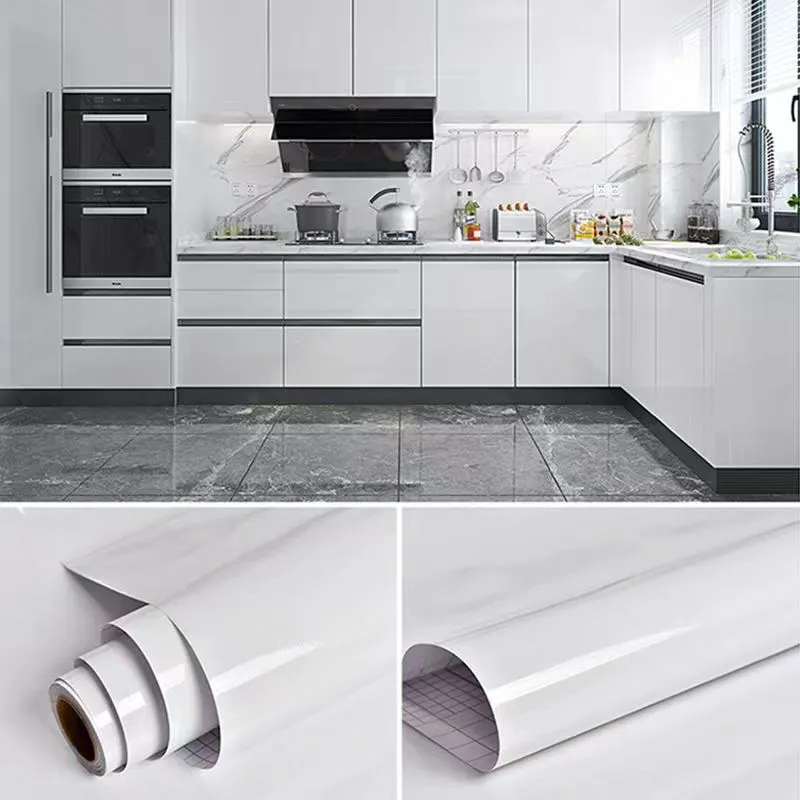
Discover High-Definition Marble Films →
The manufacturing environment dictates the film grade. Optical films designed for high-temperature processes like in-mold decoration (IMD) differ significantly from those meant for cold lamination. For precise thickness control, uniform caliper is essential; variations as small as a few microns can cause optical distortion. Modern calendering lines, such as those in state-of-the-art facilities, incorporate real-time thickness gauges to guarantee consistency.
Surface energy is another critical factor. Whether the film requires corona treatment for ink adhesion or a specific coating for scratch resistance, the Plastic Film Tear Testing and coefficient of friction profiles must match the automated converting equipment used by the buyer.
The shift toward a circular economy has impacted every polymer sector, including optical-grade films. While maintaining high clarity, modern manufacturers are integrating recycled content and reducing volatile organic compounds (VOCs) during production. The PVC Circular Economy model emphasizes longevity and recyclability, ensuring that even high-value technical films can have a reduced environmental footprint. When selecting a supplier, investigate their commitment to the VinylPlus 2030 Commitment and whether they offer eco-friendly plasticizer options without sacrificing the optical edge.
To sum up, navigating the world of optical PVC film requires a balance of aesthetic demand, mechanical necessity, and chemical compliance. By referencing established ASTM Plastics Standards and partnering with experienced calendering facilities, importers and manufacturers can secure high-performance materials that consistently deliver clarity and durability.